
Last updated: September 20, 2026
By Home Repair Genie
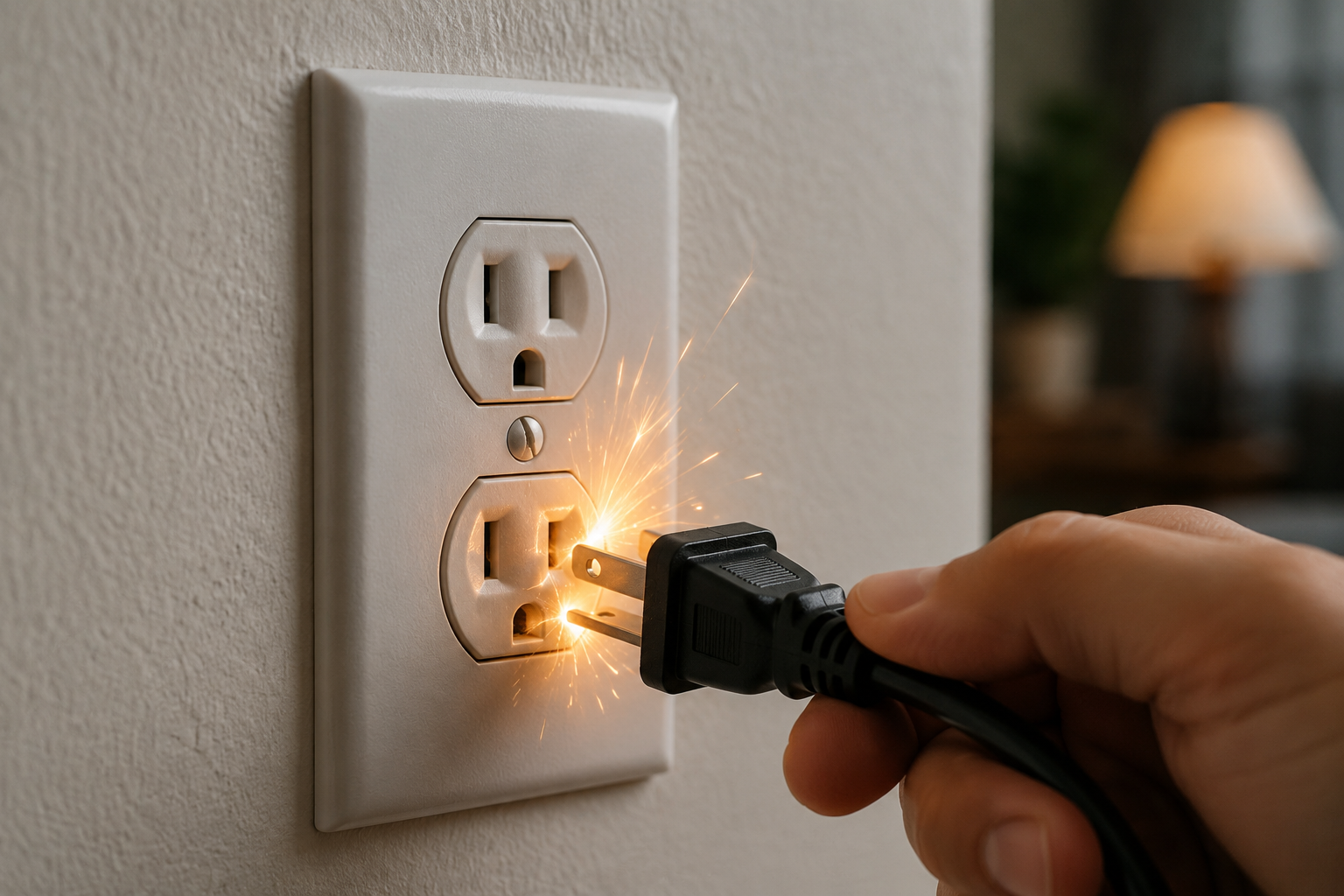
A small spark when plugging something into an outlet can sometimes be normal. However, large sparks, burning smells, buzzing sounds, or black marks around the outlet may indicate a serious electrical problem that needs immediate attention.
This step-by-step guide explains the most common reasons an outlet sparks when plugging in devices and how to fix the issue safely.
When an Outlet Sparks When Plugging In: Is It Dangerous?
A tiny blue spark can happen briefly when electricity jumps between the plug and outlet contacts. This is usually harmless.
However, you should stop using the outlet immediately if you notice:
- Large yellow or white sparks
- Burning smells
- Crackling or buzzing sounds
- Smoke or melted plastic
- Warm outlet covers
- Flickering power
- Black scorch marks
If these symptoms appear, turn off power to the outlet at the breaker before troubleshooting.
Tools You May Need
- Flashlight
- Screwdriver
- Non-contact voltage tester
- Replacement outlet
- Needle-nose pliers
- Electrical tape
- Vacuum or compressed air
Step 1: Unplug the Device Immediately
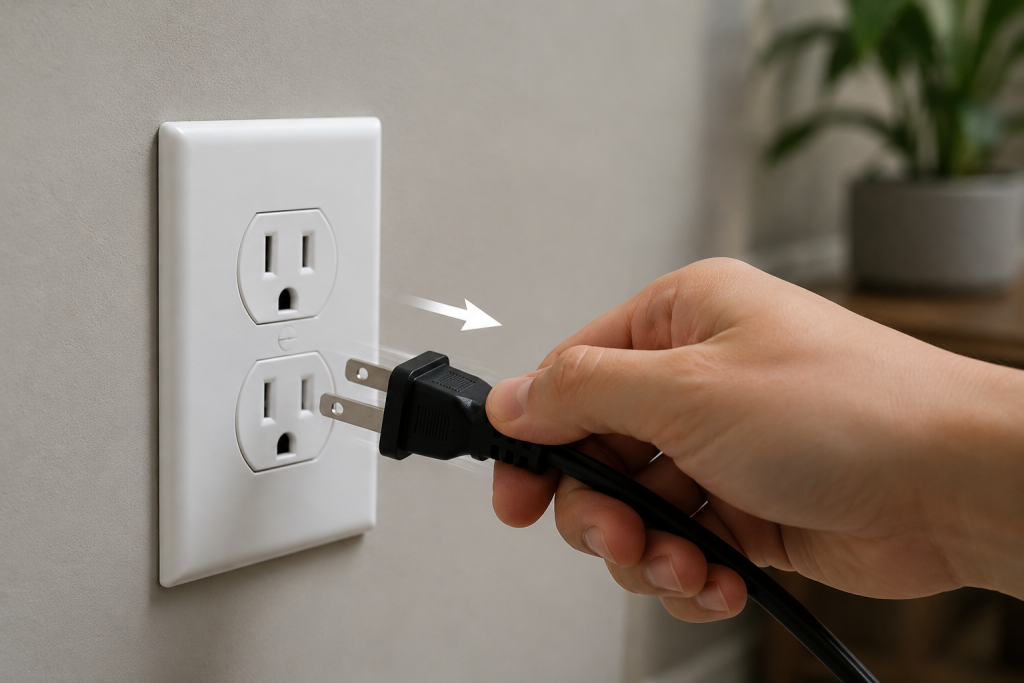
If the outlet sparks when plugging in an appliance or charger, unplug it right away.
Sometimes the problem is caused by:
- A damaged plug
- Bent prongs
- Faulty appliance wiring
- Loose electrical connections inside the device
Inspect the plug carefully for:
- Burn marks
- Melted plastic
- Loose prongs
- Frayed cords
Try plugging a different device into the outlet to see if the sparking continues.
If multiple outlets are not working properly, check out our guide on How to Fix an Outlet That’s Not Working (Step-by-Step Guide).
Step 2: Check for Loose Plug Connections
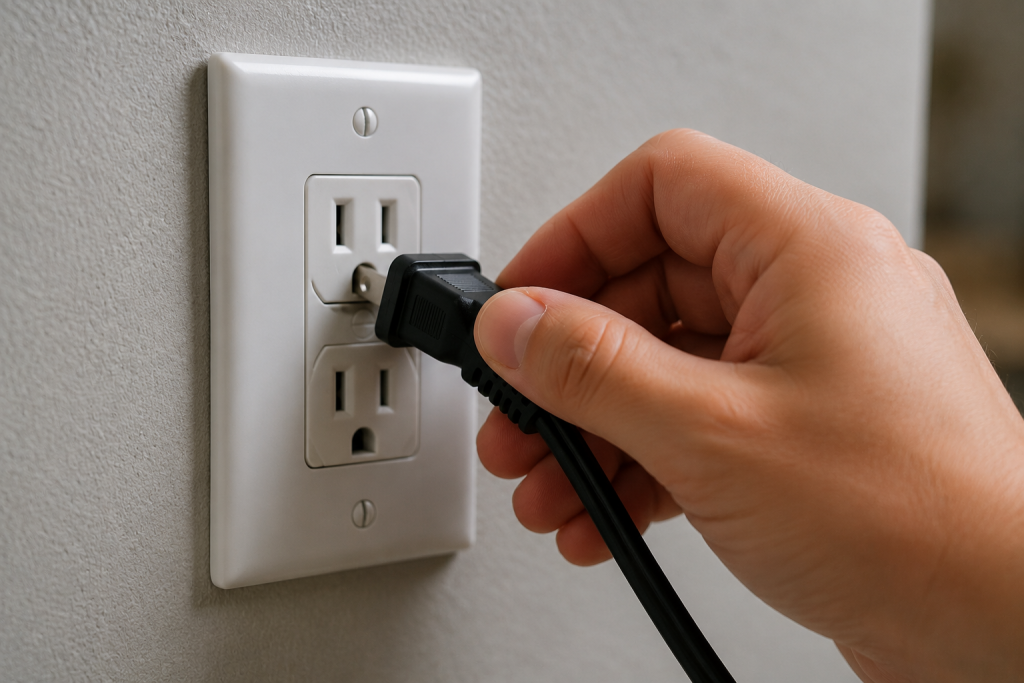
Over time, outlets wear out internally. Loose outlet contacts may no longer grip the plug tightly, causing electrical arcing and sparks.
Signs of a loose outlet include:
- Plugs falling out easily
- Wiggling cords
- Intermittent power
- Crackling sounds
Loose electrical contact increases heat buildup and fire risk.
If the outlet no longer holds plugs securely, replacement is usually the safest solution.
Step 3: Inspect the Outlet for Burn Marks or Damage
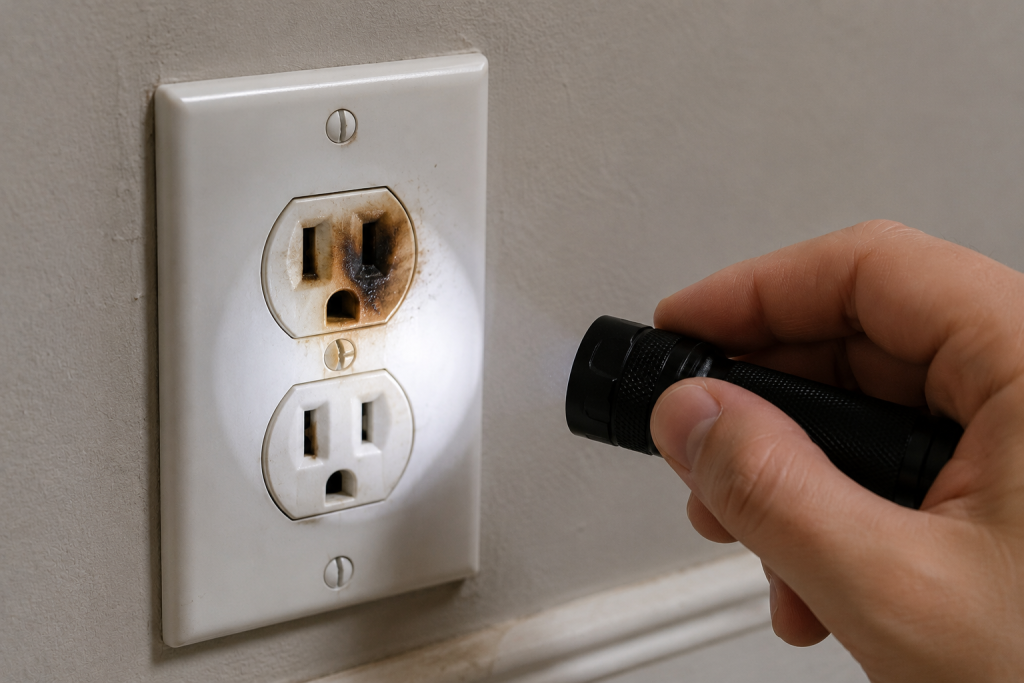
Carefully inspect the outlet cover for:
- Black discoloration
- Melted areas
- Cracks
- Smoke residue
- Burn smells
These signs often indicate overheating or electrical arcing inside the outlet.
If you see damage:
- Turn off the breaker controlling the outlet
- Remove the outlet cover carefully
- Inspect wiring for loose or burned connections
If the wiring appears damaged, stop and contact a licensed electrician.
You can also review electrical safety recommendations from This Old House Electrical Safety Guide.
Step 4: Avoid Overloading the Circuit
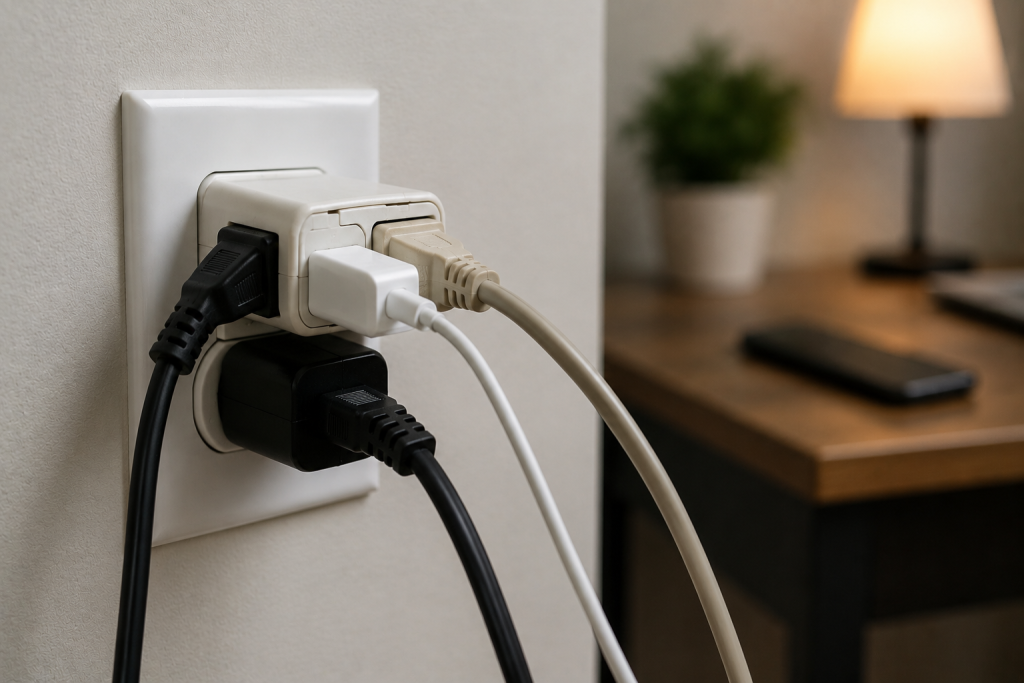
Too many high-power devices on one circuit can overload the outlet and create sparking.
Common high-power appliances include:
- Space heaters
- Microwaves
- Hair dryers
- Air fryers
- Portable AC units
Try unplugging unnecessary devices and test the outlet again.
If your breaker keeps tripping along with outlet sparking, read our guide on 9 Easy Steps to Fix a Tripped Circuit Breaker.
Step 5: Tighten Loose Wiring Connections
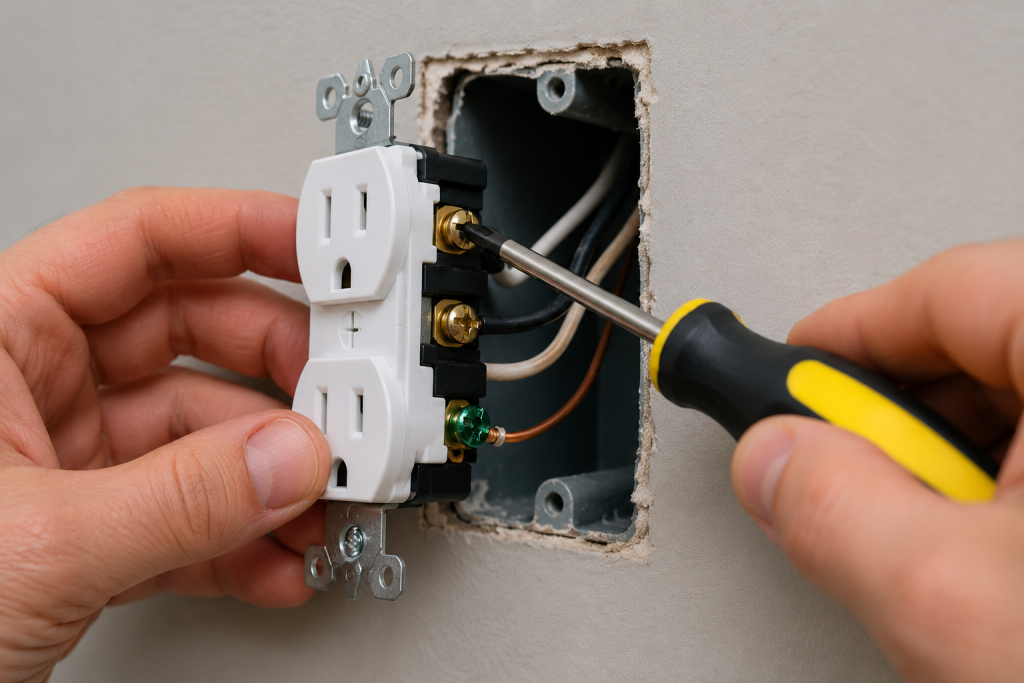
Loose wires behind an outlet are one of the most common causes of dangerous sparking.
WARNING: Always turn off power at the breaker before working on electrical wiring.
After confirming power is off:
- Remove the outlet cover
- Unscrew the outlet from the electrical box
- Check for loose terminal screws
- Tighten any loose wire connections carefully
Loose wiring can create heat and electrical arcing behind the wall.
If the wires appear burned or brittle, replace the outlet or contact an electrician.
Step 6: Replace the Outlet if It’s Worn Out
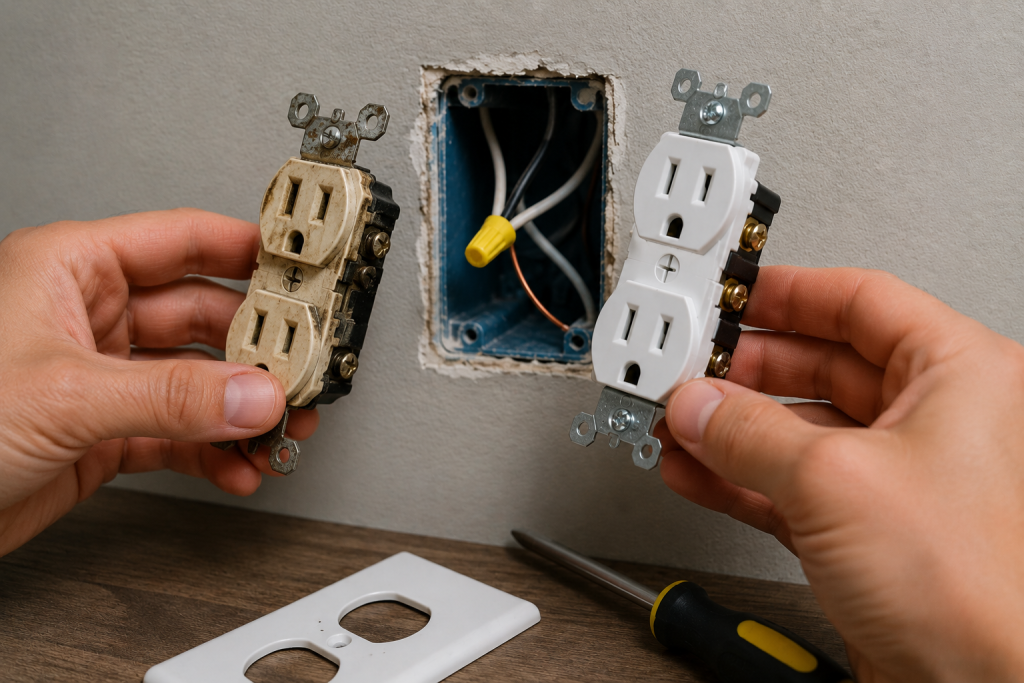
Outlets wear out over time, especially in older homes.
You should replace the outlet if:
- It sparks repeatedly
- Plugs fit loosely
- The outlet feels warm
- The outlet is discolored
- The outlet is more than 15–20 years old
Modern tamper-resistant outlets are safer and provide a more secure plug connection.
If you are not comfortable replacing an outlet yourself, hire a licensed electrician.
You may also want to read our guide on GFCI Outlet Keeps Tripping? 7 Easy Fixes That Actually Work.
Step 7: Call an Electrician for Persistent Sparking
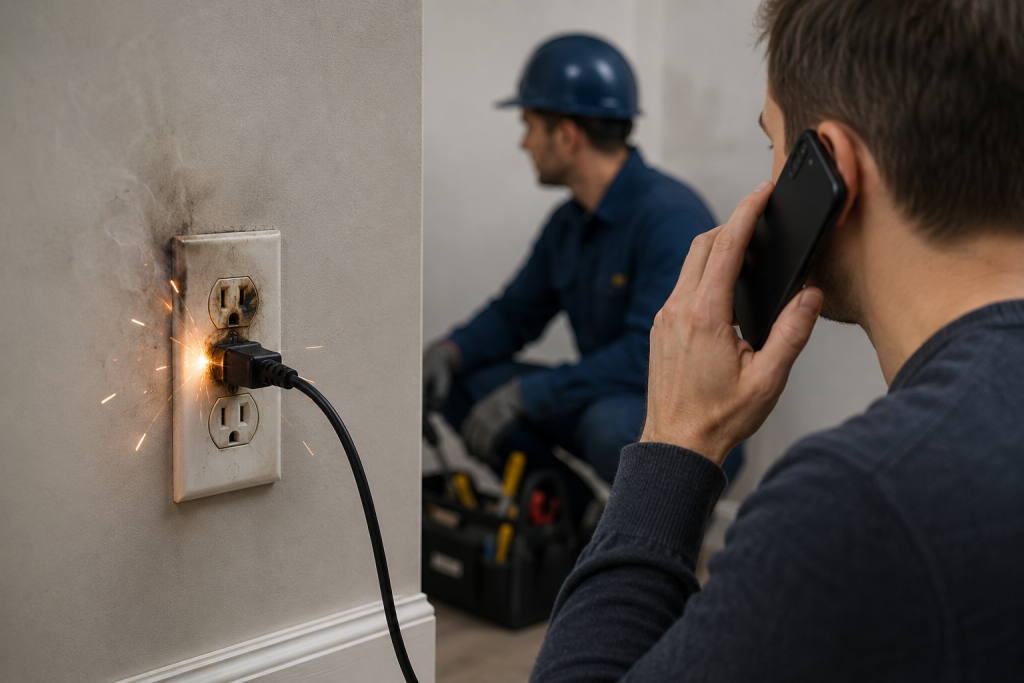
If the outlet continues sparking after troubleshooting, the issue could involve:
- Damaged wiring inside the wall
- A failing breaker
- Improper grounding
- Circuit overloads
- Electrical panel issues
Persistent sparking should never be ignored because it can lead to electrical fires.
Call a licensed electrician immediately if:
- You smell burning
- The outlet is hot
- Sparks are large or frequent
- The breaker trips repeatedly
- You notice flickering lights
Preventing Outlet Sparks in the Future
To reduce future outlet problems:
- Replace worn outlets promptly
- Avoid overloading circuits
- Use surge protectors
- Do not force loose plugs
- Inspect cords regularly
- Upgrade old outlets when needed
Routine electrical maintenance can help keep your home safer.
Frequently Asked Questions
Is it normal when an outlet sparks when plugging in devices?
A tiny blue spark can sometimes be normal. Large sparks, burning smells, or repeated sparking are not normal and should be investigated.
Can a sparking outlet cause a fire?
Yes. Loose wiring and electrical arcing can create heat that may start an electrical fire.
Should I stop using a sparking outlet?
Yes. If the outlet sparks repeatedly or shows signs of damage, stop using it until the issue is fixed.
How much does it cost to replace an outlet?
Outlet replacement typically costs between $100 and $250 if performed by an electrician, depending on wiring conditions and outlet type.
Looking for help with another electrical problem? Browse our complete collection of electrical repair and troubleshooting guides.
Final Thoughts
If an outlet sparks when plugging in a device, do not ignore the warning signs. Small sparks may be harmless, but repeated sparking, burning smells, or loose outlets can indicate dangerous electrical problems. If your outlet sparks when plugging in appliances repeatedly, do not ignore the warning signs.
By following these step-by-step fixes, you can identify the cause, improve electrical safety, and know when it’s time to call a professional electrician.