
Last updated: October 11, 2026
By Home Repair Genie
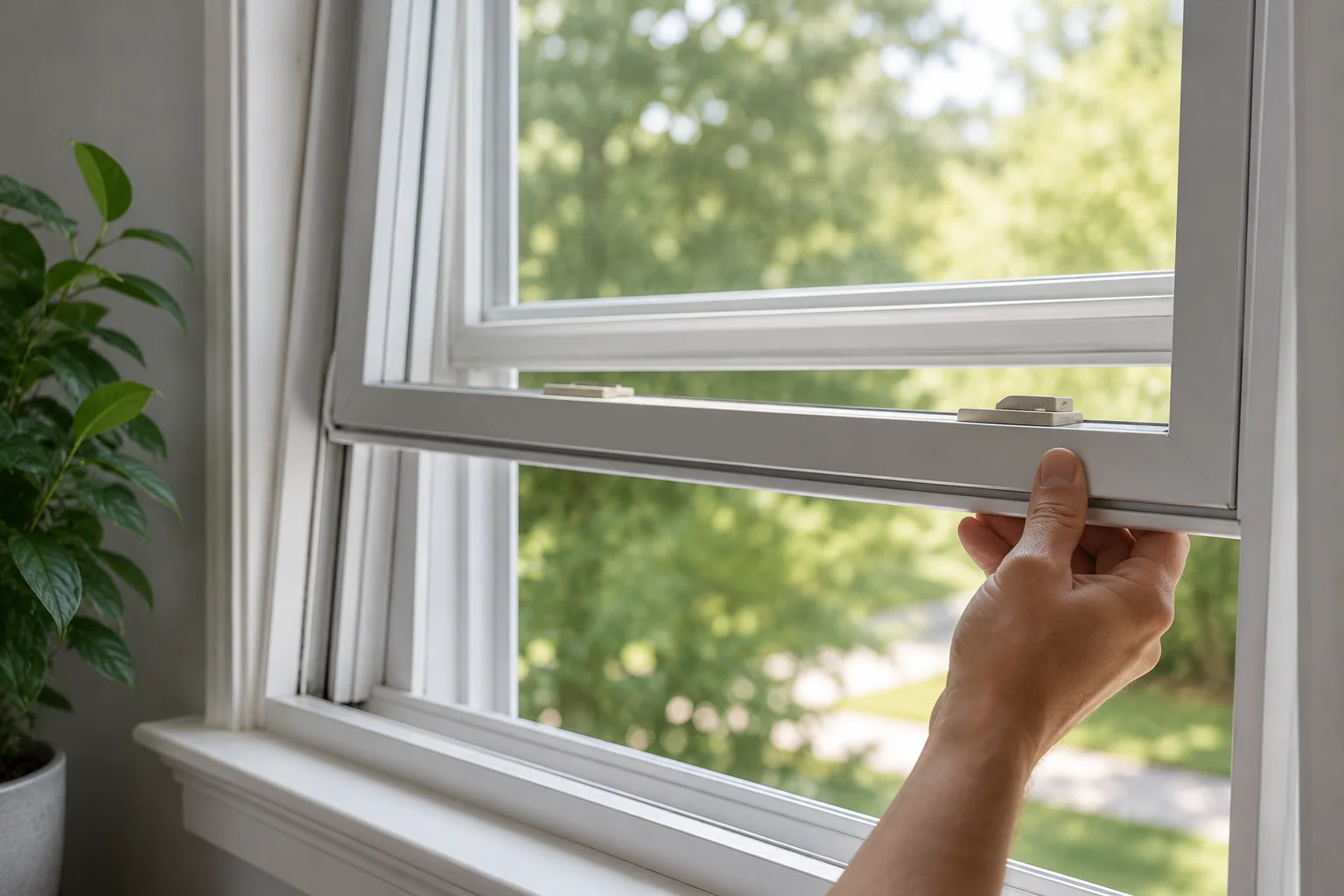
If your window won’t stay open and keeps sliding shut, the problem is usually caused by worn window balances, loose hardware, damaged tracks, or dirty window components. Fortunately, many window problems can be fixed with simple tools and basic DIY repairs.
In many cases, a window won’t stay open because the balance system inside the frame has worn out over time. This guide walks you through the most common reasons a window will not stay open and the step-by-step fixes homeowners can try before replacing the window.
Window Won’t Stay Open? Common Causes
A window may refuse to stay open because of:
- Worn sash balances
- Broken springs
- Dirty window tracks
- Loose pivot bars
- Damaged tilt latches
- Warped frames
- Misaligned hardware
Double-hung and single-hung windows commonly develop balance issues over time because the internal springs wear out with repeated use.
Tools and Materials You May Need
As an Amazon Associate I earn from qualifying purchases
- Screwdriver
- Replacement window balance (if needed)
- Vacuum cleaner
- Silicone spray lubricant
- Putty knife
- Flashlight
- Soft cloth
Step 1: Clean the Window Tracks
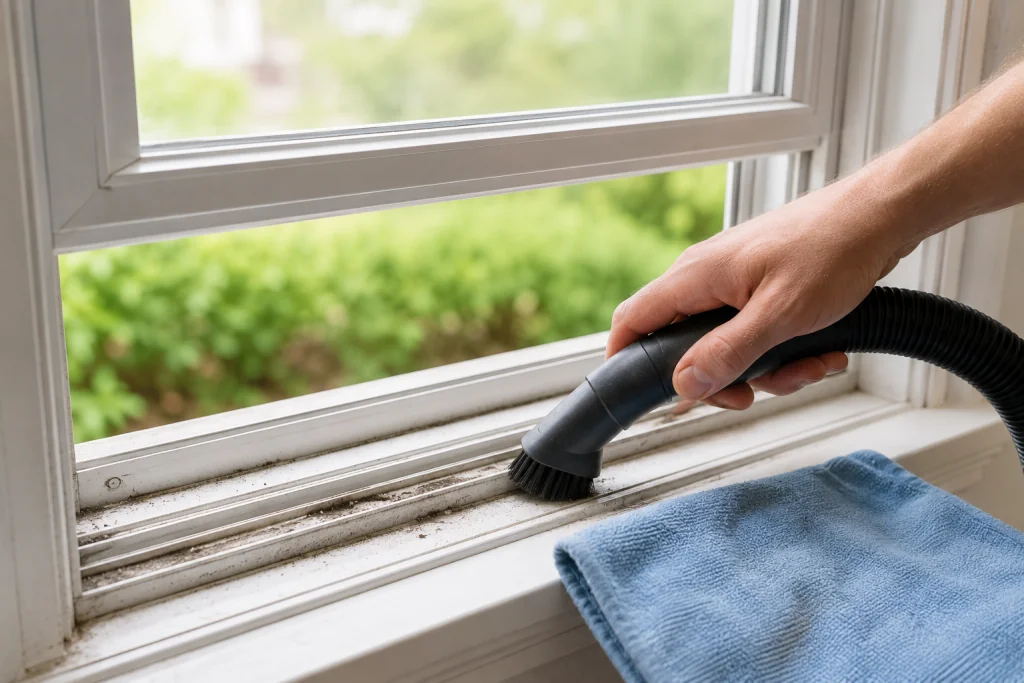
Dirty tracks can interfere with smooth window movement and prevent the sash from staying in position.
To clean the tracks:
- Open the window fully
- Vacuum dirt and debris
- Wipe the tracks with a damp cloth
- Remove paint buildup if necessary
After cleaning, test the window again.
If your window sticks while opening or closing, you may also want to read our guide on How to Fix a Door That Sticks When Closing.
Step 2: Inspect the Window Balances
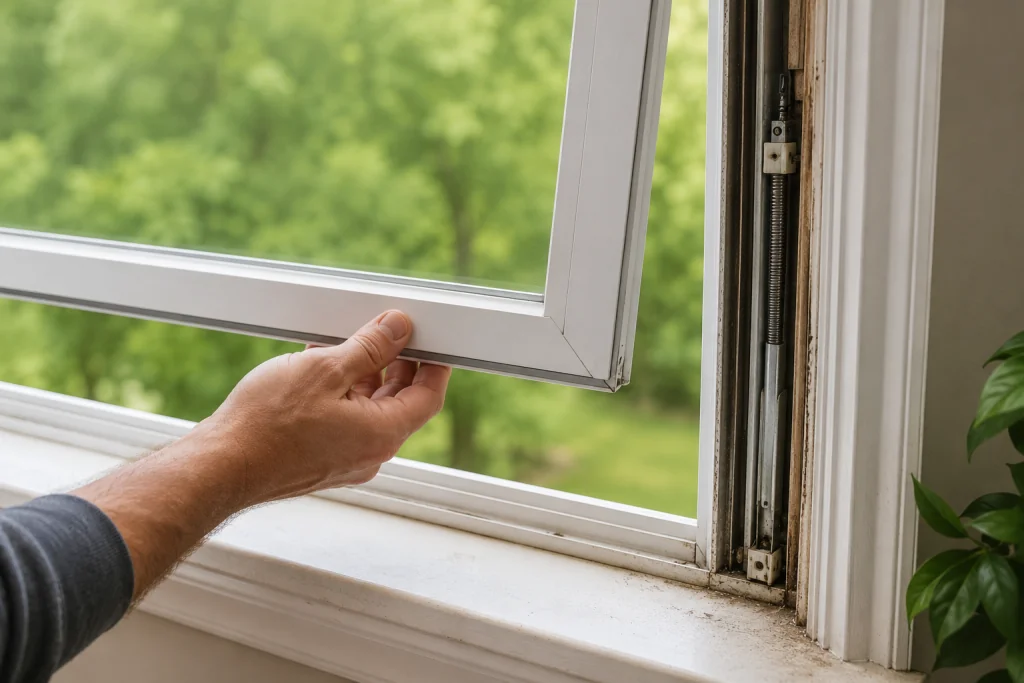
Most modern double-hung windows use spring balances to hold the sash open.
Signs of bad window balances include:
- The window slides shut
- The sash feels unusually heavy
- One side moves unevenly
- The window slams closed unexpectedly
Open the window and inspect both sides of the frame for damaged balance mechanisms.
A damaged balance mechanism is the most common reason a window won’t stay open properly.
Step 3: Check for Loose Pivot Bars or Shoes
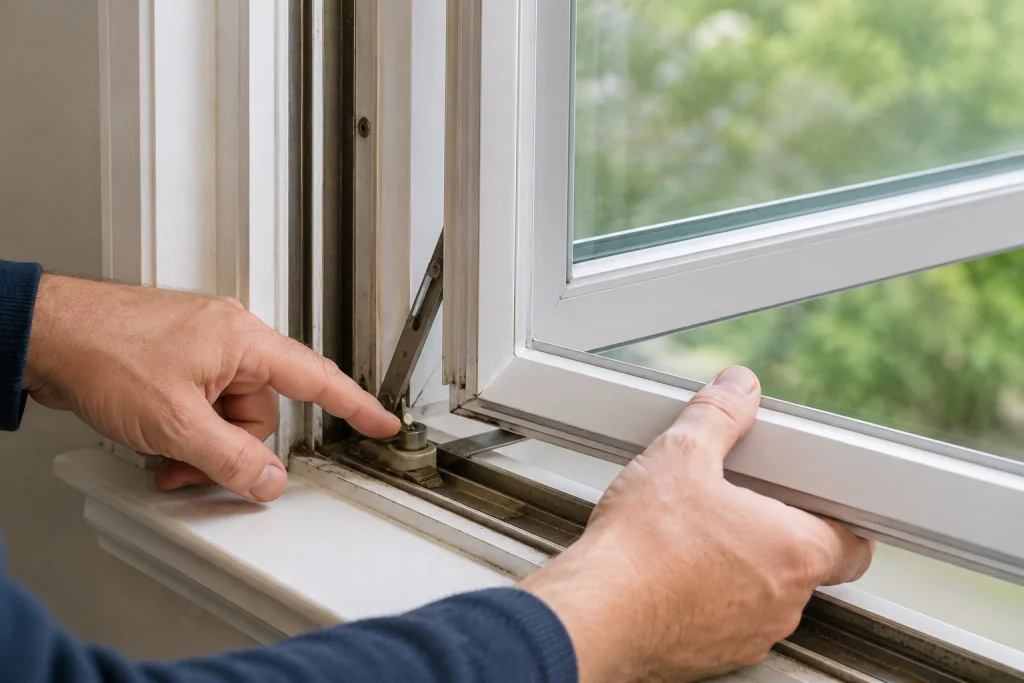
Tilt-in windows use pivot bars connected to balance shoes inside the frame.
If these components loosen or disconnect:
- The sash may tilt incorrectly
- The window may not stay open
- The window may become crooked
Carefully inspect the lower corners of the sash and look for loose hardware.
Tighten any loose screws if accessible.
If a pivot shoe or pivot bar is broken rather than merely loose, look for a replacement pivot shoe or pivot bar that matches your existing hardware.
Step 4: Lubricate the Window Tracks
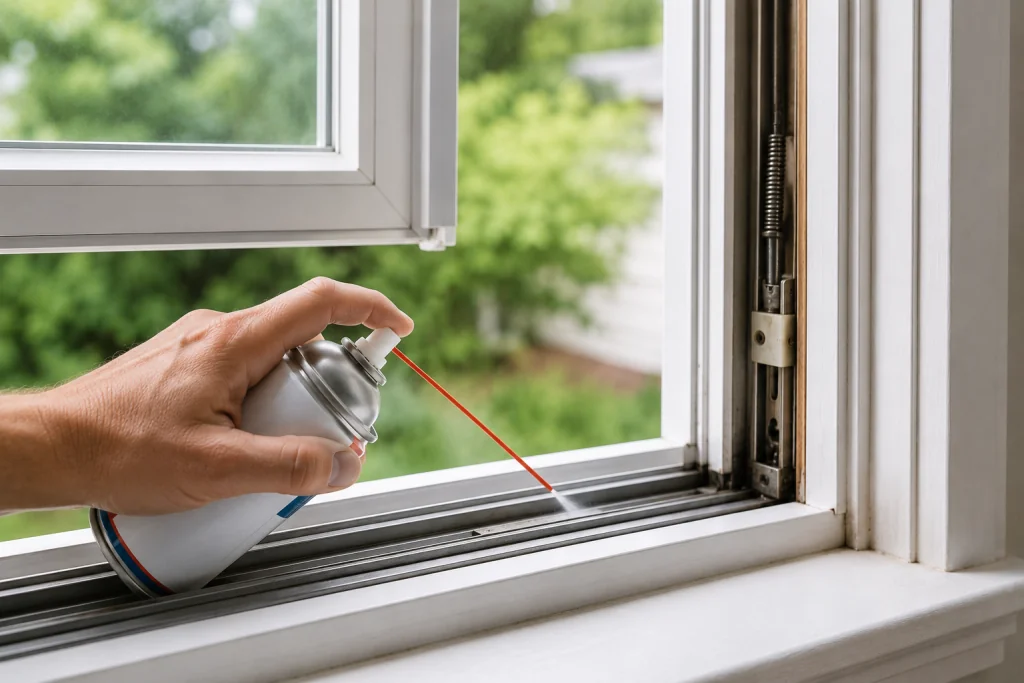
Dry or sticky tracks can strain the window balance system.
Apply a small amount of silicone spray lubricant to:
- Window tracks
- Balance channels
- Pivot points
Avoid oil-based lubricants because they attract dust and dirt.
After cleaning the tracks, apply a small amount of silicone spray lubricant where your window manufacturer recommends it.
After lubricating, open and close the window several times to distribute the lubricant evenly.
Step 5: Inspect the Window Frame for Warping
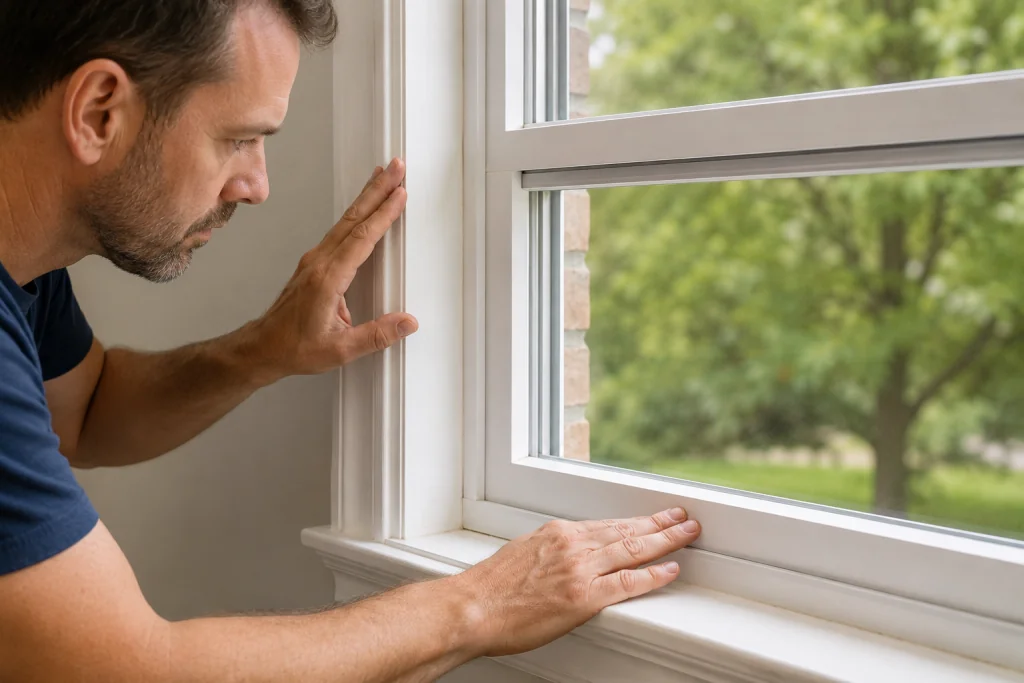
Moisture and temperature changes can warp older wood window frames.
Signs of frame warping include:
- Uneven gaps
- Difficult movement
- Crooked sash alignment
- Windows that drift closed
Minor warping may improve with adjustment, but severe frame damage may require professional repair or replacement.
You may also find our article on How to Fix a Door That Won’t Latch Properly helpful since alignment issues affect both doors and windows.
Step 6: Replace the Window Balance
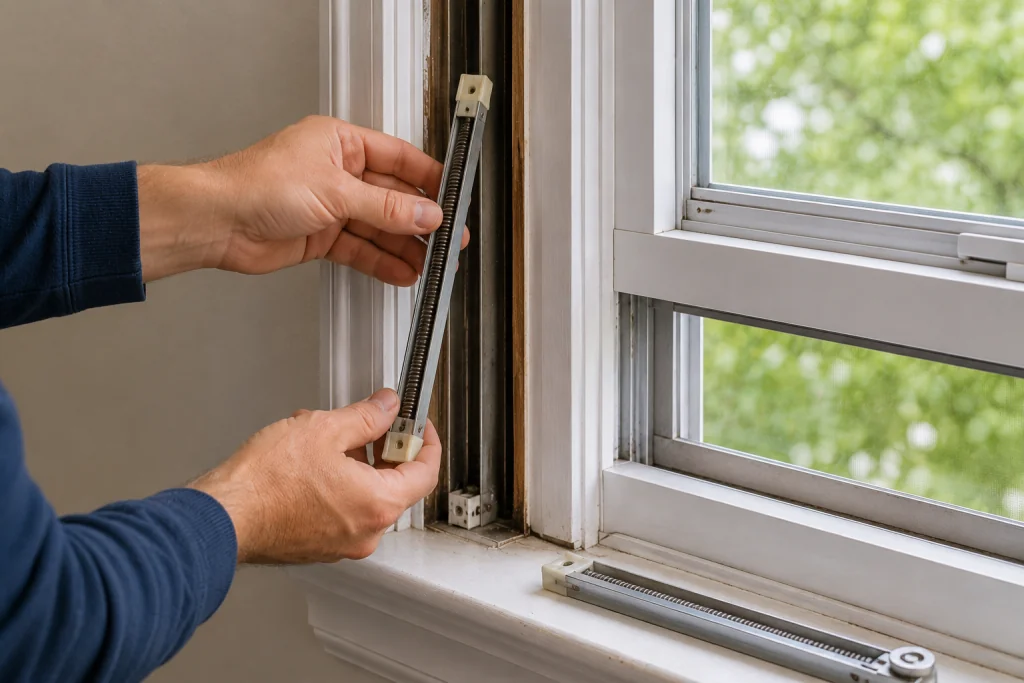
If the balance system is broken, replacement is often the only permanent fix.
To replace a window balance:
- Remove the window sash
- Locate the old balance mechanism
- Remove mounting screws
- Install the matching replacement balance
- Reinstall the sash
Always match the replacement balance to your exact window type and size.
Many hardware stores can help identify the correct balance.
Before ordering a matching replacement window balance, identify the balance type and compare its markings, dimensions, end fittings, and sash weight with the old part.
Step 7: Test the Window and Adjust the Sash
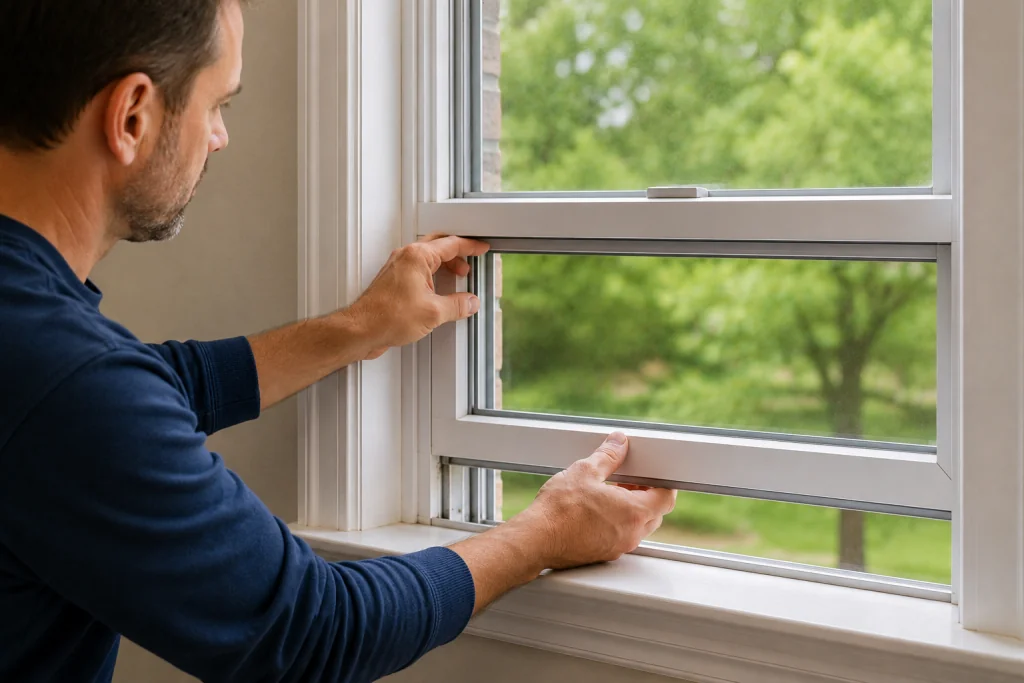
After completing repairs:
- Open the window halfway
- Release it carefully
- Check whether it stays in position
- Verify smooth movement on both sides
If the sash still shifts or falls, additional balance adjustment may be necessary.
For additional window repair guidance, see this helpful resource from Andersen Windows.
When to Call a Professional
Contact a window professional if:
- The frame is severely warped
- The glass is damaged
- The balance system is inaccessible
- The window is extremely old
- Multiple windows have the same issue
- Structural damage is present
Some balance systems can be difficult or dangerous to repair without experience.
How to Prevent Window Balance Problems
To keep windows operating smoothly:
- Clean tracks regularly
- Lubricate moving parts annually
- Avoid slamming windows shut
- Address sticking windows early
- Inspect for moisture damage
Routine maintenance helps extend window life and improve energy efficiency.
Looking for help with another door or window problem? Browse our complete collection of door and window repair guides.
Frequently Asked Questions
Why does my window keep sliding shut?
The most common cause is a worn or broken window balance system.
Why my window won’t stay open after cleaning the tracks?
If your window won’t stay open after cleaning the tracks, the balance springs or pivot hardware may be worn or damaged.
Can I fix a window balance myself?
Yes. Many homeowners can replace window balances with basic tools and the correct replacement parts.
Why does my window feel heavy when opening?
A failed balance mechanism may no longer support the sash weight properly.
Should I replace the entire window?
Not usually. In many cases, replacing the balance or repairing the hardware solves the problem.