
Last updated: October 13, 2026
By Home Repair Genie
As an Amazon Associate I earn from qualifying purchases.
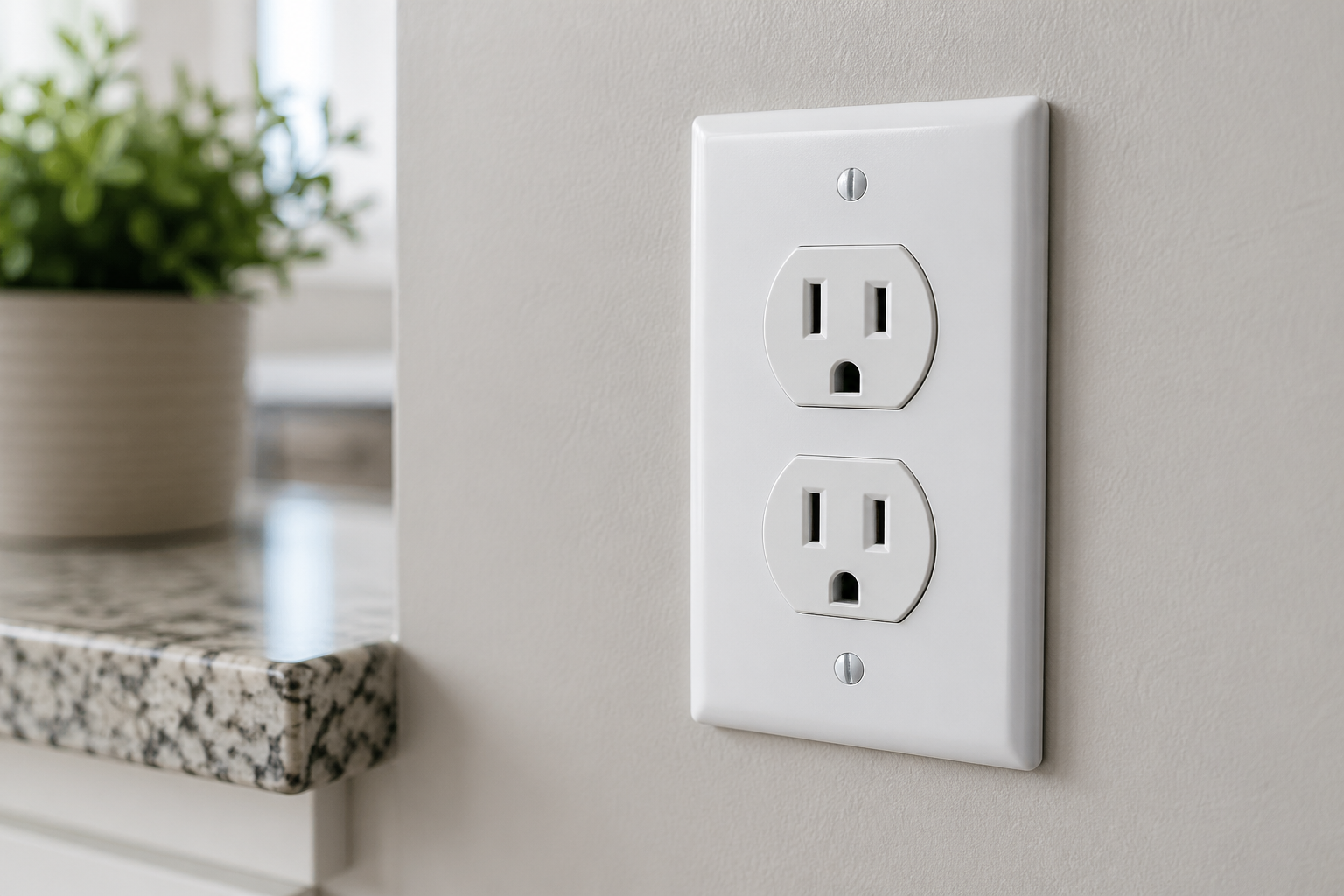
Outlet works but no power? You’re not alone—this is one of the most common (and frustrating) electrical problems homeowners face.
The good news? In most cases, the fix takes less than 5 minutes and doesn’t require an electrician.
In this step-by-step guide, you’ll learn 7 easy fixes for an outlet with no power, including how to safely troubleshoot the problem and when it’s time to call a professional.
If your outlet has no power, a tripped circuit breaker is often the cause.
Electrical issues like dead outlets are just as common as home plumbing problems.
Quick Answer
If your outlet works but has no power, the most common causes are a tripped breaker, a tripped GFCI outlet, a loose wire, or a switched (half-hot) outlet. Start by checking your breaker panel, then reset nearby GFCI outlets before inspecting the outlet itself.
Why Your Outlet Works But No Power Is Coming Through
Before jumping into fixes, it helps to understand what’s going on. Common causes include:
- A tripped circuit breaker
- A tripped GFCI outlet
- A loose wire connection
- A worn-out outlet
- A hidden upstream electrical issue
7 Easy Fixes for an Outlet With No Power
1. Check for a Tripped Circuit Breaker
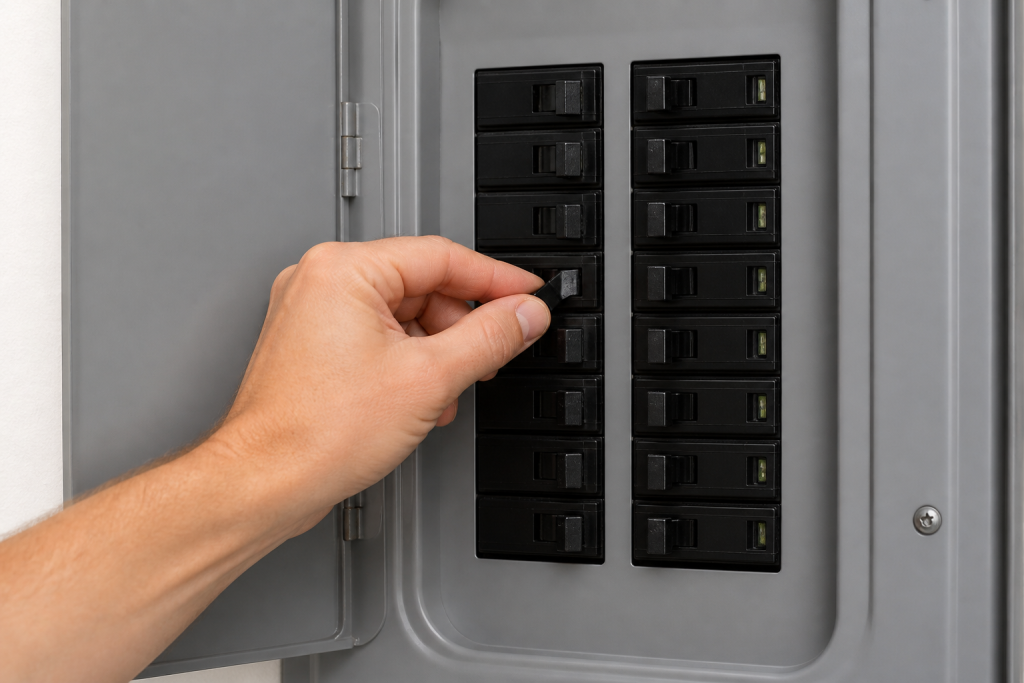
Go to your electrical panel and look for any breaker that is:
- In the middle position
- Not fully “ON”
Flip it OFF, then back ON firmly.
2. Reset Nearby GFCI Outlets
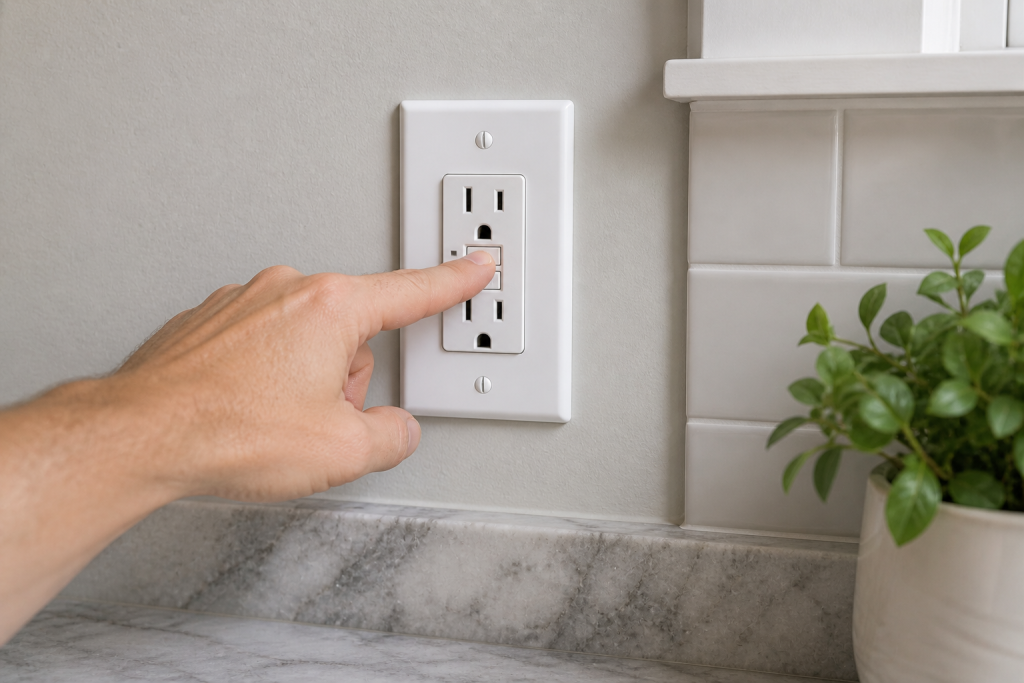
GFCI outlets are commonly found in:
- Bathrooms
- Kitchens
- Garages
Press the RESET button—this often restores power to multiple outlets downstream.
3. Check for a Loose Plug or Device Issue
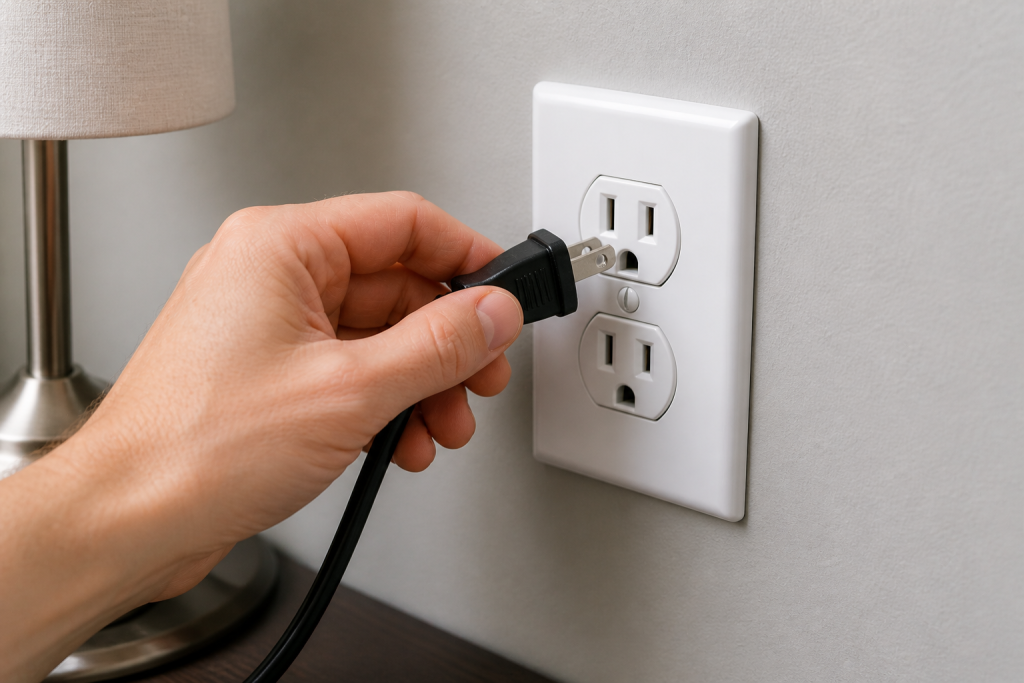
Before assuming the outlet is bad:
- Plug in another device
- Try the same device in a different outlet
Sometimes the issue isn’t the outlet at all.
4. Inspect for a Half-Hot (Switched) Outlet
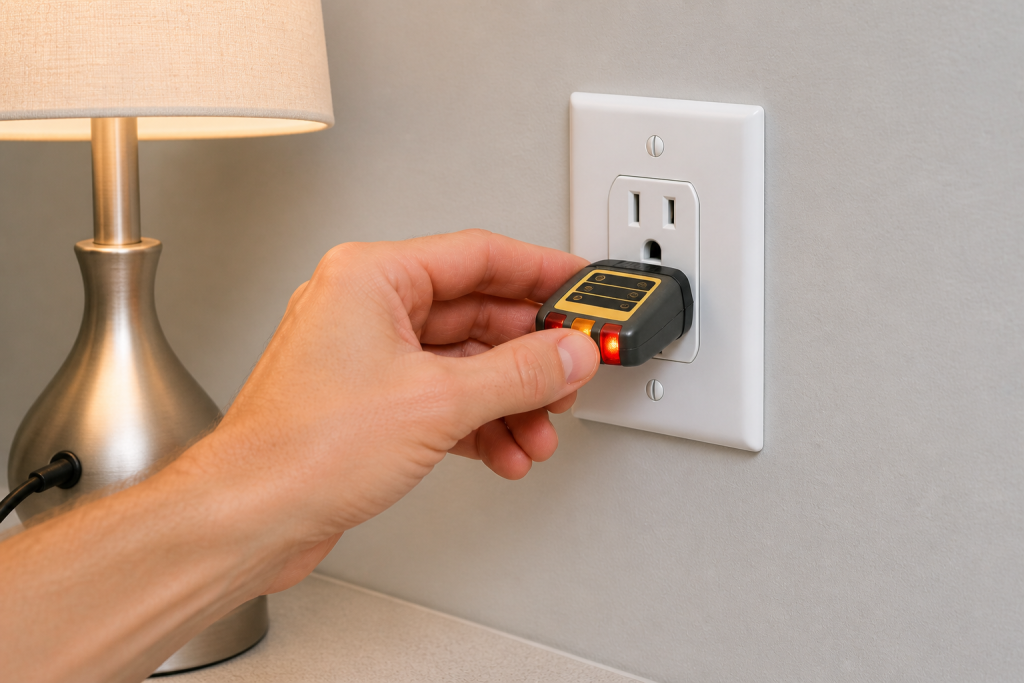
Some outlets are controlled by a wall switch.
Flip nearby switches and see if the outlet comes back to life.
5. Look for Burn Marks or Damage for Outlet Works But No Power
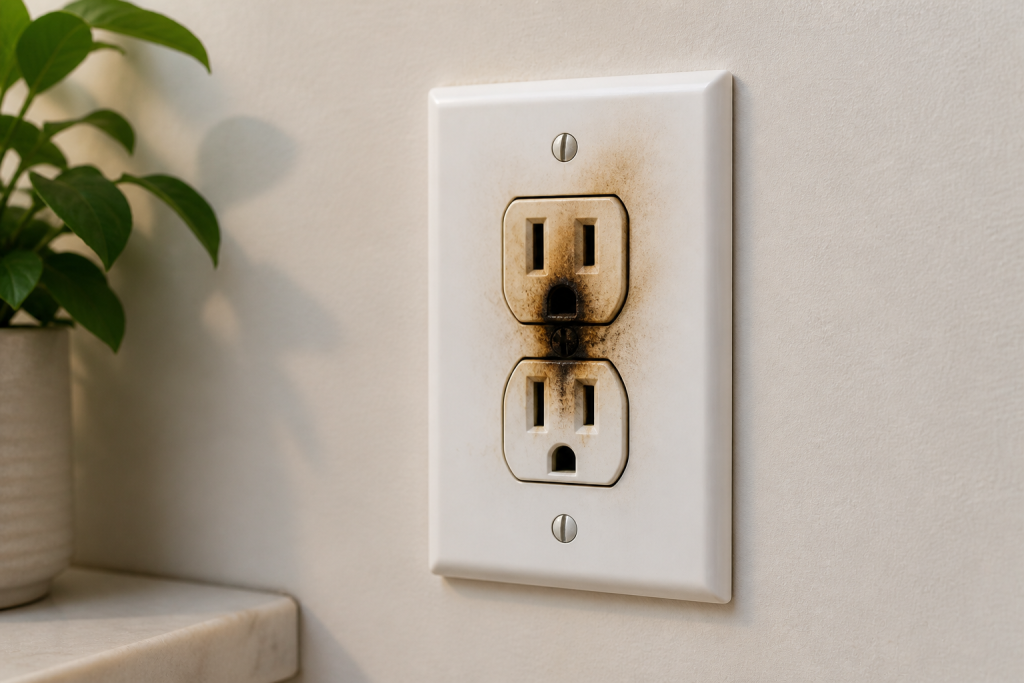
Turn off power and inspect the outlet for:
- Burn marks
- Cracks
- Discoloration
If you see any of these, the outlet likely needs replacement.
For more electrical safety tips, refer to the U.S. Consumer Product Safety Commission guidelines on preventing electrical hazards in your home.
6. Tighten Loose Wiring (Advanced DIY)
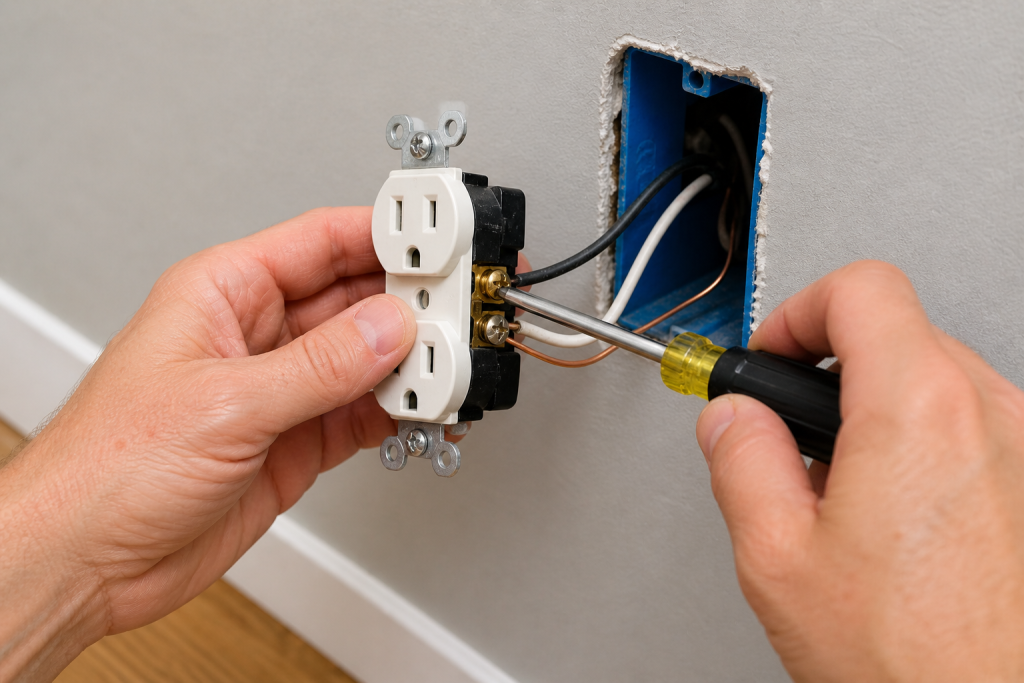
Turn off power at the breaker first.
Remove the outlet cover and check:
- Loose screws
- Wires slipping out
Tighten connections carefully.
7. Replace the Outlet
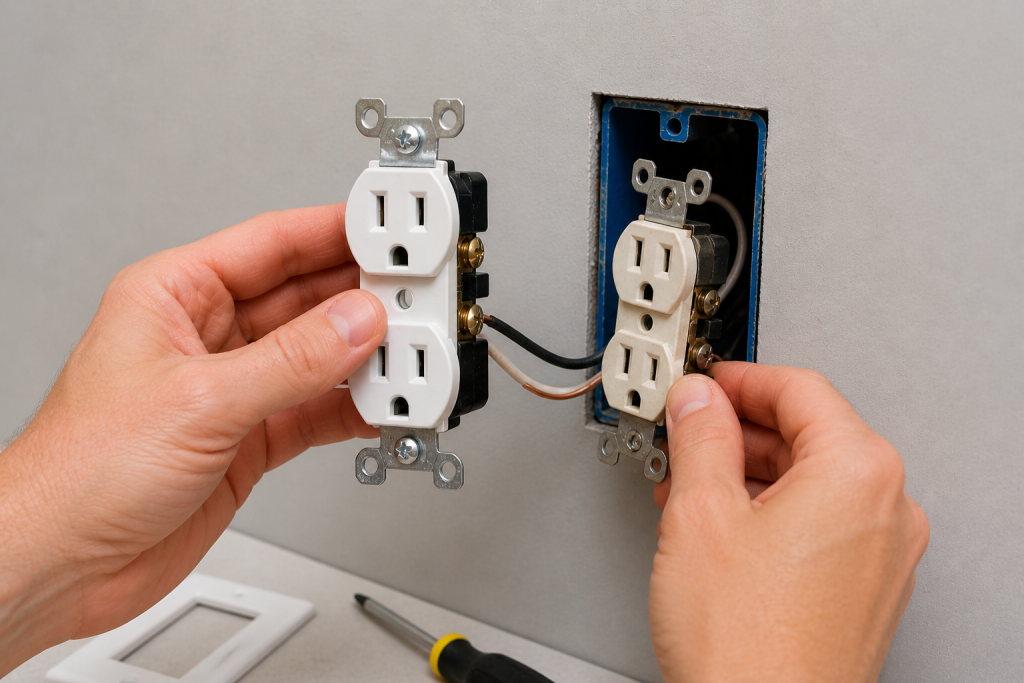
If nothing else works, the outlet may be worn out.
Replacing an outlet is inexpensive and often solves the problem completely. You can find a replacement electrical receptacle on Amazon. Choose the appropriate type and rating for your installation.
Learning to fix small problems like this can save money on many common home repair issues.
How to Test an Outlet That Has No Power
If your outlet still isn’t working, testing it can help pinpoint the problem:
Use a non-contact voltage tester to check for power
Plug in an outlet tester to see if wiring is correct
Test with a multimeter for more detailed readings
These tools are inexpensive and can quickly confirm whether the outlet is receiving power.
Common Mistakes to Avoid When Fixing an Outlet With No Power
When troubleshooting an outlet works but no power issue, avoid these common mistakes:
- Forgetting to turn off the breaker before inspecting wiring
- Assuming the outlet is bad without checking GFCI outlets first
- Overloading outlets with too many devices
- Using the wrong replacement outlet type
Avoiding these mistakes can save time and prevent further electrical issues.
When to Call a Professional
Call an electrician if:
- Breakers keep tripping
- You smell burning
- Multiple outlets lose power
- You’re unsure about wiring
Electrical issues can escalate quickly—don’t take risks.
Looking for help with another electrical problem? Browse our complete collection of electrical repair and troubleshooting guides.
Frequently Asked Questions
Why does my outlet work but no power is coming through?
If your outlet works but no power is coming through, the most common causes are a tripped circuit breaker, a tripped GFCI outlet, loose wiring, or a switched (half-hot) outlet. Start by checking your breaker panel and resetting nearby GFCI outlets before inspecting the outlet itself.
What does it mean when an outlet works but no power is available?
When an outlet works but no power is available, it usually means electricity is being interrupted somewhere in the circuit. This can happen due to a GFCI trip, a loose wire, or a faulty outlet that needs to be replaced.
Can an outlet work but still have no power without tripping the breaker?
Yes, an outlet can work but still have no power even if the breaker hasn’t tripped. This is often caused by a tripped GFCI outlet, loose wiring, a bad outlet, or a half-hot outlet controlled by a wall switch.
How do I fix an outlet that works but has no power?
To fix an outlet that works but has no power, follow these steps:
- Check for a tripped circuit breaker
- Reset nearby GFCI outlets
- Test the device or plug
- Inspect for loose wiring
- Replace the outlet if needed
Why would only one outlet work but no power be available?
If only one outlet works but no power is available, the issue is often isolated to that outlet. Common causes include a loose connection, a damaged outlet, or a downstream GFCI that has tripped.
Is it safe to fix an outlet that works but has no power?
Basic fixes like resetting a breaker or GFCI outlet are safe for most homeowners. However, if you need to inspect wiring, always turn off power at the breaker first. If you’re unsure, contact a licensed electrician.
What does it mean if an outlet has burn marks but no power?
Burn marks on an outlet indicate overheating or damaged wiring. If your outlet works but no power is present and you see burn marks, stop using it immediately and replace the outlet or call an electrician.
How long does it take to fix an outlet that works but has no power?
Most issues can be fixed in under 5 minutes, especially if the cause is a tripped breaker or GFCI outlet. More advanced fixes, like replacing the outlet or repairing wiring, may take 15 to 30 minutes.
When should I call an electrician for an outlet with no power?
Call an electrician if your outlet works but no power is restored after basic troubleshooting, if you see burn marks, if breakers keep tripping, or if multiple outlets are affected.er keeps tripping, multiple outlets have no power, or you’re not comfortable working with electrical wiring.