
Last updated: September 20, 2026
By Home Repair Genie
Fix a Tripped Circuit Breaker Quickly and Safely
If part of your home suddenly loses power, you may need to fix a tripped circuit breaker. This is one of the most common electrical problems homeowners face—and in most cases, you can fix it in just a few minutes without calling an electrician.
Circuit breakers are designed to protect your home from overloads and electrical fires. When one trips, it shuts off power to prevent damage. In this guide, you’ll learn exactly how to fix a tripped circuit breaker step by step, what causes it, and how to prevent it from happening again.
If your outlets or lights stopped working, you may also need to troubleshoot further—see our guide on how to fix an outlet that’s not working (step-by-step).
Quick Answer
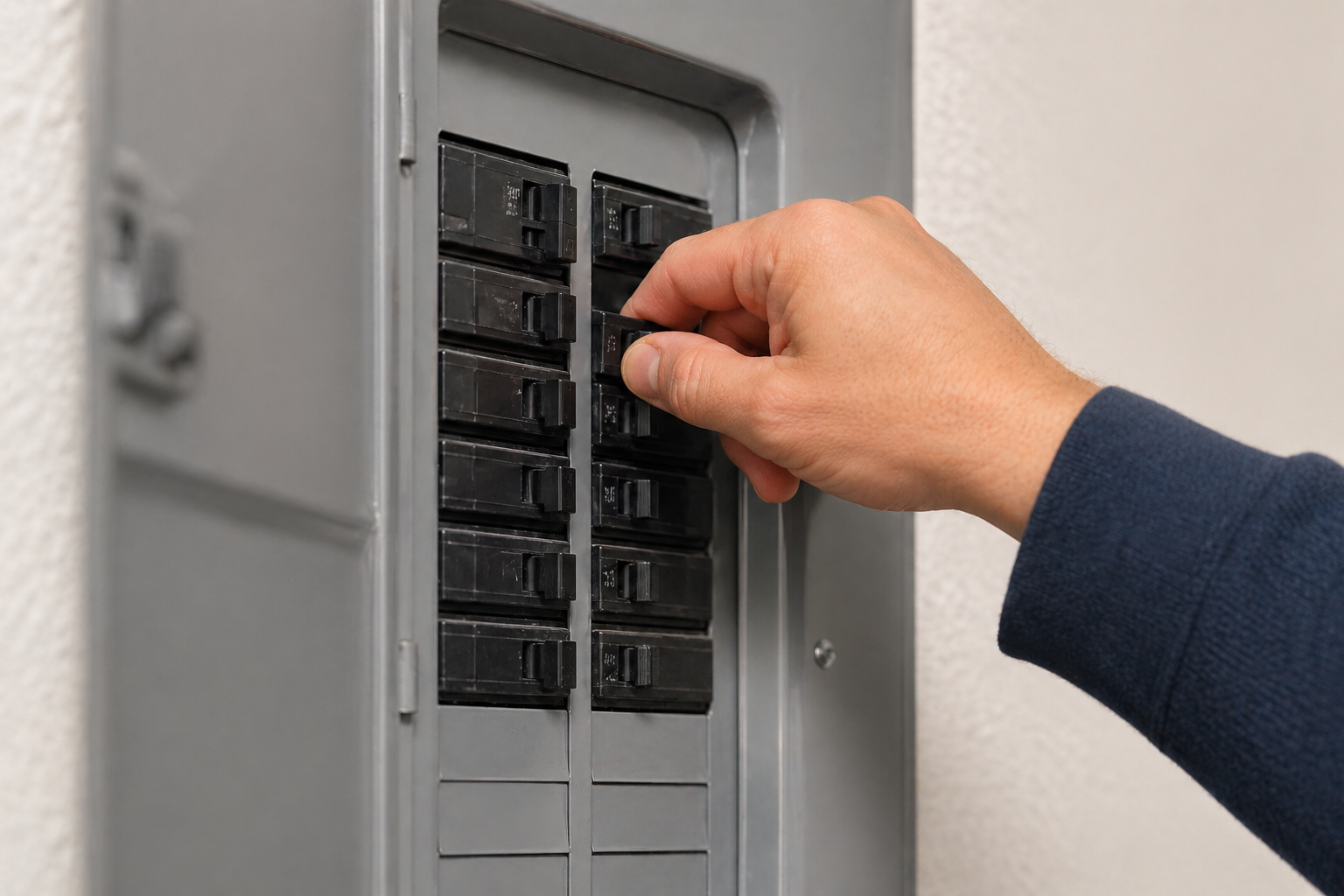
To fix a tripped circuit breaker, locate your electrical panel, find the breaker in the middle position, switch it fully OFF, then back ON. If it trips again, unplug devices and check for overload or damage.
What Causes a Tripped Circuit Breaker?
Understanding why you need to fix a tripped circuit breaker can help you avoid future issues.
Common causes include:
- Overloaded circuit (too many devices plugged in)
- Short circuit (wiring problem)
- Ground fault (water or damaged wiring)
- Faulty appliance drawing too much power
- Aging or worn-out electrical panel
Tools You May Need to Fix a Tripped Circuit Breaker
As an Amazon Associate I earn from qualifying purchases.
- Flashlight (if the room is dark)
- Safety gloves (optional)
- Outlet tester (for troubleshooting recurring issues)
How to Fix a Tripped Circuit Breaker (Step-by-Step)
Step 1: Locate Your Electrical Panel
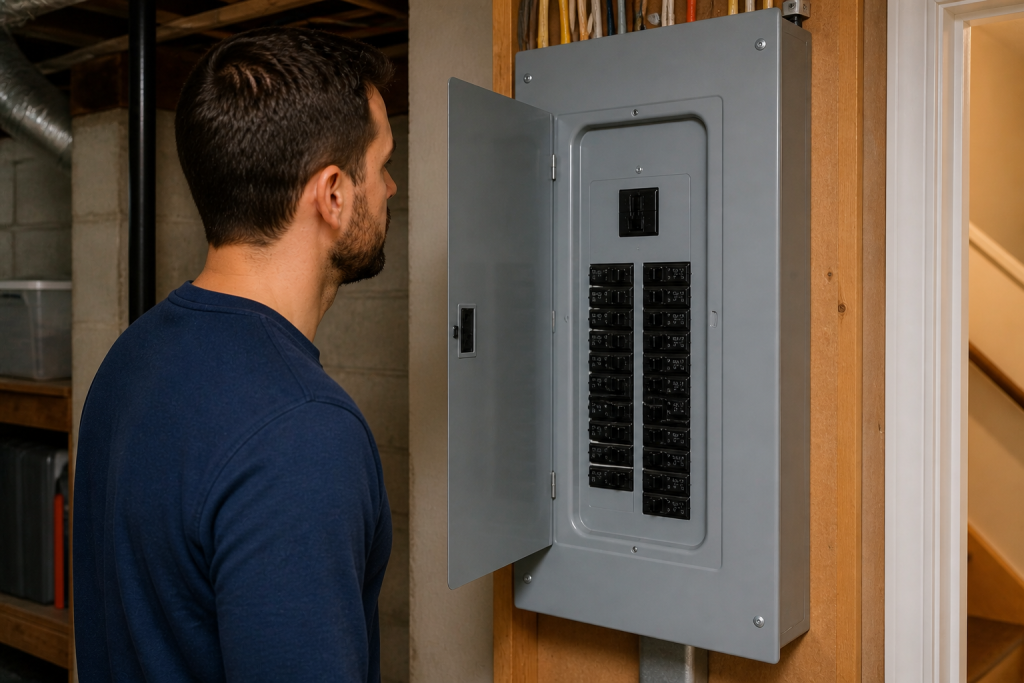
Look in your:
- Basement
- Garage
- Utility room
- Closet
Step 2: Open the Breaker Panel
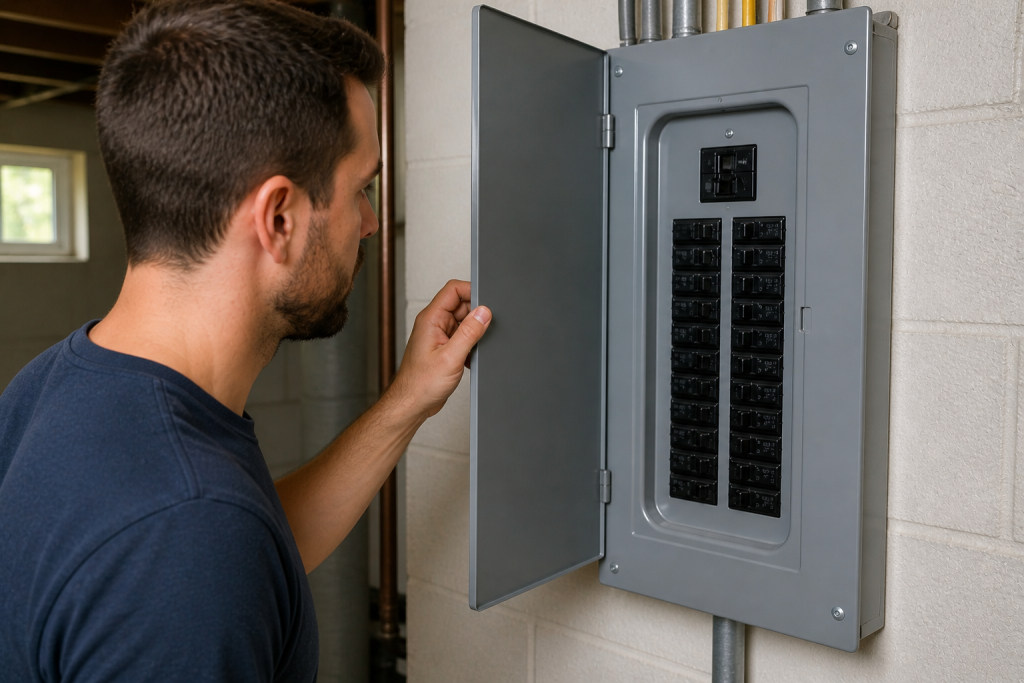
Carefully open the metal door to reveal the switches inside.
Step 3: Identify the Tripped Breaker
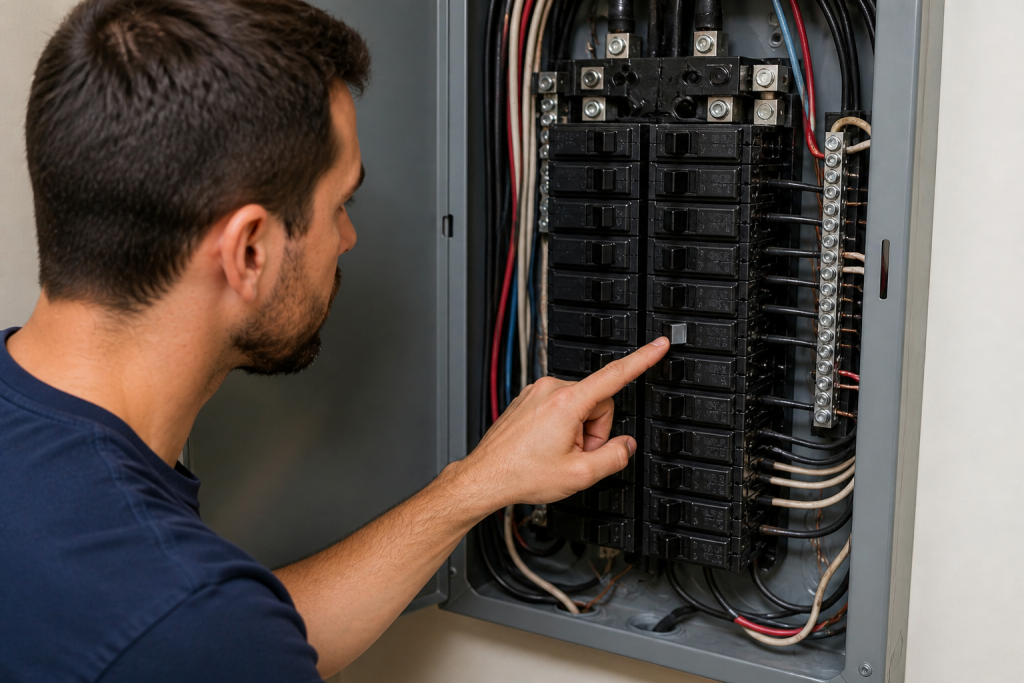
A tripped breaker will:
- Sit between ON and OFF
- Look slightly out of alignment
If resetting the breaker doesn’t restore power, the issue could be deeper—check out how to fix an outlet that’s not working for additional troubleshooting steps.
Step 4: Turn Off Devices on the Circuit
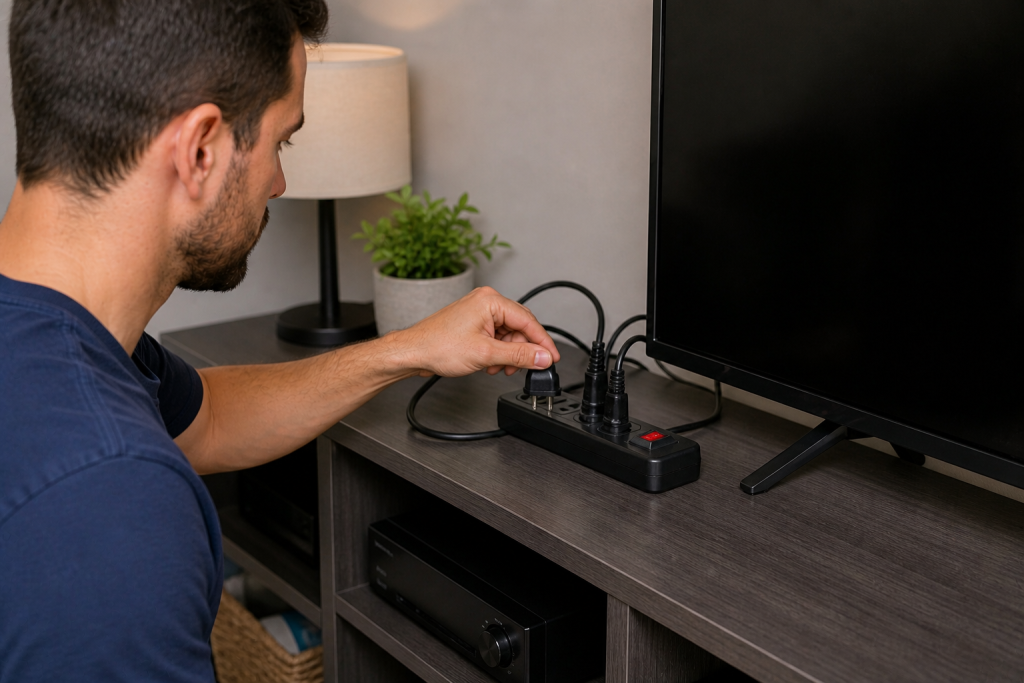
Before you reset it:
- Unplug appliances
- Turn off lights
This prevents an immediate re-trip.
Step 5: Reset the Breaker Properly
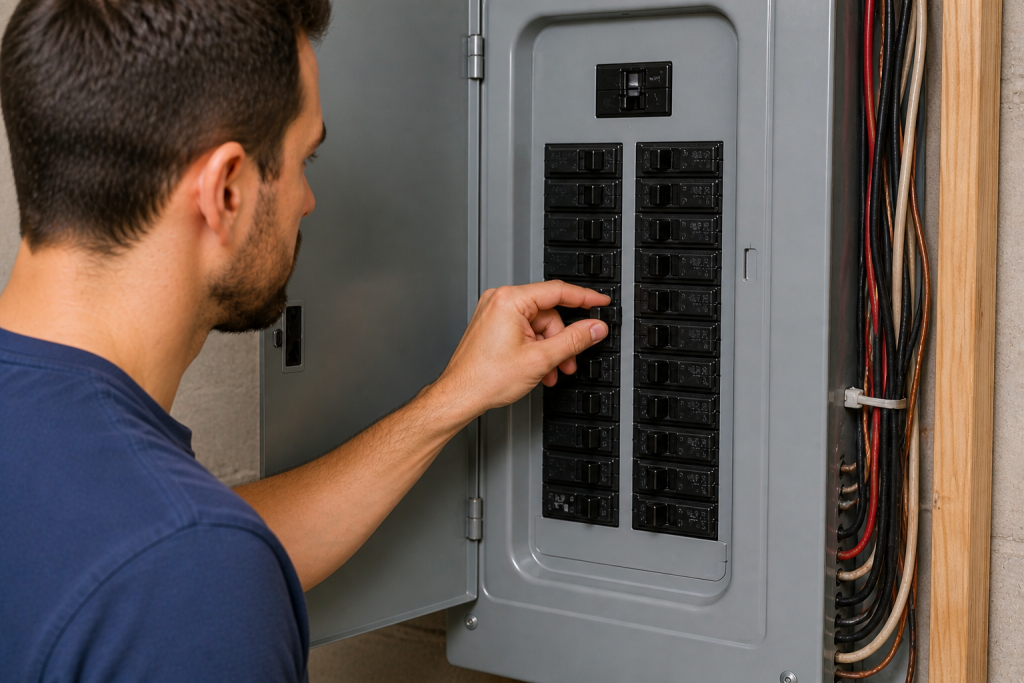
To fix a tripped circuit breaker, you must fully reset it:
- Push the breaker firmly to OFF
- Then flip it back to ON
You should feel a solid click.
If the breaker trips again after resetting, it could be caused by a faulty appliance or wiring issue—see why your lights are flickering and how to fix it for related electrical problems.
Step 6: Restore Power Gradually
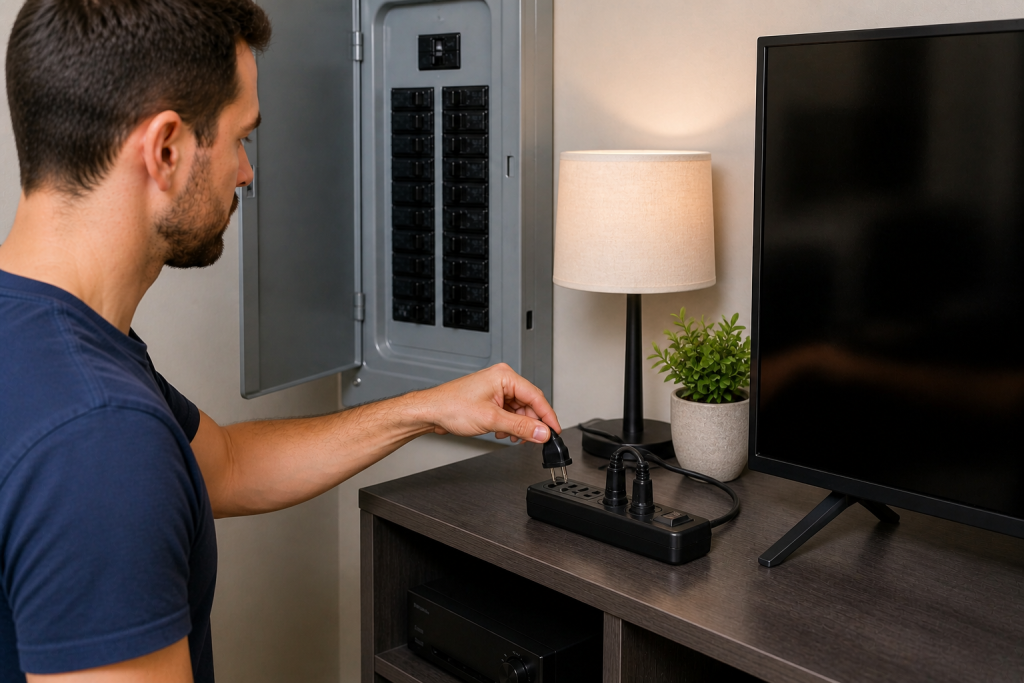
Turn devices back on one at a time. If the breaker trips again, you’ve likely found the problem device.
Step 7: Check for Overloaded Circuits
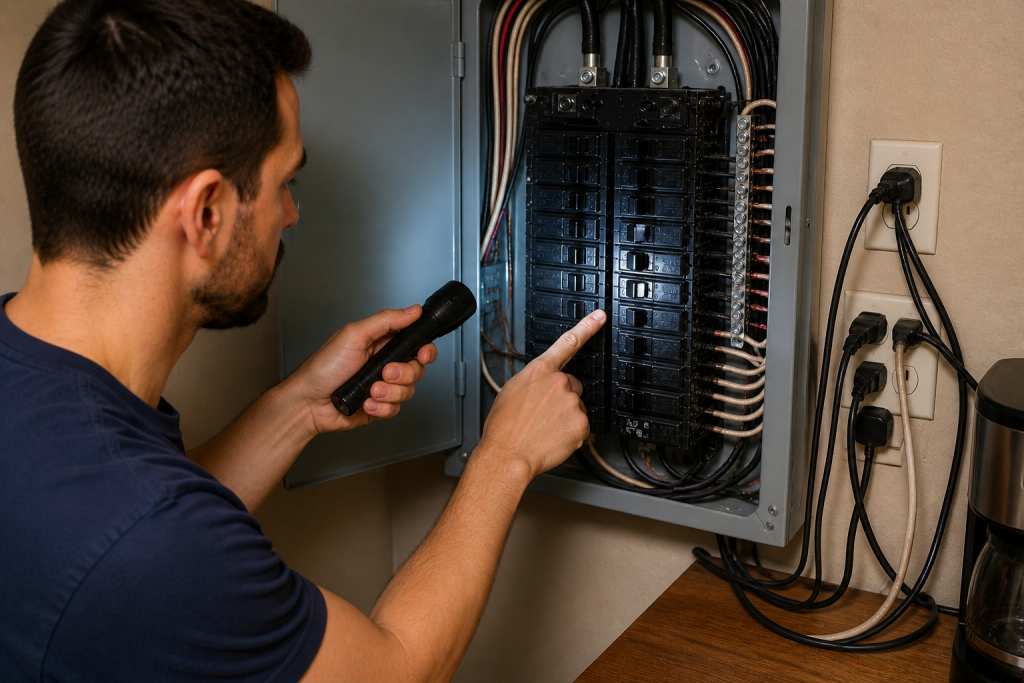
Avoid plugging too many high-power devices into one circuit. Common culprits include:
- Space heaters
- Microwaves
- Hair dryers
Step 8: Look for Signs of Damage
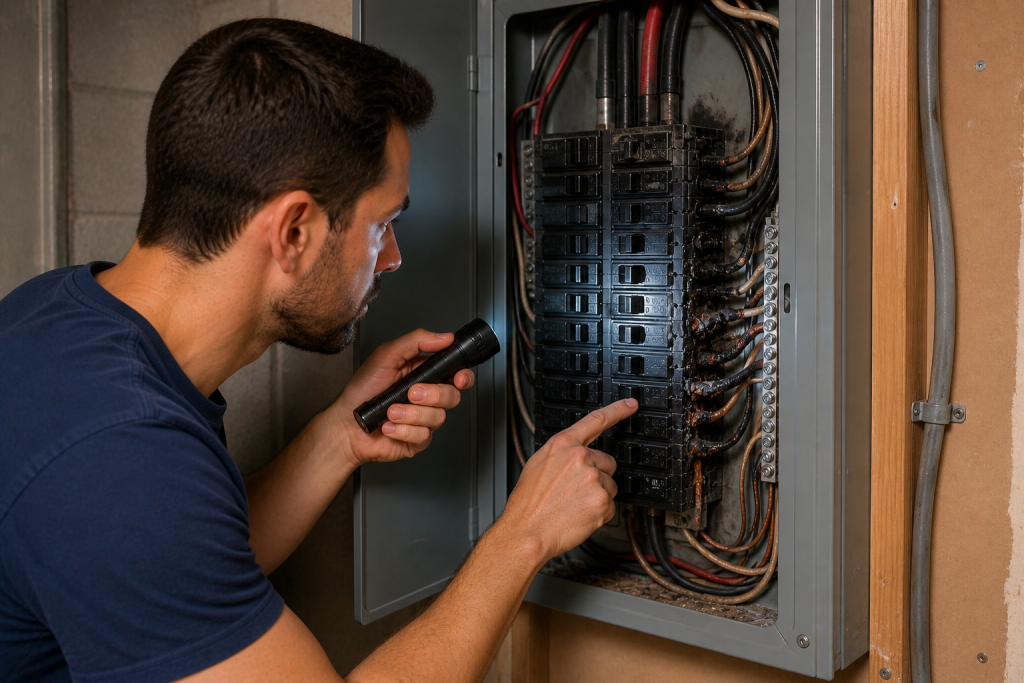
Do NOT continue if you notice:
- Burning smell
- Melted wires
- Scorch marks
Step 9: Test and Monitor the Breaker
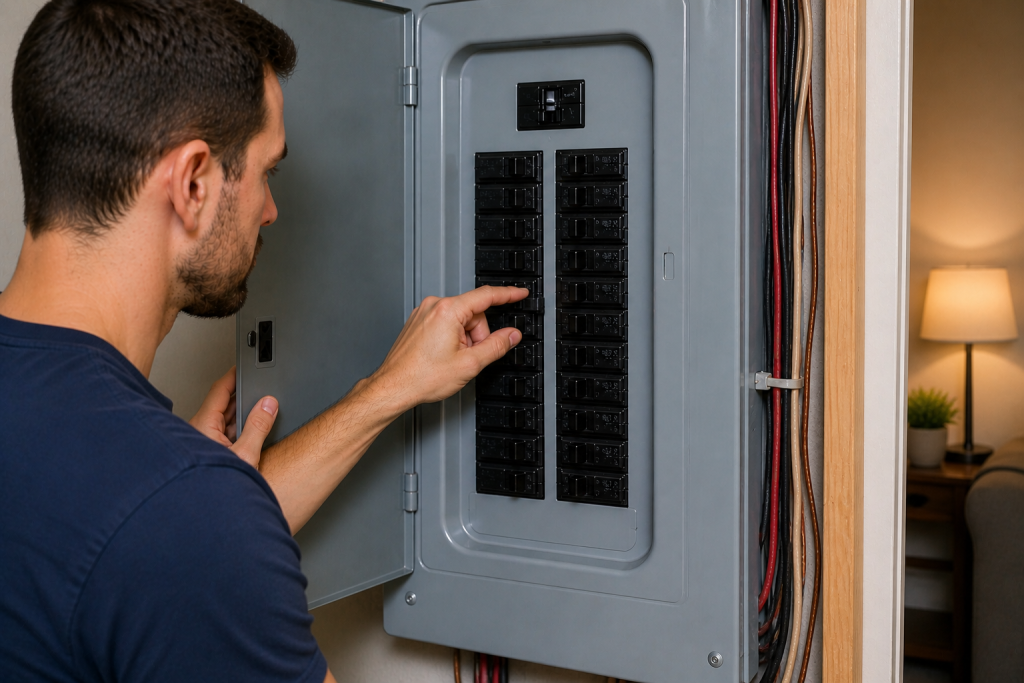
If the breaker keeps tripping, the issue may be deeper than a simple overload.
When to Call a Professional Electrician
You should stop and call an electrician if:
- The breaker won’t reset
- It trips immediately after resetting
- You hear buzzing sounds
- You see sparks or smell burning
- Your panel is outdated or uses fuses
How to Prevent a Tripped Circuit Breaker
To avoid needing to fix a tripped circuit breaker again:
- Spread electrical usage across circuits
- Upgrade old wiring or panels
- Avoid extension cord overuse
- Install dedicated circuits for large appliances
- Keep moisture away from outlets
For additional electrical safety guidance,
Visit the Electrical Safety Foundation International.
Check out these other great home repair guides
- 9 Simple Fixes for AC Blowing Warm Air (Step-by-Step Guide)
- 5 Genius Ways on How to Fix a Door Rubbing at the Top Corner (Easy DIY Guide)
- Why Your Sink Is Dripping: 7 Causes and Easy Fixes That Work
FAQs About How to Fix a Tripped Circuit Breaker
Why does my circuit breaker keep tripping?
A circuit breaker usually trips due to an overloaded circuit, short circuit, or ground fault. This happens when too many devices draw power at once or when there’s a wiring issue. If your breaker keeps tripping repeatedly, unplug devices and test again. If the problem continues, it may require an electrician.
Is it safe to reset a tripped circuit breaker?
Yes, it is generally safe to reset a tripped circuit breaker once or twice. However, if it trips again immediately, do not keep resetting it. Repeated tripping is a warning sign of a deeper electrical problem that should be addressed.
How do I know which breaker is tripped?
A tripped breaker will usually be in the middle position between ON and OFF. Some panels also show a colored indicator. Look for a breaker that doesn’t align with the others in the ON position.
What should I unplug before resetting a breaker?
Before resetting, unplug or turn off devices connected to that circuit, such as:
- Appliances
- Electronics
- Space heaters
- Power strips
This reduces the load and helps prevent the breaker from tripping again.
What happens if a breaker won’t reset?
If a breaker won’t stay in the ON position, it may be:
- Overloaded
- Faulty
- Experiencing a short circuit
Try unplugging everything and resetting again. If it still won’t reset, the breaker or wiring may need professional repair.
How can I prevent a circuit breaker from tripping?
To prevent future issues:
- Avoid plugging too many devices into one outlet
- Spread high-power appliances across different circuits
- Replace damaged cords or devices
- Upgrade circuits if needed
When should I call an electrician?
Call a professional if:
- The breaker trips repeatedly
- You notice burning smells or scorch marks
- The panel feels warm
- The breaker won’t reset
These can indicate serious electrical hazards.
Can a bad breaker cause power issues?
Yes, a faulty breaker can cause:
- Intermittent power loss
- Frequent tripping
- Failure to reset
In this case, the breaker itself may need replacement.
Looking for help with another electrical problem? Browse our complete collection of electrical repair and troubleshooting guides.
Final Thoughts
Knowing how to fix a tripped circuit breaker is a must-have skill for homeowners. Most of the time, the fix is simple—but repeated issues should never be ignored. Staying proactive helps keep your home safe and your electrical system running smoothly.