
Last updated: September 20, 2026
By Home Repair Genie
Fix outlet not working issues quickly by following a few simple troubleshooting steps that most homeowners can do in minutes.
Common causes include a tripped breaker, a GFCI outlet that needs resetting, or loose wiring behind the outlet.
In this step-by-step guide, you’ll learn exactly how to diagnose and fix the problem safely.
If you’re also noticing issues with lighting in your home, you may want to learn more about why lights are flickering and what it could mean for your electrical system.
Quick Answer:
To fix an outlet that’s not working, first check your circuit breaker and reset any tripped switches. Then reset nearby GFCI outlets, test the outlet, and inspect wiring if needed. Most outlet problems are caused by simple issues like a tripped breaker or loose connection.
As an Amazon Associate I earn from qualifying purchases.
Tools & Materials Needed
- Outlet tester or voltage tester (reliable option here)
- Multi-bit screwdriver set (grab one here)
- Flashlight like this one
- Replacement outlet (if needed)
Common Reasons an Outlet Stops Working
- Tripped circuit breaker
- Tripped GFCI outlet
- Loose wiring
- Burned-out outlet
- Faulty upstream outlet
If your outlet issue is related to your HVAC system, you may also want to check out AC not turning on but thermostat is working for additional troubleshooting.
Step-by-Step: How to Fix Outlet Not Working
Step 1: Check the Circuit Breaker (First Step to Fix Outlet Not Working)
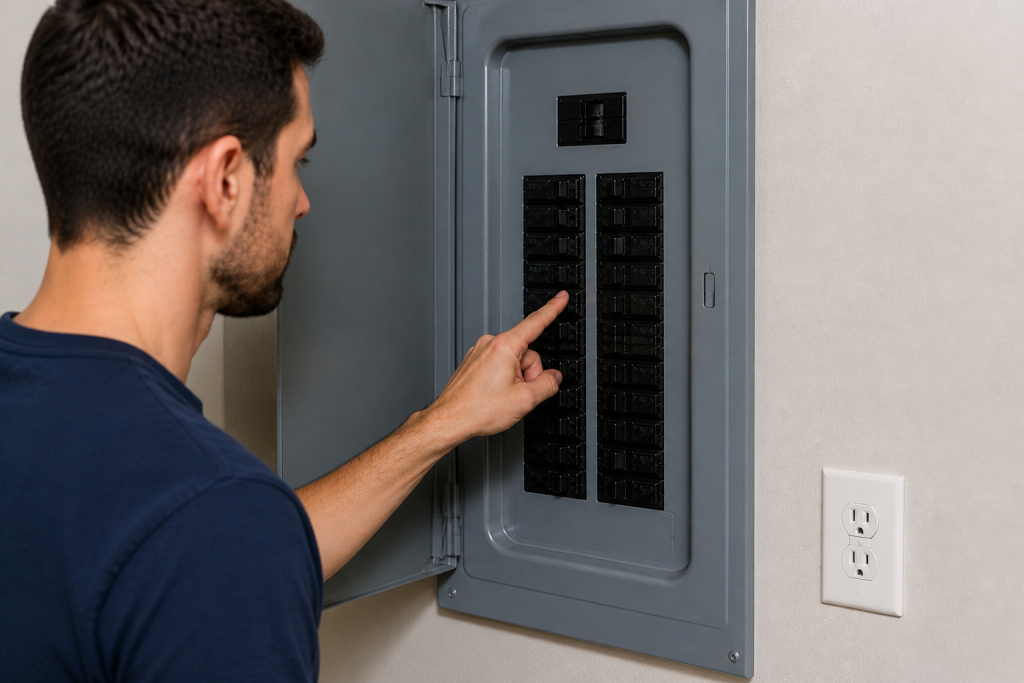
- First, check your breaker panel. If you’re unsure how, follow this guide on how to fix a tripped circuit breaker.
- Look for a breaker in the middle position
- Flip it OFF, then back ON
This is the most common fix for outlet not working issues
Step 2: Reset GFCI Outlet to Fix Outlet Not Working
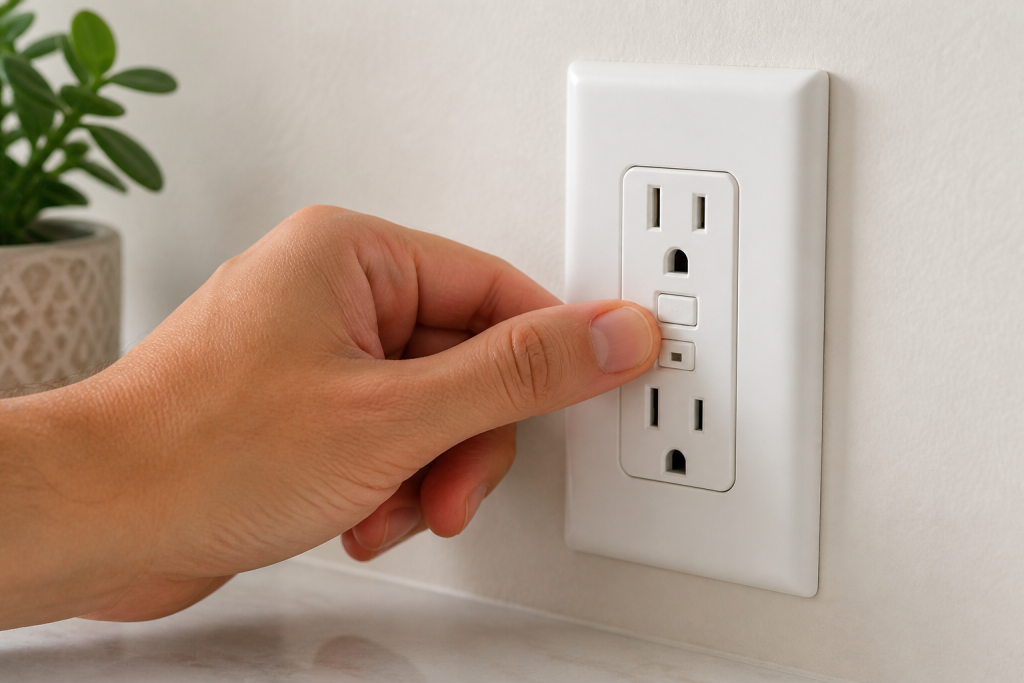
- Check kitchens, bathrooms, garage, and outdoors
- Press the RESET button
- Test the outlet again
Step 3: Test the Outlet
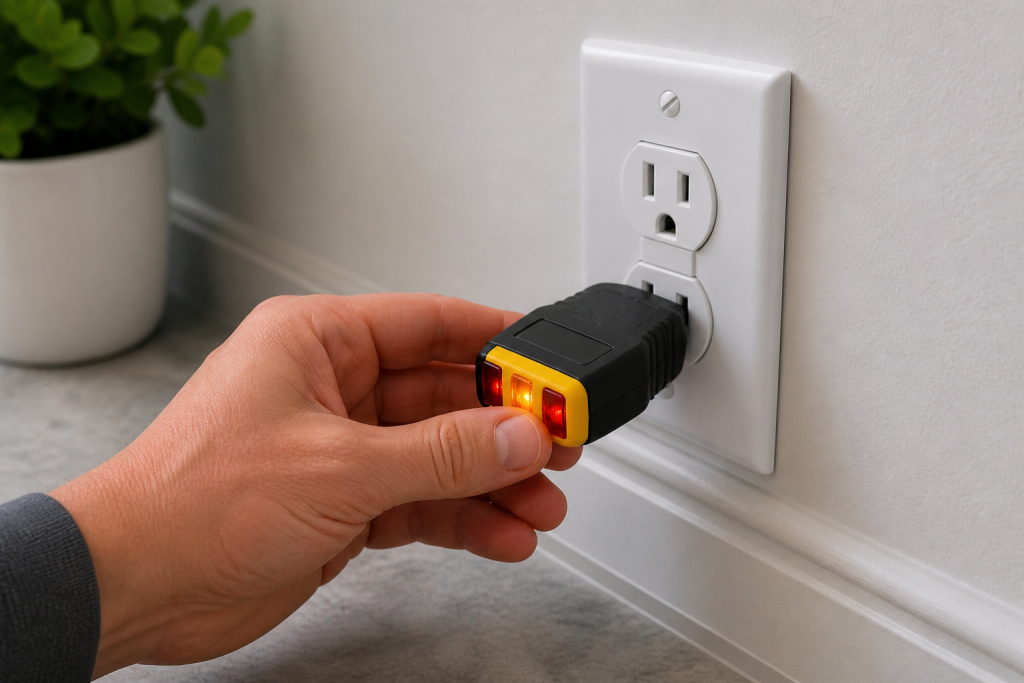
- Plug in a working device
- Use an outlet tester like this one
Step 4: Turn Off Power at the Breaker
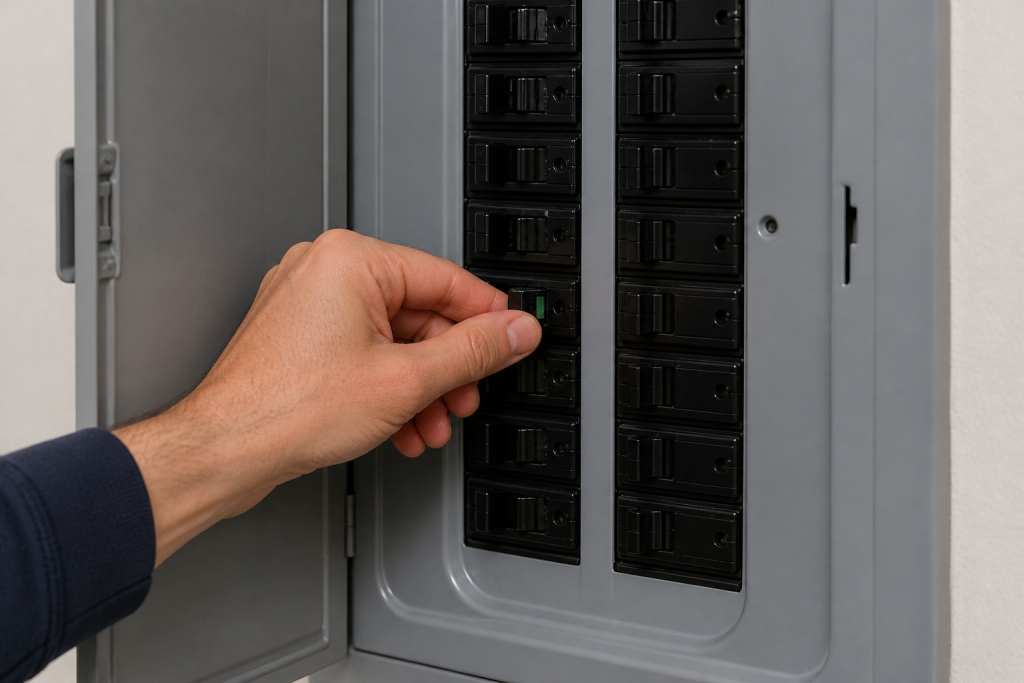
Always shut off power before opening the outlet.
At this point, if you still need to fix outlet not working issues, the problem may be inside the outlet wiring or connections.
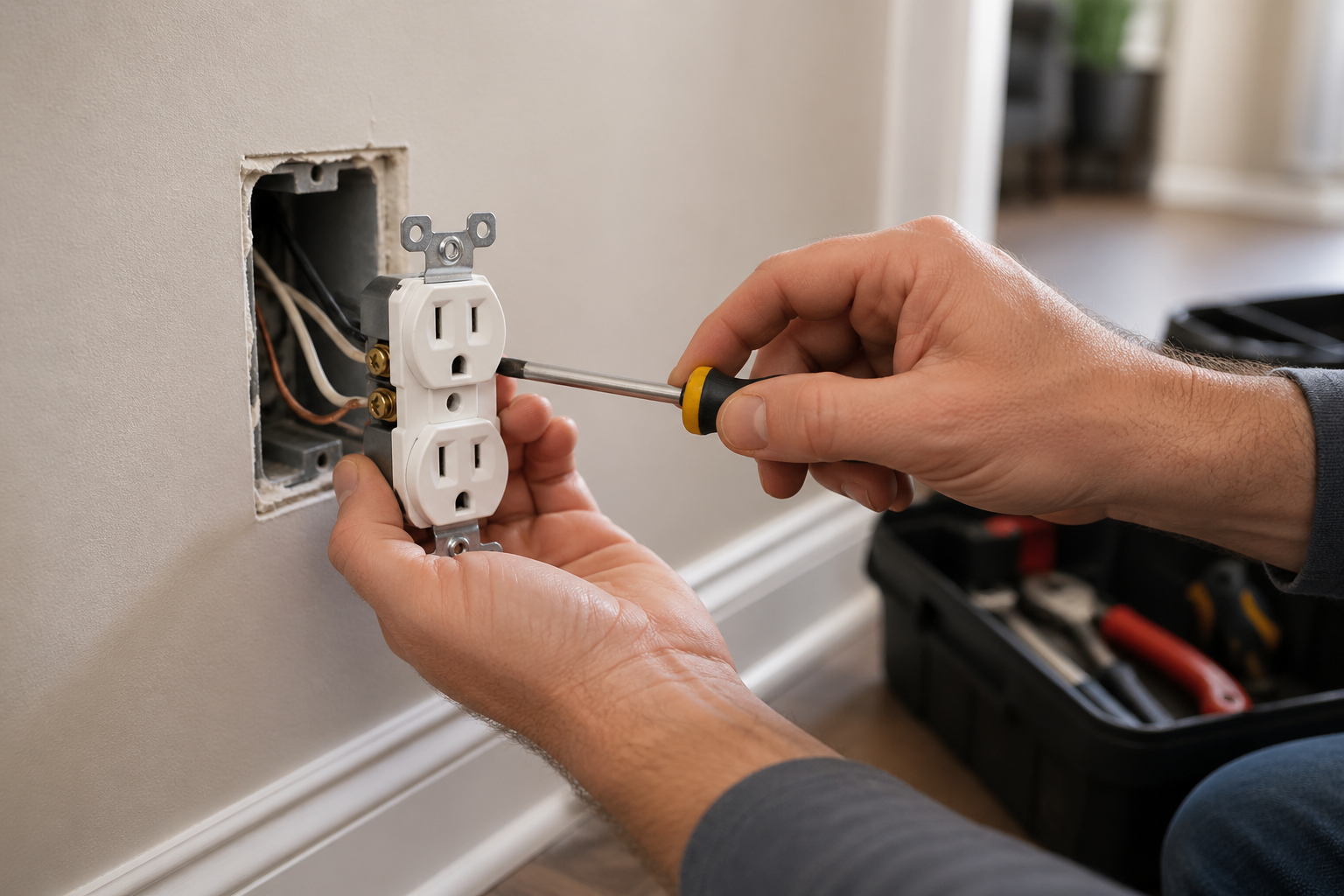
Step 5: Remove the Outlet Cover
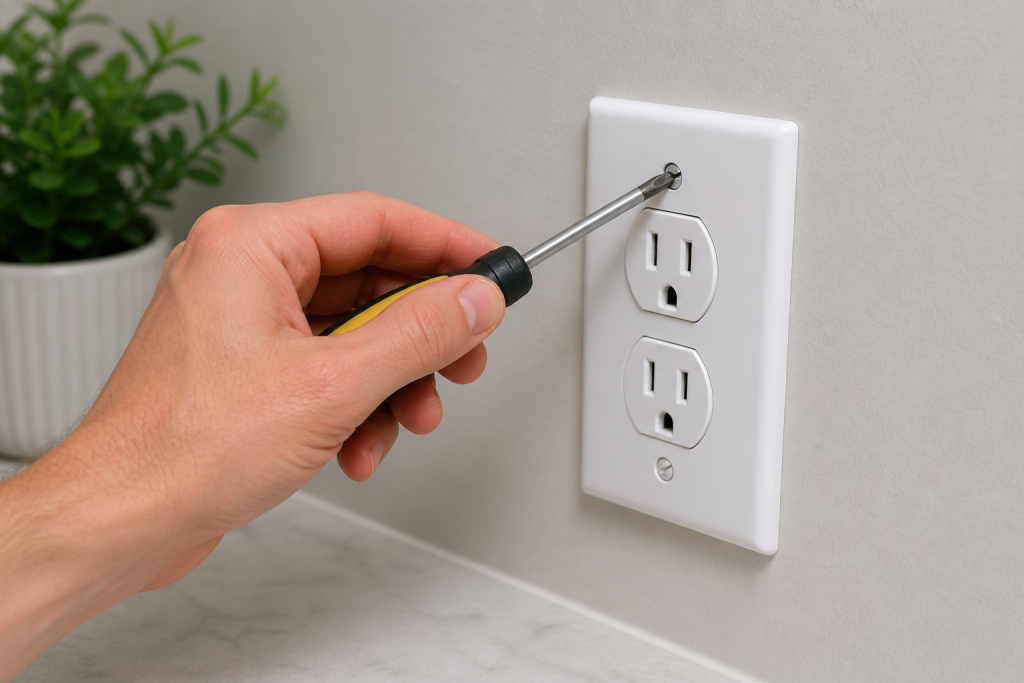
- Unscrew the faceplate
- Remove mounting screws
Step 6: Inspect the Wiring
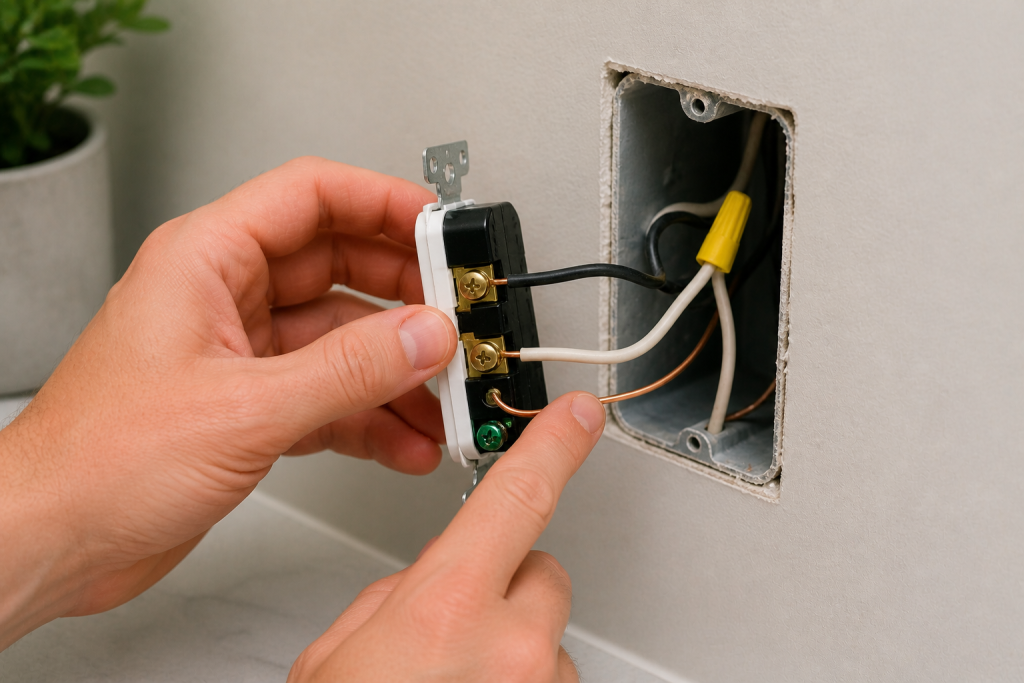
Look for:
- Loose wires
- Burn marks
- Damaged insulation
Step 7: Tighten or Reconnect Wires
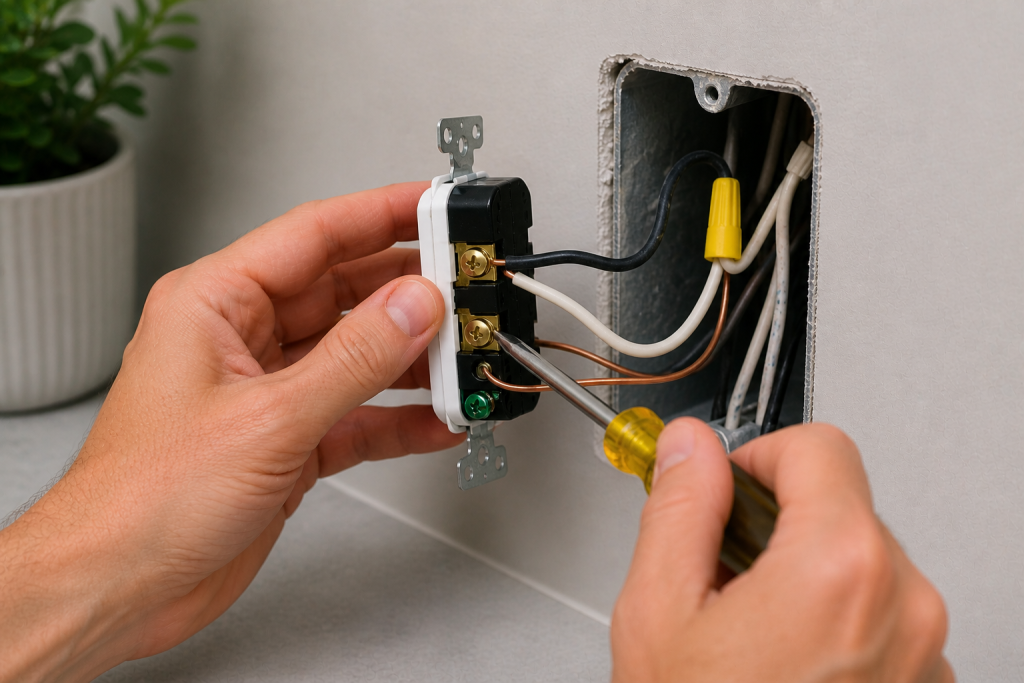
- Secure wires to terminals
- Ensure tight connections
Step 8: Replace the Outlet (If Needed)
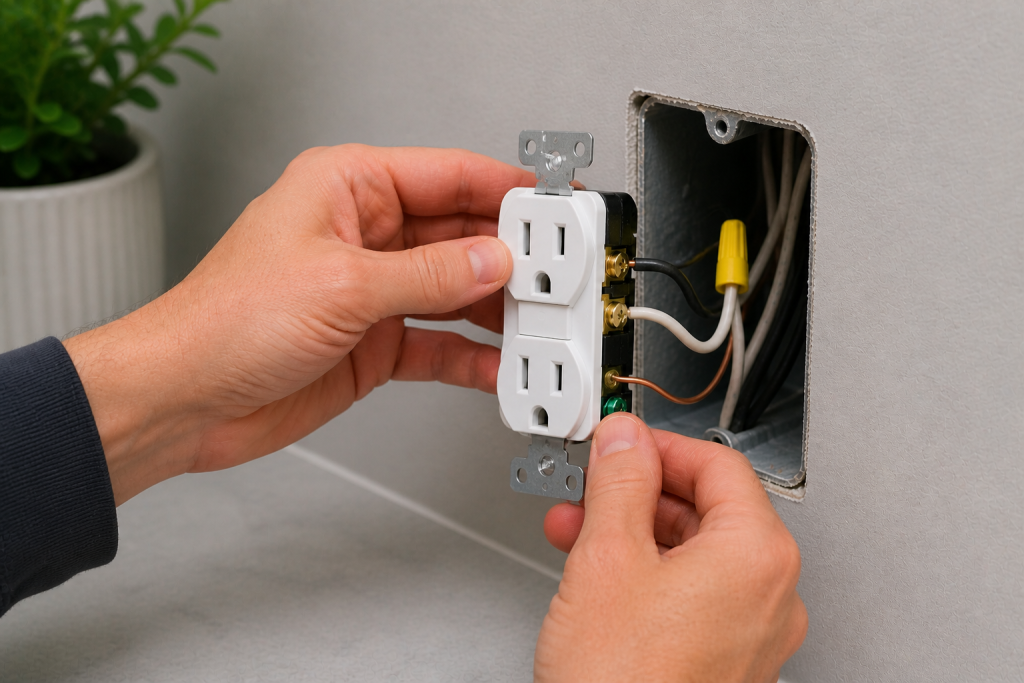
If the outlet is damaged:
- Replace it with a new one
- Match wire placement exactly
Step 9: Restore Power and Test
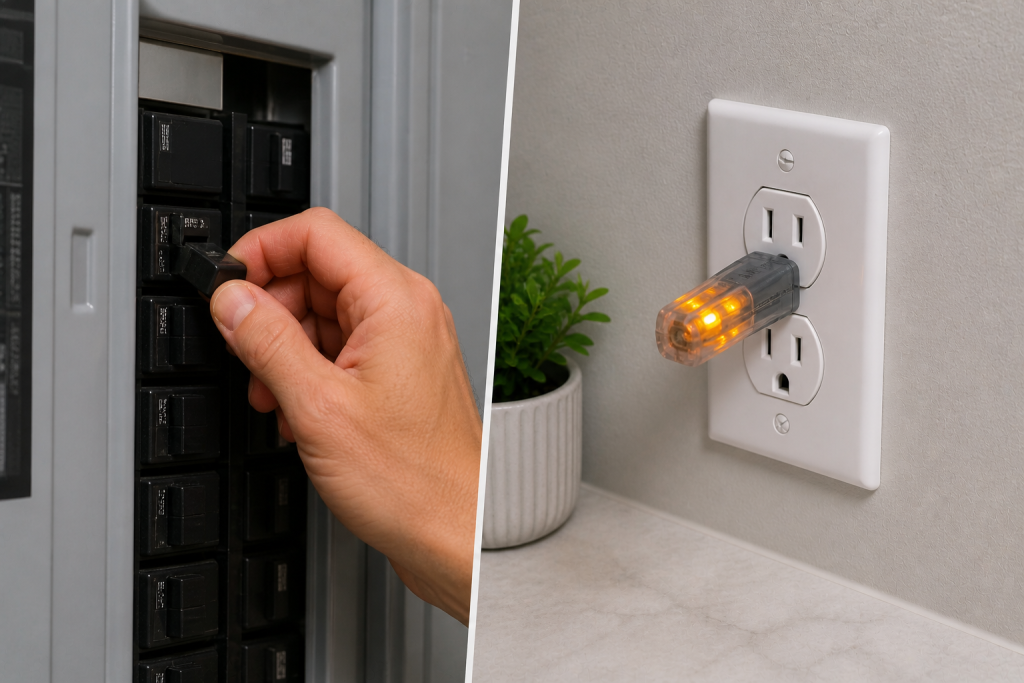
- Turn breaker back ON
- Test the outlet
How to Tell If the Outlet Is Completely Dead
- Try multiple devices
- Use an outlet tester
- Check nearby outlets
If nothing works, you may need deeper troubleshooting to fix outlet not working issues.
Electrical problems can also affect HVAC components—see AC fan not spinning but unit is on for a related issue.
GFCI vs Standard Outlets (Important)
- GFCI outlets have TEST/RESET buttons
- They shut off power for safety
- One GFCI can control multiple outlets
Always check GFCI outlets first when trying to fix outlet not working problems.
What If the Outlet Still Doesn’t Work?
- The outlet may be worn out
- Wiring may be loose
- A breaker may be failing
At this point, fixing outlet not working may require replacing the outlet or calling a professional.
How Much Does It Cost to Fix an Outlet?
- DIY fix: $0–$20
- Replace outlet: $5–$15
- Electrician: $100–$250
When to Call a Professional Electrician
- Burning smell
- Sparks
- Multiple outlets not working
- You’re unsure about wiring
How to Prevent Outlet Problems
- Avoid overloading outlets
- Replace old outlets
- Use GFCI outlets in wet areas
- Inspect wiring periodically
Are Dead Outlets Dangerous?
In many cases, a dead outlet is just an inconvenience—but sometimes it can signal a bigger issue. If you’re trying to fix outlet not working problems, pay attention to warning signs like:
- Burn marks or discoloration
- A burning smell
- Warm or hot outlet covers
- Sparking when plugging in devices
These can indicate overheating or wiring problems, which may pose a fire risk. If you notice any of these signs, stop troubleshooting and contact a licensed electrician immediately.
Frequently Asked Questions: Fix an Outlet That’s Not Working
Why is my outlet not working but the breaker isn’t tripped?
If your outlet is not working and the breaker isn’t tripped, the issue is often a tripped GFCI outlet, loose wiring, or a damaged outlet. Check nearby GFCI outlets (in bathrooms, kitchens, or garages) and press the reset button. If that doesn’t work, the problem may be inside the outlet itself.
How do I know if an outlet is bad?
Signs of a bad outlet include:
- No power even after resetting the breaker
- Burn marks or discoloration
- Loose plugs that won’t stay in place
- A burning smell
If you notice these, the outlet may need to be replaced.
Can I fix outlet not working issues myself?
Yes, many homeowners can fix an outlet that’s not working if the issue is simple, such as a tripped breaker or loose wire. However, always turn off power at the breaker before working on wiring. If you’re unsure or see damage, it’s safer to call an electrician.
What is a GFCI outlet and why does it trip?
A GFCI (Ground Fault Circuit Interrupter) outlet is designed to shut off power when it detects moisture or electrical imbalance. It commonly trips in kitchens, bathrooms, garages, and outdoor areas. Resetting the GFCI outlet often restores power to multiple outlets on the same circuit.
Why did only one outlet stop working?
If only one outlet stopped working, it’s likely due to:
- A loose wire connection
- A worn-out outlet
- A tripped GFCI upstream
This is usually a localized issue rather than a whole-circuit problem.
What should I do if multiple outlets are not working?
If multiple outlets are not working, check:
- Your circuit breaker panel
- Any GFCI outlets in the area
- Whether the circuit is overloaded
This usually indicates a broader electrical issue affecting the circuit.
When should I call an electrician?
Call a professional if:
- The outlet still doesn’t work after troubleshooting
- You see burn marks or smell something burning
- The breaker keeps tripping
- You’re not comfortable working with electrical wiring
Electrical issues can become serious if not handled properly.
How can I prevent outlets from failing?
To prevent outlet problems:
- Periodically check outlets for wear
- Avoid overloading circuits
- Replace damaged cords and plugs
- Use GFCI outlets in wet areas
Looking for help with another electrical problem? Browse our complete collection of electrical repair and troubleshooting guides.
Final Thoughts
If you need to fix outlet not working issues, these steps will help you safely restore power and prevent future problems. Most fixes are simple, but always prioritize safety when working with electricity.
For more guidance, review these electrical safety tips for homeowners from the U.S. Consumer Product Safety Commission.