
Last updated: October 10, 2026
By Home Repair Genie
Quick Answer
As an Amazon Associate I earn from qualifying purchases.
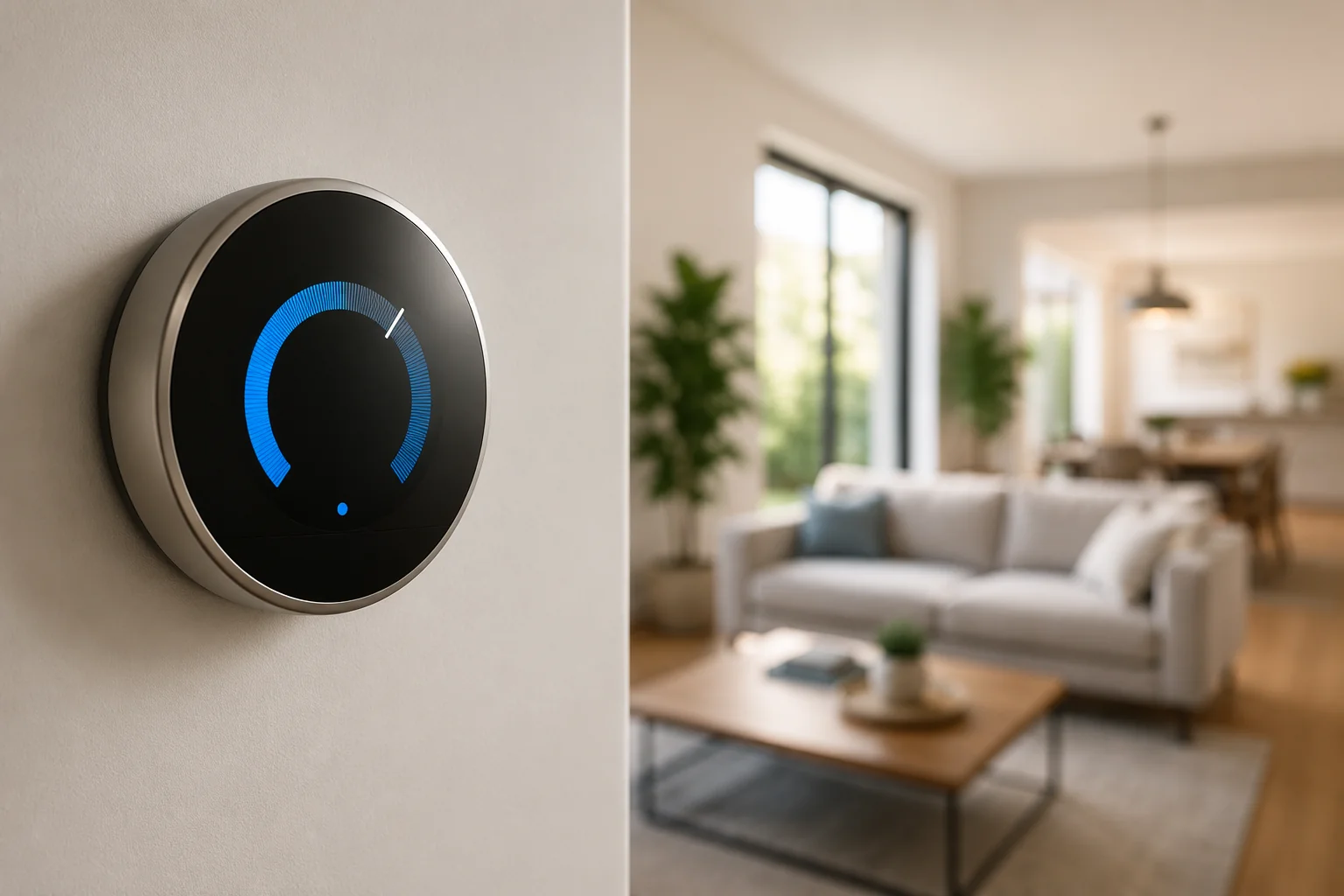
If you’re searching for the best smart thermostats for homeowners, you’ve come to the right place. In this guide, we’ll compare today’s top smart thermostats from Ecobee, Google Nest, Honeywell, Emerson, and Amazon to help you choose the right model for your home and budget.
The best smart thermostat for most homeowners is the Ecobee Smart Thermostat Premium because it offers excellent HVAC compatibility, remote room sensors, strong smart home integration, and impressive energy-saving features. If you’re invested in Google Home, the Google Nest Learning Thermostat (4th Gen) is an excellent alternative, while the Honeywell Home T9 remains one of the best values for homeowners who want room-by-room comfort.
Why Upgrade to a Smart Thermostat?
A smart thermostat does much more than replace your old programmable thermostat. Modern models automatically adjust temperatures based on your schedule, occupancy, weather conditions, and energy-saving preferences.
Benefits include:
- Lower heating and cooling costs
- Remote control from your smartphone
- Voice assistant compatibility
- Automatic scheduling
- Vacation mode
- Maintenance reminders
- Energy usage reports
- Better comfort throughout your home
Many homeowners recover the purchase price through reduced energy consumption over several years.
Our Top Picks
1. Ecobee Smart Thermostat Premium
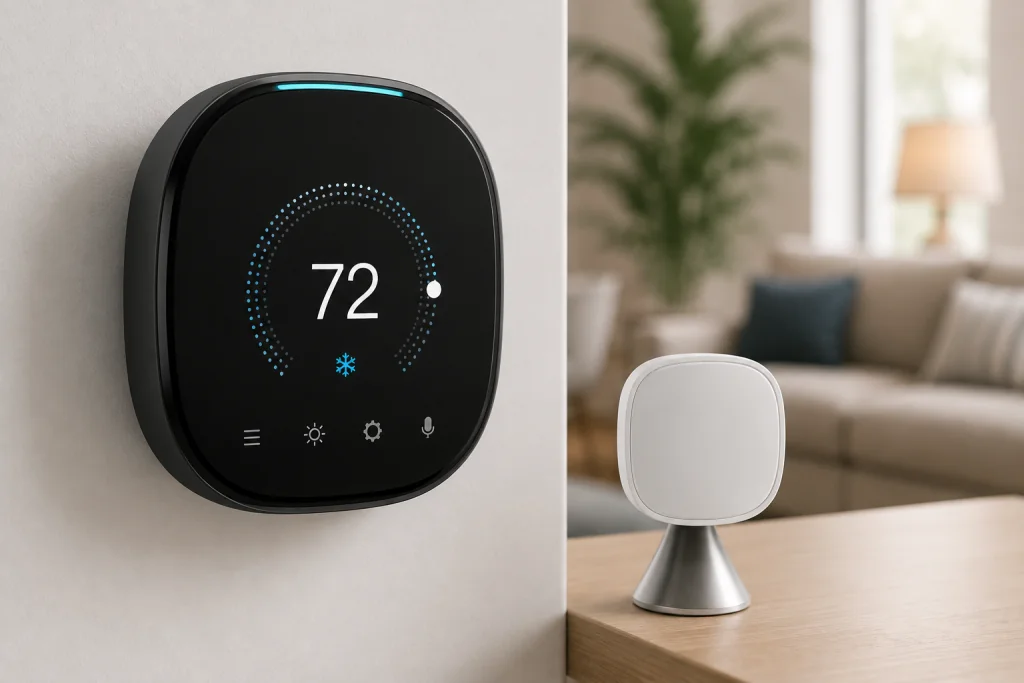
Best Overall
Pros:
- Excellent HVAC compatibility
- Includes SmartSensor for room balancing
- Built-in air quality monitoring
- Works with Alexa, Google Assistant, Apple HomeKit, and Matter
- Detailed energy reports
Cons:
- Higher initial cost
- More settings than some homeowners need
The Ecobee Premium is consistently ranked among the best smart thermostats because it combines broad compatibility with advanced features that actually improve comfort throughout the home.
Check the Ecobee Smart Thermostat Premium on Amazon
2. Google Nest Learning Thermostat (4th Generation)
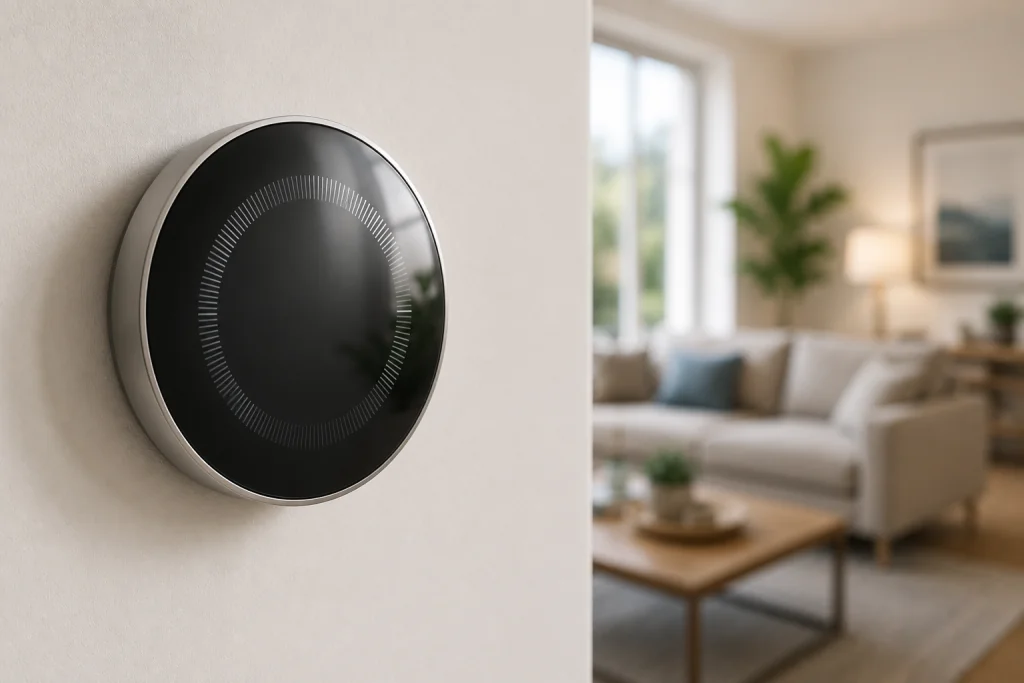
Best for Google Home Users
Pros:
- Learns your schedule automatically
- Beautiful display
- Excellent Google Home integration
- Simple user experience
- Attractive design
Cons:
- Fewer advanced customization options
- Best suited for Google ecosystem users
If you prefer a “set it and forget it” thermostat, Nest remains one of the easiest smart thermostats to live with.
Check the Google Nest Learning Thermostat on Amazon
3. Honeywell Home T9
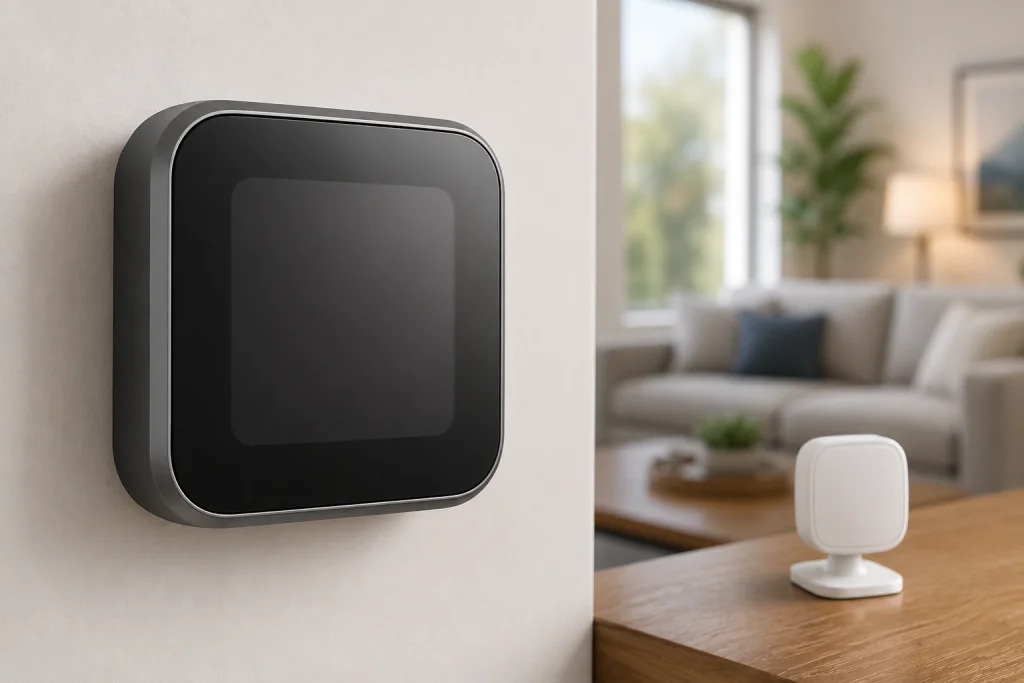
Best Value
Pros:
- Excellent price
- Remote room sensors available
- Strong HVAC compatibility
- Reliable mobile app
- Easy scheduling
Cons:
- Interface is less polished
- Fewer premium features
Honeywell has decades of thermostat experience, and the T9 continues to be one of the safest recommendations for homeowners who want reliability without paying premium prices.
Check the Honeywell Home T9 on Amazon
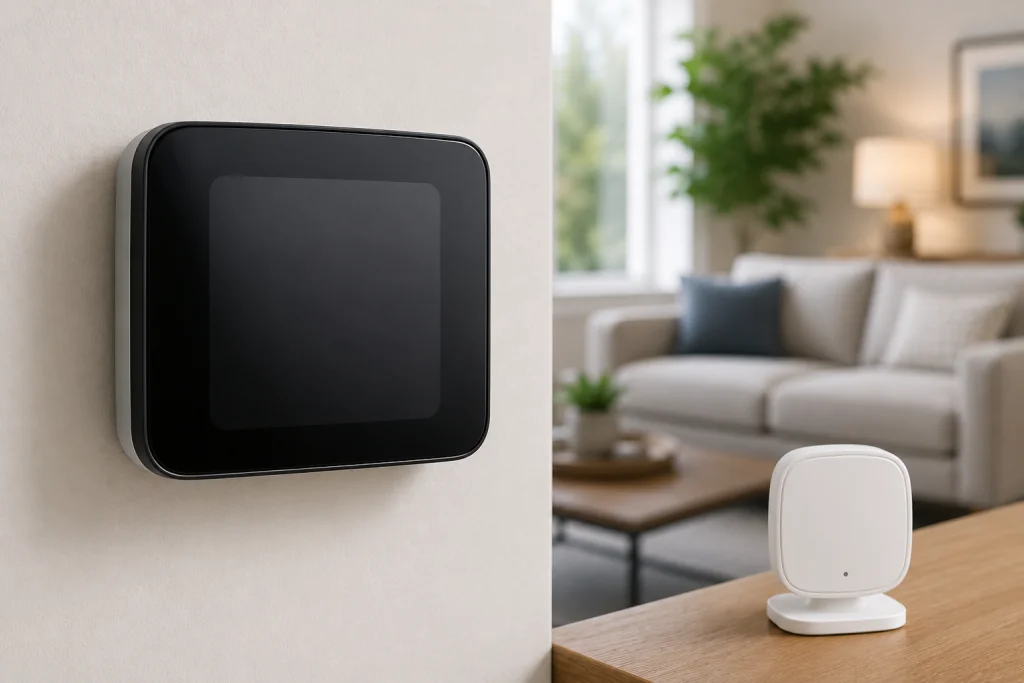
4. Emerson Sensi Touch 2
Best for Simple Installation
Pros:
- Easy DIY installation
- Excellent app
- Strong HVAC compatibility
- Good value
Cons:
- Fewer premium automation features
The Sensi Touch 2 is ideal for homeowners who want dependable smart controls without a complicated learning curve.
Check the Emerson Sensi Touch 2 on Amazon
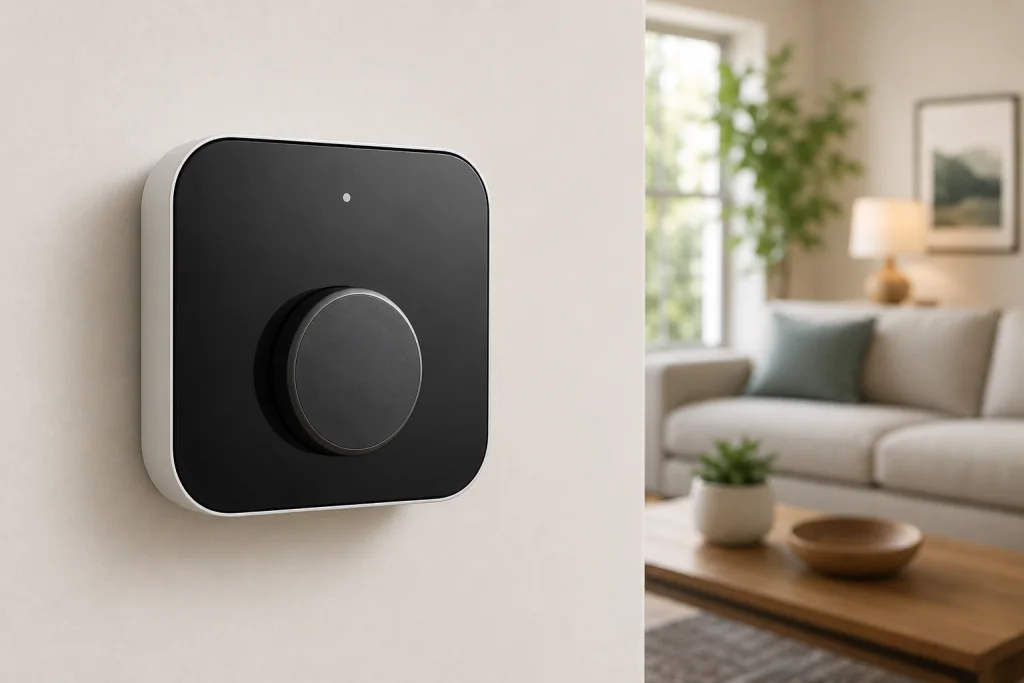
5. Amazon Smart Thermostat
Best Budget Choice
Pros:
- Affordable
- Alexa integration
- ENERGY STAR certified
- Easy scheduling
Cons:
- Limited advanced features
- Best for Amazon households
If you’re entering the smart home world for the first time, this is one of the easiest ways to save money without a large investment.
Check the Amazon Smart Thermostat on Amazon
Smart Thermostat Comparison
| Model | Best For | Remote Sensors | Voice Assistants | Difficulty |
|---|---|---|---|---|
| Ecobee Premium | Most homeowners | Yes | Alexa, Google, Siri | Easy |
| Nest Learning (4th Gen) | Google users | Yes | Google Assistant | Very Easy |
| Honeywell Home T9 | Value | Yes | Alexa, Google | Easy |
| Emerson Sensi Touch 2 | Simplicity | Optional | Alexa, Google | Very Easy |
| Amazon Smart Thermostat | Budget | No | Alexa | Very Easy |
How to Choose the Best Smart Thermostat
Step 1: Verify HVAC Compatibility
Not every thermostat works with every HVAC system.
Check whether your home has:
- Conventional furnace
- Heat pump
- Multi-stage heating
- Boiler
- Zoned HVAC
- Electric heating
Most manufacturers provide online compatibility checkers before purchase.
Step 2: Check for a C-Wire
Many smart thermostats require a common wire (C-wire).
Some models include adapter kits if your existing thermostat wiring doesn’t have one.
Step 3: Consider Your Smart Home Ecosystem
Choose a thermostat that works well with your existing devices.
Examples include:
- Google Home
- Amazon Alexa
- Apple HomeKit
- Samsung SmartThings
- Matter-compatible devices
Staying within your preferred ecosystem usually provides the smoothest experience.
Step 4: Decide if You Need Room Sensors
Large homes often have uneven temperatures.
Remote room sensors allow the thermostat to:
- Measure multiple rooms
- Prioritize occupied spaces
- Reduce hot and cold spots
- Improve overall comfort
This feature can make a noticeable difference in multi-story homes.
Step 5: Compare Energy-Saving Features
Look for features such as:
- Learning schedules
- Occupancy detection
- Vacation mode
- Weather adjustments
- Utility demand response programs
- Energy reports
These features help maximize long-term savings.
Are Smart Thermostats Worth It?
For most homeowners, yes.
Homes with central heating and cooling generally benefit the most because smart thermostats automatically reduce unnecessary heating and cooling when no one is home.
Potential savings depend on:
- Climate
- Home insulation
- HVAC efficiency
- Household schedule
- Existing thermostat habits
Many homeowners notice improved comfort in addition to lower utility bills.
Installation Tips
Most homeowners can install a smart thermostat in under an hour.
Before beginning:
- Turn off HVAC power at the breaker.
- Photograph the existing wiring.
- Label each wire.
- Follow the manufacturer’s setup guide.
- Test heating and cooling before completing installation.
If your system has complicated wiring or multiple zones, hiring an HVAC professional is often worthwhile.
Common Mistakes to Avoid
- Buying without checking HVAC compatibility
- Ignoring C-wire requirements
- Purchasing unnecessary premium features
- Skipping firmware updates
- Not enabling energy-saving schedules
- Installing sensors in poor locations
Final Verdict
For most homeowners:
- Best Overall: Ecobee Smart Thermostat Premium
- Best for Google Homes: Google Nest Learning Thermostat (4th Generation)
- Best Value: Honeywell Home T9
- Best Easy Installation: Emerson Sensi Touch 2
- Best Budget: Amazon Smart Thermostat
Choosing the best smart thermostats for homeowners depends on your HVAC system, budget, and smart home ecosystem. Regardless of which model you choose, upgrading from a traditional thermostat is one of the simplest ways to improve comfort while potentially reducing energy costs.
Related Articles
- Best Furnace Filters (MERV 8 vs MERV 11 vs MERV 13)
- Why Are My AC Vents Sweating? 7 Easy Fixes That Actually Work (Step-by-Step Guide)
- 5 Best HVAC Air Filters for Cleaner Air and Better HVAC Performance
- HVAC Fan Won’t Turn Off? 9 Easy Fixes That Actually Work
- 7 Proven Tips to Choose the Best Dehumidifier for Basement Humidity
Learn More
For additional information about smart thermostat efficiency and ENERGY STAR-certified products, visit the ENERGY STAR Smart Thermostats page.
Looking for help with another heating or cooling problem? Browse our complete collection of HVAC repair and troubleshooting guides.
Frequently Asked Questions
Do smart thermostats really save money?
Yes. Most homeowners can reduce heating and cooling costs by using scheduling, occupancy detection, and automatic energy-saving features, though actual savings vary by home and climate.
Do I need Wi-Fi?
Yes. Wi-Fi enables remote control, app access, software updates, and smart home integrations.
Can I install one myself?
Many homeowners can complete installation in less than an hour if their HVAC wiring is compatible. More complex systems may require professional installation.
Will a smart thermostat work with a heat pump?
Many modern smart thermostats support heat pumps, but you should always verify compatibility before purchasing.
How long does a smart thermostat last?
Most quality smart thermostats last 8–15 years, although software support may vary by manufacturer over time.