
Last updated: March 26, 2026
By Home Repair Genie
A constantly dripping faucet isn’t just annoying—it’s a sign your plumbing needs attention. If you’ve been searching for why your sink is dripping, you’re in the right place. This common household issue affects millions of homeowners across the United States, and while it may seem minor, it can waste thousands of gallons of water each year and quietly increase your utility bill.
The good news? Many dripping sink problems are easy to diagnose and fix yourself. In this guide, Home Repair Genie walks you through the most common causes, step-by-step solutions, and when it’s time to bring in a professional.
🚰 What Causes a Dripping Sink?
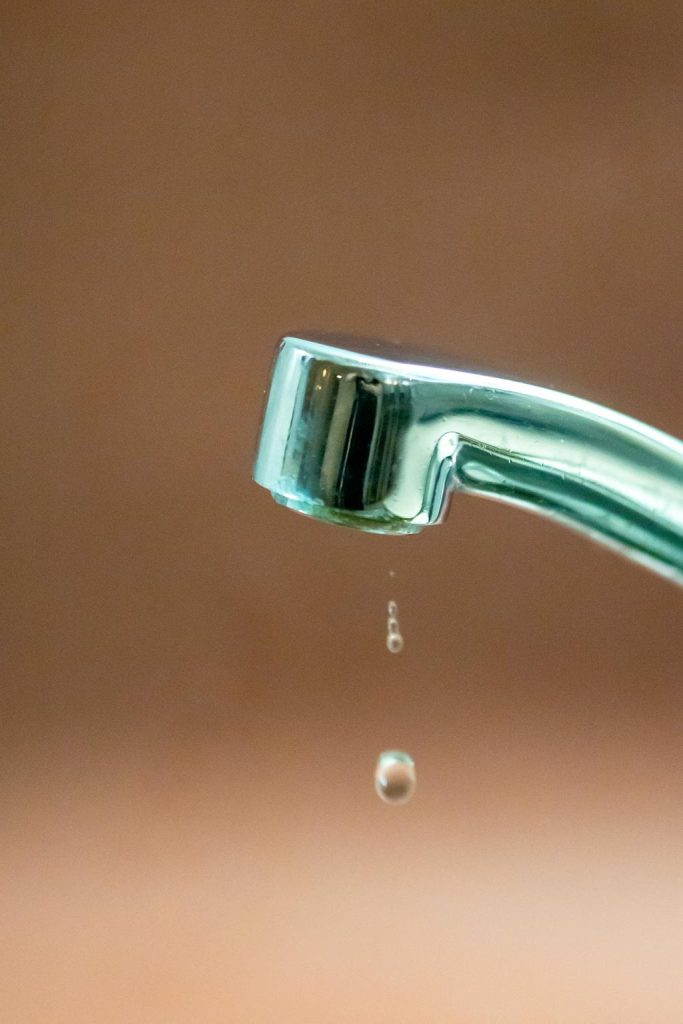
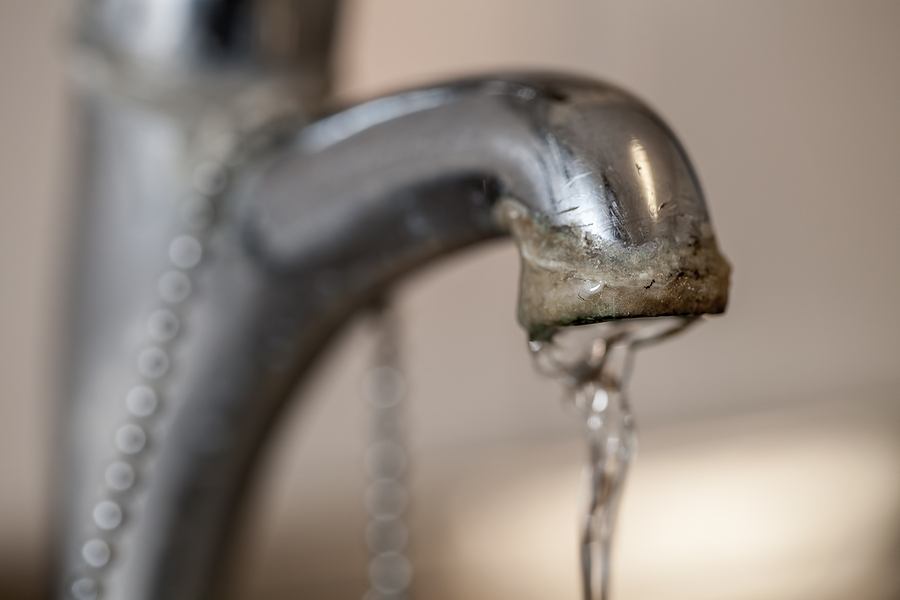
Understanding the cause is half the battle. Here are the most common reasons your sink is dripping:
🔧 Worn-Out Washer
- The washer presses against the valve to stop water flow
- Over time, friction wears it down
- Result: a persistent drip – According to This Old House, worn washers are one of the most common causes of faucet leaks.
🔩 Damaged O-Ring
- Small rubber ring inside the handle
- Can loosen or crack
- Causes leaks near the handle
🧱 Corroded Valve Seat
- Connects faucet to spout
- Mineral buildup leads to corrosion – Hard water minerals like calcium and magnesium—explained by the U.S. Geological Survey—can accelerate this process.
- Causes sink leaking from spout
⚙️ Loose or Broken Parts
- Internal components wear out
- Common in older faucets
💧 High Water Pressure
- Drips occur at certain times (like overnight)
- Pressure prevents proper sealing
🛠️ How to Fix a Dripping Sink (Step-by-Step)
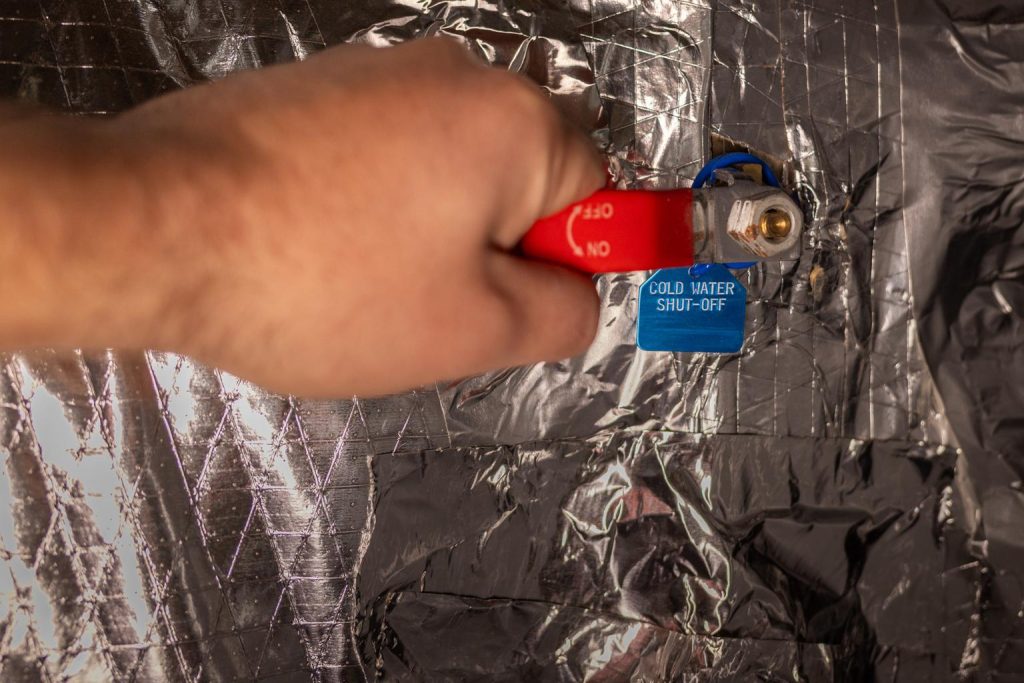
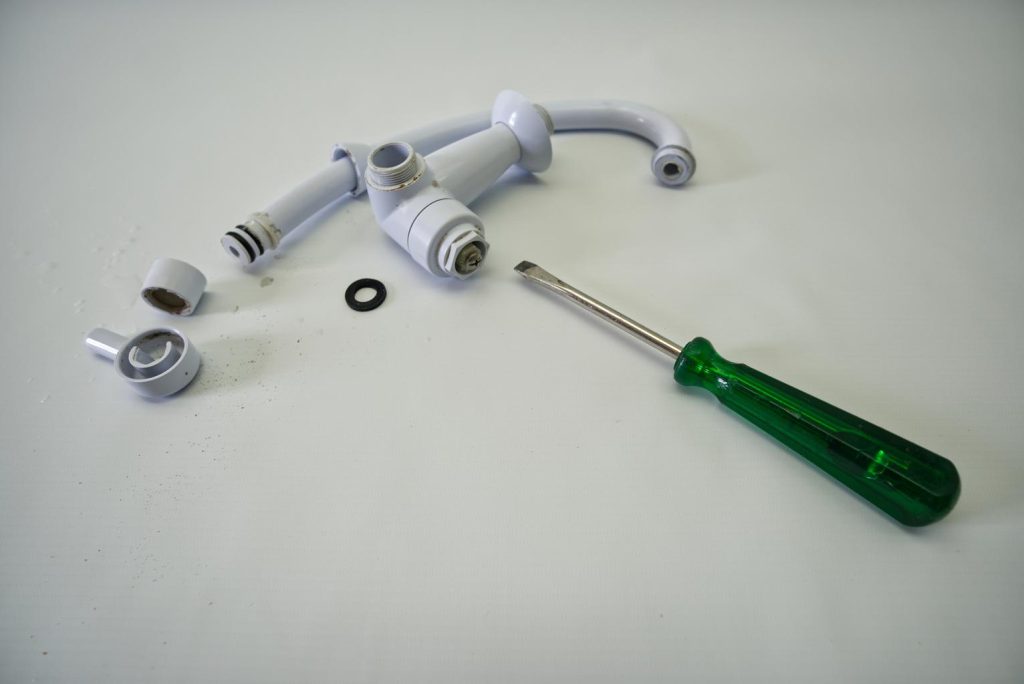
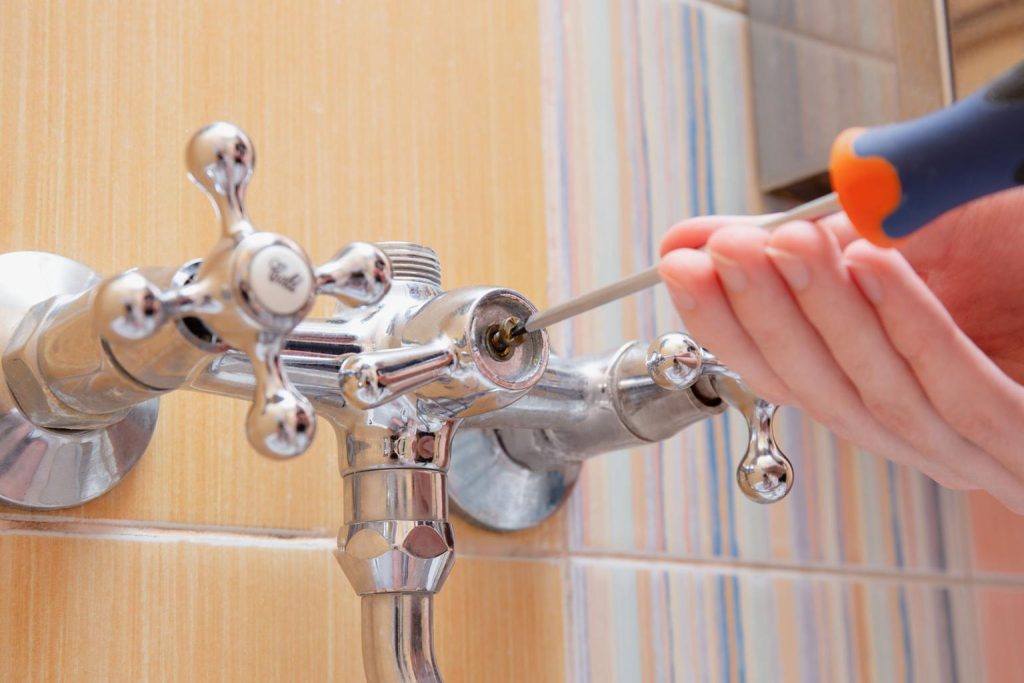
Follow these simple steps to fix most dripping sinks yourself:
🧰 What You’ll Need
- Adjustable wrench
- Screwdriver
- Replacement washers/O-rings
- Plumber’s tape
- Towel or rag
✅ Step 1: Turn Off Water Supply
Find the shut-off valves under your sink and turn them clockwise.
✅ Step 2: Plug the Drain
Use a sink plug or rag to avoid losing small parts.
✅ Step 3: Remove the Faucet Handle
Unscrew and carefully take apart the handle.
✅ Step 4: Inspect Internal Parts
Look for:
- Worn washers
- Cracked O-rings
- Corrosion
✅ Step 5: Replace Damaged Components
Match parts exactly when buying replacements at your local hardware store.
✅ Step 6: Reassemble the Faucet
Put everything back together snugly—but don’t overtighten.
✅ Step 7: Turn Water Back On
Test your faucet and check for leaks.
💡 Pro Tips to Prevent Future Drips
🧼 Regular Maintenance
- Clean mineral buildup
- Inspect parts every 6–12 months
🚫 Avoid Overtightening
- Turning too hard damages washers
💦 Install a Water Softener
- Especially helpful in hard water areas (common across many U.S. regions)
🔍 Check Water Pressure
- Ideal household pressure: 40–60 PSI
🚨 When to Call a Professional Plumber
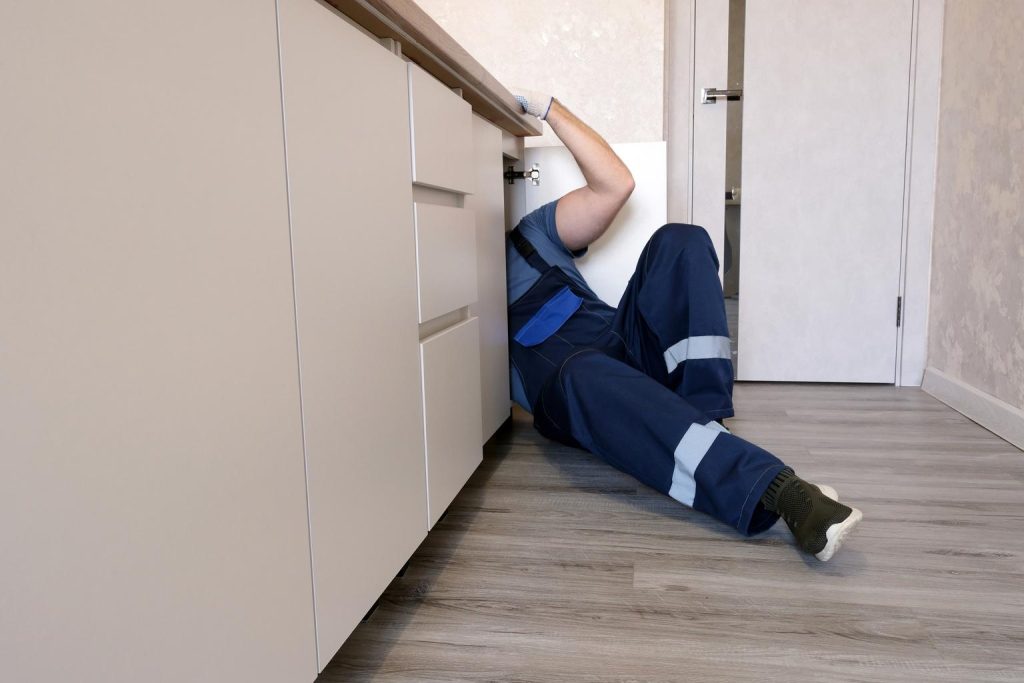
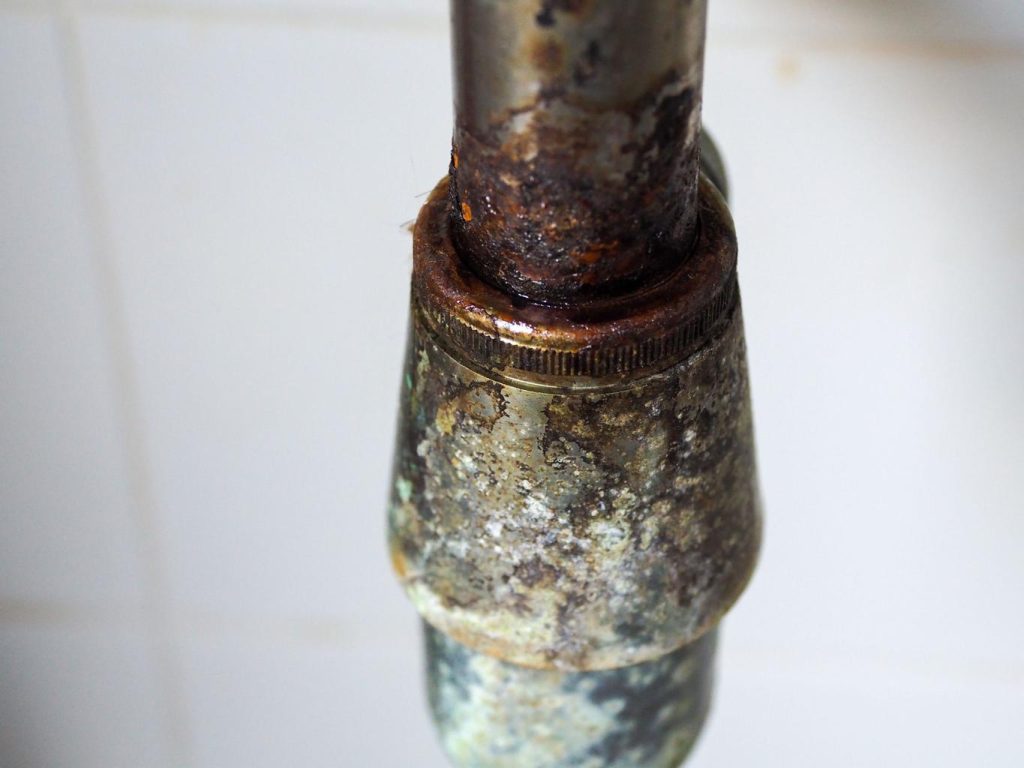
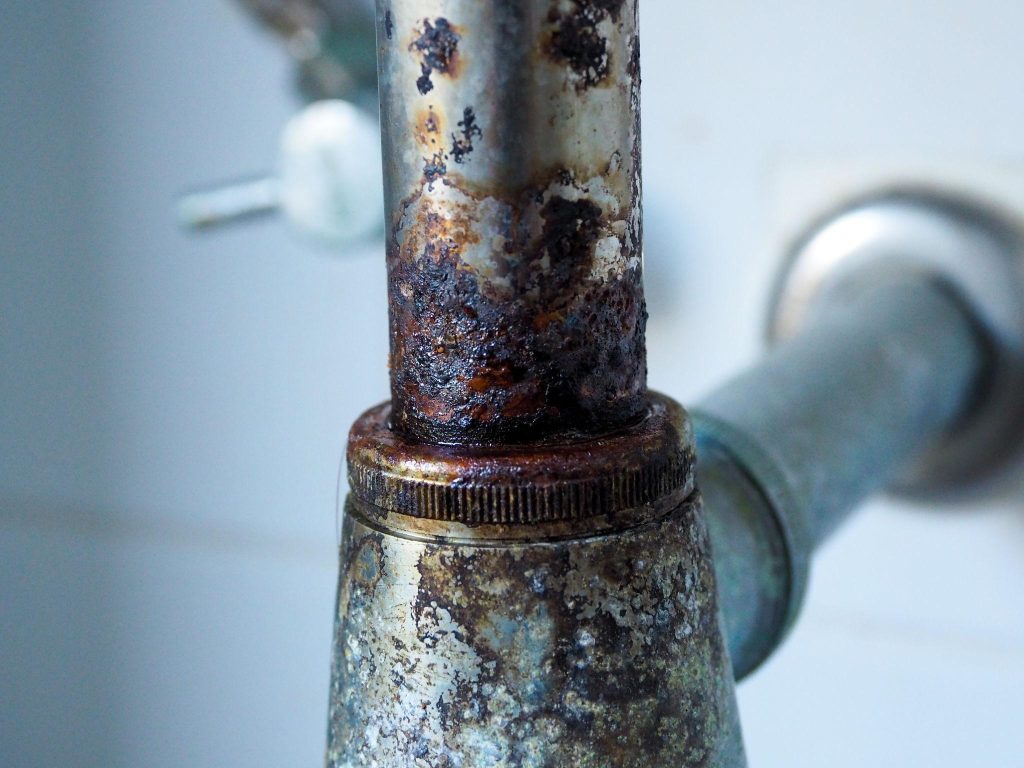
Sometimes DIY isn’t enough. Call a licensed plumber if:
⚠️ Signs You Need Help
- Leak continues after repairs
- Visible pipe corrosion
- Water damage under the sink
- Low or inconsistent water pressure
- You have a modern or complex faucet system
A professional can diagnose deeper plumbing issues and prevent costly repairs later.
💰 How Much Water (and Money) Are You Losing?
A single dripping faucet can waste:
- 3,000+ gallons per year 💧
- Add noticeable costs to your water bill
Fixing it quickly saves money and conserves water—something every homeowner should care about.
🏡 Best Faucets to Prevent Leaks (Buyer Tip)
If your faucet is old, replacing it may be smarter than repairing it repeatedly.
Look for:
- Ceramic disc valves (long-lasting)
- Solid brass construction
- Reputable U.S. brands with warranties
❓ FAQs About Dripping Sinks
Why your sink is dripping even when turned off tightly?
This usually means internal components like washers or cartridges are worn out and need replacement.
Is a dripping sink really a big deal?
Yes. It wastes water, increases bills, and can lead to bigger plumbing problems if ignored.
Can I fix a dripping sink myself?
In most cases, yes. Basic tools and inexpensive parts are all you need.
How much does a plumber cost in the U.S.?
Typically between $100–$300, depending on the issue and location.
How long does it take to fix?
Most DIY fixes take 30–60 minutes.
🧞 Final Thoughts from Home Repair Genie
If you’ve been wondering why your sink is dripping, the answer is often simple—and fixable. With a little effort, most homeowners can solve the problem quickly and avoid unnecessary costs.
That said, don’t ignore persistent leaks. What starts as a small drip can turn into water damage, mold, or expensive repairs. When in doubt, bring in a professional and protect your home.
Need more home repair tips?
Home Repair Genie is here to help you tackle everyday fixes with confidence.