
Last updated: October 18, 2026
By Home Repair Genie
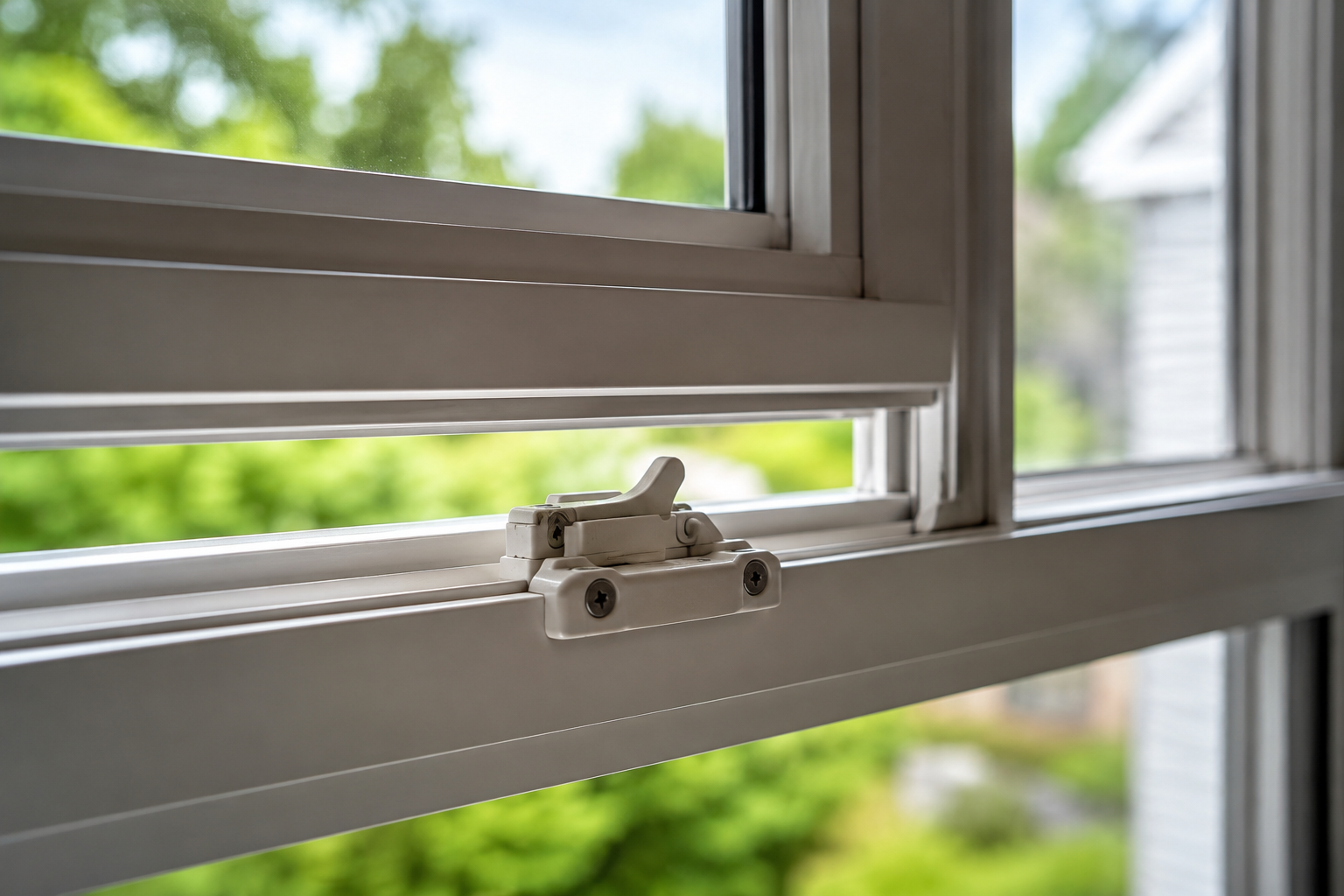
Windows that won’t lock properly can create security risks, drafts, and water intrusion problems. If your window won’t lock, fixing the issue quickly can improve both home security and energy efficiency. In many cases, the issue is caused by loose hardware, dirty tracks, alignment problems, or worn locking components that homeowners can fix themselves using a few basic tools.
Quick Answer
If your window won’t lock, first check for dirt or debris in the track, loose screws, or a sash that is slightly out of alignment. Tightening hardware, cleaning the track, adjusting the sash, or replacing the lock often restores normal operation and improves home security.
Common Reasons a Window Won’t Lock
Several issues can prevent a window from locking properly:
- Dirt or debris blocking the window track
- Loose or damaged lock hardware
- Misaligned window sashes
- Warped window frames
- Broken lock mechanisms
- Worn weather stripping
- Foundation settling causing alignment changes
Tools and Materials You May Need
As an Amazon Associate I earn from qualifying purchases.
- Screwdriver
- Vacuum or brush
- Mild cleaner
- Replacement lock (if needed)
- Lubricant spray
- Flashlight
- Measuring tape
Step 1: Inspect the Window Lock and Latch
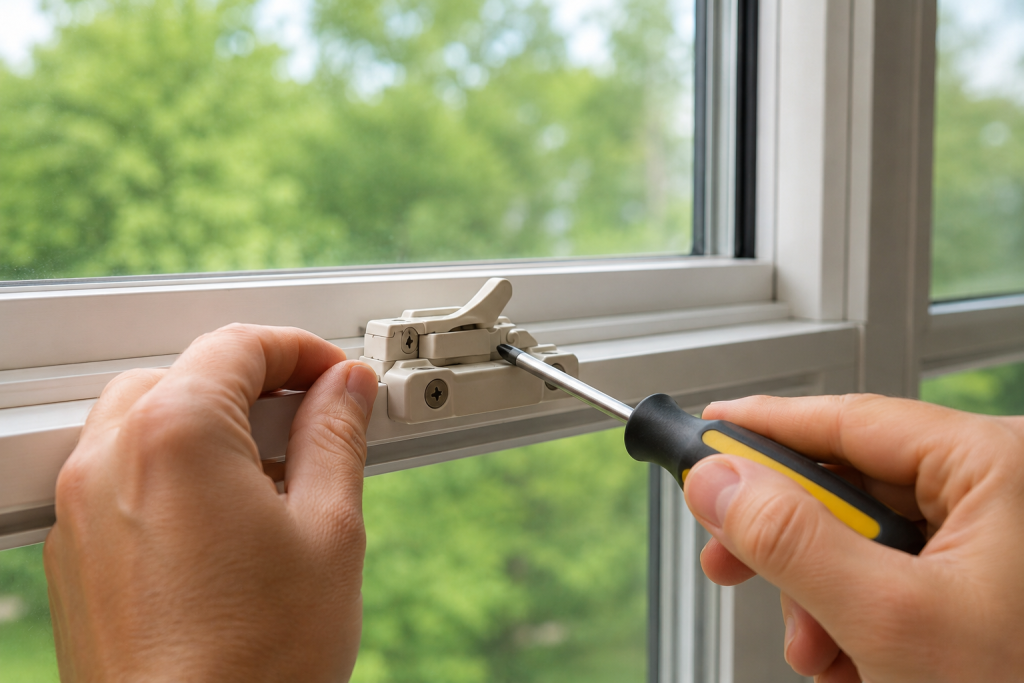
Start by carefully examining the locking mechanism.
Open and close the window several times while watching how the latch lines up with the lock catch. Look for:
- Loose screws
- Bent hardware
- Cracked plastic components
- Rust or corrosion
- Parts that do not fully engage
Sometimes a lock simply loosens over time and needs tightening.
If the lock feels wobbly, tighten the mounting screws with a Phillips and flathead screwdriver set and test the window again. Use the tip that fits each screw and avoid overtightening.
Step 2: Clean the Window Track Thoroughly
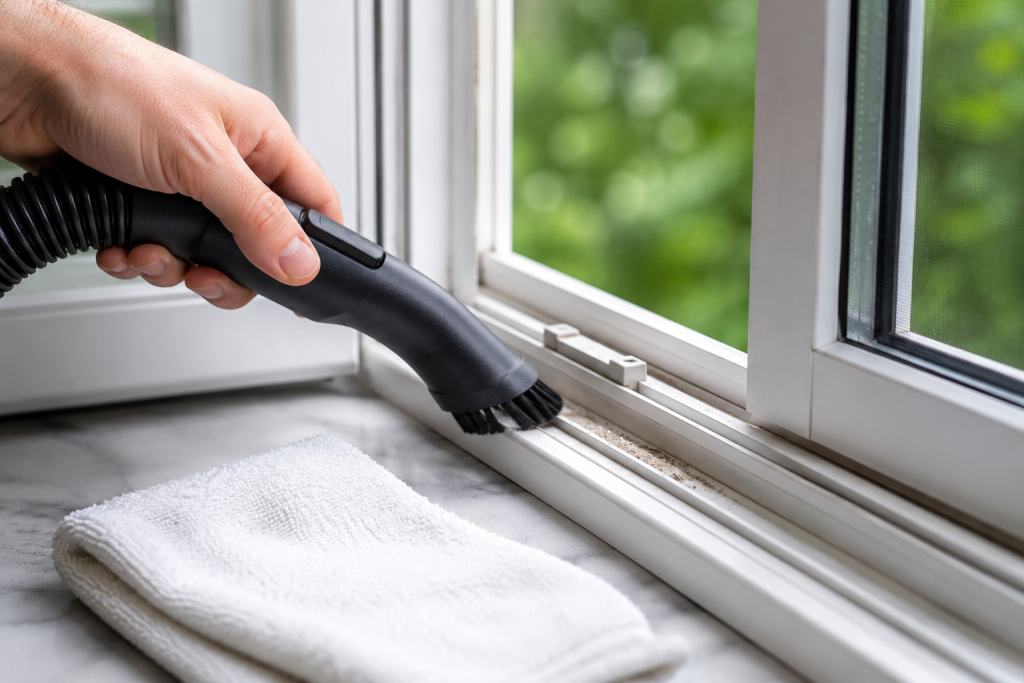
Dirt and debris commonly prevent windows from closing completely.
Use a vacuum or small brush to remove:
- Dust
- Insect debris
- Paint chips
- Leaves
- Dirt buildup
After vacuuming, wipe the track with a damp cloth and mild cleaner. A window track cleaning brush can help loosen dirt in narrow corners before you vacuum and wipe the track clean.
Even a small obstruction can stop the sash from aligning correctly with the lock.
For more home maintenance tips, see our guide on how to fix a door that sticks when closing.
Step 3: Check for Window Sash Misalignment
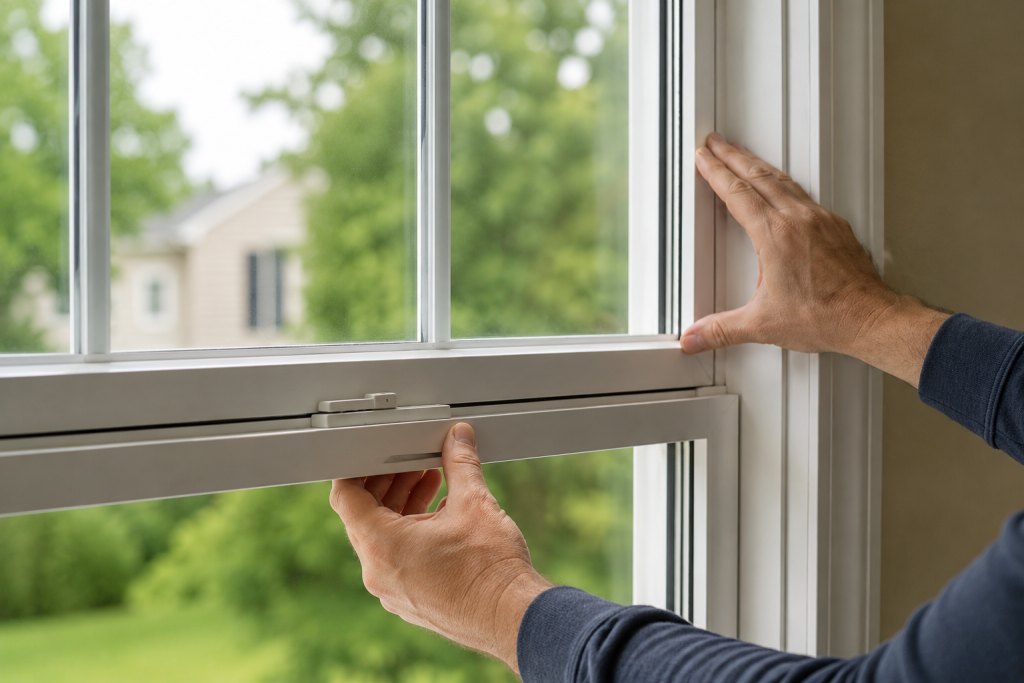
A slightly misaligned sash is one of the most common reasons a window won’t lock properly.
Close the window slowly and look for uneven gaps around the edges. If one side sits higher than the other, the sash may need adjustment.
Common causes include:
- Loose screws
- House settling
- Worn balances
- Warped frames
On double-hung windows, gently pressing inward while locking may temporarily help confirm an alignment issue.
Step 4: Tighten Loose Hinges or Hardware
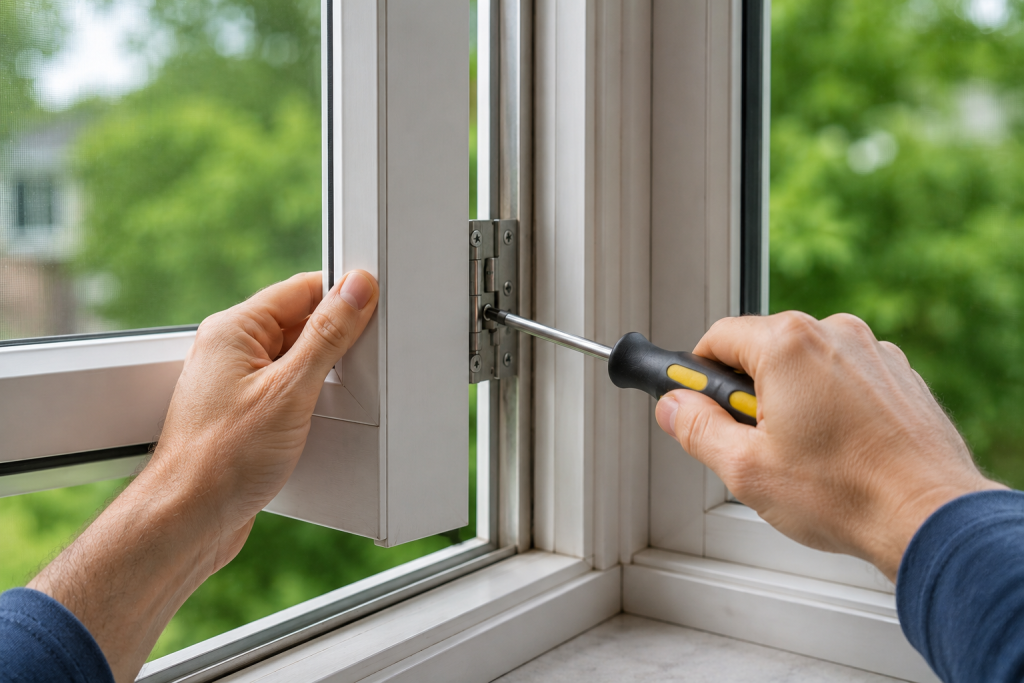
For casement and crank-style windows, inspect all hinges and mounting brackets.
Loose hardware can shift the window just enough to prevent proper locking.
Tighten all visible screws and test the window again.
If screws no longer tighten securely, the screw holes may be stripped and require repair.
Step 5: Lubricate Moving Parts
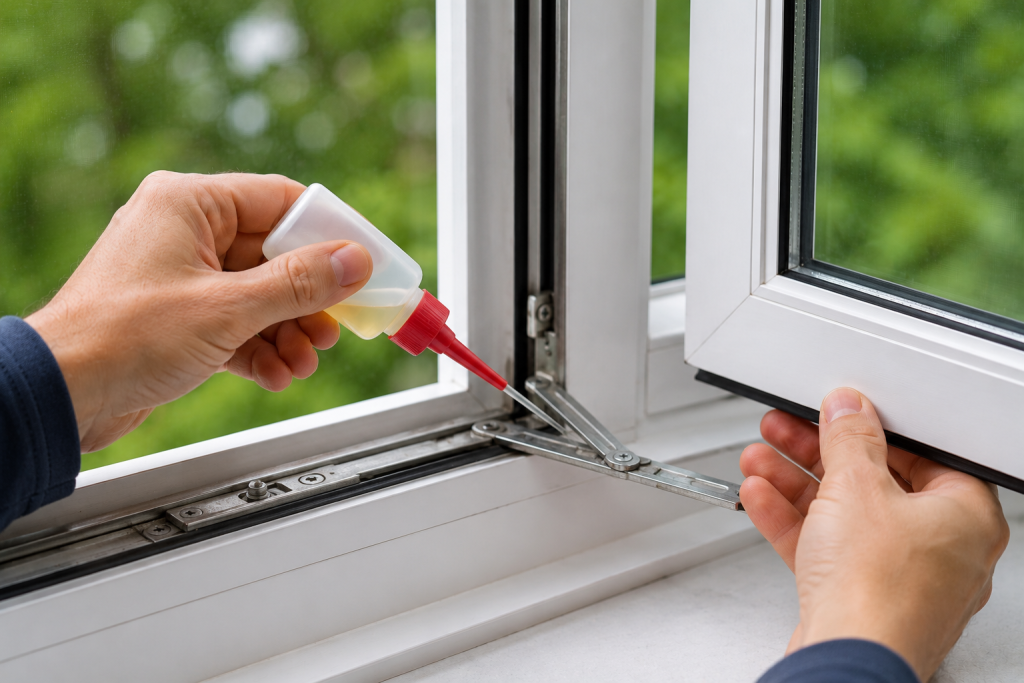
Dry or corroded hardware may keep the lock from fully engaging.
Apply a small amount of silicone-based lubricant to:
- Locking mechanisms
- Hinges
- Tracks
- Sliding components
Avoid using heavy grease because it can attract dirt and worsen buildup over time. If your window manufacturer recommends silicone lubricant, choose a silicone lubricant spray suitable for window hardware. Check compatibility with the surrounding materials and apply sparingly according to the product instructions.
The experts at This Old House provide additional window maintenance and repair guidance for homeowners.
Step 6: Replace a Broken Window Lock
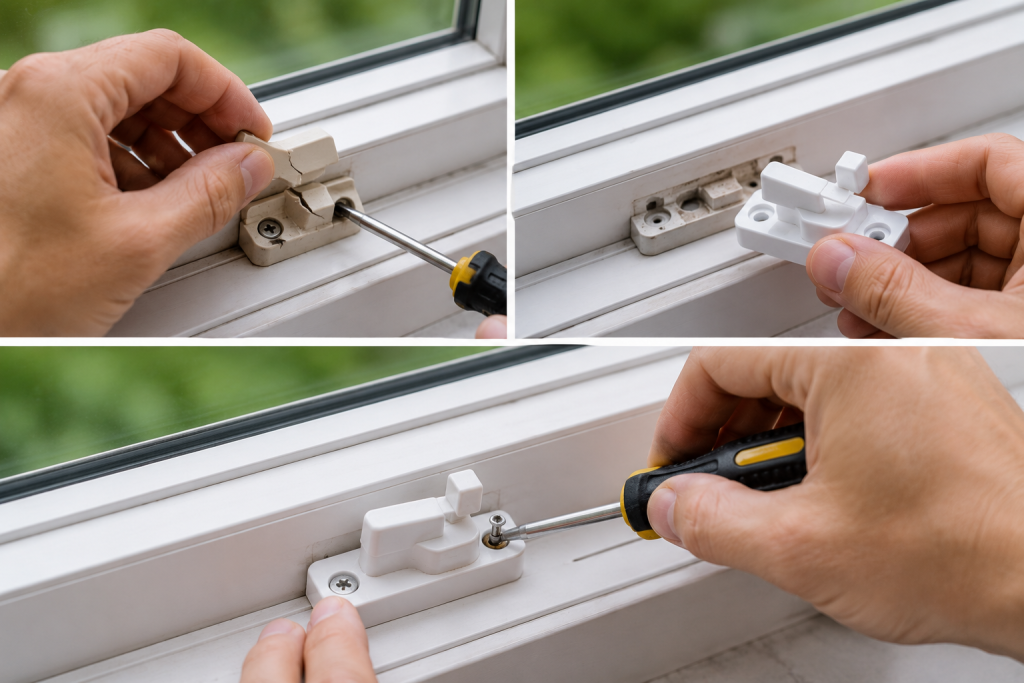
If the lock is damaged or worn out, replacement is often the best solution.
Most replacement locks are inexpensive and available at home improvement stores.
Remove the Old Lock
Unscrew the existing lock and remove it carefully.
Match the Replacement Part
Compare your existing hardware with replacement window sash locks on Amazon. Match the window type, mounting-hole spacing, lock dimensions, and keeper compatibility before ordering. For casement windows, search for hardware made for your window’s brand and model.
Install the New Lock
Secure the replacement lock using the provided screws and test operation several times.
Step 7: Inspect the Window Frame for Warping or Structural Issues
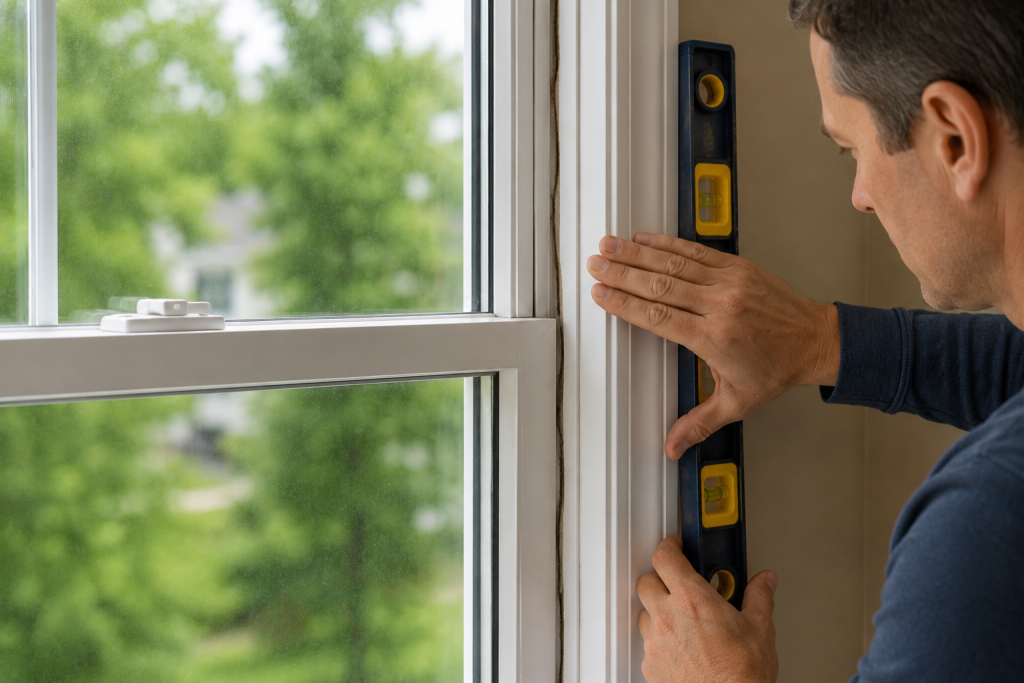
If the window still will not lock, the frame itself may be warped or shifting.
Signs of structural problems include:
- Large uneven gaps
- Difficulty opening and closing
- Visible frame twisting
- Cracks near the window
- Multiple windows showing similar problems
Older homes and areas with foundation movement may experience alignment changes over time.
If structural shifting appears severe, contacting a professional window contractor may be necessary.
When to Call a Professional
You should consider professional help if:
- The frame appears warped
- The window will not fully close
- Locks repeatedly fail
- Glass or sash components are damaged
- Multiple windows have alignment issues
A professional can identify whether the problem involves the window itself or larger structural movement.
How to Prevent Window Lock Problems
Regular maintenance helps windows operate smoothly and securely.
Helpful Prevention Tips
- Clean tracks several times per year
- Lubricate moving parts annually
- Inspect locks for loose screws
- Replace worn weather stripping
- Avoid slamming windows shut
Seasonal inspections can help catch minor issues before they become major repairs.
You may also want to read our guide on how to fix a door that won’t latch properly for additional home security tips.
Frequently Asked Questions
Why won’t my window lock even though it closes?
The sash may be slightly misaligned, preventing the lock from lining up properly.
Can I replace a window lock myself?
Yes. Most homeowners can replace basic window locks using a screwdriver and a matching replacement part.
Should windows lock tightly?
Yes. A properly functioning lock should engage securely without excessive force.
Can cold weather affect window locks?
Yes. Temperature changes can cause minor frame expansion or contraction that affects alignment.
Is a window that won’t lock a security risk?
Yes. Windows that cannot lock properly may make it easier for intruders to enter the home.
Why does my window won’t lock issue keep returning?
If your window won’t lock repeatedly, the frame may be shifting or the locking hardware may be worn out.
Looking for help with another door or window problem? Browse our complete collection of door and window repair guides.
Final Thoughts
In most cases, a window won’t lock because of dirt buildup, loose hardware, or alignment problems that can be fixed without replacing the entire window. Cleaning the track, tightening hardware, lubricating moving parts, or replacing the lock usually restores proper operation and improves security.
If the problem continues after basic repairs, the window frame or home structure may require professional evaluation.