
Last updated: October 9, 2026
By Home Repair Genie
Quick Answer
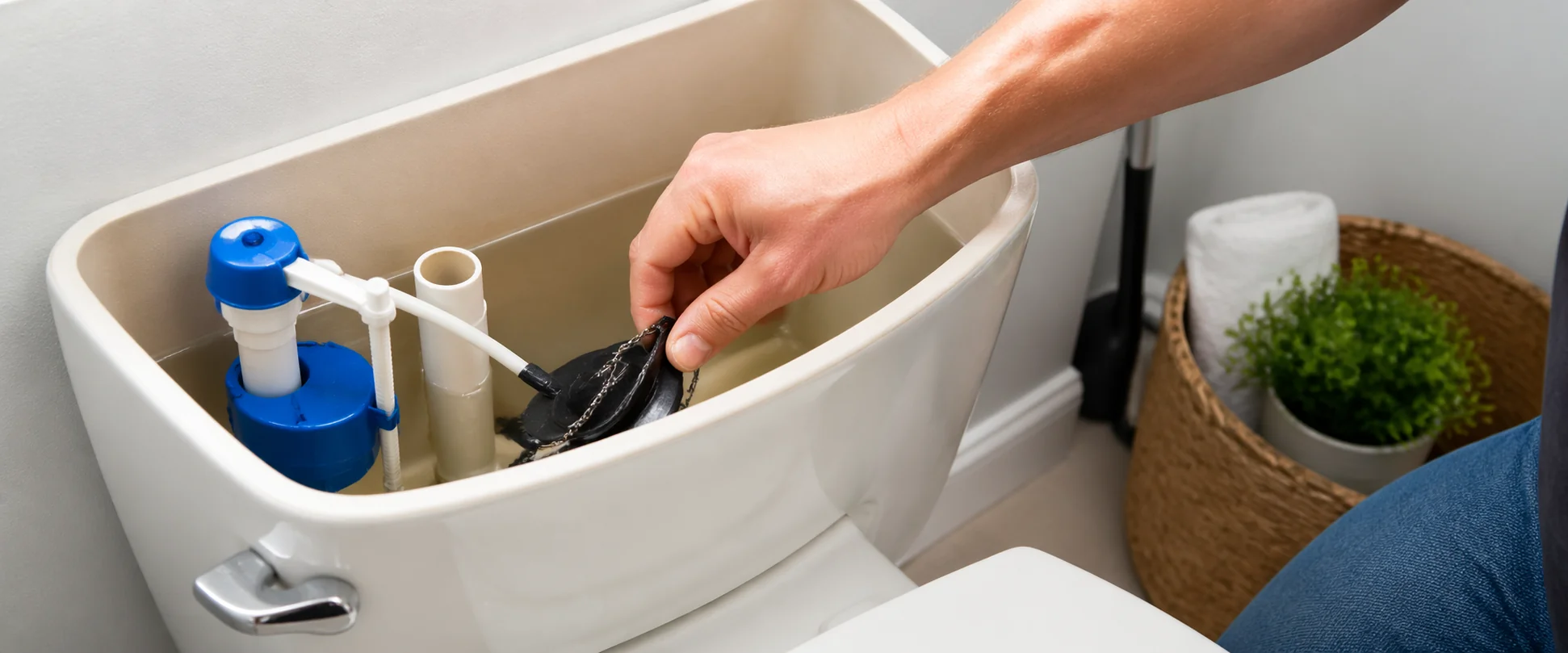
How to fix a running toilet is a common question for homeowners dealing with constant water noise or higher utility bills. A running toilet is usually caused by a faulty flapper, fill valve, or float. You can fix it by inspecting the tank components and replacing the worn or misadjusted part. Most fixes take under 20 minutes and require no special tools.
In many cases, the issue is as simple as a flapper that isn’t sealing properly or a float that’s set too high, causing water to continuously flow into the overflow tube. These small problems can lead to significant water waste over time if not addressed. A running toilet can waste hundreds of gallons of water per day, silently driving up your water bill.
Most people can fix a running toilet in under 20 minutes without calling a plumber.
If you’re also dealing with water issues at your sink, check out our step-by-step guide on how to fix a leaky faucet to stop drips and save water. If your toilet won’t flush, check out our easy guide on why your toilet won’t flush.
Running toilets can waste thousands of gallons per month
Tools Needed for How to Fix a Running Toilet
As an Amazon Associate I earn from qualifying purchases.
- Adjustable wrench like this one
- Pliers (reliable option here)
- Multi-bit screwdriver set (reliable option here)
- Towel or rag
If your toilet is clogged along with running, you may also need to address the blockage—here’s how to unclog a drain step-by-step.
Materials Needed for How to Fix a Running Toilet
- Universal toilet flapper like this one
- Universal toilet fill valve like this one (if needed)
- Float (if separate)
Not sure which parts to buy? This manufacturer guide helps:
Toilet Running Constantly – Fluidmaster Guide
Step-by-Step Instructions for How to Fix a Running Toilet
Step 1: Remove the Tank Lid
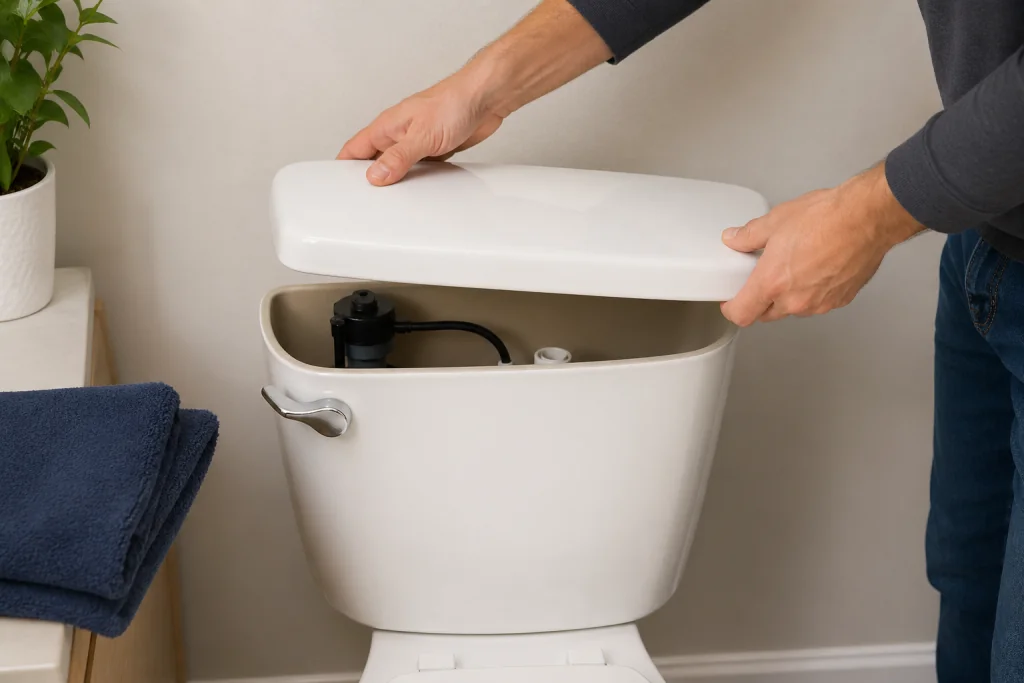
Carefully lift the lid off the toilet tank and set it aside on a flat surface.
Step 2: Check the Flapper (Most Common How to Fix a Running Toilet Fix)
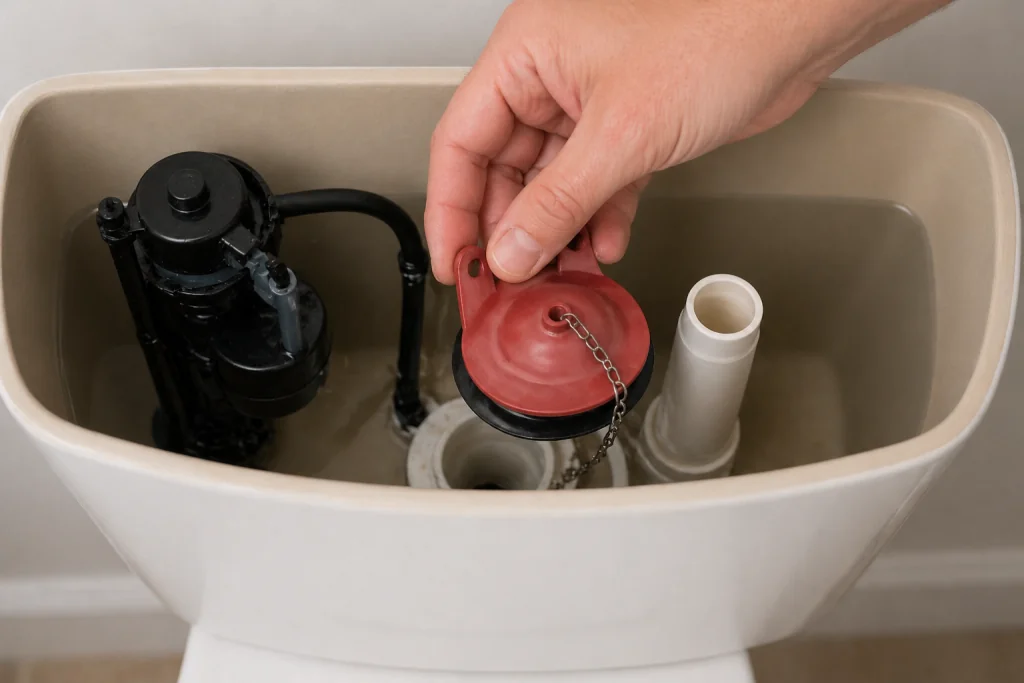
The flapper is the rubber piece at the bottom of the tank.
- If it looks worn or warped → replace it
- If the chain is too tight → loosen it
Step 3: Inspect the Fill Valve If Your Toilet Keeps Running
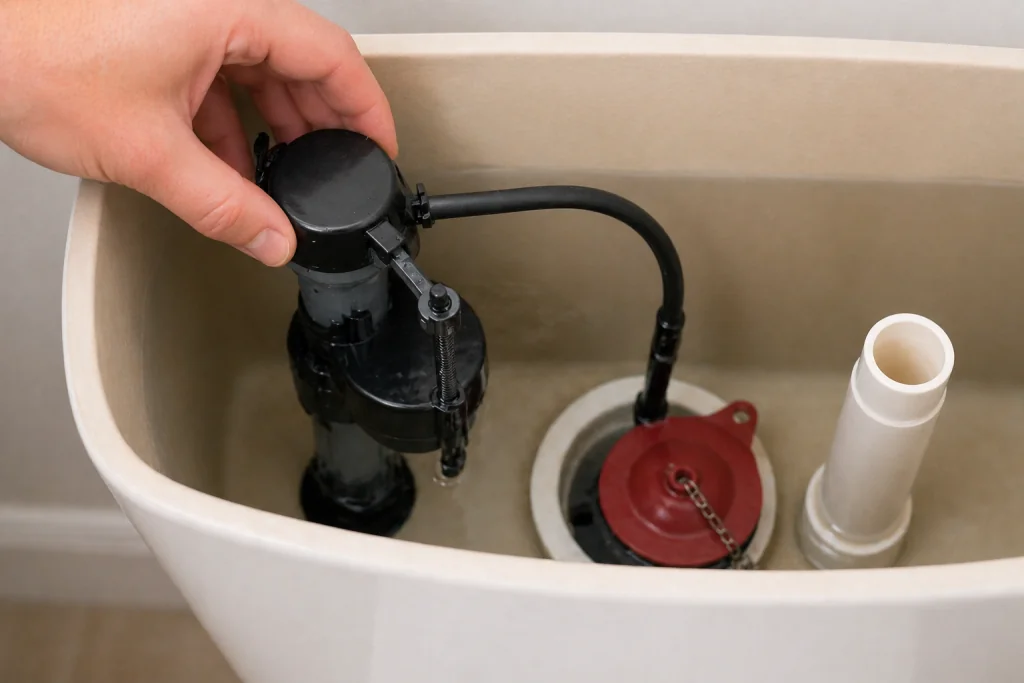
The fill valve controls how water enters the tank.
- If toilet keeps running → it may be faulty
- Replace the fill valve like this one if necessary
Step 4: Adjust the Float to Fix a Running Toilet
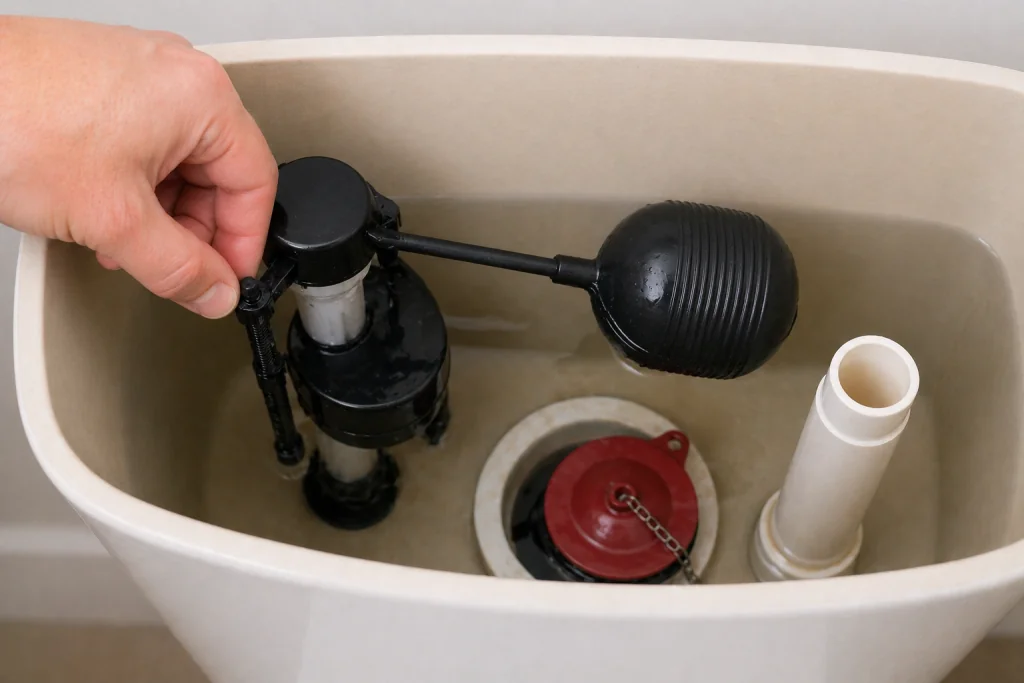
The float controls water level.
- Lower it slightly to stop overflow
- Adjust screw or clip depending on your toilet
Step 5: Turn Off Water (if replacing parts)
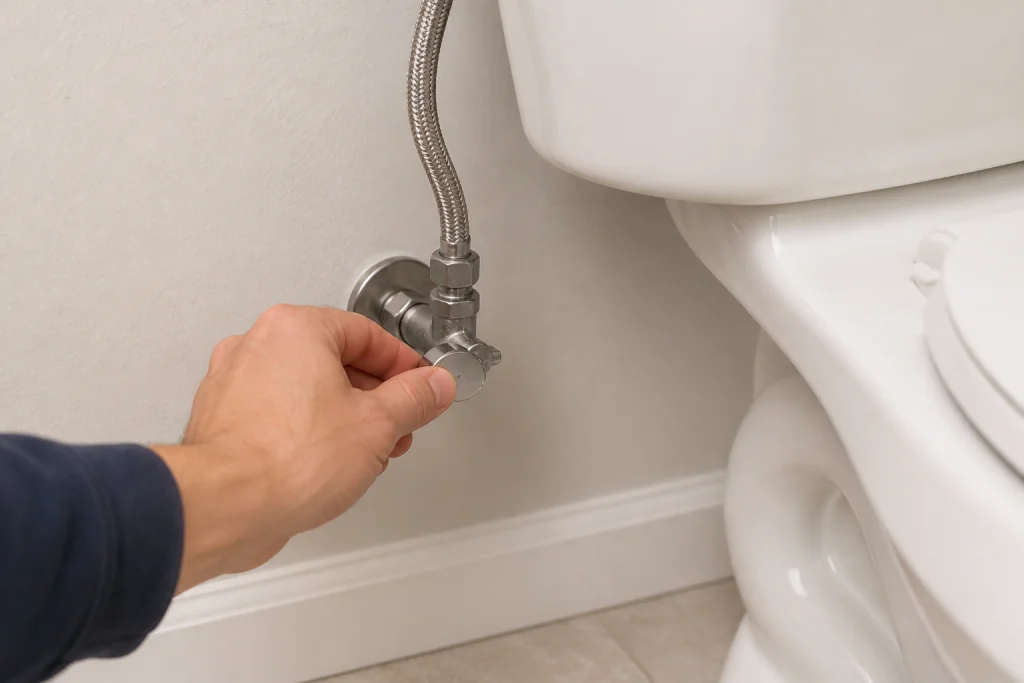
Shut off the water valve behind the toilet before replacing any components.
Step 6: Replace Faulty Parts
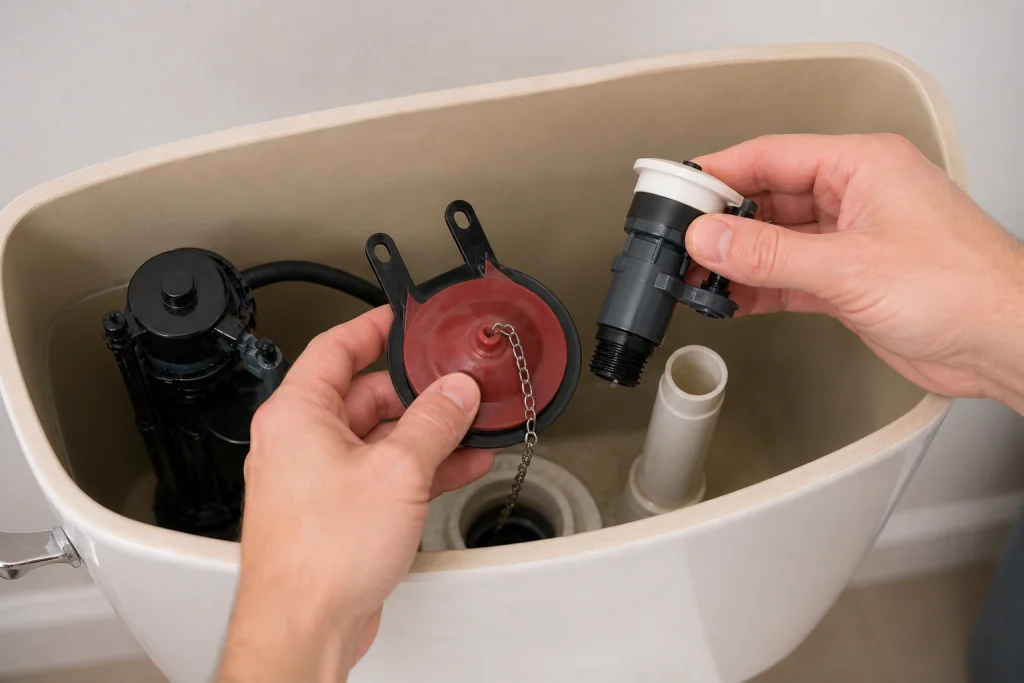
Install a new flapper like this one or fill valve (grab one here) if needed. Make sure everything fits securely.
Step 7: Test the Toilet
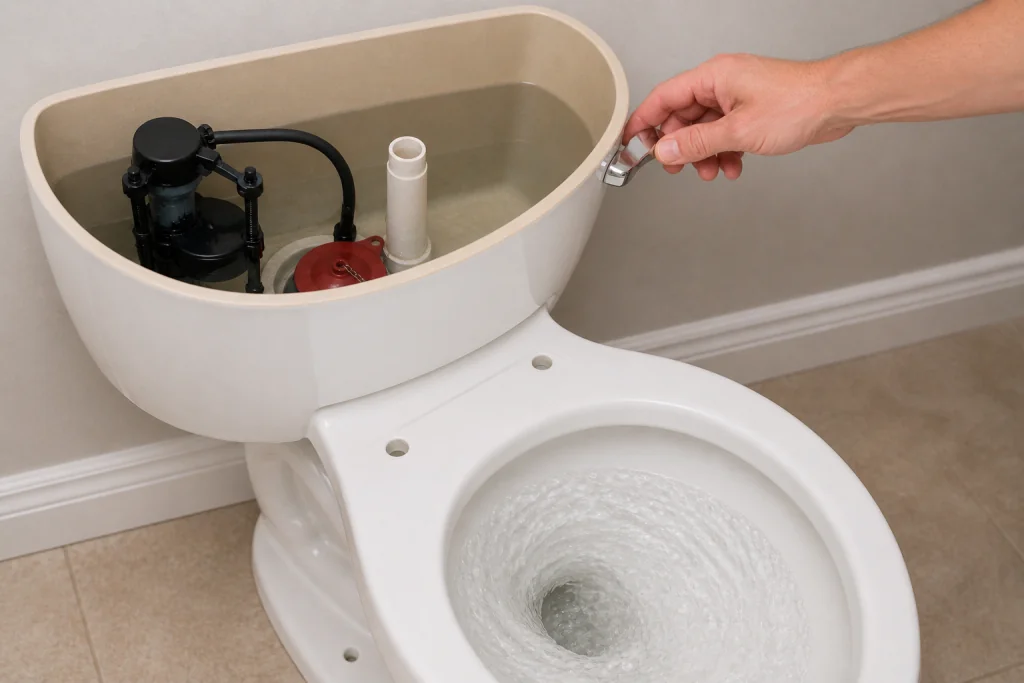
Flush the toilet and watch the tank refill. Make sure the water stops running.
Why Your Toilet Keeps Running (and How to Diagnose It)
- Worn-out flapper
- Incorrect float height
- Faulty fill valve
- Chain too tight or tangled
Pro Tips for Success
- Take a photo before adjusting parts
- Bring old parts to the store
- Clean mineral buildup
- Test after each adjustment
When to Call a Professional
- The problem continues after replacing parts
- You notice leaks outside the tank
- The toilet is very old or damaged
Frequently Asked Questions
How to fix a running toilet after flushing?
The flapper may not be sealing properly, or the float may be set too high.
Is a running toilet expensive?
Yes. It can waste hundreds of gallons of water per day, increasing your water bill.
How to Fix a Running Toilet without tools?
In many cases, yes. Simple adjustments like fixing the chain or float require no tools.
Looking for help with another plumbing problem? Browse our complete collection of plumbing repair and troubleshooting guides.
Final Thoughts
How to fix a running toilet is one of the easiest and most cost-effective home repairs. By checking the flapper, float, and fill valve, you can quickly stop the problem and save money on your water bill.
Addressing the issue early can prevent hundreds of gallons of wasted water each month, which not only reduces your utility costs but also helps conserve water. Most of the common causes are inexpensive to fix and require only basic tools, making this a simple DIY task for most homeowners.
Learning how your toilet’s internal components work also makes it easier to spot problems in the future and perform routine maintenance. With a quick inspection and a few adjustments or replacements, you can restore your toilet to proper working condition in less than an hour—no plumber needed.