
Last updated: October 10, 2026
By Home Repair Genie
Quick Answer
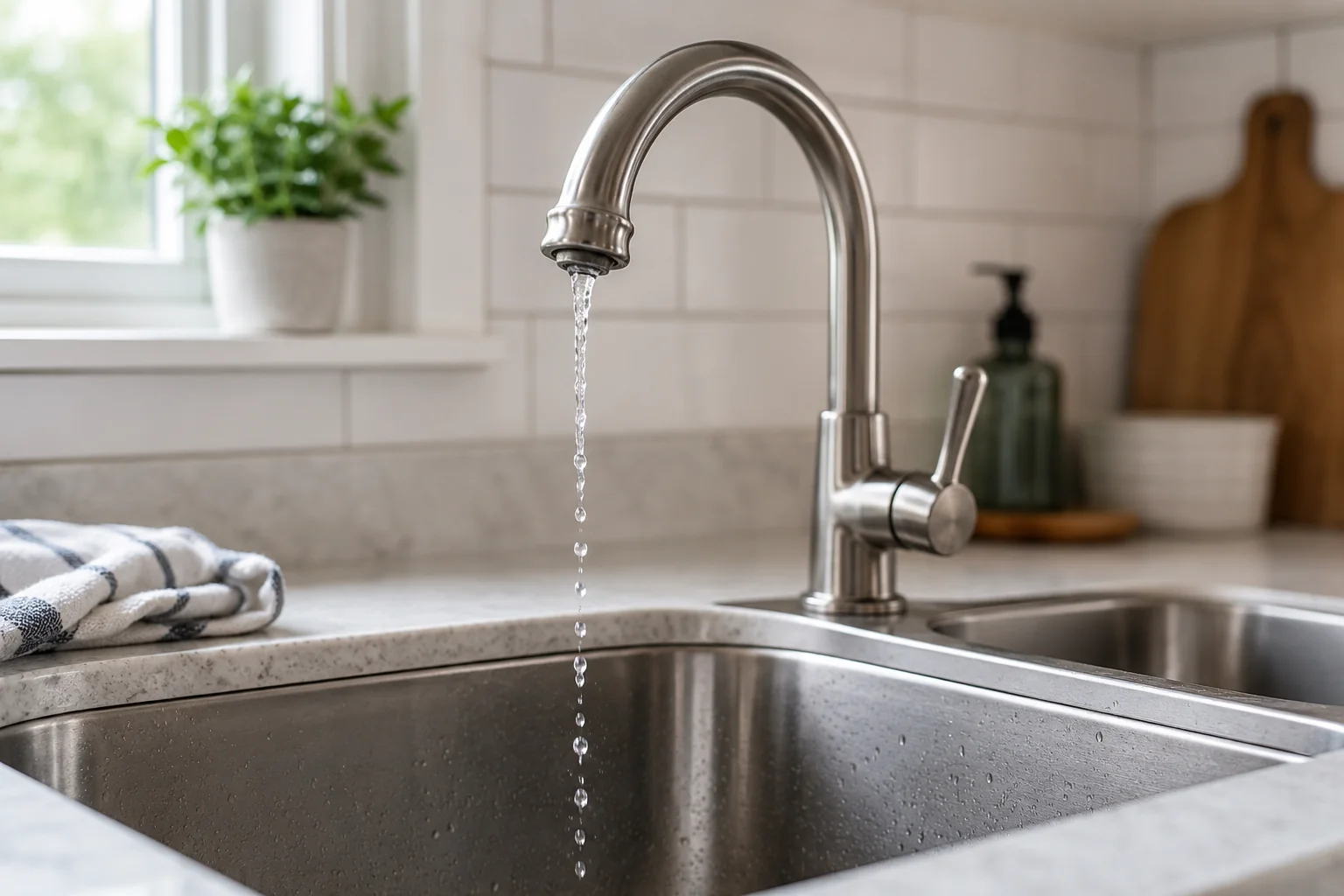
Low water pressure in kitchen sink fixtures is a common plumbing problem that can make everyday tasks frustrating. If you have low water pressure in your kitchen sink, the most common causes are a clogged aerator, partially closed shut-off valves, mineral buildup, a faulty faucet cartridge, or hidden plumbing leaks. In many cases, you can restore normal pressure by cleaning the faucet aerator and checking the water supply valves under the sink.
A low water pressure in kitchen sink issue can make washing dishes, filling pots, and cleaning frustrating. The good news is that many low water pressure problems are easy to diagnose and fix without calling a plumber.
Follow these step-by-step troubleshooting methods to restore strong water flow to your kitchen sink.
Step 1: Clean the Faucet Aerator
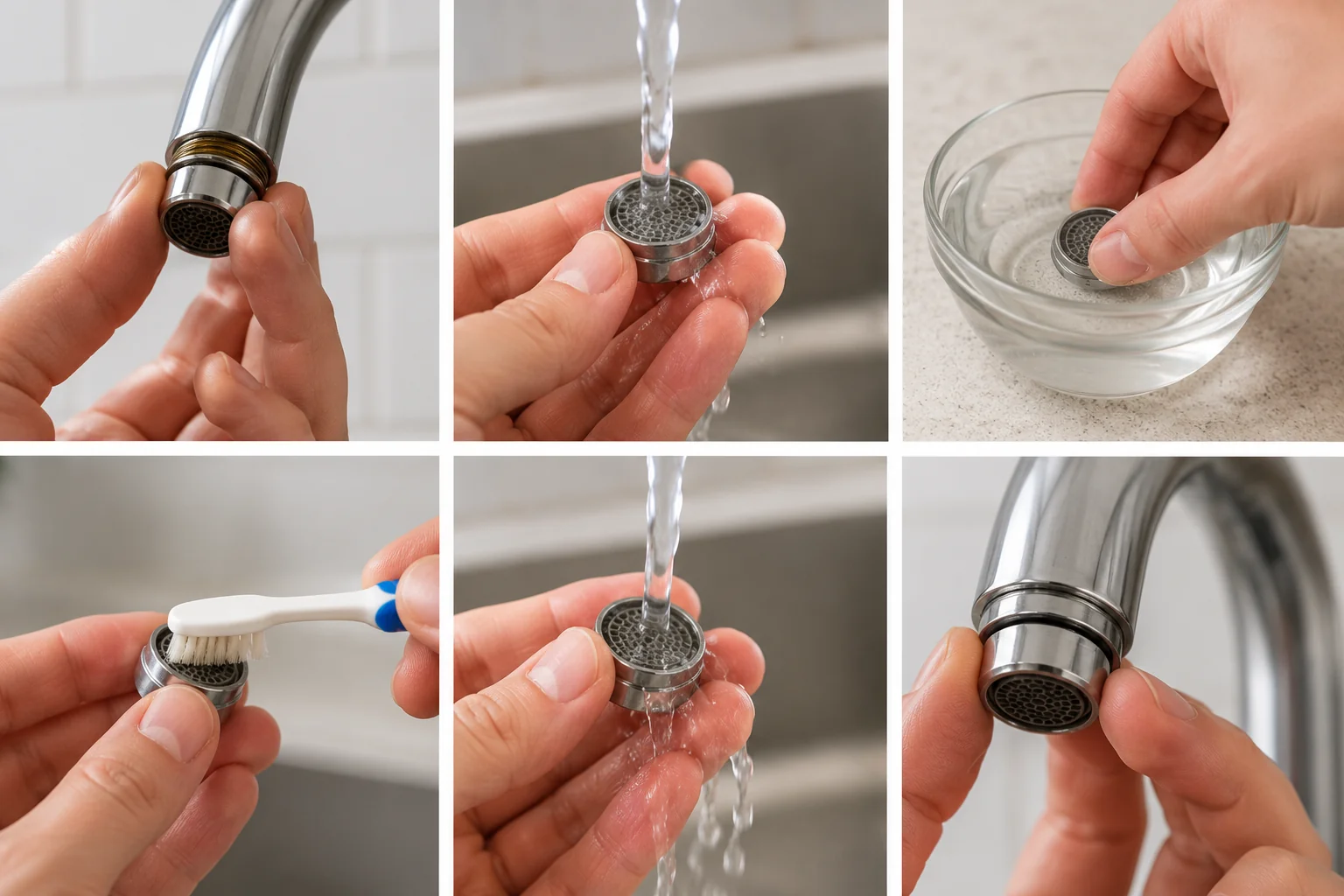
The faucet aerator is the small screen attached to the tip of the faucet. Mineral deposits and debris commonly clog it over time, especially in areas with hard water.
How to Clean the Aerator
- Unscrew the aerator from the faucet tip.
- Rinse away visible debris.
- Soak the aerator in white vinegar for 30–60 minutes.
- Scrub the screen gently with an old toothbrush.
- Reinstall the aerator and test the water pressure.
If your pressure improves immediately, the aerator was the problem.
As an Amazon Associate I earn from qualifying purchases.
If the aerator is recessed into the faucet, an inexpensive faucet aerator removal tool set can make removal easier.
If cleaning does not restore the flow or the screen is damaged, install a replacement faucet aerator that matches the faucet’s thread size and style.
If your faucet is also leaking, read: How to Fix a Leaky Faucet: 7 Easy Fixes to Stop the Drip Fast.
Step 2: Check the Shut-Off Valves Under the Sink
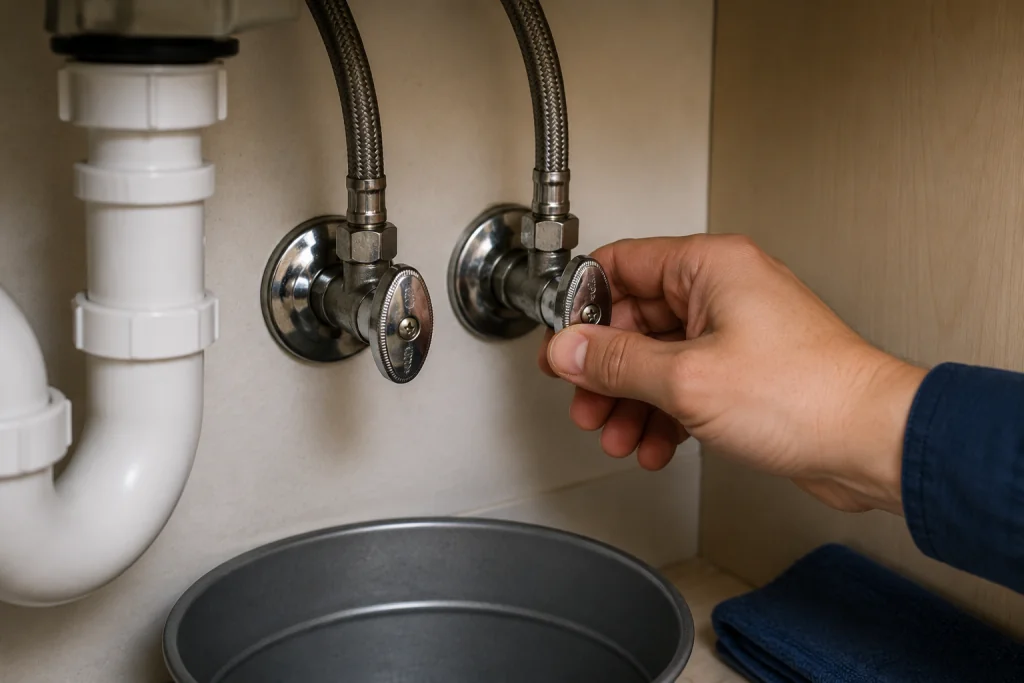
Your kitchen sink usually has two shut-off valves under the cabinet — one for hot water and one for cold water.
If either valve is partially closed, water pressure can drop significantly.
What to Do
- Locate both valves under the sink.
- Turn each valve counterclockwise until fully open.
- Test the faucet again.
Sometimes valves are accidentally bumped during cleaning or storage.
Step 3: Inspect the Faucet Cartridge
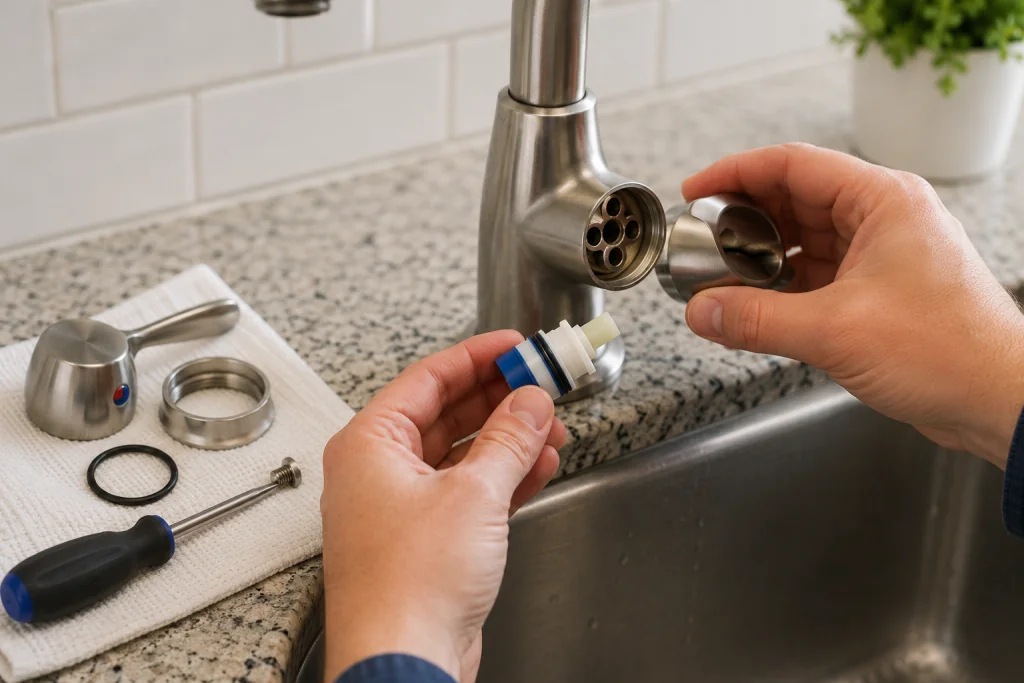
Many modern faucets use an internal cartridge to control water flow. Mineral buildup or wear inside the cartridge can restrict pressure.
Signs of a Bad Cartridge
- Weak pressure from both hot and cold water
- Pressure slowly getting worse over time
- Uneven flow from the faucet
How to Fix It
- Turn off the water supply.
- Remove the faucet handle.
- Pull out the cartridge according to the manufacturer’s instructions.
- Clean or replace the cartridge.
- Reassemble the faucet.
Locate the faucet’s brand and model number before ordering a compatible replacement faucet cartridge.
Step 4: Check for Clogged Supply Lines
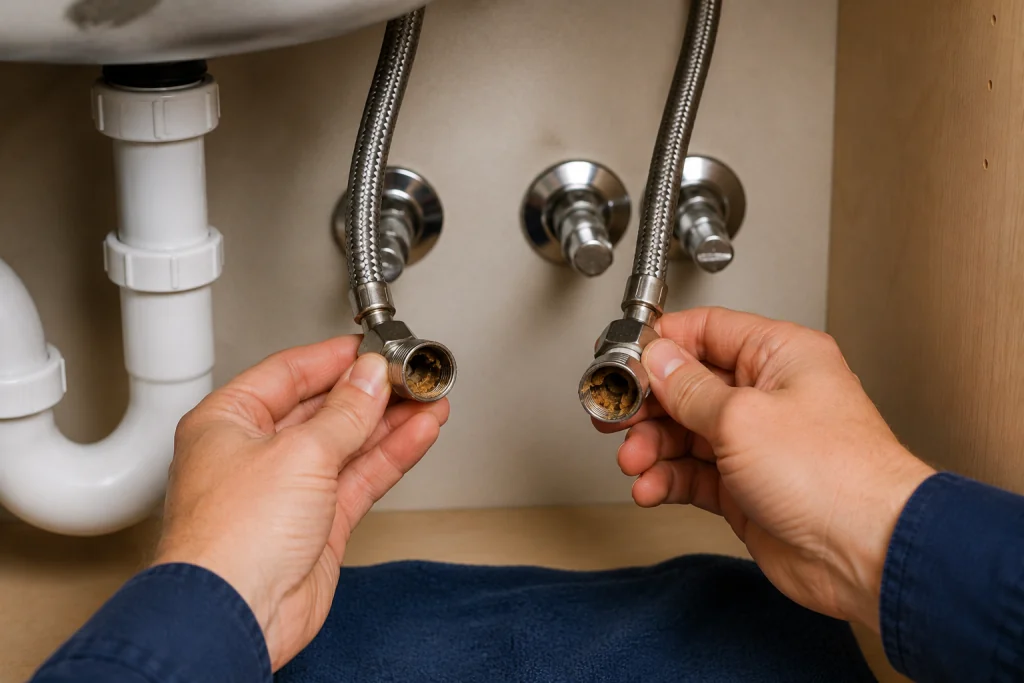
The flexible water supply hoses under the sink can sometimes become kinked or clogged with sediment.
How to Inspect the Lines
- Look for bends or crimps in the hoses.
- Disconnect the lines carefully.
- Flush them into a bucket to check water flow.
- Replace kinked, corroded, or internally restricted hoses with braided stainless-steel faucet supply lines of the correct length and connection size.
Older braided supply lines are more likely to develop internal restrictions.
Step 5: Test Other Faucets in the House
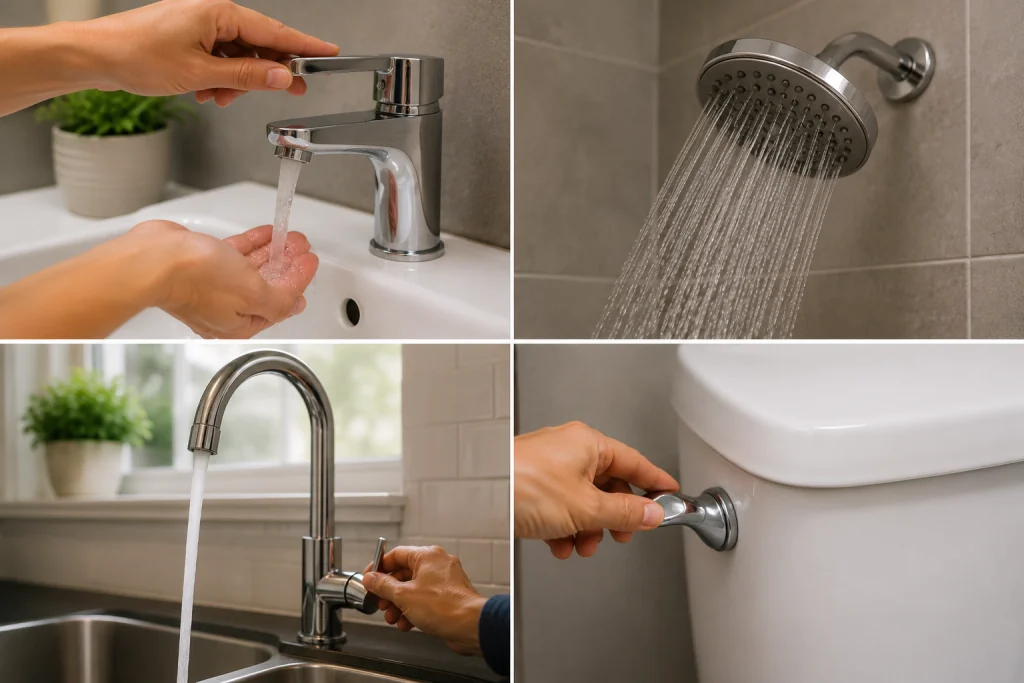
If low water pressure affects more than just the kitchen sink, the issue may involve your home’s plumbing system rather than the faucet itself.
Check These Fixtures
- Bathroom sinks
- Showerheads
- Outdoor spigots
- Refrigerator water dispenser
If multiple fixtures have weak pressure, you may have:
- A partially closed main water valve
- A failing pressure regulator
- A plumbing leak
- Municipal water supply issues
If your shower also has weak flow, read: Low Water Pressure in Shower? 7 Easy Fixes That Actually Work
Step 6: Look for Hidden Plumbing Leaks
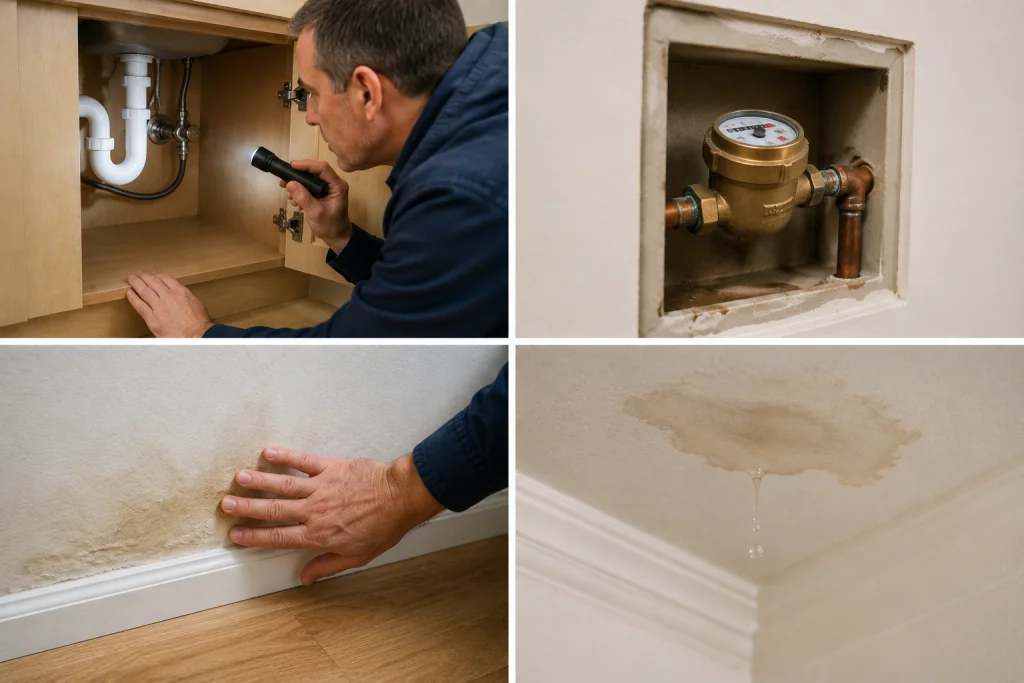
Leaks can reduce water pressure by diverting water before it reaches the faucet.
Signs of a Plumbing Leak
- Water stains under cabinets
- Damp drywall or flooring
- Mold or mildew smells
- Unexpectedly high water bills
Inspect the area under the sink and nearby plumbing connections carefully.
Step 7: Contact a Plumber for Persistent Pressure Problems
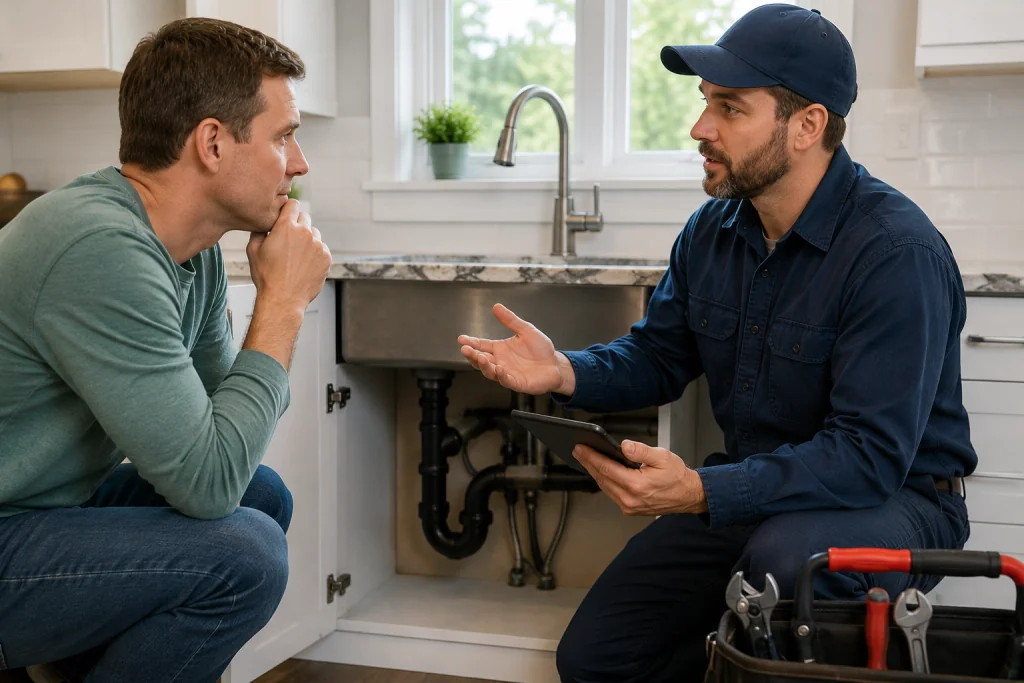
If none of the previous fixes solve the problem, the issue may involve:
- Corroded galvanized pipes
- A failing pressure regulator
- Major sediment buildup
- Hidden pipe damage
A licensed plumber can test your home’s water pressure and inspect the plumbing system more thoroughly.
For additional kitchen plumbing troubleshooting tips, visit This Old House.
What Causes Low Water Pressure in Kitchen Sink?
Several plumbing issues can reduce kitchen sink water pressure.
Common Causes
- Clogged aerator
- Mineral buildup
- Partially closed shut-off valves
- Faulty faucet cartridge
- Kinked supply hoses
- Plumbing leaks
- Corroded pipes
- Water utility problems
Identifying the exact cause helps you avoid unnecessary repairs.
Can a Clogged Aerator Cause Low Water Pressure in Kitchen Sink?
Yes. A clogged aerator is one of the most common reasons for low kitchen sink pressure.
Sediment, rust particles, and hard water minerals collect inside the small screen and restrict water flow. Cleaning the aerator is usually the fastest and easiest fix.
When Should You Call a Plumber?
You should contact a plumber if:
- Multiple fixtures have low pressure
- Pressure keeps getting worse
- You suspect hidden leaks
- Pipes are heavily corroded
- DIY fixes do not work
Professional diagnosis can prevent larger plumbing problems later.
Frequently Asked Questions
Why is my kitchen sink pressure low but bathroom sink pressure is fine?
This usually indicates a clogged faucet aerator, faulty faucet cartridge, or restricted supply line specific to the kitchen sink.
Can hard water reduce kitchen sink pressure?
Yes. Hard water minerals can build up inside aerators, cartridges, and pipes, restricting water flow over time.
How do I know if my faucet cartridge is bad?
Common signs include weak pressure, uneven water flow, dripping, or difficulty adjusting water temperature.
Can old pipes cause low water pressure?
Yes. Older galvanized steel pipes can corrode internally and reduce water flow significantly.
Is low hot water pressure different from low cold water pressure?
Yes. If only hot water pressure is weak, the issue may involve the water heater, hot-side shut-off valve, or faucet cartridge.
Looking for help with another plumbing problem? Browse our complete collection of plumbing repair and troubleshooting guides.
Final Thoughts
Low water pressure in kitchen sink fixtures is often caused by simple issues like clogged aerators or partially closed valves. Starting with these easy fixes can save time and money before moving on to more advanced plumbing repairs.
In many cases, restoring normal pressure only takes a few minutes of troubleshooting.