
Last updated: September 20, 2026
By Home Repair Genie
Quick Answer
Low water pressure in shower fixtures can make daily routines frustrating. Low water pressure in a shower is often caused by a clogged showerhead, a partially closed water valve, mineral buildup, a failing pressure regulator, or hidden plumbing leaks. In many cases, homeowners can restore normal water pressure by cleaning the showerhead, checking valves, and inspecting the plumbing system.
Why Do I Have Low Water Pressure in Shower Fixtures?
If your shower suddenly has weak water pressure, you are not alone. Low shower pressure is one of the most common plumbing problems homeowners face. The good news is that many causes are simple to diagnose and fix without calling a plumber.
This step-by-step guide explains the most common reasons for low water pressure in a shower and how to fix them safely.
Tools and Materials You May Need
- Adjustable wrench
- White vinegar
- Small brush or toothbrush
- Needle or toothpick
- Bucket
- Plumber’s tape
- Replacement showerhead (if necessary)
Step 1: Clean the Showerhead
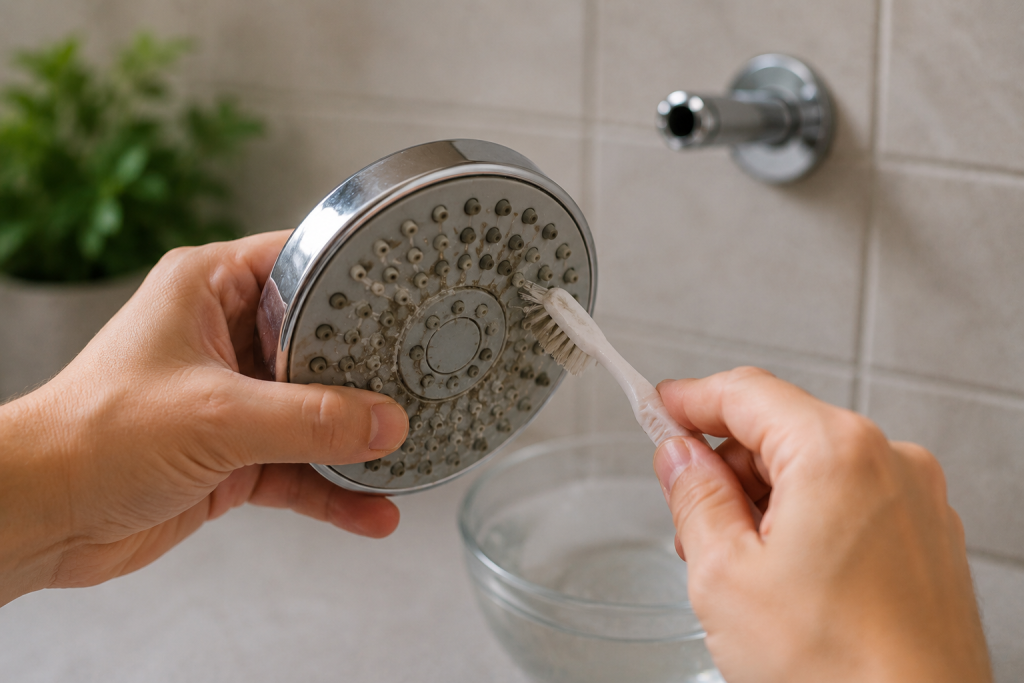
Mineral buildup inside the showerhead is one of the most common causes of low water pressure in a shower. Cleaning mineral buildup is often the fastest way to fix low water pressure in shower systems.
How to Clean It
- Unscrew the showerhead carefully.
- Fill a bowl or bucket with white vinegar.
- Soak the showerhead for several hours.
- Use a toothbrush or small brush to remove mineral deposits.
- Clear clogged spray holes with a toothpick or needle.
- Reinstall the showerhead and test the pressure.
If your showerhead is heavily corroded, replacing it may be the better option.
If your sink also has weak water flow, read: Low Water Pressure in Kitchen Sink? 7 Easy Fixes That Actually Work.
Step 2: Check the Main Water Valve
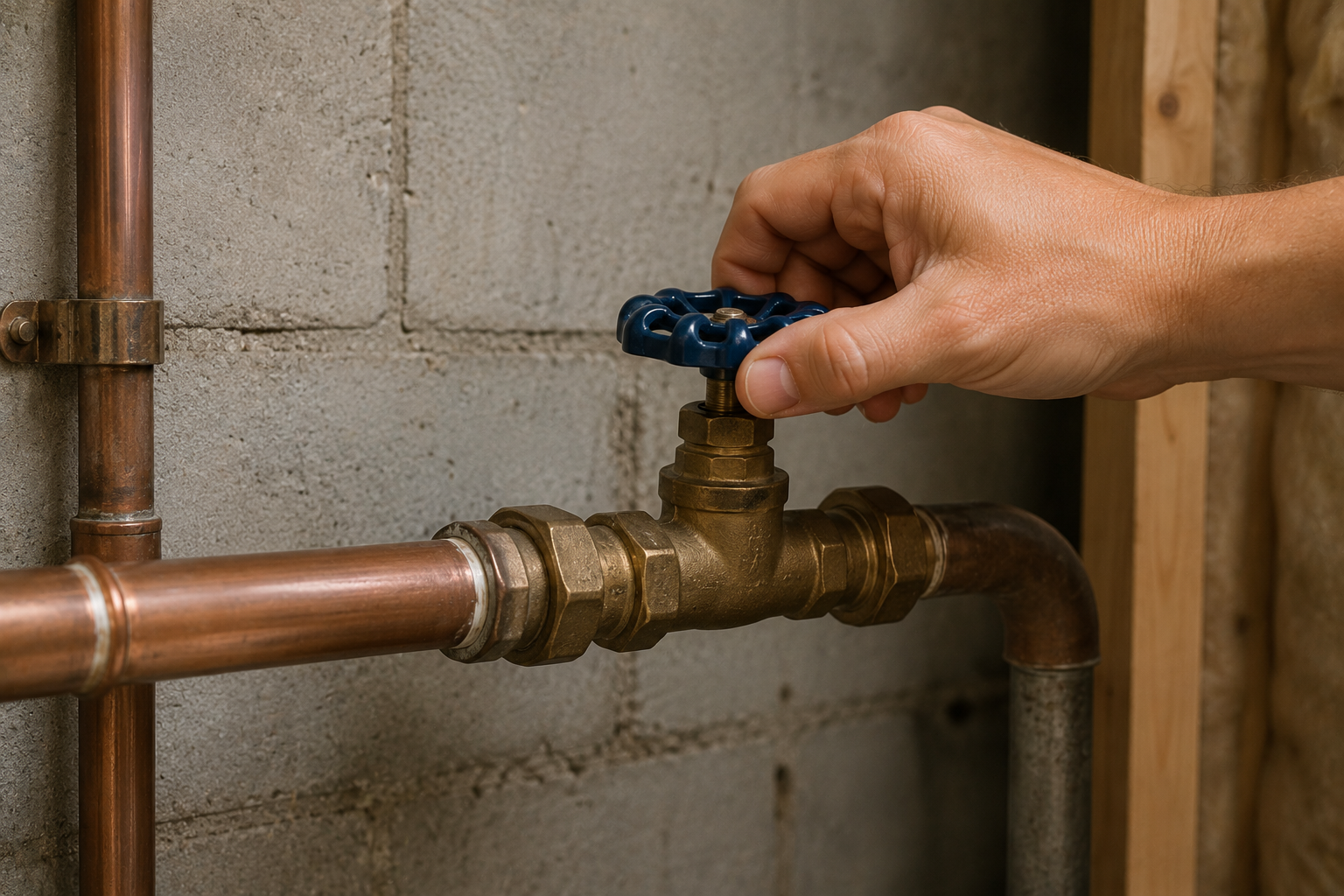
A partially closed main water valve can reduce water pressure throughout the house.
What to Do
- Locate the main shutoff valve.
- Make sure the valve is fully open.
- Test water pressure at other fixtures.
If pressure improves after opening the valve, the problem may already be solved.
Step 3: Inspect the Shower Hose and Plumbing Connections
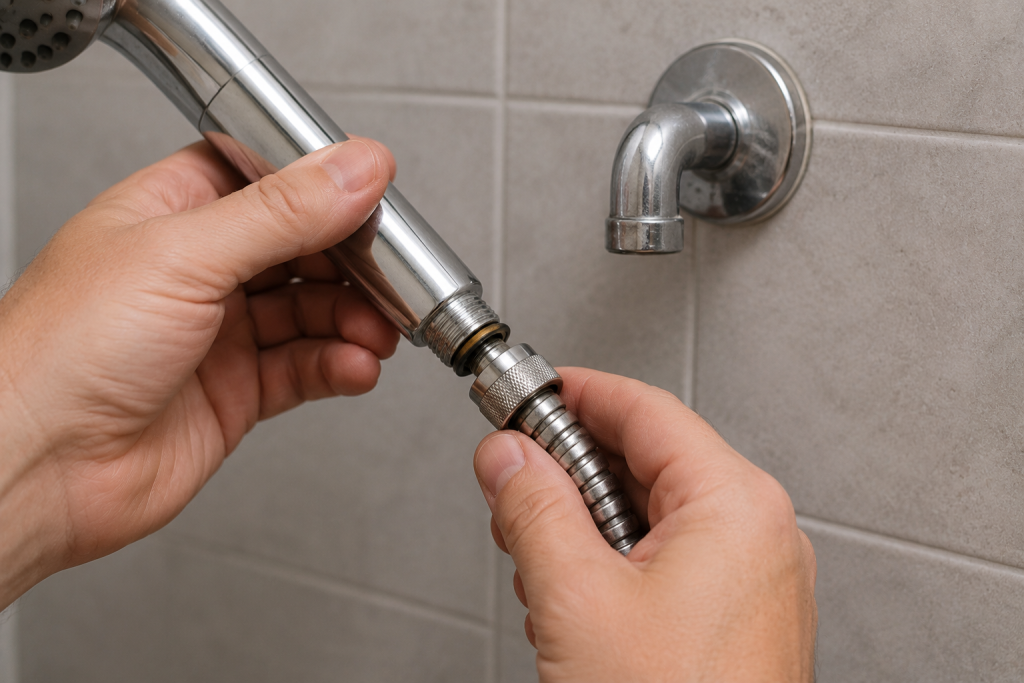
Loose or damaged plumbing connections can reduce water flow before it reaches the showerhead.
Signs of a Problem
- Dripping connections
- Water stains behind walls
- Leaks near the shower arm
- Rust or corrosion
Tighten loose fittings carefully and replace worn plumbing parts if needed.
If you notice water leaking near the wall, read: How to Fix a Leaky Faucet: 7 Easy Fixes to Stop the Drip Fast.
Step 4: Test Other Plumbing Fixtures
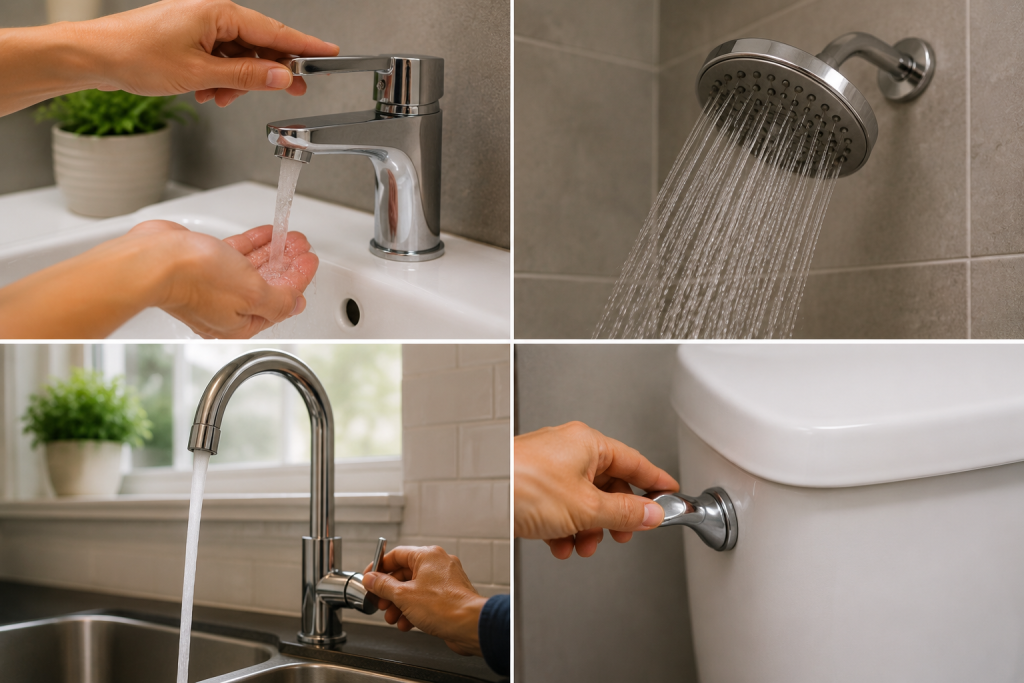
Testing other faucets and fixtures helps determine whether the issue affects only the shower or the entire house.
Check These Fixtures
- Bathroom sink
- Kitchen sink
- Outdoor spigots
- Other showers
If multiple fixtures have weak pressure, the issue may involve your plumbing system or municipal water supply.
Step 5: Look for Hidden Plumbing Leaks
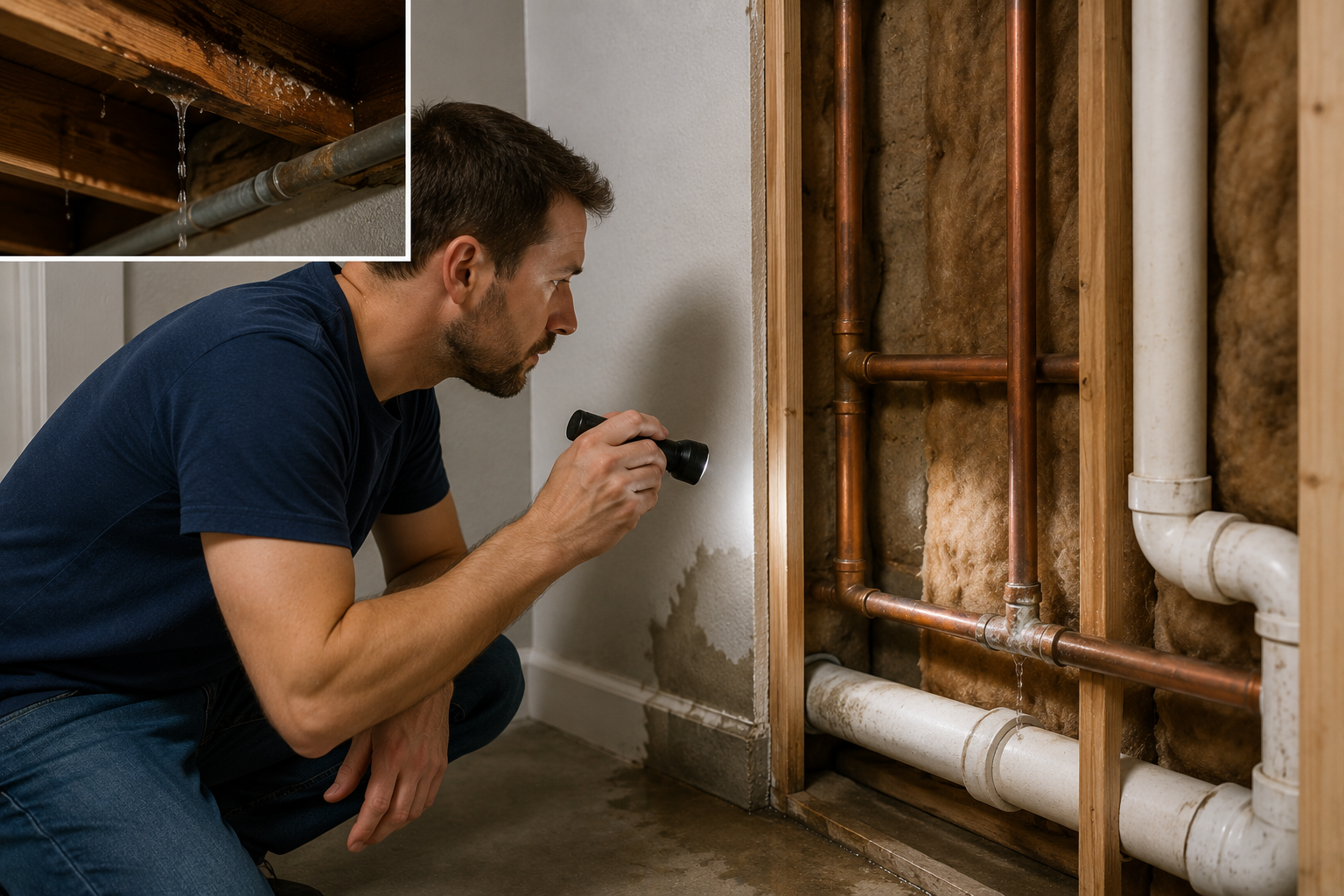
Leaks inside walls or under floors can reduce water pressure significantly.
Common Warning Signs
- Higher water bills
- Damp drywall
- Mold or mildew smells
- Water stains on ceilings
- Running water sounds when fixtures are off
A hidden plumbing leak may require professional repair.
For additional plumbing leak troubleshooting tips, visit This Old House.
Step 6: Check the Pressure Regulator
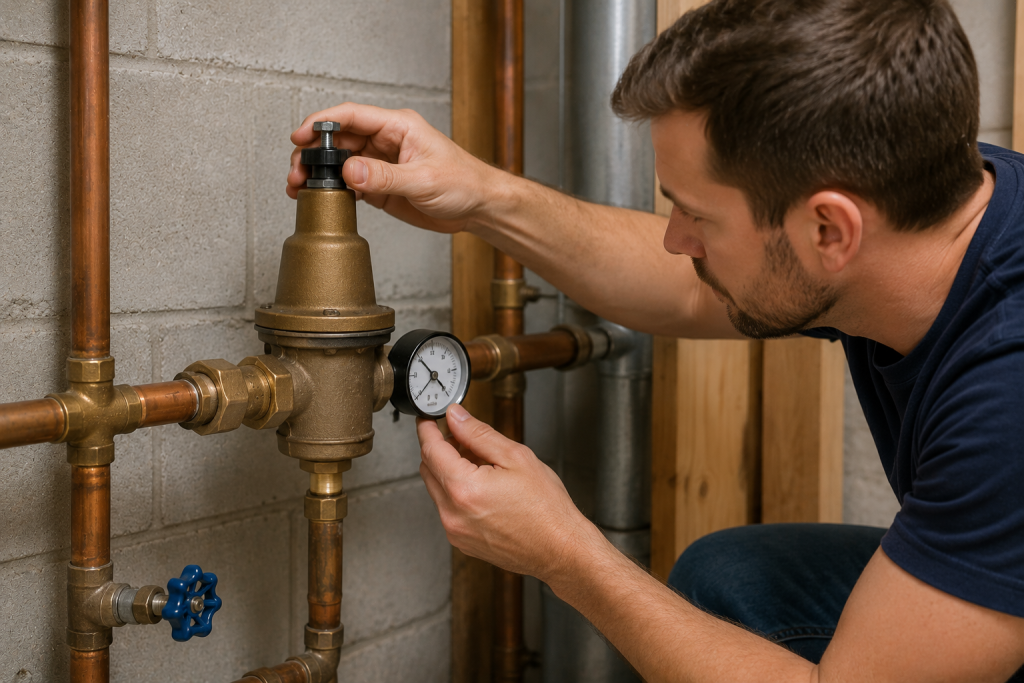
Some homes use a pressure regulator to control incoming water pressure. If it fails, your shower pressure may suddenly drop.
Symptoms of a Bad Pressure Regulator
- Sudden pressure changes
- Weak pressure throughout the house
- Vibrating pipes
- Pressure that fluctuates frequently
A plumber can test and replace the regulator if necessary.
Internal Link: If your pipes are also making unusual noises, read: /why-are-my-pipes-banging/
Step 7: Contact Your Water Utility or a Plumber
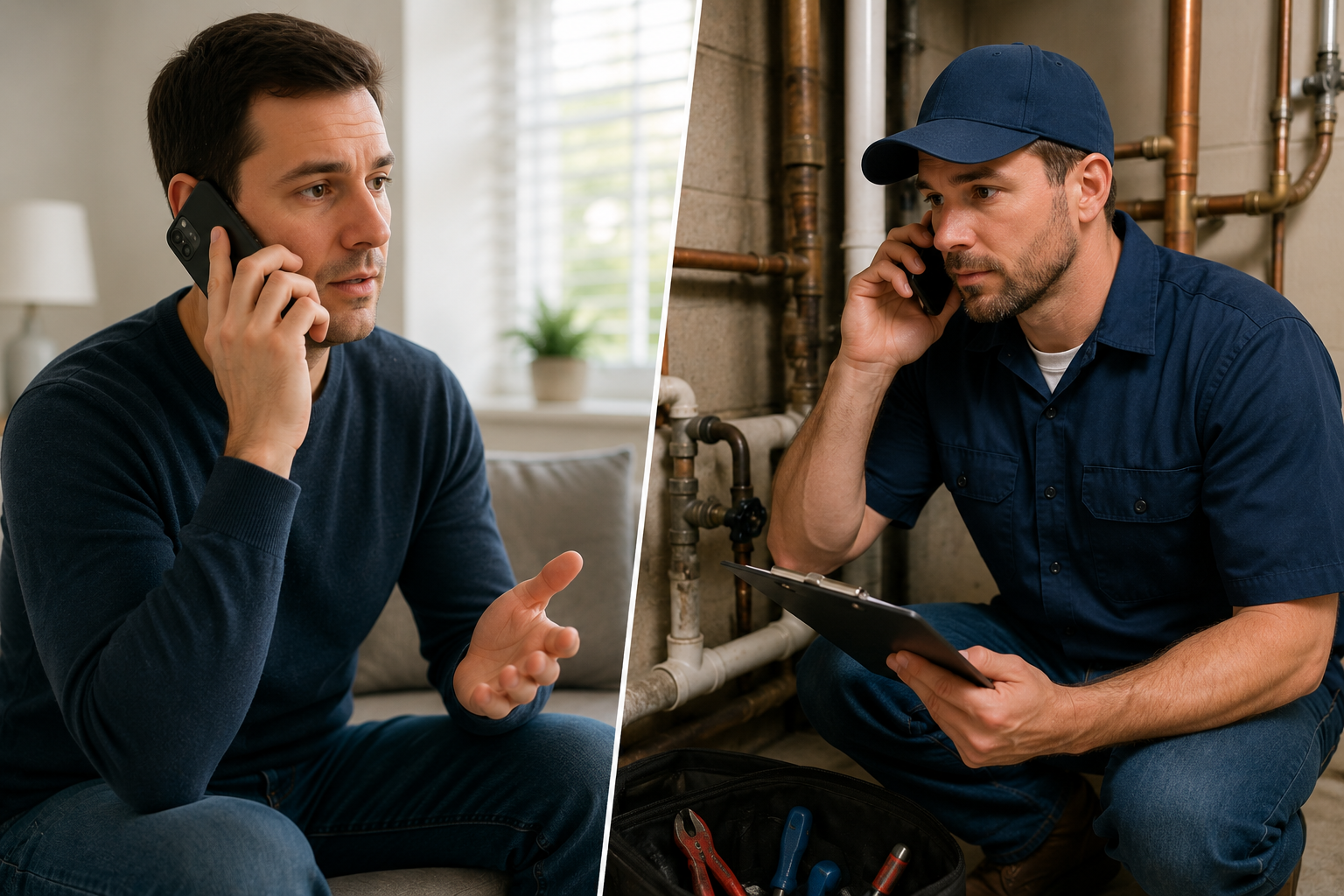
If none of these fixes restore normal pressure, the problem may involve:
- Municipal water supply issues
- Aging galvanized pipes
- Major plumbing blockages
- Severe corrosion inside pipes
A licensed plumber can inspect the plumbing system and recommend repairs.
When to Call a Professional
You should contact a plumber if:
- Water pressure suddenly drops throughout the house
- You suspect a hidden leak
- Pipes are heavily corroded
- The pressure regulator has failed
- DIY fixes do not improve the pressure
How to Prevent Low Shower Water Pressure
Preventive maintenance can help avoid future plumbing problems.
Prevention Tips
- Clean showerheads regularly
- Install a water softener if you have hard water
- Check plumbing connections annually
- Repair leaks quickly
- Replace aging plumbing fixtures when necessary
Frequently Asked Questions
Why is my shower pressure low but my sink pressure is normal?
This usually means the showerhead is clogged or the shower plumbing has a localized blockage.
What causes low water pressure in shower fixtures?
Clogged showerheads, partially closed valves, plumbing leaks, and failing pressure regulators are common causes of low water pressure in shower systems.
Can a bad showerhead cause low water pressure?
Yes. Mineral buildup and worn internal parts commonly reduce water flow.
Does hard water affect shower pressure?
Yes. Hard water minerals can clog showerheads and pipes over time.
Can old pipes reduce water pressure?
Yes. Corrosion inside older galvanized pipes can severely restrict water flow.
Looking for help with another plumbing problem? Browse our complete collection of plumbing repair and troubleshooting guides.
Final Thoughts
In many homes, low water pressure in shower fixtures can be fixed with simple maintenance and basic plumbing troubleshooting. Cleaning the showerhead, checking valves, and inspecting for leaks can often restore normal pressure quickly. If the problem affects the entire home or continues getting worse, it may be time to contact a professional plumber.