
Last updated: October 13, 2026
By Home Repair Genie
Quick Answer
If your toilet tank is not filling, the most common causes are a closed water supply valve, clogged fill valve, stuck float, kinked supply line, or faulty fill valve assembly. Start by checking the shutoff valve and inspecting the fill valve for debris before replacing any parts.
Toilet Tank Not Filling? Here’s What to Check First
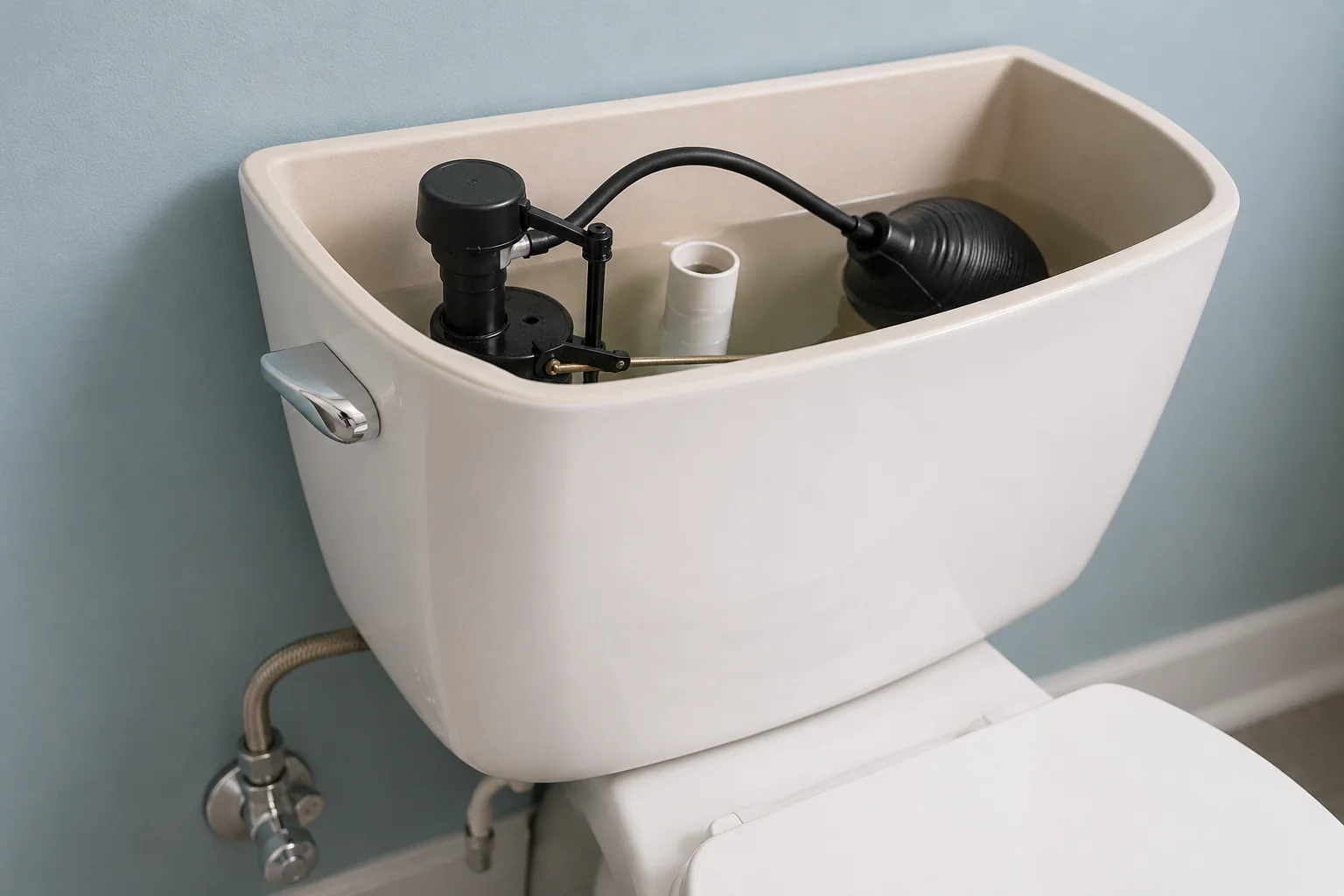
A toilet tank that will not refill after flushing can quickly become frustrating. Fortunately, many toilet fill problems are caused by simple issues homeowners can fix themselves without calling a plumber.
Modern toilets rely on a fill valve, float, water supply line, and flapper working together properly. If one component fails, the tank may stop refilling completely or refill very slowly.
Follow these troubleshooting steps to restore water flow and get your toilet working again.
Safety First Before Working on a Toilet
Before starting repairs:
- Turn off the toilet water supply valve
- Keep towels nearby for spills
- Avoid overtightening plastic parts
- Flush the toilet to drain excess water
- Use gloves if cleaning mineral buildup
Most toilet tank repairs are simple and safe for DIY homeowners.
Step 1: Make Sure the Water Supply Valve Is Fully Open
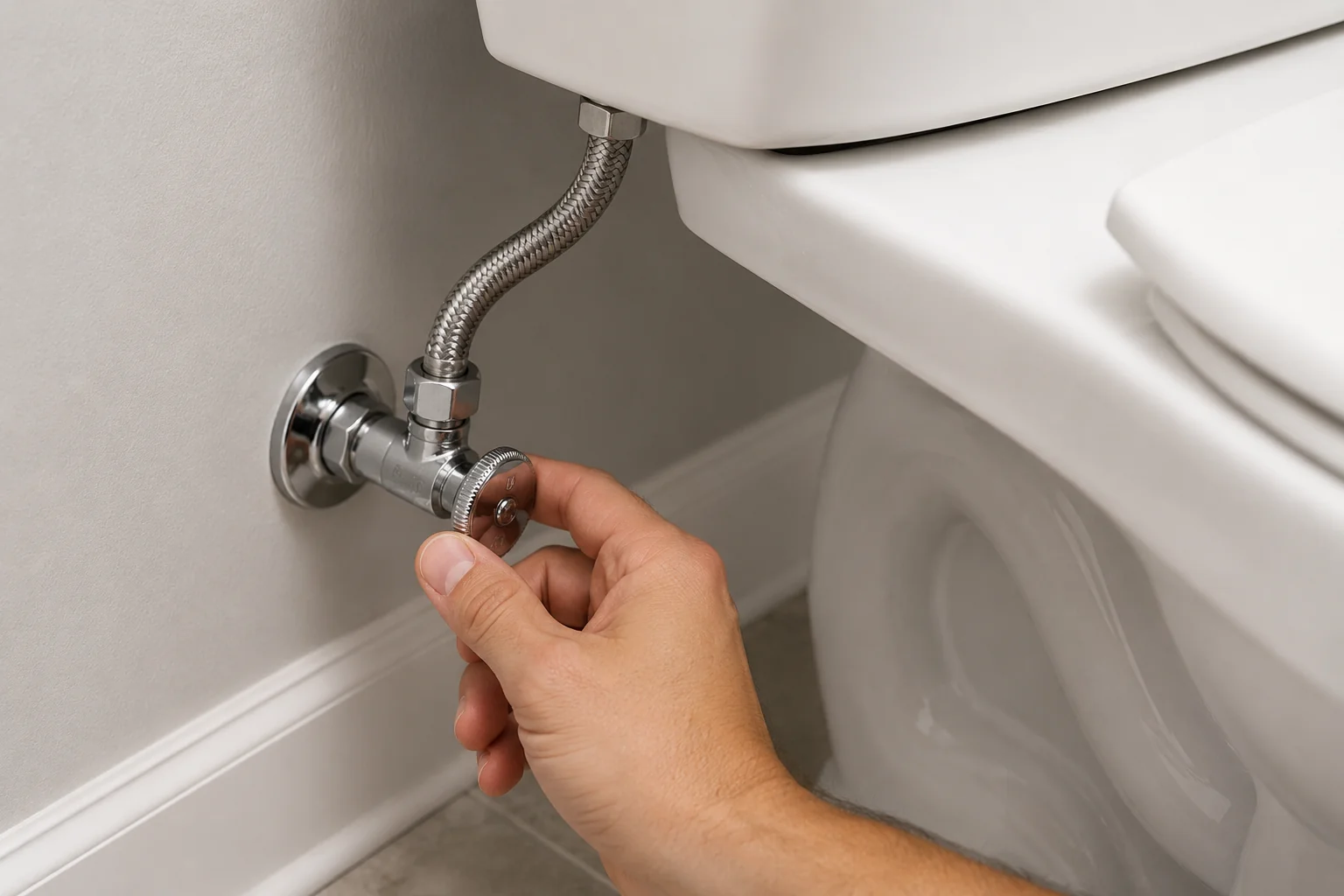
The shutoff valve near the base of the toilet controls water flow into the tank.
Sometimes the valve gets partially closed accidentally during cleaning or repairs.
Check that:
- The valve is turned fully counterclockwise
- Water flows properly through the supply line
- There are no visible leaks near the valve
If the valve feels stuck or corroded, it may need replacement.
If your toilet keeps running, read: How to Fix a Running Toilet: 7 Easy Fixes That Actually Work.
Step 2: Inspect the Toilet Fill Valve on a Toilet Tank Not Filling
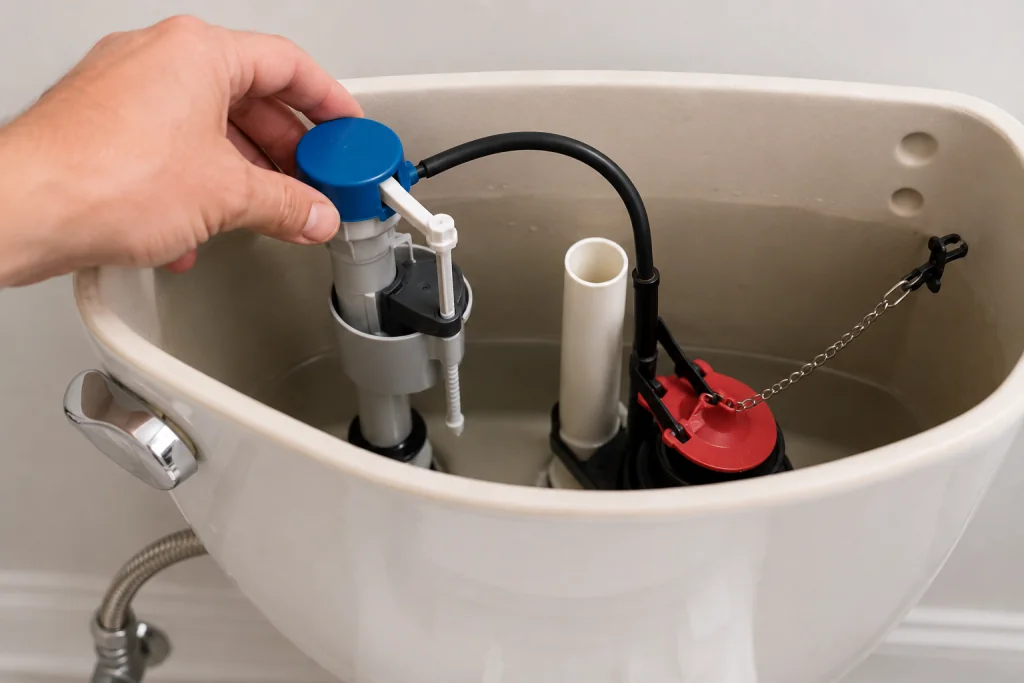
A clogged or failing fill valve is one of the most common causes of a toilet tank not filling.
Signs of a bad fill valve include:
- Weak water flow
- Hissing noises
- Intermittent filling
- Tank filling extremely slowly
- No water entering the tank
Mineral buildup inside the valve can restrict water flow over time.
Sometimes cleaning the valve restores proper operation.
Step 3: Check for a Stuck Float
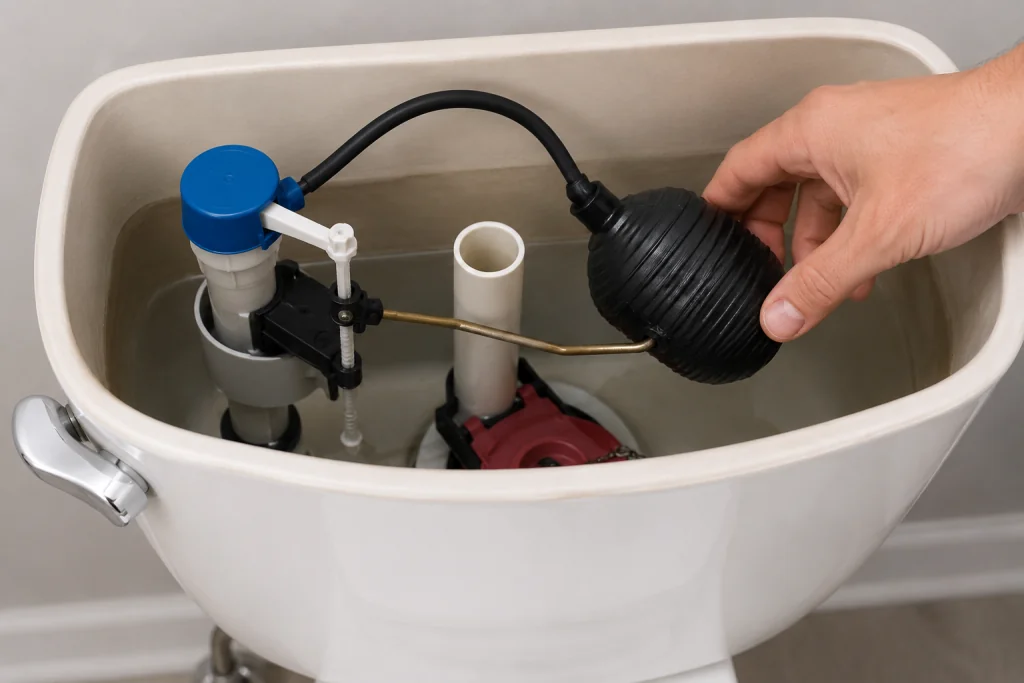
The float controls when the fill valve shuts off.
If the float becomes stuck in the raised position, the toilet may think the tank is already full.
Inspect the float for:
- Obstructions
- Mineral buildup
- Bent float arms
- Incorrect adjustment
Move the float gently up and down to see if it loosens.
Step 4: Inspect the Water Supply Line for Kinks or Blockages
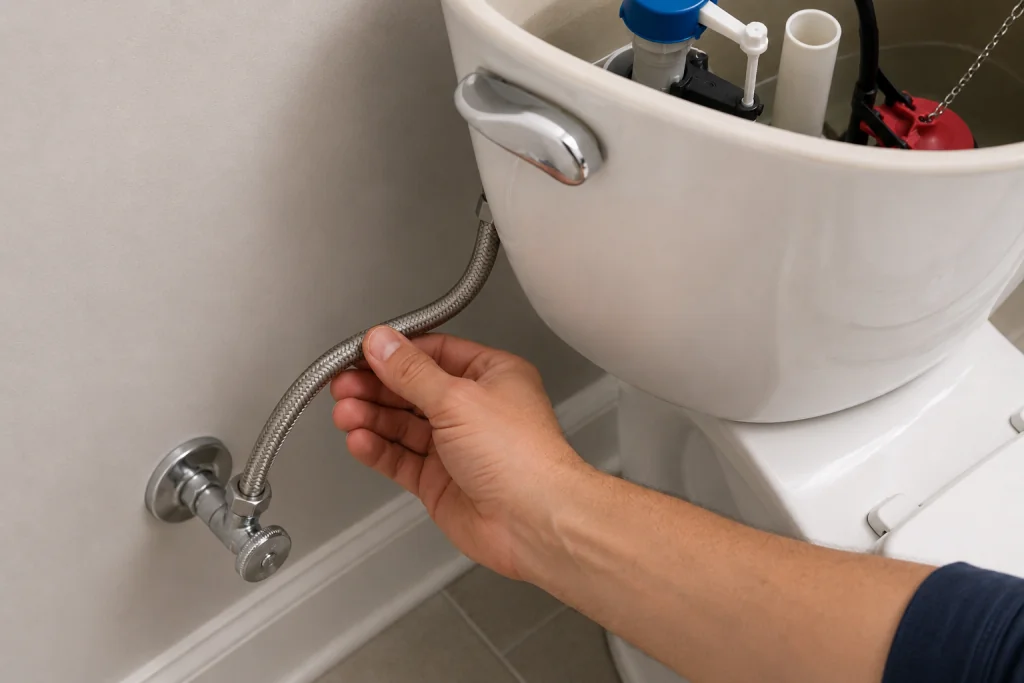
The flexible water supply line connects the shutoff valve to the toilet tank.
A kinked or partially blocked line can reduce or stop water flow completely.
Check for:
- Sharp bends
- Corrosion
- Mineral buildup
- Leaks around fittings
As an Amazon Associate I earn from qualifying purchases.
If the line is damaged, replace it with a toilet water supply line, checking the length and connection sizes against your existing line before ordering.
If your bathroom sink drains slowly too, read: How to Unclog a Drain: 7 Easy Fixes That Actually Work Fast.
Step 5: Clean Mineral Buildup From the Fill Valve
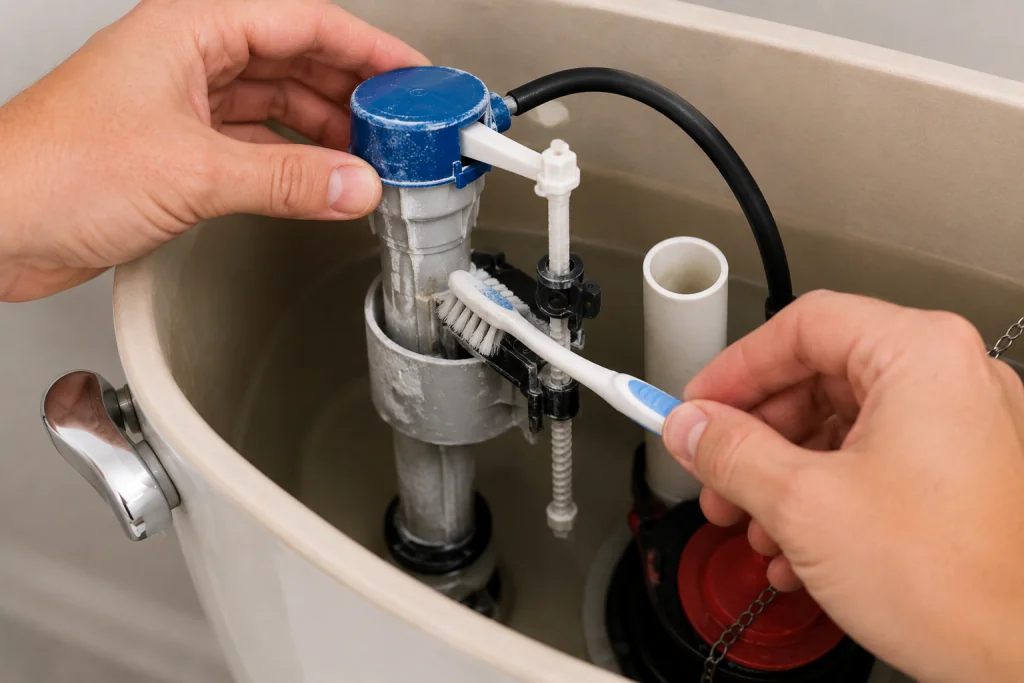
Hard water deposits can clog small openings inside the fill valve.
To clean it:
- Turn off the water supply
- Remove the fill valve cap
- Rinse debris from the valve
- Flush water briefly into a bucket
- Reassemble the valve
This often restores normal water pressure inside the tank.
Step 6: Replace the Fill Valve if Necessary
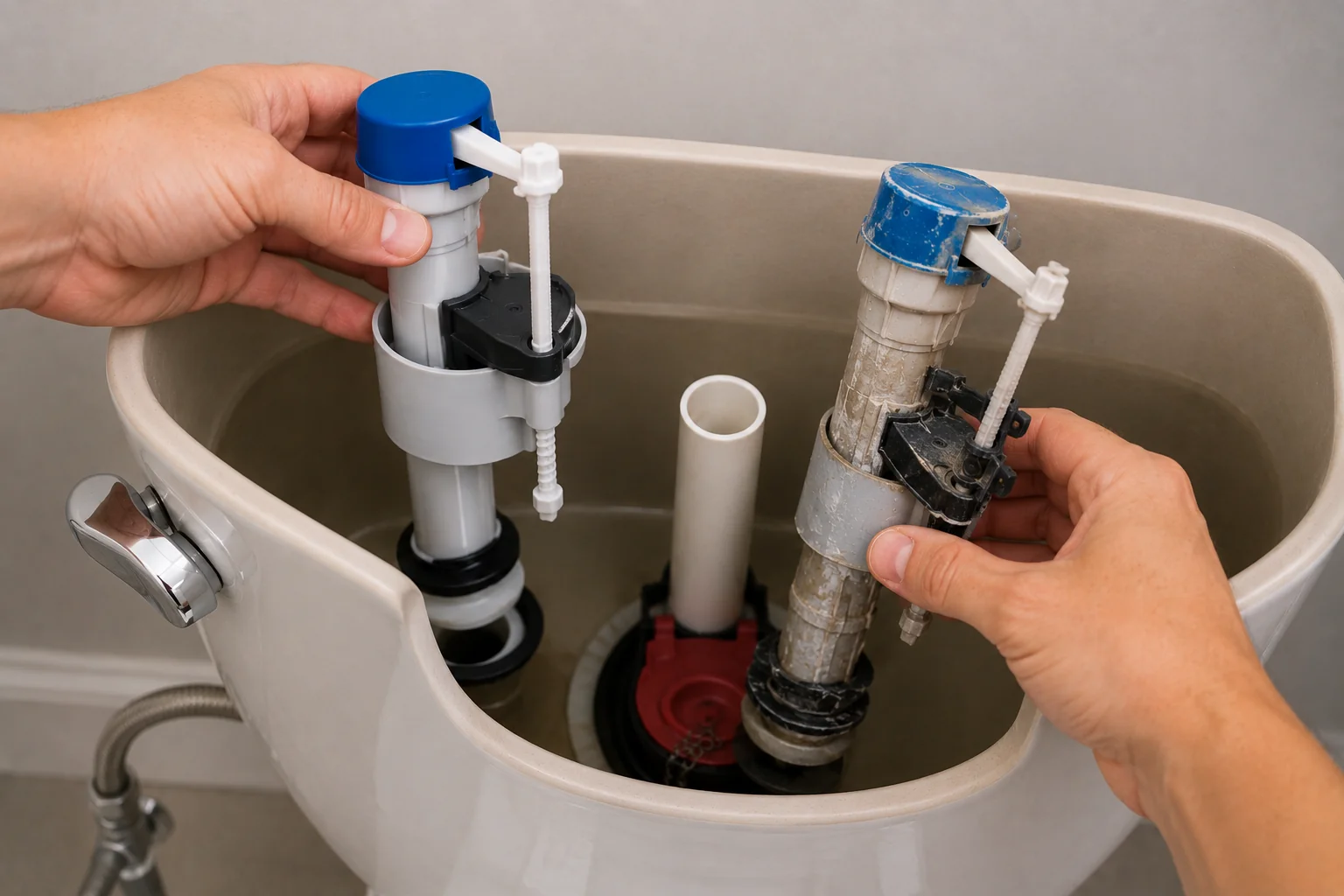
If cleaning does not work, the fill valve may simply be worn out.
Signs replacement is needed include:
- Constant sticking
- Weak refill speed
- Cracks or leaks
- Loud screeching noises
- Water failing to enter the tank consistently
Most toilet fill valves are inexpensive and you can find one here. Check that the valve fits your toilet before ordering.
If your toilet won’t flush properly, read: Why Your Toilet Won’t Flush: 7 Easy Fixes That Actually Work.
Step 7: Call a Plumber for Low Water Pressure or Hidden Plumbing Problems
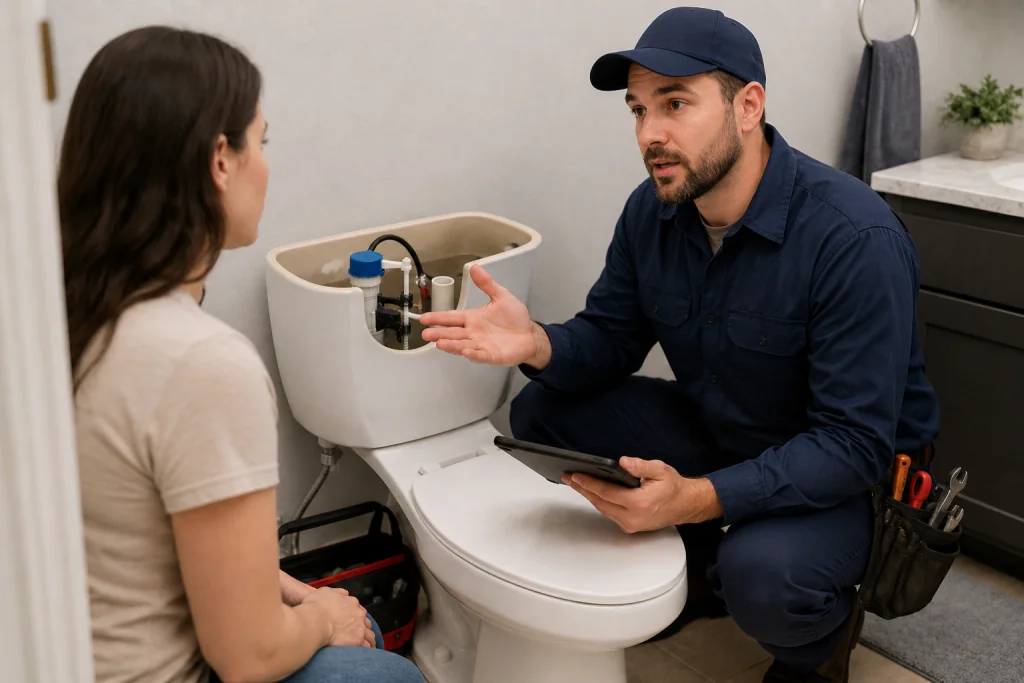
If the toilet tank still is not filling after replacing the fill valve, the issue could involve:
- Hidden pipe blockage
- Severe mineral buildup
- Low house water pressure
- Frozen plumbing
- Faulty shutoff valve inside the wall
A licensed plumber can diagnose more complex plumbing issues safely.
How to Prevent Toilet Fill Problems
Routine maintenance helps prevent future refill issues.
Helpful maintenance tips include:
- Exercise shutoff valves occasionally
- Clean mineral buildup yearly
- Replace aging supply lines
- Avoid harsh chemical cleaners inside the tank
- Inspect toilet components during cleaning
Preventive maintenance can extend the life of your toilet components.
For additional toilet repair and maintenance guidance, visit:
Fluidmaster Toilet Repair Guide
Frequently Asked Questions
Why is my toilet tank not filling after flushing?
The most common causes are a stuck float, clogged fill valve, closed shutoff valve, or faulty fill valve assembly.
Can a clogged fill valve stop the toilet tank from filling?
Yes. Mineral deposits and debris can block water flow through the fill valve.
How much does it cost to replace a toilet fill valve?
Most toilet fill valves cost between $10 and $30, making this one of the least expensive toilet repairs.
Why is my toilet filling very slowly?
Slow filling is often caused by mineral buildup, low water pressure, or a partially closed shutoff valve.
Should I replace the toilet or just the fill valve?
If the toilet itself is in good condition, replacing the fill valve is usually far cheaper than replacing the entire toilet.
Looking for help with another plumbing problem? Browse our complete collection of plumbing repair and troubleshooting guides.
Final Thoughts
A toilet tank not filling is often caused by a simple water flow or fill valve issue. In many cases, cleaning or replacing the fill valve restores normal toilet operation quickly and inexpensively.
Working through these troubleshooting steps carefully can help you solve the problem without needing professional plumbing repairs.