
Last updated: October 14, 2026
By Home Repair Genie
Quick Answer
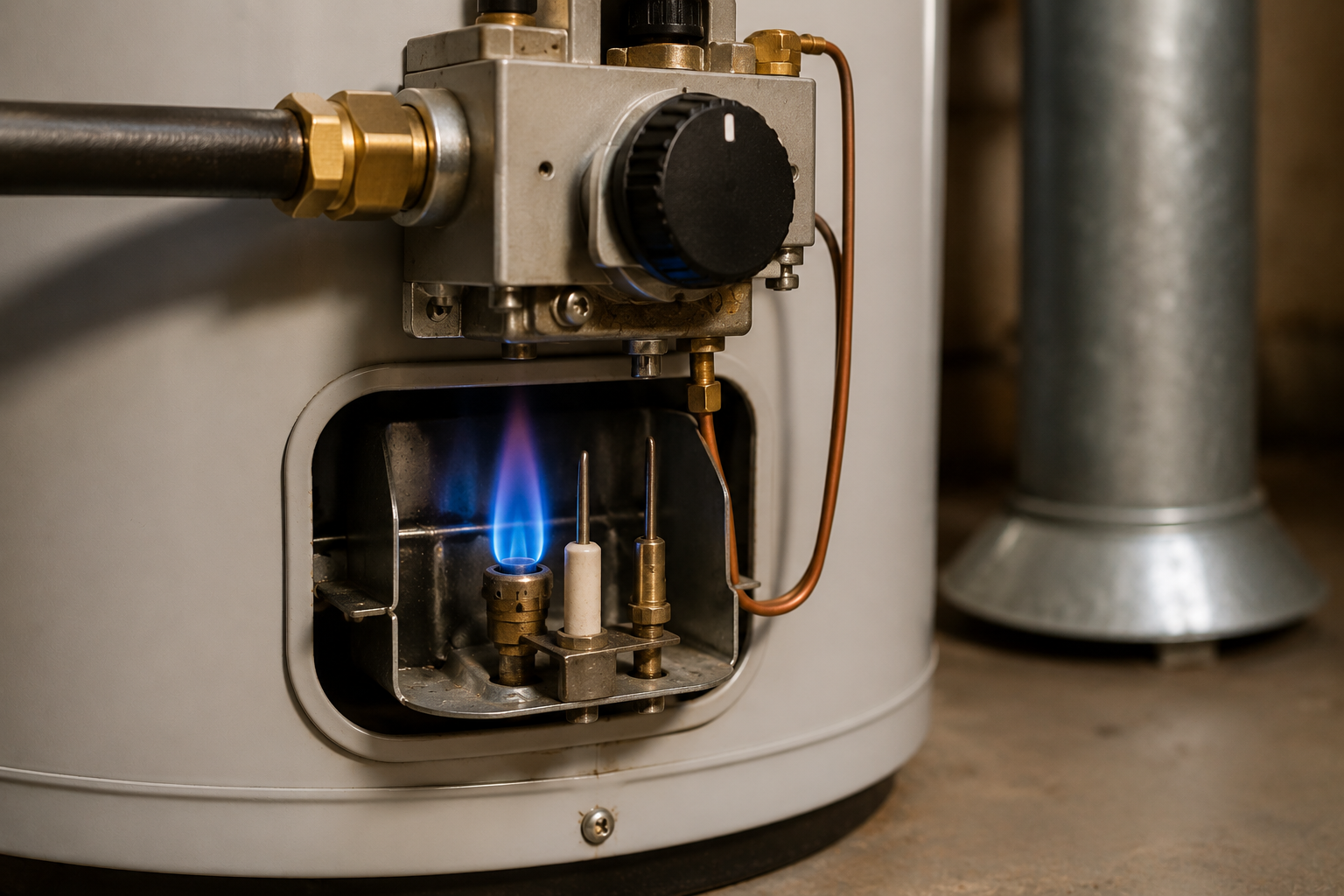
If your water heater pilot light won’t stay lit, the most common causes are a dirty thermocouple, a faulty thermocouple, a clogged pilot tube, insufficient gas supply, a defective gas control valve, or poor ventilation. Start by cleaning the pilot assembly and checking the thermocouple before considering more expensive repairs.
Why Won’t My Water Heater Pilot Light Stay Lit?
A pilot light should remain lit after you release the pilot button. If it immediately goes out or repeatedly extinguishes after lighting, the water heater is unable to maintain the flame needed to heat your home’s water. A water heater pilot light won’t stay lit issue is usually caused by a dirty thermocouple, restricted pilot tube, or gas supply problem.
Fortunately, many pilot light problems can be diagnosed without replacing the entire water heater.
Common causes include:
- Dirty thermocouple
- Failed thermocouple
- Dirty pilot tube
- Weak gas supply
- Defective gas control valve
- Drafts blowing out the flame
- Dirty burner assembly
- Ventilation problems
Step 1: Inspect the Pilot Flame
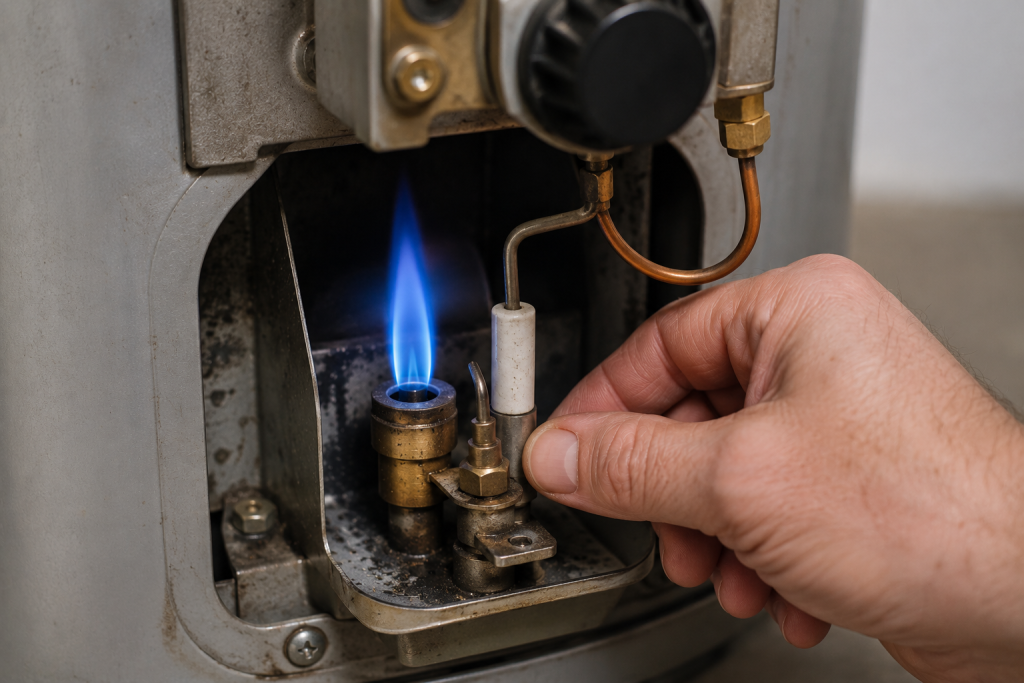
Before replacing any parts, examine the pilot flame.
A healthy pilot flame should:
- Burn mostly blue
- Completely surround the thermocouple tip
- Burn steadily without flickering
- Produce very little yellow coloring
As an Amazon Associate I earn from qualifying purchases.
If the flame is weak, yellow, or barely touches the thermocouple, the pilot assembly likely needs cleaning.A compact LED flashlight can make it easier to inspect the viewing window and nearby components in a dim utility room. Observe the pilot through the designated viewing window and follow the manufacturer’s instructions for access.
Step 2: Clean the Thermocouple
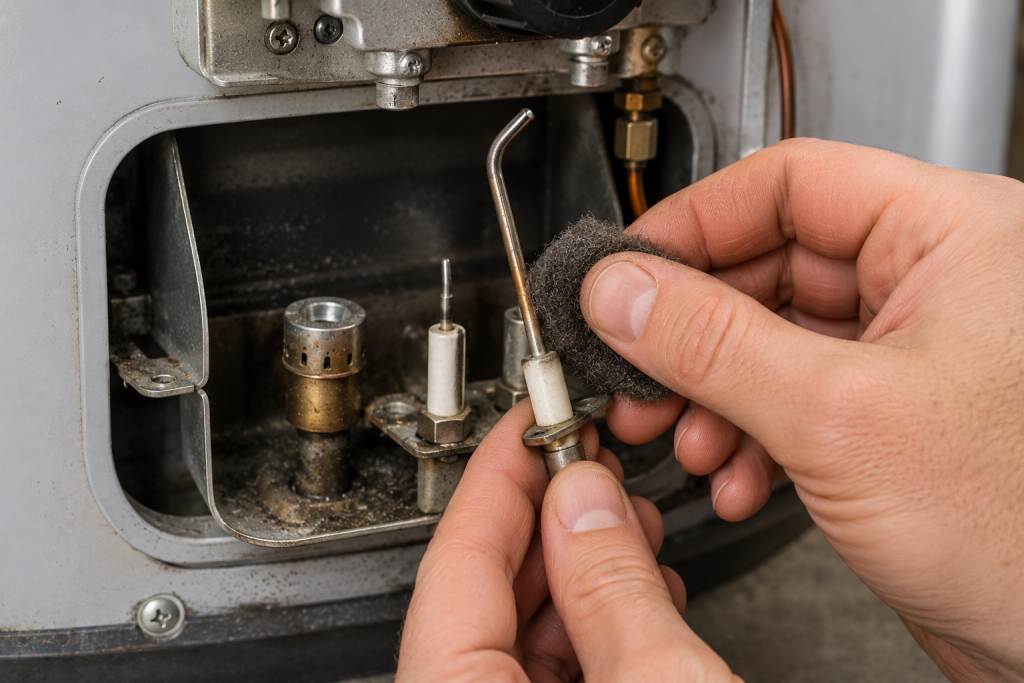
The thermocouple is one of the most common reasons a water heater pilot light won’t stay lit.
Over time, soot and carbon buildup prevent it from sensing the pilot flame properly.
How to clean it
- Turn the gas control valve to OFF.
- Allow the burner assembly to cool.
- Remove the burner access cover.
- Lightly polish the thermocouple with fine steel wool or emery cloth.
- Wipe away any debris.
- Reassemble the burner compartment.
If your water heater’s manufacturer permits cleaning the thermocouple with an abrasive, fine emery cloth is one option. Follow the model’s service instructions, use light pressure, and remove any remaining debris before reassembly.
Relight the pilot according to the manufacturer’s instructions.
Related Guide:
Water Heater Leaking From Bottom? 7 Fixes to Stop the Leak
Step 3: Check the Thermocouple Position
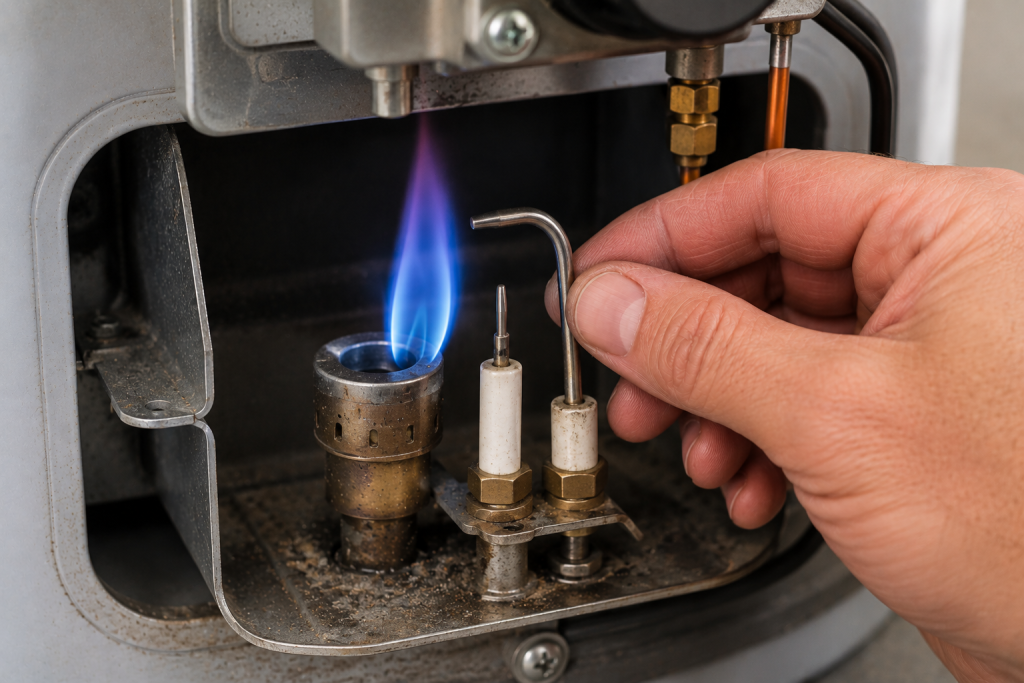
Even a good thermocouple won’t work if it isn’t positioned correctly.
The tip should sit directly inside the hottest part of the pilot flame.
Look for:
- Bent thermocouple
- Loose mounting bracket
- Tip sitting outside the flame
- Physical damage
Carefully reposition it if necessary.
Step 4: Clean the Pilot Tube
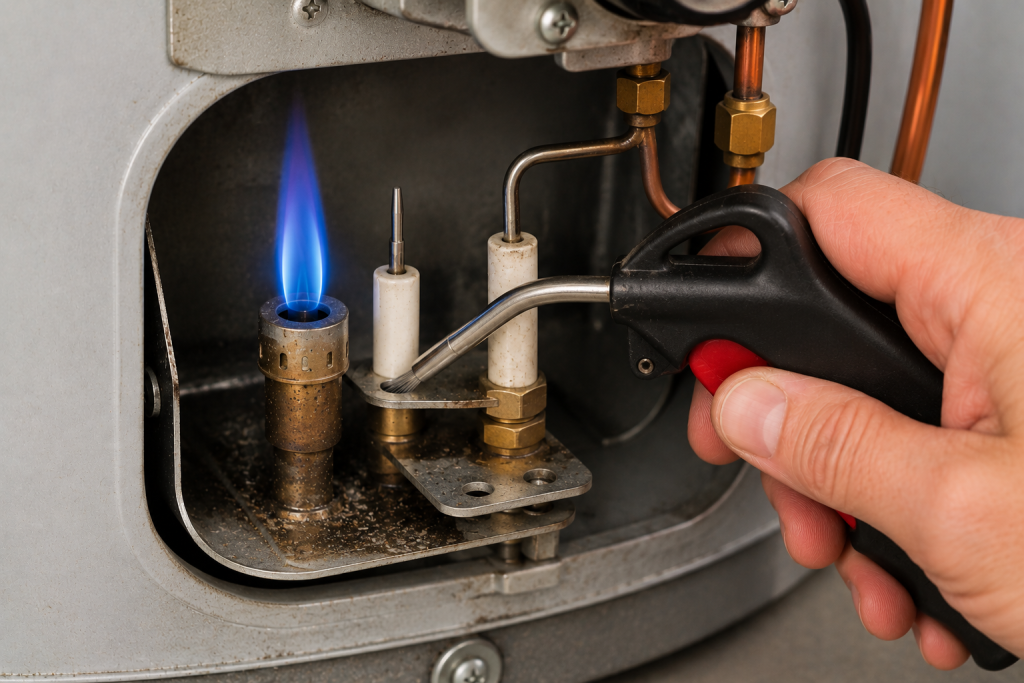
Dust, rust, or spider webs inside the pilot tube can restrict gas flow.
Signs include:
- Small pilot flame
- Yellow flame
- Flame that easily blows out
- Difficulty lighting the pilot
After shutting off the gas, carefully clean the pilot opening using compressed air. Avoid enlarging the opening with wire or drill bits.
Step 5: Verify the Gas Supply
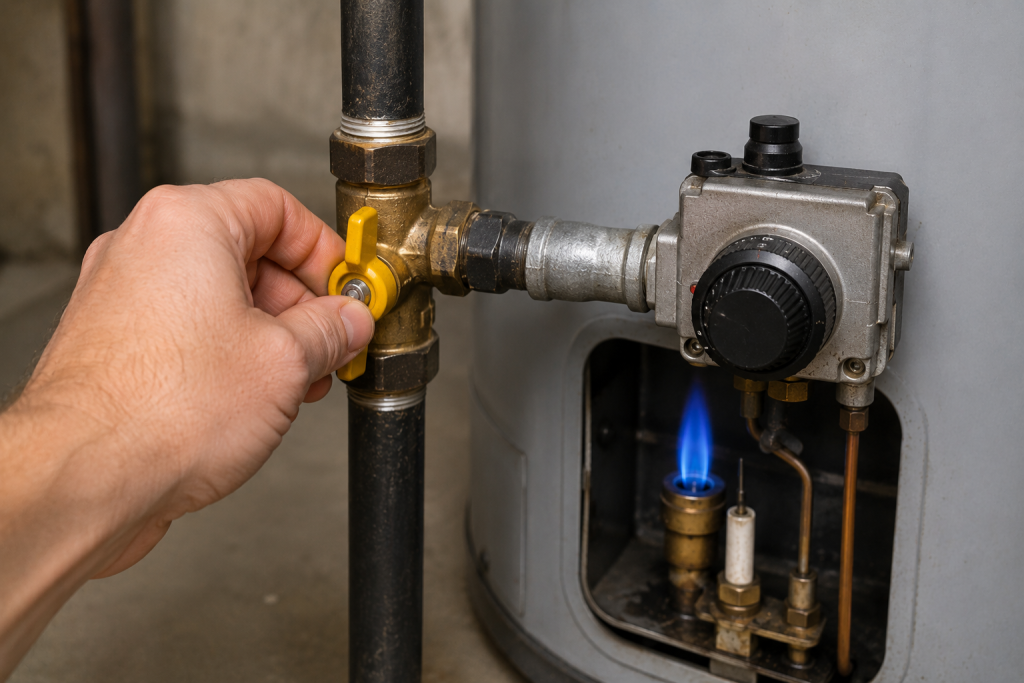
A weak gas supply can prevent the pilot from remaining lit.
Check for:
- Gas shutoff valve fully open
- Recently completed gas service
- Other gas appliances operating normally
- Empty propane tank (if applicable)
If multiple gas appliances are malfunctioning, contact your gas utility or propane supplier.
Related Guide:
Water Heater Not Producing Hot Water? 7 Easy Fixes That Actually Work (Step-by-Step Guide)
Step 6: Inspect for Drafts
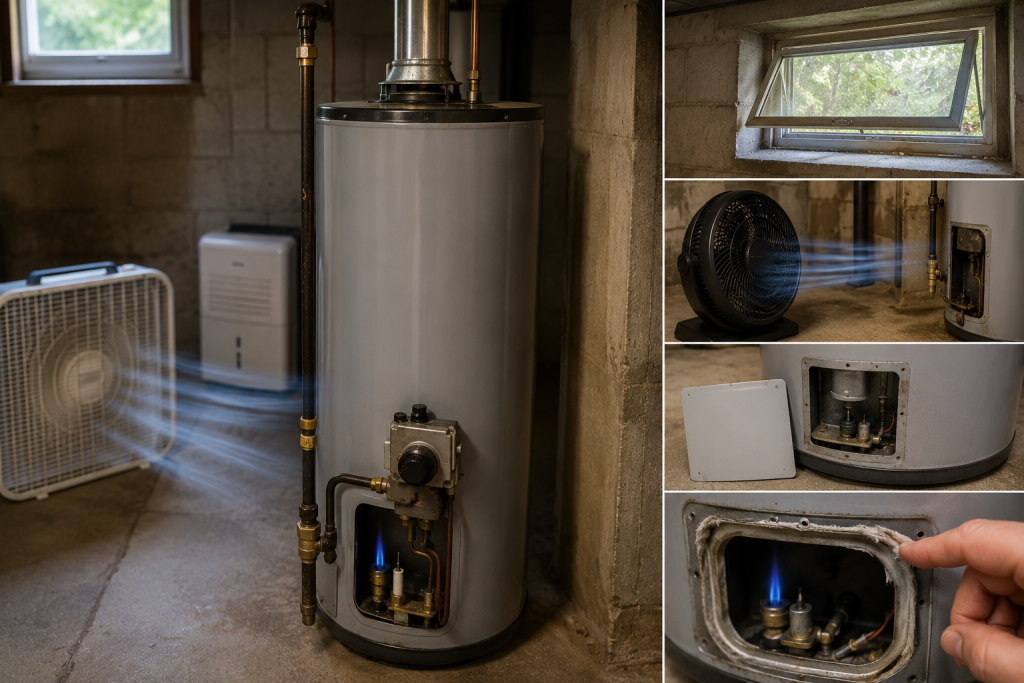
Strong air movement can extinguish the pilot flame.
Look for:
- Open basement windows
- Fans blowing toward the water heater
- Missing burner access panel
- Damaged combustion chamber seals
Modern sealed combustion water heaters are especially sensitive to missing covers.
Never operate the heater with access panels removed unless instructed by the manufacturer.
Step 7: Replace a Faulty Thermocouple
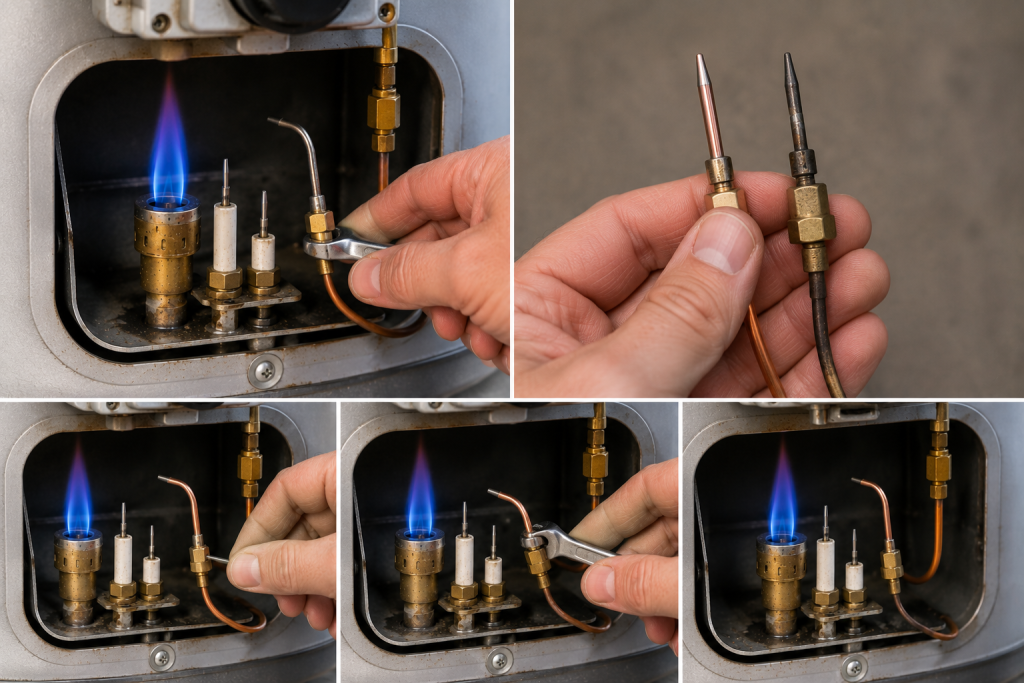
If cleaning doesn’t solve the problem, the thermocouple itself may have failed.
Common symptoms include:
- Pilot lights normally
- Flame goes out immediately after releasing the pilot button
- Pilot flame appears healthy
- Problem repeats every time
Fortunately, thermocouples are inexpensive and often cost less than replacing larger gas control components. If your water heater pilot light won’t stay lit after cleaning the thermocouple, replacing it is often the next logical repair.
Before purchasing parts, check your water heater’s model-specific documentation. Some models use a thermopile or require a complete pilot assembly rather than a separate thermocouple. These parts are not interchangeable.
If diagnosis confirms a failed thermocouple, browse replacement water heater thermocouples on Amazon. Verify the manufacturer’s specified part number for your exact model before ordering; a part labeled “universal” may not fit your heater. Follow the manufacturer’s replacement instructions or have a qualified technician install it.
Step 8: Test the Gas Control Valve
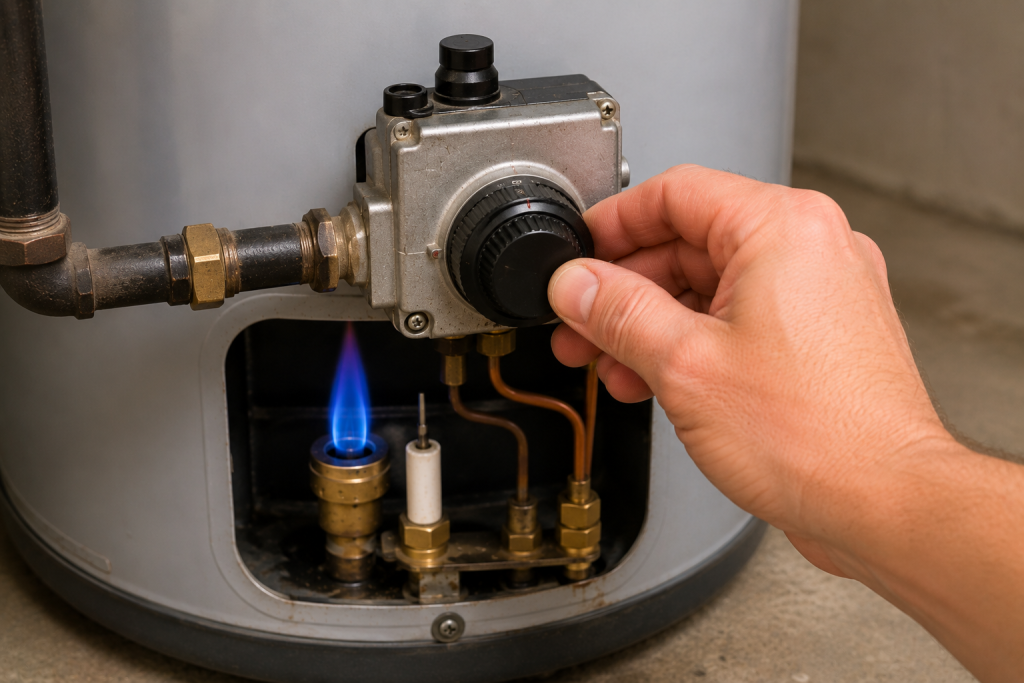
If every other component appears to be functioning properly, the gas control valve may no longer detect the thermocouple signal. When a water heater pilot light won’t stay lit even after replacing the thermocouple, the gas control valve becomes a likely suspect.
Possible symptoms include:
- New thermocouple doesn’t solve the problem
- Good pilot flame
- Proper gas supply
- Pilot still won’t remain lit
Gas control valve replacement typically requires shutting off the gas supply and should generally be performed by a qualified technician.
When to Call a Professional
Stop troubleshooting and contact a licensed plumber or HVAC technician if:
- You smell natural gas.
- The gas control valve appears damaged.
- The pilot won’t ignite at all.
- The burner compartment is heavily rusted.
- The vent pipe is damaged.
- You’re uncomfortable working around gas appliances.
If you ever smell gas inside your home, leave the building immediately and contact your gas utility.
How to Prevent Pilot Light Problems
Routine maintenance can significantly reduce pilot light issues.
Helpful tips include:
- Flush the water heater annually.
- Keep the burner compartment clean.
- Vacuum dust around the burner.
- Inspect the vent system yearly.
- Schedule professional maintenance every few years.
- Replace worn thermocouples promptly.
Proper maintenance extends the life of both the burner assembly and gas controls.
Frequently Asked Questions
Why does my water heater pilot light go out after I release the button?
The most common cause is a dirty or failed thermocouple that cannot properly sense the pilot flame.
Can I replace a thermocouple myself?
Many homeowners can replace a thermocouple with basic hand tools, provided they carefully follow the manufacturer’s instructions and shut off the gas before beginning.
Is it safe to relight my water heater pilot?
Yes, provided you follow the lighting instructions on the water heater and do not smell natural gas. If gas is present, stop immediately and contact your gas utility.
How much does it cost to replace a thermocouple?
A replacement thermocouple is relatively inexpensive, though professional installation will increase the overall cost.
Can a clogged pilot tube cause the pilot light to go out?
Yes. A partially clogged pilot tube can produce a weak flame that fails to properly heat the thermocouple.
Should I replace my water heater if the pilot won’t stay lit?
Not necessarily. In many cases, cleaning or replacing the thermocouple restores normal operation without replacing the entire water heater.
Looking for help with another plumbing problem? Browse our complete collection of plumbing repair and troubleshooting guides.
Final Thoughts
A water heater pilot light won’t stay lit for several possible reasons, but most problems trace back to the thermocouple, pilot assembly, or gas supply. By working through these troubleshooting steps in order, you can often identify the cause without replacing the water heater.
For additional gas water heater safety information, visit the U.S. Consumer Product Safety Commission for guidance on maintaining gas appliances safely.