
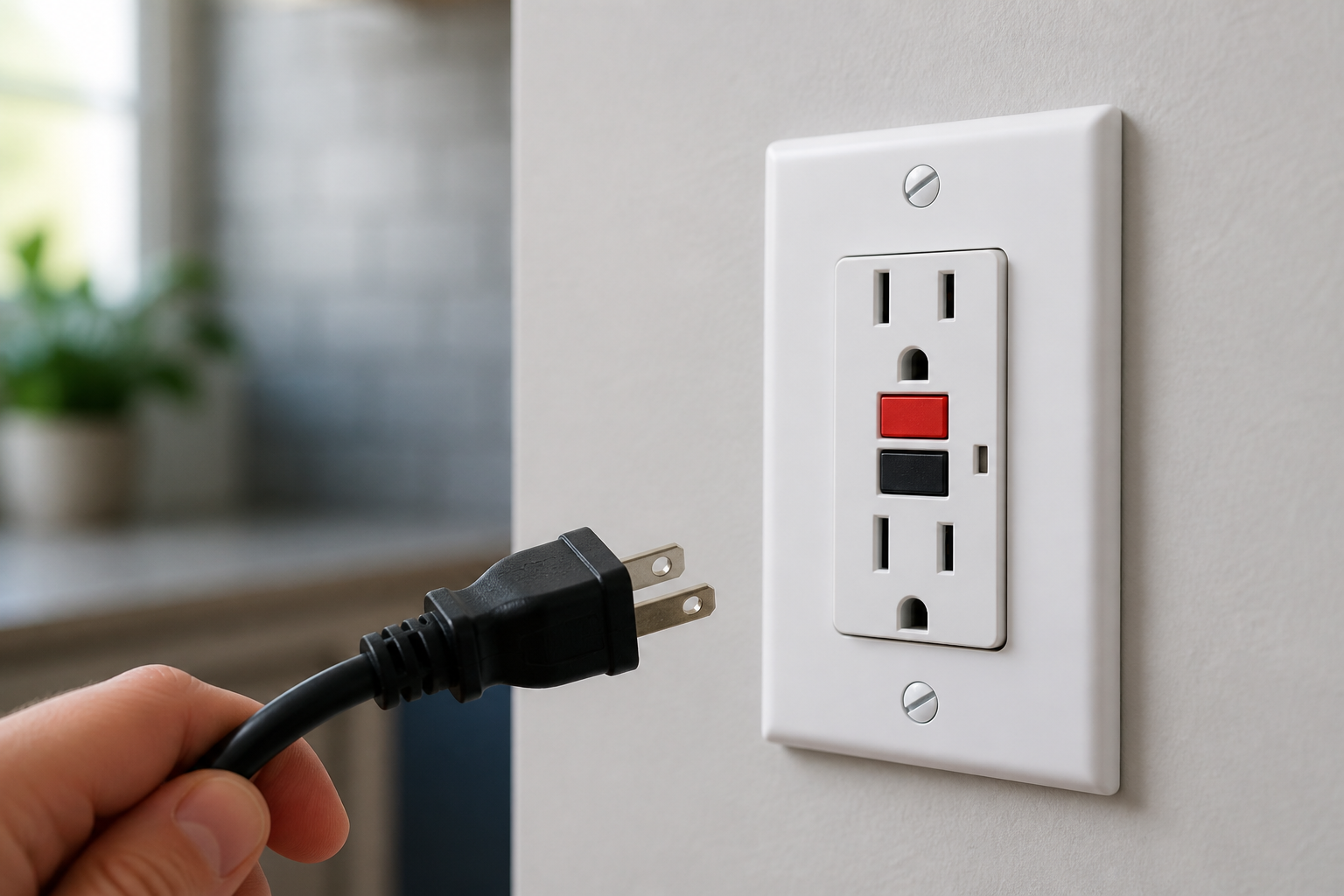
Last updated: October 3, 2026
By Home Repair Genie
If your GFCI outlet keeps tripping, it usually means the outlet is detecting moisture, a wiring issue, or an electrical fault somewhere on the circuit. A GFCI outlet keeps tripping when it detects unsafe electrical conditions somewhere on the circuit. In many cases, the problem is simple to fix without calling an electrician.
This step-by-step guide walks you through the most common causes and fixes for a GFCI outlet that keeps tripping.
What Is a GFCI Outlet?
A GFCI (Ground Fault Circuit Interrupter) outlet is designed to shut off power instantly when it detects electricity flowing somewhere it should not.
These outlets are commonly installed in:
- Bathrooms
- Kitchens
- Garages
- Basements
- Outdoor areas
- Laundry rooms
A tripping GFCI outlet is often protecting you from shock hazards, so it is important not to ignore the issue.
Common Reasons Your GFCI Outlet Keeps Tripping
Before starting repairs, here are the most common causes:
- Moisture inside the outlet
- A faulty appliance
- Overloaded circuit
- Loose wiring
- Damaged outlet
- Ground faults
- Worn-out GFCI outlet
Tools You May Need
As an Amazon Associate I earn from qualifying purchases.
- Flashlight
- Dry towel
- Voltage tester
- Screwdriver
- Replacement GFCI outlet
- Safety gloves
Step 1: Unplug Everything From the Outlet
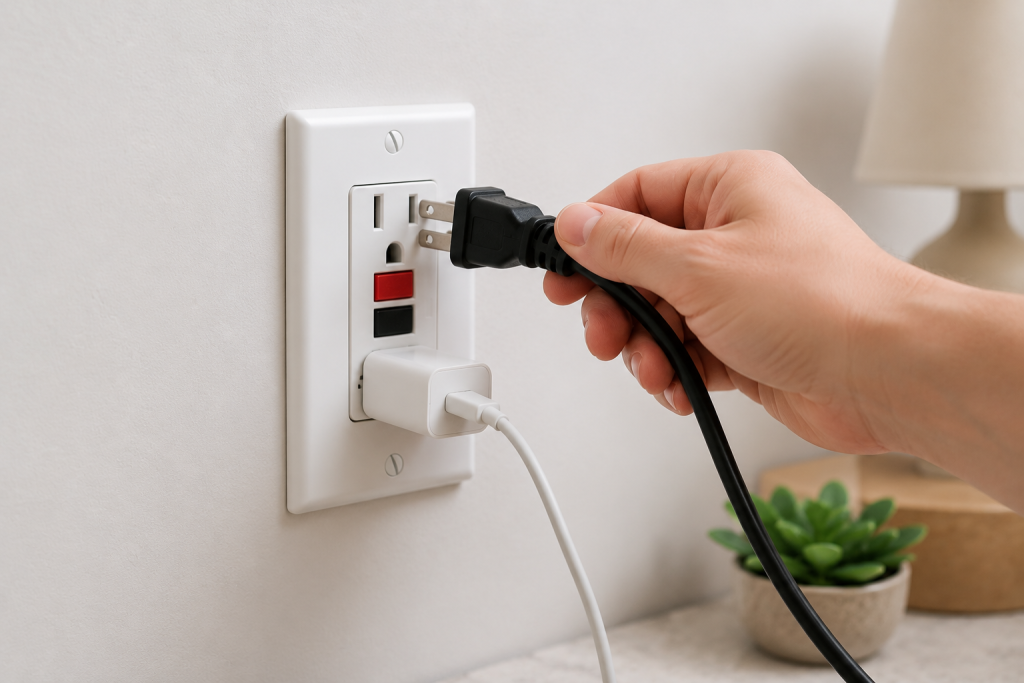
Why This Works
A faulty appliance is one of the most common reasons a GFCI outlet keeps tripping.
What to Do
- Unplug everything connected to the outlet.
- Press the RESET button.
- Wait several minutes.
- Plug devices back in one at a time.
If the outlet trips after plugging in one specific device, that appliance is likely the problem. If the outlet still has no power afterward, read our guide on how to fix an outlet that’s not working.
Step 2: Check for Moisture or Water
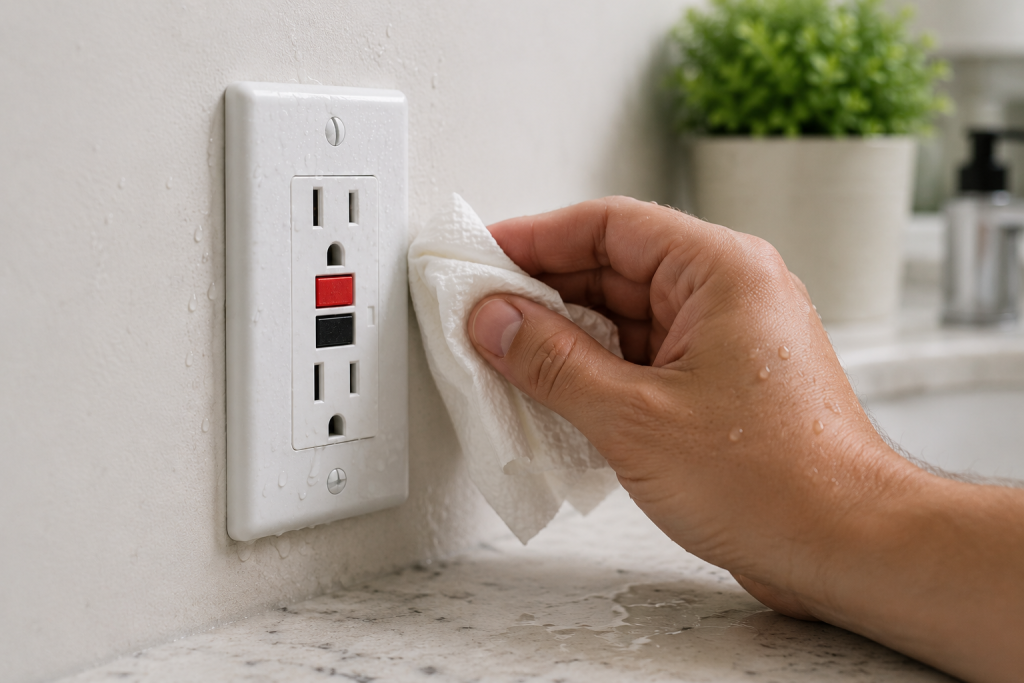
Why This Works
GFCI outlets are extremely sensitive to moisture. Moisture is one of the biggest reasons a GFCI outlet keeps tripping in bathrooms, kitchens, and outdoor areas.
What to Do
- Inspect the outlet for water or condensation.
- Dry the outlet area completely.
- Check nearby sinks, pipes, or outdoor exposure.
- Allow the outlet to dry before pressing RESET again.
Outdoor outlets and bathroom outlets commonly trip after rain or humidity exposure. Kitchen moisture and appliance issues can also create electrical problems similar to a garbage disposal humming but not working.
Step 3: Press RESET Properly
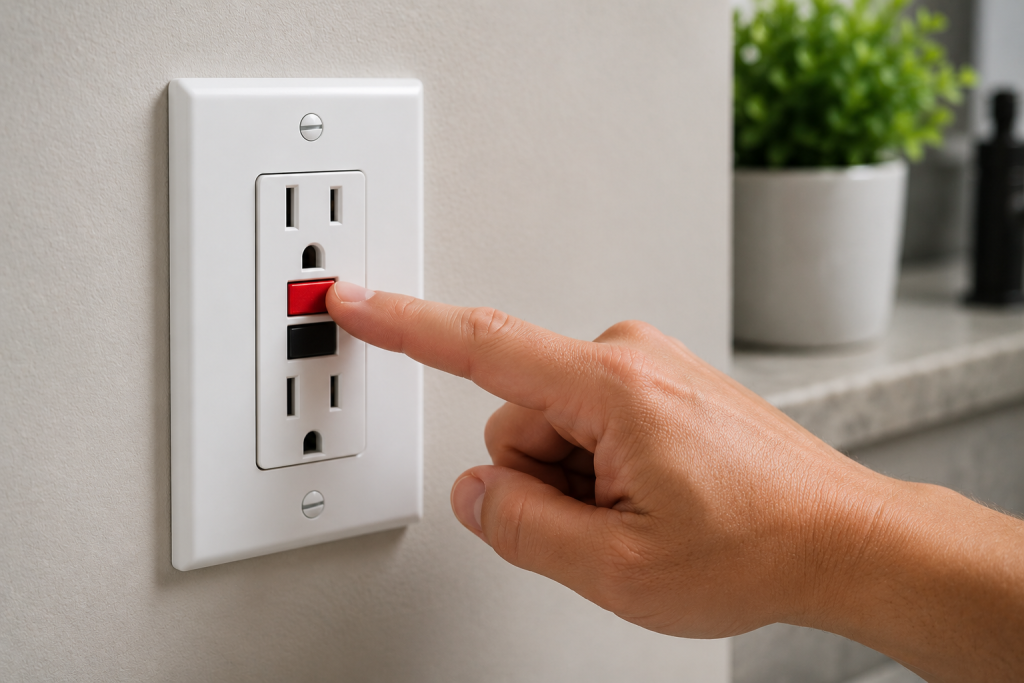
Why This Works
Sometimes the outlet does not fully reset.
What to Do
- Press the TEST button first.
- Firmly press the RESET button until it clicks.
- Hold it for several seconds if necessary.
- Test the outlet again.
If the RESET button will not stay engaged, there may be a deeper electrical issue.
Step 4: Check Other Outlets on the Circuit
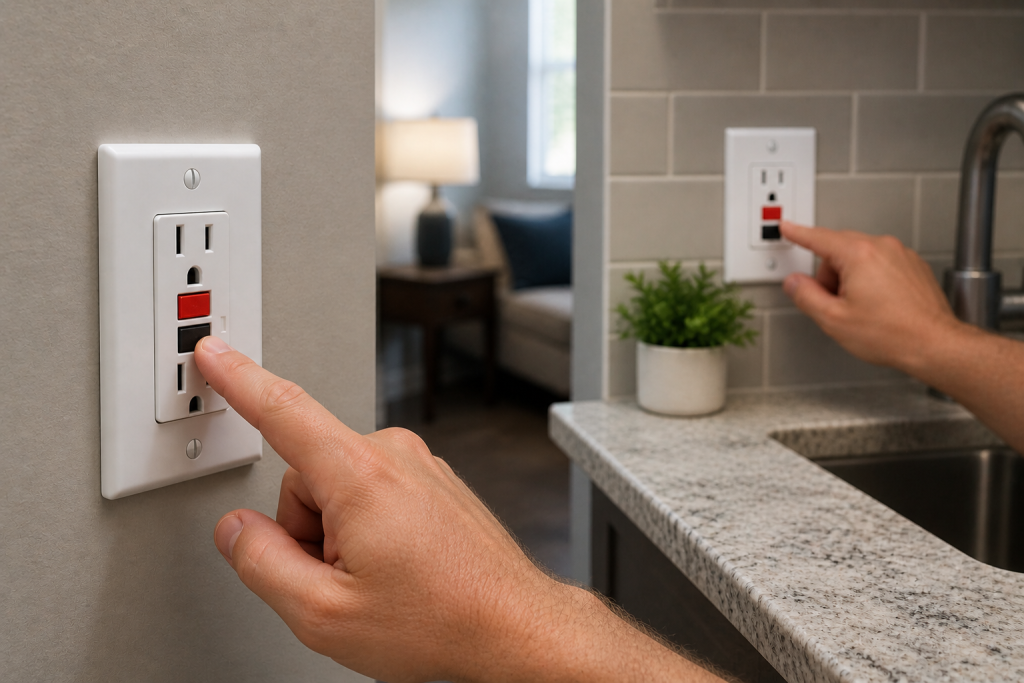
Why This Works
One GFCI outlet often protects multiple outlets downstream.
What to Do
- Inspect nearby outlets for damage.
- Look for moisture or burn marks.
- Unplug devices from nearby outlets.
- Reset the GFCI again.
Sometimes another outlet on the same circuit is actually causing the trip. If multiple outlets suddenly lose power, you may also need to fix a tripped circuit breaker.
Step 5: Look for an Overloaded Circuit
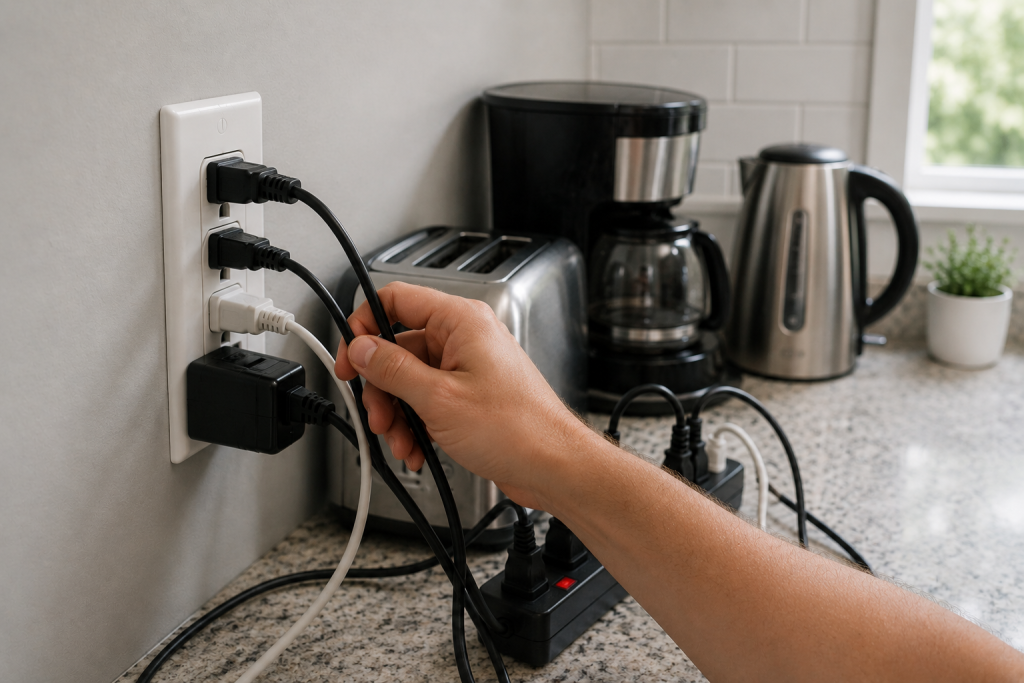
Why This Works
Too many high-power devices can overload the circuit. Overloaded electrical circuits can also contribute to problems explained in our article on why your lights are flickering.
What to Do
- Identify large appliances on the circuit.
- Avoid running multiple heavy devices simultaneously.
- Test the GFCI with fewer items plugged in.
Common overload culprits include:
- Hair dryers
- Space heaters
- Microwaves
- Refrigerators
- Power tools
Step 6: Inspect the Outlet for Damage
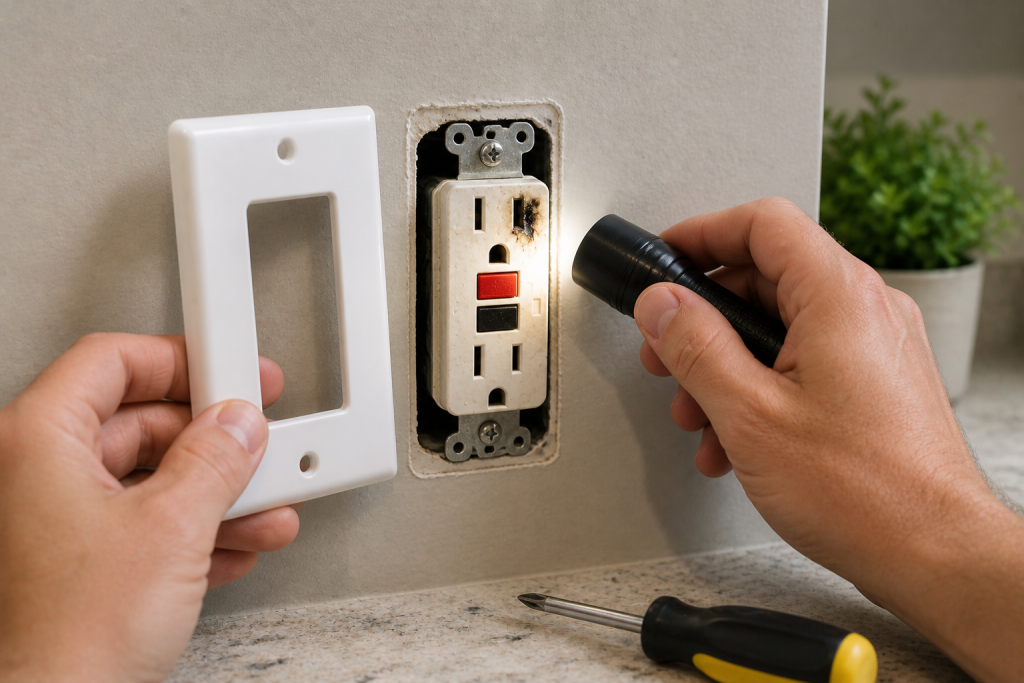
Why This Works
Old or damaged GFCI outlets eventually fail.
Signs of a Bad GFCI Outlet
- RESET button will not stay in
- Cracking or discoloration
- Burning smell
- Outlet feels hot
- Frequent nuisance trips
What to Do
- Turn off power at the breaker.
- Remove the outlet cover.
- Inspect for loose or burned wiring.
- Replace the outlet if damaged.
Most GFCI outlets last about 10 years before replacement may be necessary.
Step 7: Replace the GFCI Outlet
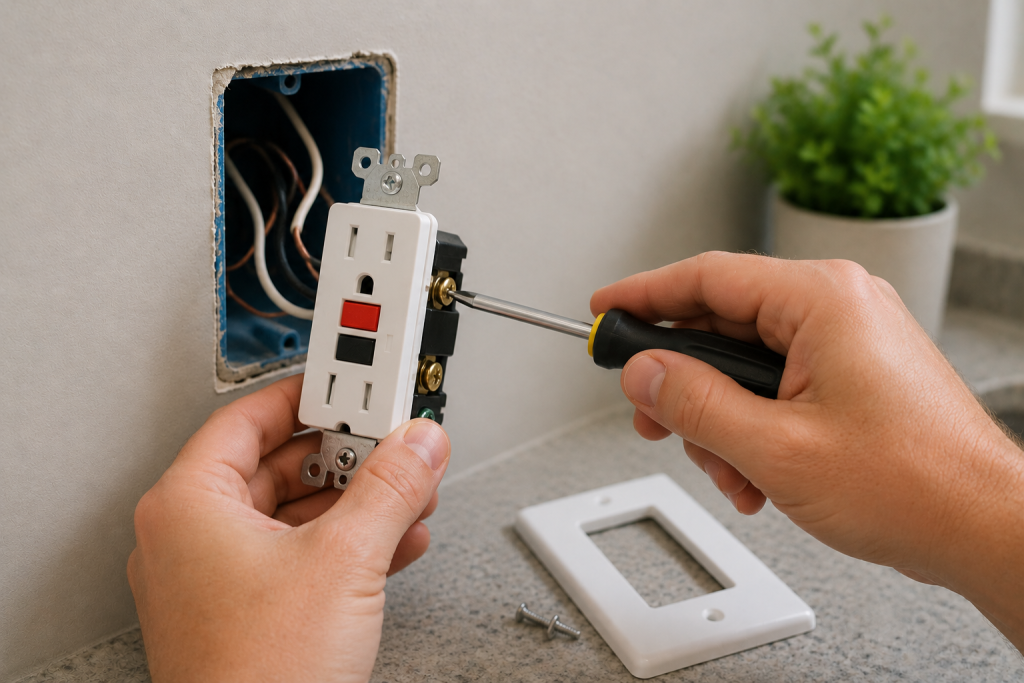
Why This Works
Sometimes the outlet itself has failed internally.
If the GFCI itself has failed, choose a replacement GFCI outlet with the appropriate amperage and features for your installation. Follow the manufacturer’s wiring instructions, paying close attention to the LINE and LOAD terminals. If you’re unsure, have a licensed electrician replace it.
What to Do
- Shut off power at the breaker.
- Confirm power is off with a voltage tester.
- Remove the old outlet.
- Transfer wires carefully to the new outlet.
- Reinstall and restore power.
- Press RESET and test operation.
If you are uncomfortable working with wiring, contact a licensed electrician.
When to Call an Electrician
You should contact an electrician if:
- The breaker also trips
- You smell burning
- Multiple outlets fail
- The outlet sparks
- Wiring appears damaged
- The outlet still trips after replacement
Electrical faults behind walls can become serious fire hazards if ignored.
How to Prevent Future GFCI Trips
Here are a few ways to reduce future problems:
- Keep outlets dry
- Avoid overloading circuits
- Replace damaged appliances
- Test GFCI outlets monthly
- Replace old outlets proactively
For outdoor outlets, a properly installed weatherproof outdoor outlet cover designed for use while cords are plugged in helps keep rain and splashes out. Choose a cover that fits your electrical box and receptacle, and use it with an appropriately rated weather-resistant GFCI outlet.
You can also learn more about proper GFCI outlet protection and testing from the Electrical Safety Foundation International.
Frequently Asked Questions
Why does my GFCI outlet keep tripping with nothing plugged in?
This usually indicates moisture, damaged wiring, or a failing GFCI outlet.
Can a bad appliance trip a GFCI outlet?
Yes. Faulty appliances commonly cause ground faults that trigger the outlet.
Is it dangerous if a GFCI outlet keeps tripping?
It can be. The outlet may be warning you about shock hazards or wiring problems.
How long do GFCI outlets last?
Most GFCI outlets last around 7–10 years depending on usage and environment.
Should I replace a GFCI outlet myself?
If you are comfortable working safely with electrical wiring, it can be a manageable DIY repair. Otherwise, hire an electrician.
Looking for help with another electrical problem? Browse our complete collection of electrical repair and troubleshooting guides.
Final Thoughts
If your GFCI outlet keeps tripping, the issue is often caused by moisture, overloaded circuits, faulty appliances, or a worn-out outlet. Following these step-by-step fixes can often restore power quickly and safely. If larger electrical systems in your home are affected, you may also want to read AC not turning on but thermostat is working for additional troubleshooting ideas.
Always shut off power before inspecting wiring, and do not ignore repeated tripping because the outlet may be warning you about a real electrical hazard.