
Last updated: September 20, 2026
By Home Repair Genie
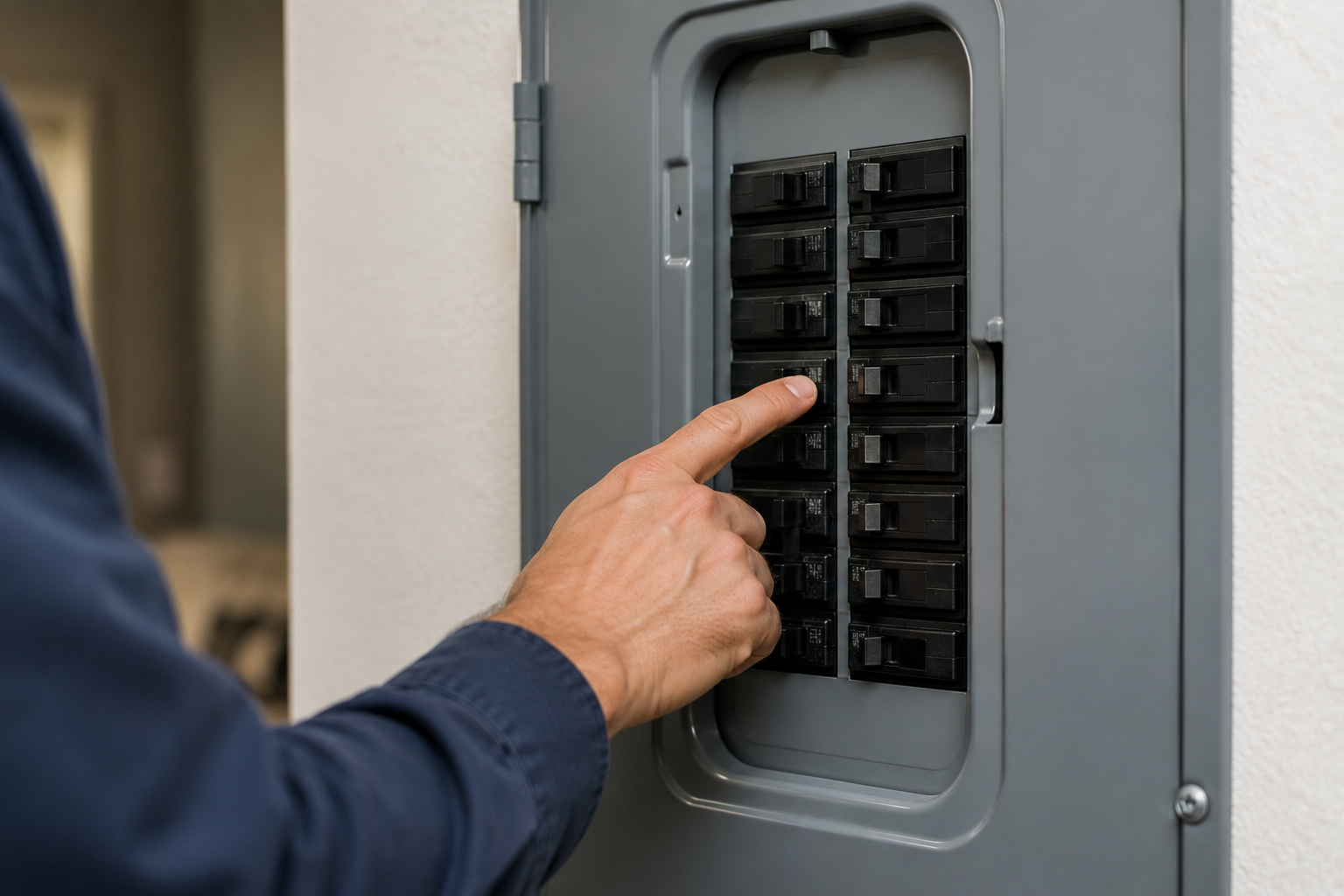
A breaker keeps tripping when your electrical system detects a problem and shuts power off to prevent overheating, electrical damage, or fire hazards. While this can be frustrating, circuit breakers are designed to protect your home.
The good news is that many homeowners can safely troubleshoot a breaker keeps tripping problem using a few simple DIY steps.
Tools You May Need
- Flashlight
- Voltage tester
- Screwdriver
- Extension cord
- Replacement breaker (if needed)
- Pen and paper for tracking circuits
Step 1: Identify Which Breaker Is Tripping
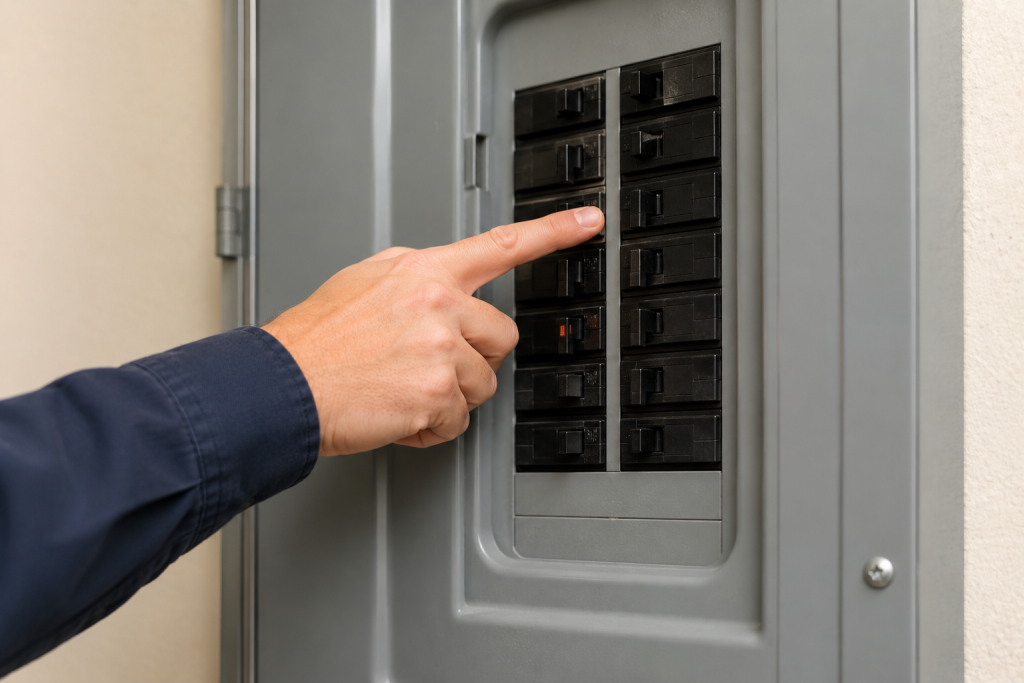
Before making repairs, determine exactly which breaker is causing the issue.
What to do
- Open your electrical panel
- Look for the breaker sitting in the middle or OFF position
- Note which room or appliances lost power
- Label the affected circuit if necessary
A breaker keeps tripping problem often affects only one specific area of the home.
If multiple rooms lose power, the issue may involve a larger electrical problem.
For more general troubleshooting tips, read our guide on how to fix a tripped circuit breaker.
Step 2: Unplug Appliances on the Circuit
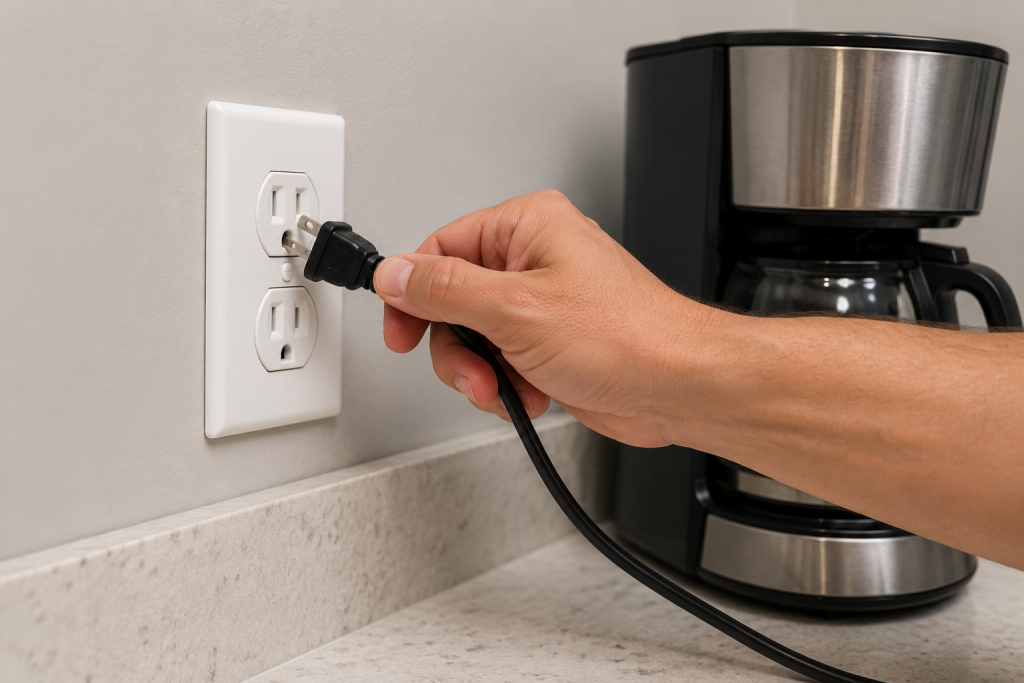
Overloaded circuits are one of the most common reasons a breaker keeps tripping.
What to do
- Unplug everything connected to the affected outlets
- Turn the breaker fully OFF and back ON
- Plug devices back in one at a time
- Watch for the breaker to trip again
Common overload culprits include:
- Space heaters
- Microwaves
- Hair dryers
- Window AC units
- Air fryers
- Gaming PCs
If the breaker trips after plugging in one appliance, that device may be faulty.
Step 3: Check for GFCI Outlet Problems
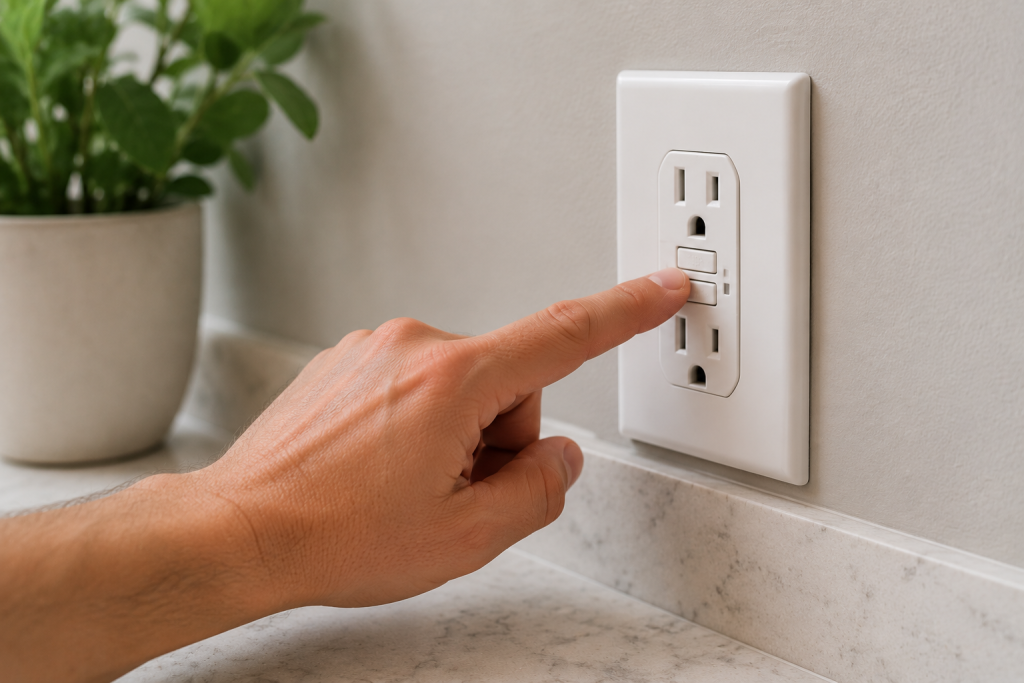
Sometimes a GFCI outlet issue can trigger breaker problems.
What to do
- Locate nearby GFCI outlets
- Press the RESET button firmly
- Test nearby outlets again
- Inspect for moisture or water exposure
Bathrooms, kitchens, garages, and outdoor outlets commonly use GFCI protection.
For more help, read our article on GFCI outlet keeps tripping.
Step 4: Look for Signs of a Short Circuit
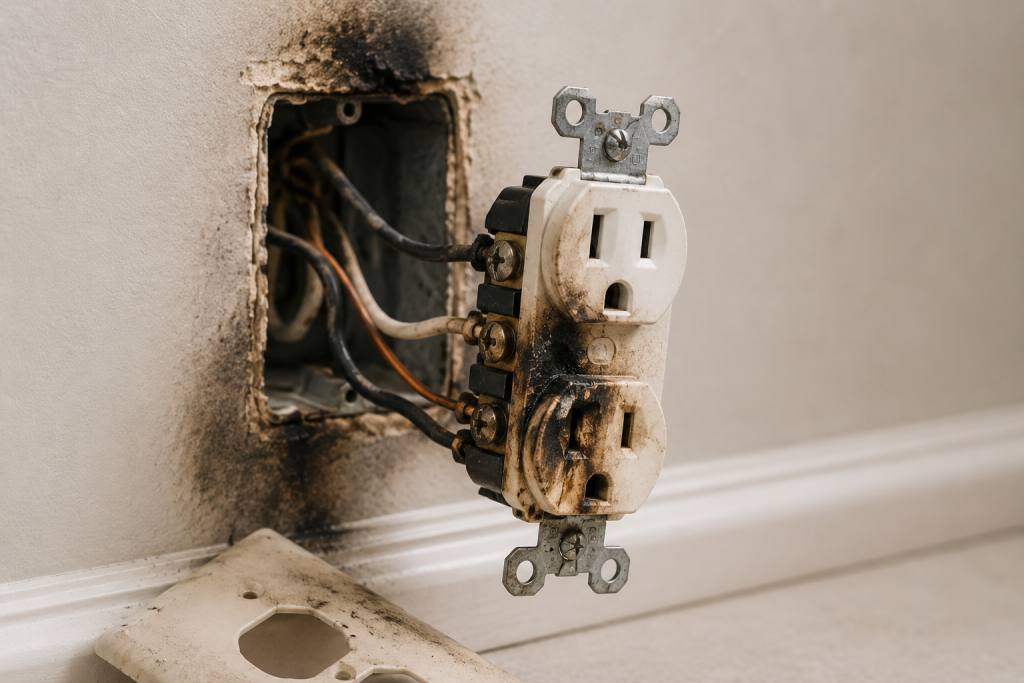
A short circuit can cause a breaker to trip immediately after resetting.
Warning signs
- Burning smell
- Blackened outlets
- Sparks
- Buzzing sounds
- Warm switch plates
What to do
- Turn OFF the breaker immediately
- Inspect outlets and switches on the circuit
- Look for damaged cords or exposed wiring
- Stop using affected outlets
A breaker keeps tripping due to a short circuit should be addressed quickly because it can become a fire hazard.
You may also find our guide on how to fix an outlet not working helpful.
Step 5: Check for Loose Wiring
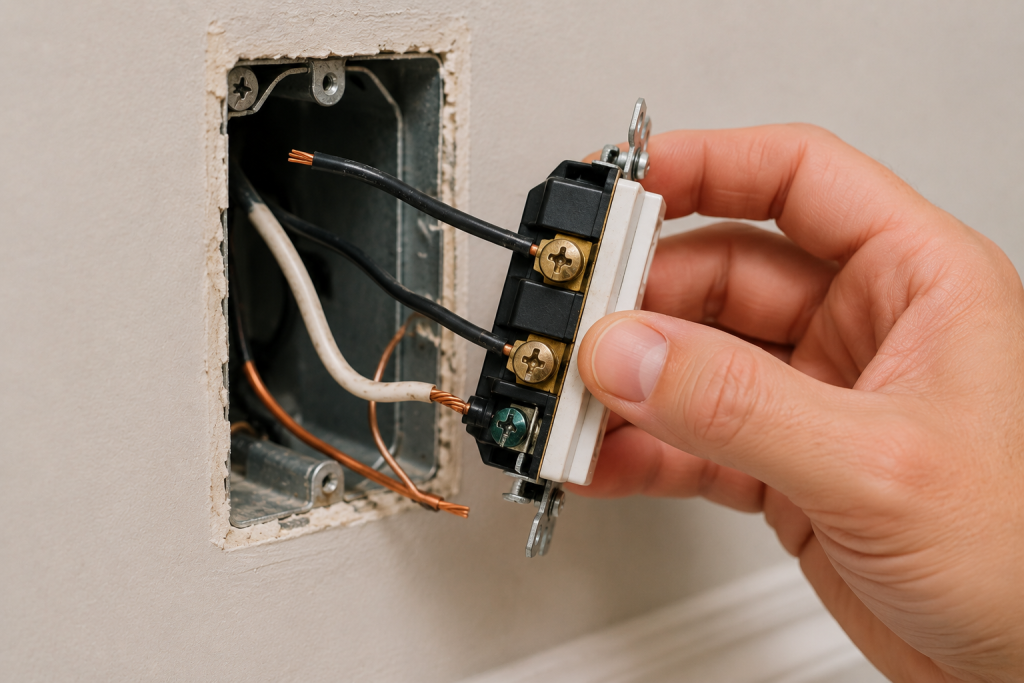
Loose electrical connections can create heat buildup and cause breaker trips.
Safety First
Always turn OFF power before inspecting wiring.
What to do
- Remove outlet or switch cover plates carefully
- Inspect for loose terminal screws
- Tighten loose wiring connections
- Look for melted insulation or discoloration
- Restore power and test the breaker
If you see burned wiring, stop immediately and contact a licensed electrician.
Step 6: Test the Breaker Itself
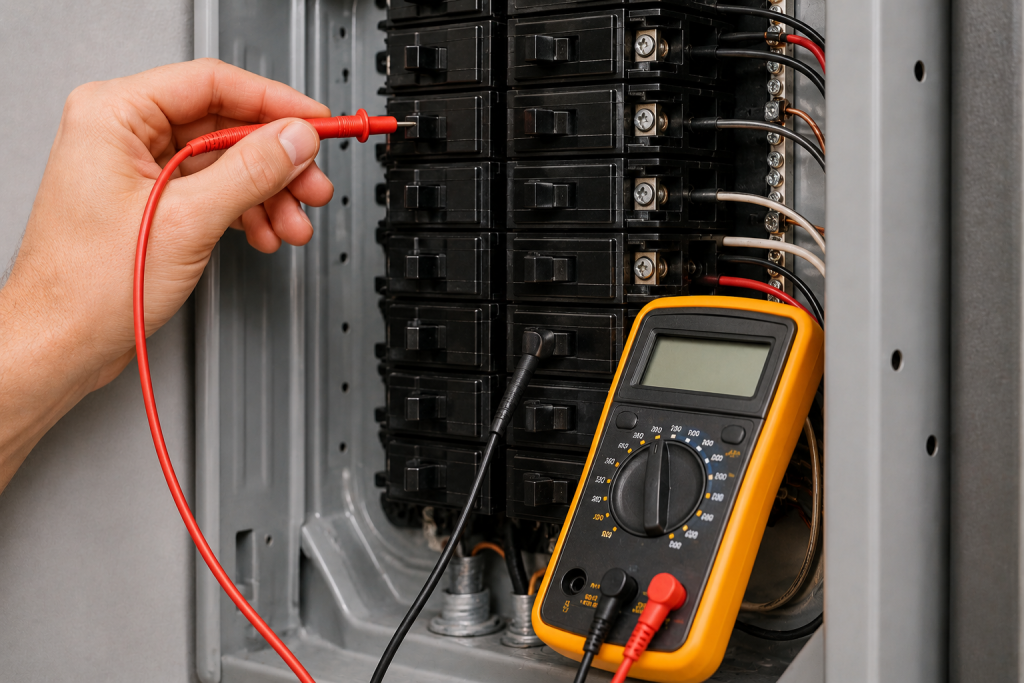
Sometimes the breaker itself has become weak or faulty.
Signs of a bad breaker
- Breaker feels loose
- Breaker trips with very little load
- Breaker will not reset
- Breaker feels unusually hot
- Frequent random trips
What to do
- Turn OFF the main breaker if safe to do so
- Inspect the breaker for visible damage
- Consider replacing the breaker if it appears faulty
- Contact an electrician if unsure
Older breakers can wear out over time.
Step 7: Call an Electrician for Persistent Problems
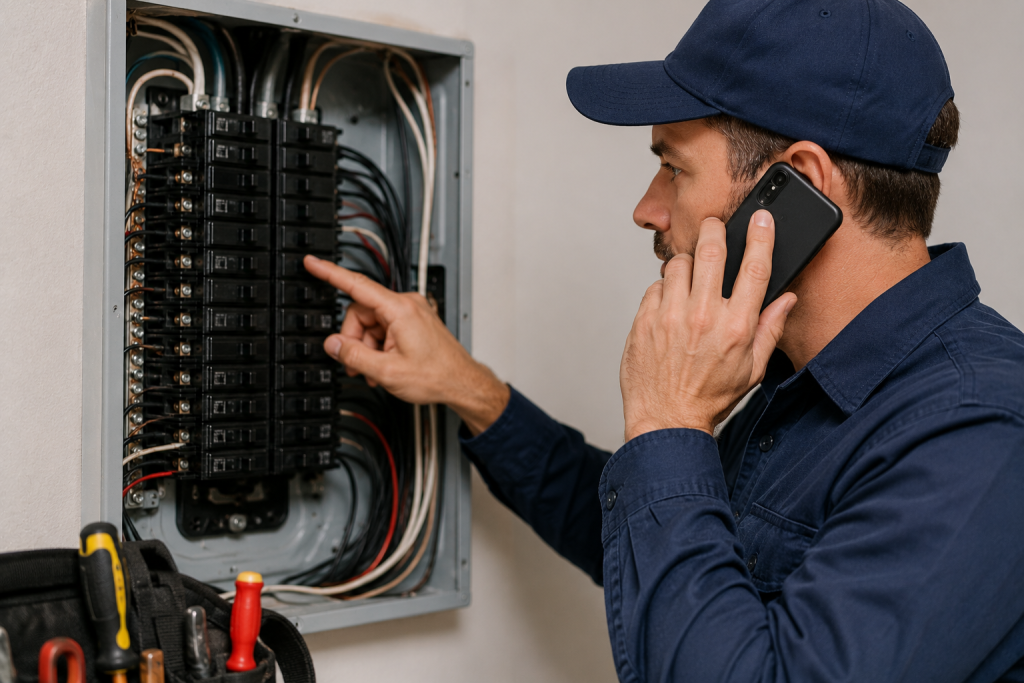
If your breaker keeps tripping after these troubleshooting steps, the issue may involve hidden wiring problems or overloaded circuits inside the walls.
Call a professional if:
- The breaker trips repeatedly
- You smell burning odors
- Multiple breakers trip together
- Lights flicker throughout the home
- You see scorch marks or melted outlets
Electrical repairs can become dangerous without proper training.
You can also review electrical safety recommendations from This Old House
Common Reasons a Breaker Keeps Tripping
| Problem | Possible Cause |
|---|---|
| Trips after using appliance | Overloaded circuit |
| Trips instantly after reset | Short circuit |
| Random tripping | Loose wiring |
| Breaker feels hot | Faulty breaker |
| Bathroom or kitchen trips | GFCI issue |
How to Prevent Breaker Trips
- Avoid overloading outlets
- Spread high-power devices across circuits
- Replace damaged cords immediately
- Upgrade outdated electrical panels if necessary
- Have your system inspected periodically
Frequently Asked Questions
Why does my breaker keep tripping randomly?
A breaker keeps tripping randomly due to overloaded circuits, loose wiring, short circuits, or failing breakers.
Is a breaker tripping dangerous?
The breaker itself is protecting your home, but repeated trips can signal dangerous electrical problems.
Can I replace a breaker myself?
Some homeowners do replace breakers themselves, but electrical panel work can be dangerous if performed incorrectly.
What appliance most commonly trips breakers?
Space heaters, microwaves, portable AC units, and hair dryers are common causes of overloaded circuits.
Looking for help with another electrical problem? Browse our complete collection of electrical repair and troubleshooting guides.
Final Thoughts
A breaker keeps tripping for a reason, and ignoring it can eventually lead to larger electrical problems or safety hazards.
Fortunately, many breaker keeps tripping issues are caused by overloaded circuits, loose wiring, or faulty appliances that homeowners can identify themselves.
By following these step-by-step troubleshooting tips, you can often diagnose the issue safely and determine whether professional electrical help is needed.