
Last updated: October 16, 2026
By Home Repair Genie
A clogged sewer line is one of the most serious plumbing problems a homeowner can face, and recognizing the common signs of a clogged sewer line early can help prevent major water damage and expensive repairs.
The good news is that many sewer line problems show warning signs before a major backup occurs. Knowing what to watch for can help you fix the issue early and avoid expensive repairs.
Quick Answer
The most common signs of a clogged sewer line include multiple drains backing up at once, bubbling toilets, sewage odors, water backing up into tubs or showers, and slow drains throughout the home. These common signs of a clogged sewer line usually indicate a blockage in the main sewer pipe rather than a single drain clog.
What Causes a Sewer Line Clog?
Sewer line clogs usually develop gradually over time. Some of the most common causes include:
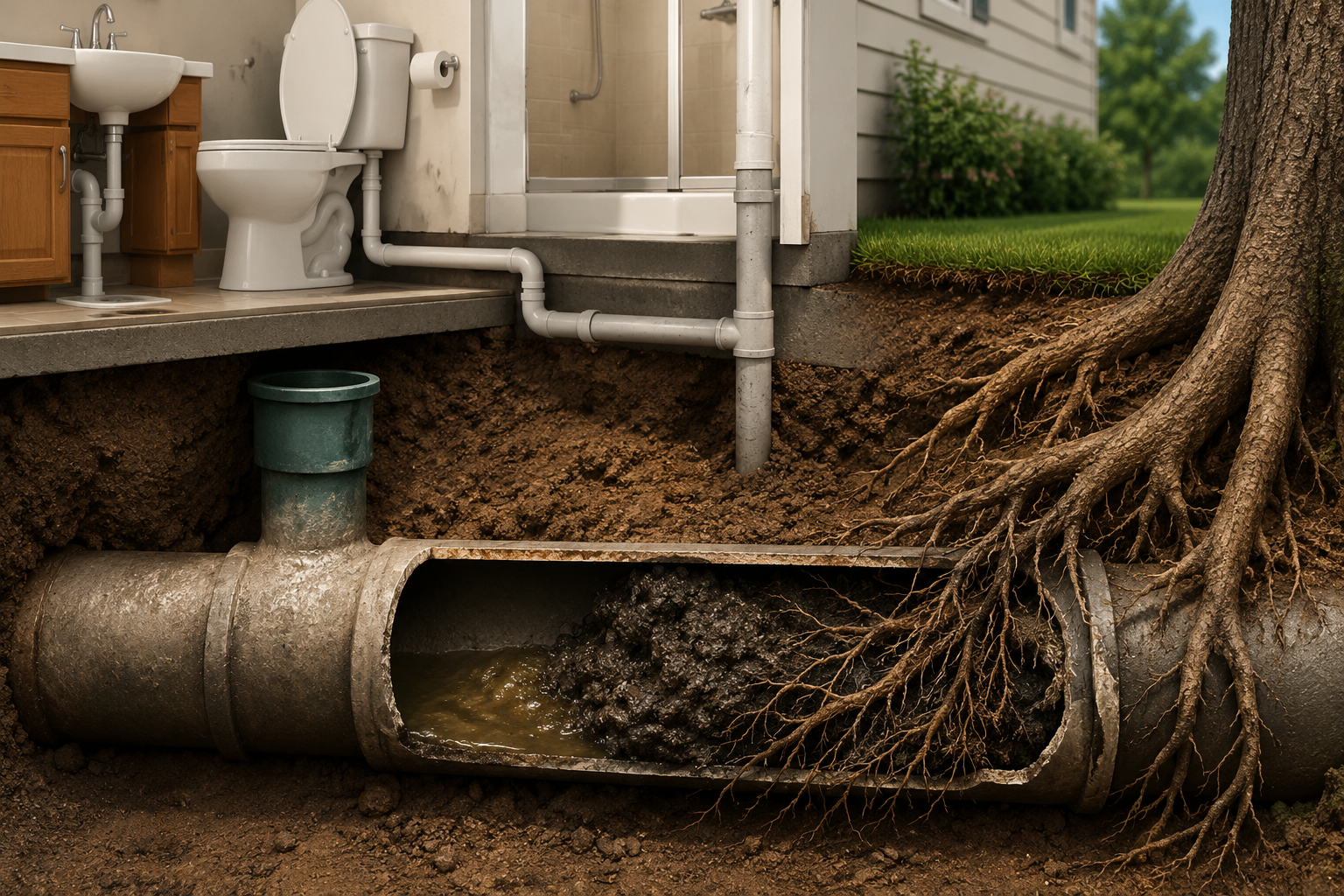
- Tree root intrusion
- Grease buildup
- Flushed wipes or paper towels
- Collapsed or damaged sewer pipes
- Heavy sludge or debris accumulation
- Aging cast iron or clay pipes
If ignored, these problems can eventually block wastewater from leaving your home.
For additional plumbing maintenance tips, check out our guide on How to Fix a Slow Draining Sink: 7 Proven DIY Solutions.
Step 1: Look for Multiple Drains Backing Up at Once — One of the Most Common Signs of a Clogged Sewer Line
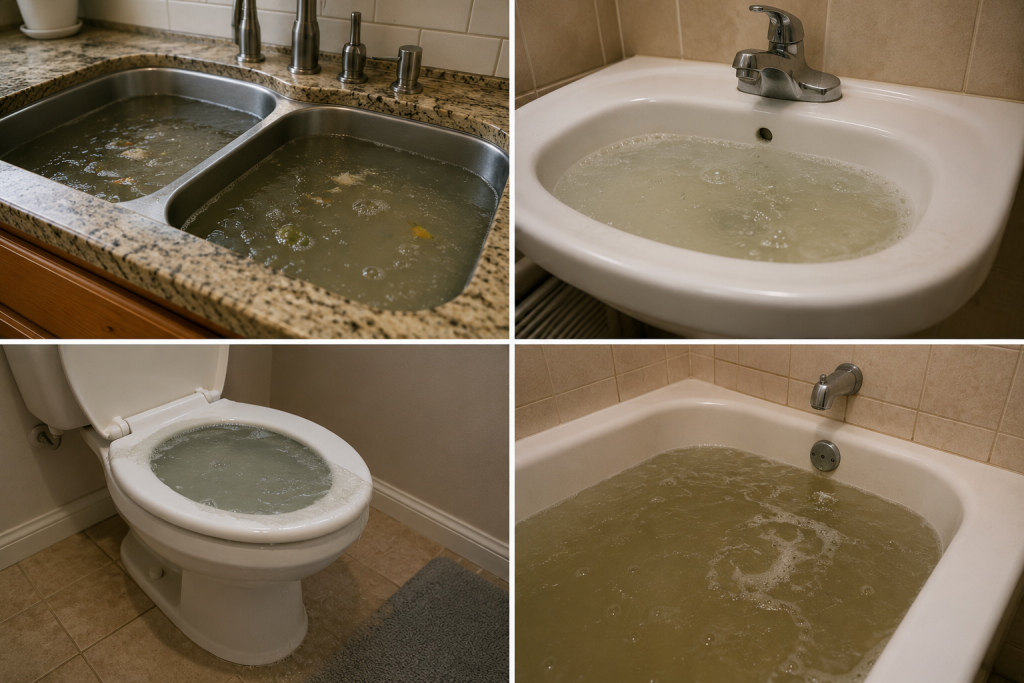
One of the clearest signs of a sewer line clog is when several plumbing fixtures begin acting up together.
Watch for Problems in Different Rooms
If your:
- Kitchen sink backs up
- Bathroom sink drains slowly
- Toilet gurgles
- Shower fills with water
all around the same time, the issue likely goes beyond a single drain clog.
A localized clog typically affects only one fixture. A sewer line blockage often affects the entire plumbing system.
Step 2: Listen for Toilets Bubbling or Gurgling
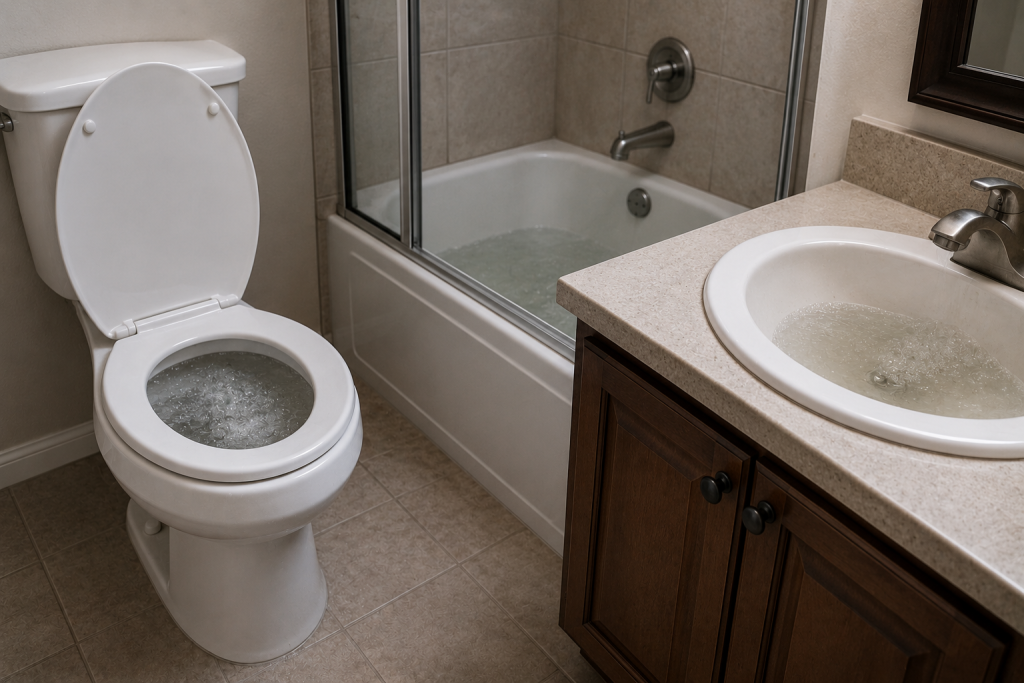
Air trapped inside the sewer line can create bubbling or gurgling sounds in your toilet.
Flush One Fixture and Watch Another
For example:
- Flush the toilet and hear bubbling in the shower drain
- Run the washing machine and notice toilet gurgling
- Drain a sink and hear noises from nearby plumbing fixtures
These symptoms usually mean wastewater and air are struggling to move through the sewer line properly.
You may also want to read our article about Toilet Bubbles When Shower Runs? 7 Proven Fixes That Work.
Step 3: Check for Sewage Smells Inside or Outside the Home
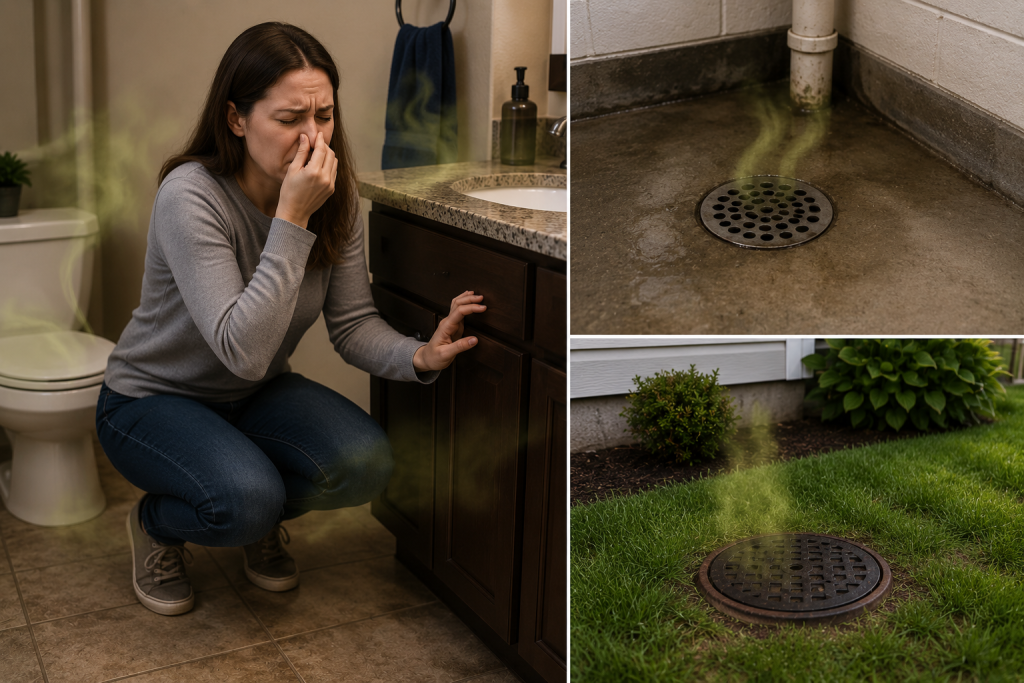
A strong sewage odor is never normal.
Pay Attention to Persistent Sewer Odors
If you notice rotten egg or sewage smells:
- Near drains
- In the basement
- Around floor drains
- Outside near the yard
there may be a sewer blockage or damaged sewer pipe preventing gases from venting correctly.
Persistent sewer odors should not be ignored because they often worsen over time.
Step 4: Watch for Water Backing Up Into Tubs or Showers
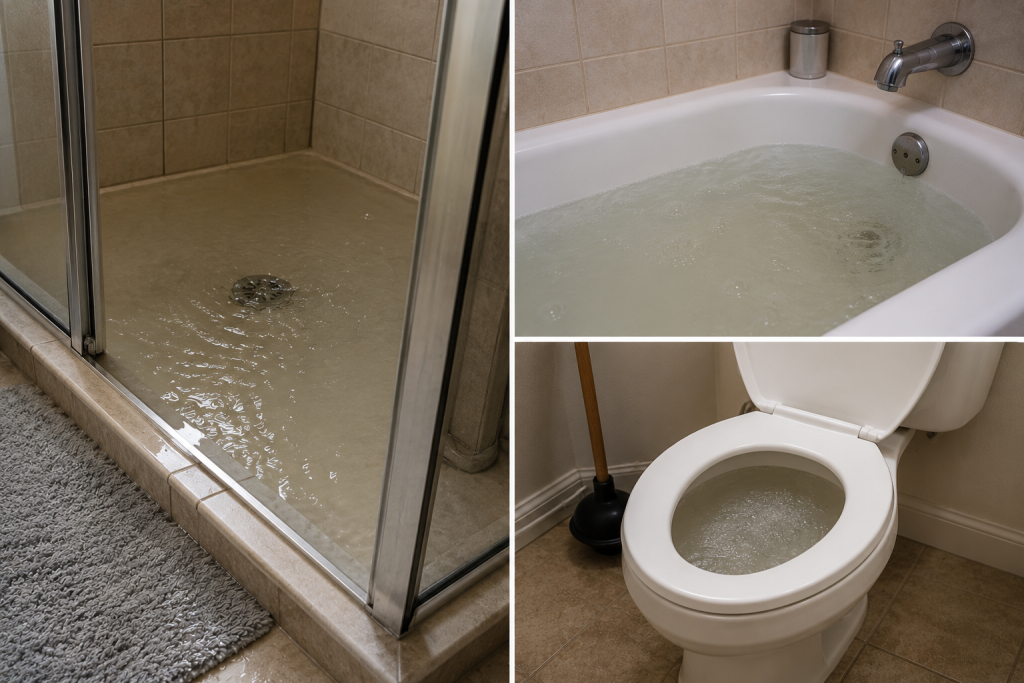
Water backing up into lower drains is another major warning sign.
Lower Fixtures Usually Show Symptoms First
When the sewer line becomes blocked:
- Water may rise into a shower when the toilet flushes
- The bathtub may fill while the washing machine drains
- Basement drains may overflow first
This happens because wastewater has nowhere else to go.
If you are already seeing standing water, it is important to act quickly before a full sewage backup occurs.
As an Amazon Associate I earn from qualifying purchases.
A battery-powered water-leak alarm placed on a dry floor near a basement floor drain can alert you when water reaches its sensor. Choose a placement that avoids normal splashes and does not obstruct the drain. The alarm detects water at that location; it cannot identify or prevent a sewer blockage.
Step 5: Notice Slow Drains Throughout the House
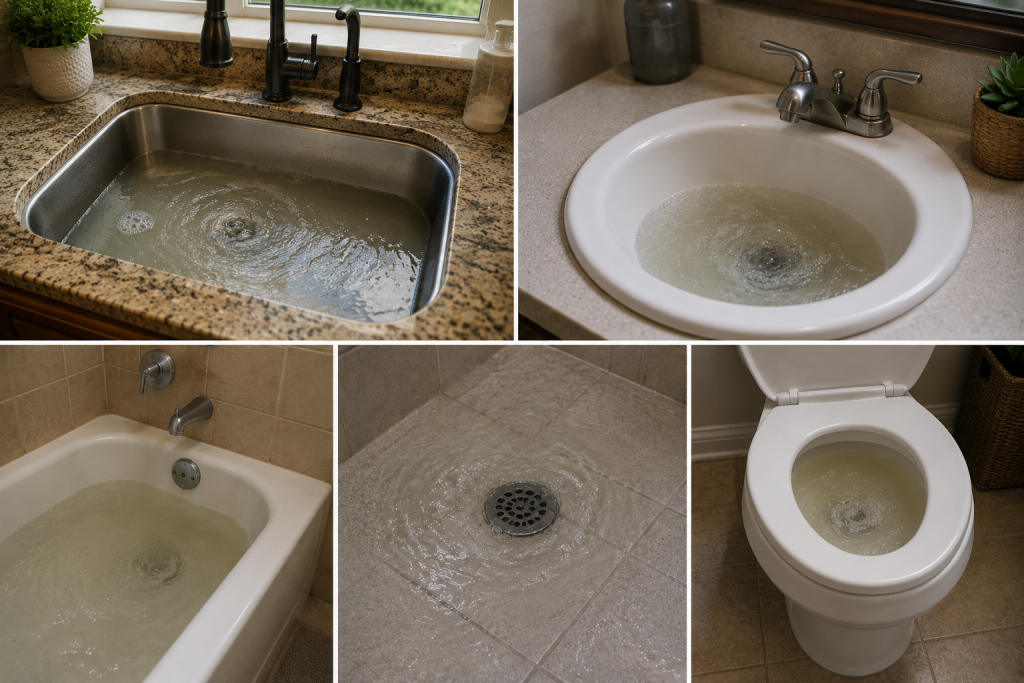
A single slow drain usually points to a local blockage. Multiple slow drains often indicate a sewer problem.
Notice Patterns Across the Home
You may observe:
- Sinks draining slowly
- Toilets flushing weakly
- Bathtubs taking longer to empty
- Gurgling noises after draining water
If several fixtures worsen together over time, the main sewer line should be inspected.
Step 6: Pay Attention to Frequent Toilet Clogs
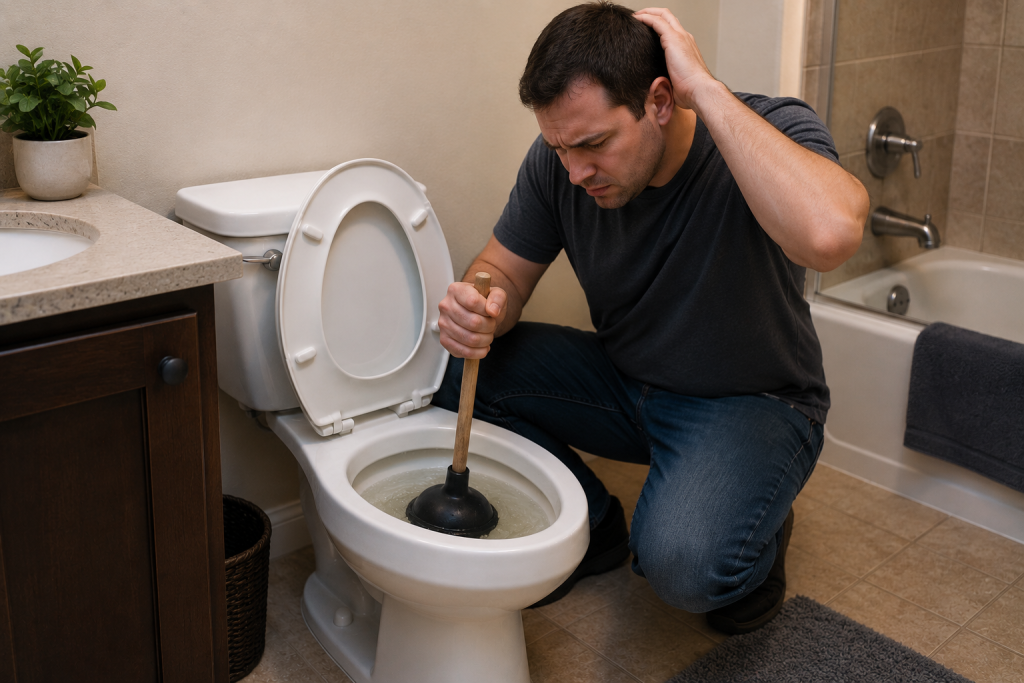
Repeated toilet clogs can sometimes point to a deeper sewer issue.
Plunging May Only Provide Temporary Relief
If your toilet:
- Frequently backs up
- Requires constant plunging
- Flushes inconsistently
- Clogs despite minimal toilet paper use
the blockage may exist farther down the sewer line rather than inside the toilet itself.
For related troubleshooting, read our guide on Why Your Toilet Won’t Flush: 7 Easy Fixes That Actually Work.
Step 7: Watch for Drain Problems After Running Appliances
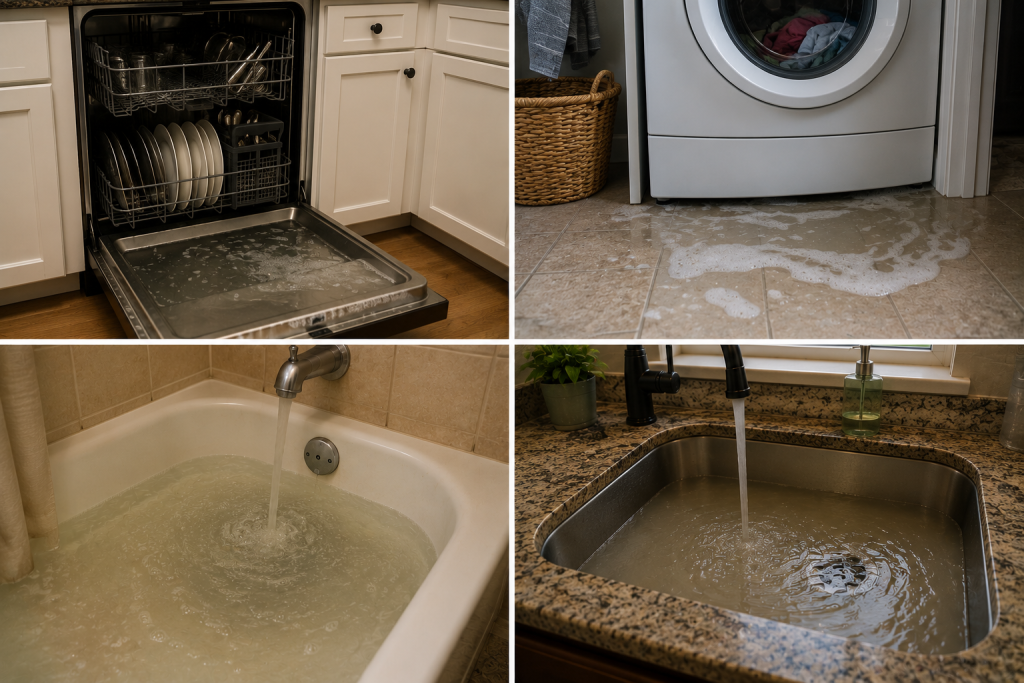
Large water-discharge appliances can expose sewer line problems quickly.
Watch What Happens During Drain Cycles
Common examples include:
- Washing machines causing toilets to bubble
- Dishwashers backing water into sinks
- Basement drains overflowing during laundry loads
These appliances release large amounts of water at once, which can overwhelm a partially blocked sewer line.
Step 8: Inspect the Yard for Wet or Green Patches
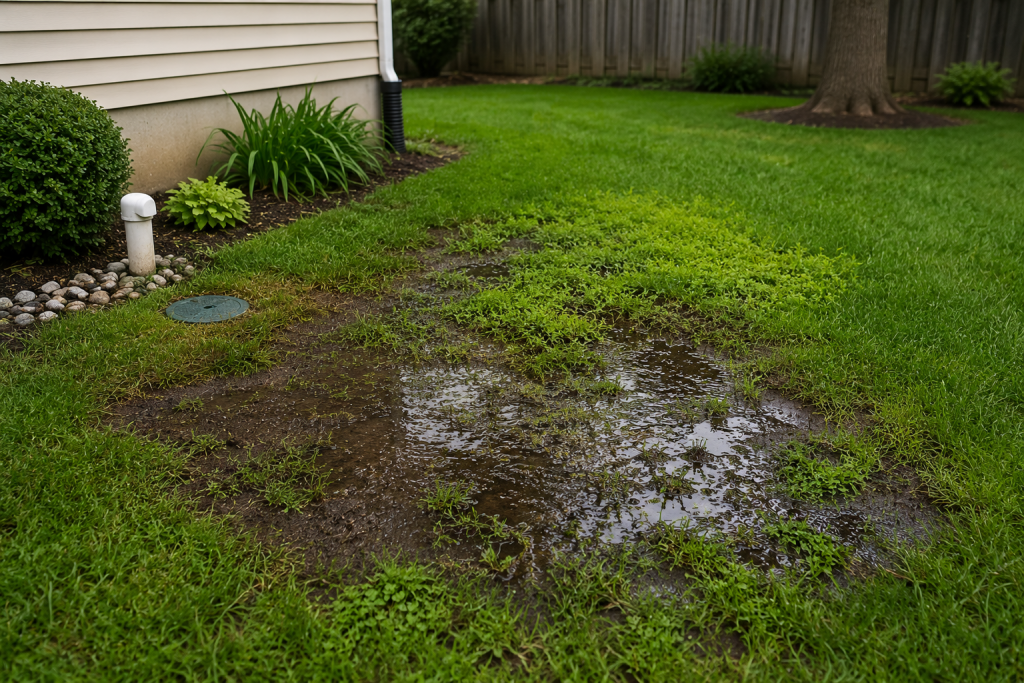
Outdoor symptoms can also indicate a sewer line issue.
Sewer Leaks Can Saturate the Ground
Signs may include:
- Extra-green patches of grass
- Wet or muddy areas
- Sunken spots in the yard
- Persistent foul odors outdoors
A damaged or clogged sewer line may leak wastewater underground.
According to This Old House, tree roots are one of the most common causes of sewer line damage and blockages.
Step 9: Look for Rodent or Insect Activity Near Drains
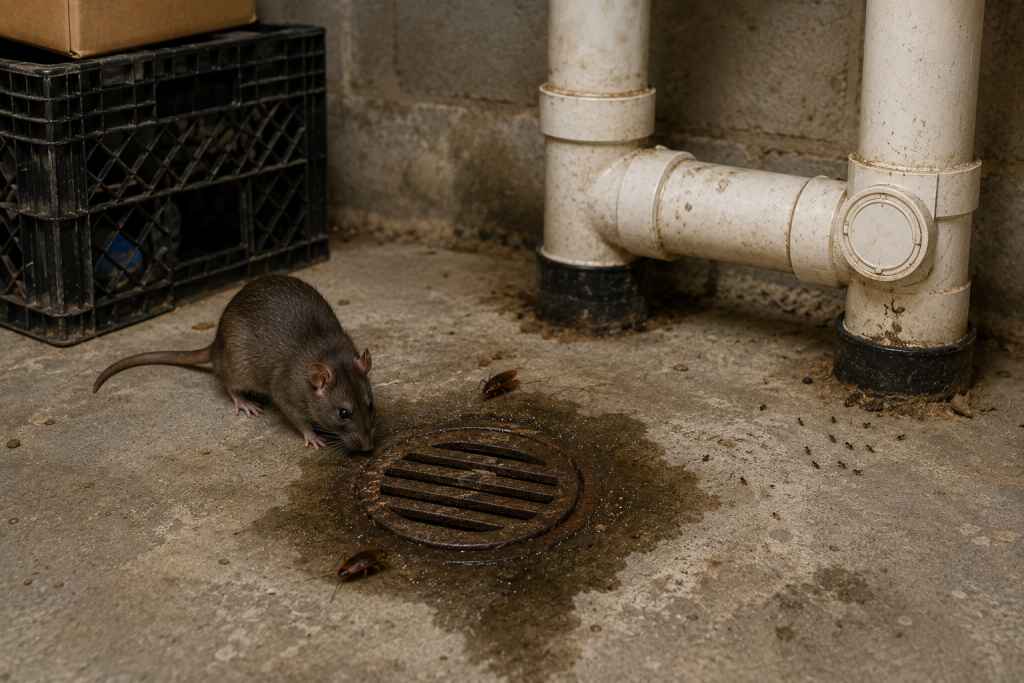
Pests are sometimes attracted to sewer problems.
Sewer Damage Can Attract Unwanted Pests
You may notice:
- Increased drain flies
- Cockroach activity
- Rodents near plumbing areas
Cracks or backups in sewer systems can create ideal conditions for pests.
How to Confirm a Sewer Line Clog
If you suspect a sewer line blockage, several methods can help confirm the issue.
Try Basic Troubleshooting First
You can:
- Check if multiple drains are affected
- Listen for gurgling sounds
- Inspect basement floor drains
- Look for outdoor sewer odors
- Monitor for recurring backups
Avoid using harsh chemical drain cleaners in sewer lines because they can damage pipes and rarely solve major blockages.
For everyday prevention, a kitchen sink strainer can help keep food scraps out of the drain. Empty collected scraps into the trash or compost, and keep grease, wipes, and paper towels out of the plumbing. A strainer will not clear an existing sewer-line blockage.
When to Call a Professional Plumber
Some sewer line clogs can be cleared with professional drain cleaning equipment, while others require pipe repairs or replacement.
Seek Help Immediately for Major Symptoms
Call a plumber if you experience:
- Sewage backing into the home
- Water overflowing from drains
- Multiple clogged fixtures
- Persistent sewer odors
- Repeated plumbing backups
Professional plumbers may use:
- Sewer cameras
- Hydro jetting equipment
- Drain snakes
- Pipe inspections
to identify and remove the blockage safely.
Frequently Asked Questions
Understanding the common signs of a clogged sewer line can help homeowners act quickly before sewage backups and pipe damage become more severe.
What is the first sign of a clogged sewer line?
The first sign is often multiple slow drains or gurgling toilets. You may also notice sewer odors or water backing up into lower fixtures.
Can a clogged sewer line fix itself?
No. Sewer line clogs usually worsen over time and can eventually cause sewage backups or pipe damage if ignored.
Why does my shower back up when I flush the toilet?
This usually happens because wastewater cannot move properly through the main sewer line, forcing water into nearby drains.
Is a sewer line clog an emergency?
It can become one quickly. If sewage is backing up into your home, contact a plumber immediately to prevent water damage and contamination.
Can tree roots clog a sewer line?
Yes. Tree roots commonly grow into older sewer pipes through small cracks and eventually create severe blockages.
How much does sewer line repair cost?
Costs vary depending on the blockage severity and pipe condition. Simple cleaning may cost a few hundred dollars, while major sewer repairs can cost several thousand.
Looking for help with another plumbing problem? Browse our complete collection of plumbing repair and troubleshooting guides.
Final Thoughts
Recognizing the common signs of a clogged sewer line early can help you avoid expensive repairs, sewage backups, and major plumbing damage. Symptoms like gurgling toilets, multiple slow drains, sewage odors, and water backing up into tubs or showers often indicate the main sewer line needs immediate attention.
If several plumbing fixtures are acting up at once, it is best to investigate the issue before a complete sewer backup occurs.