
Last updated: October 16, 2026
By Home Repair Genie
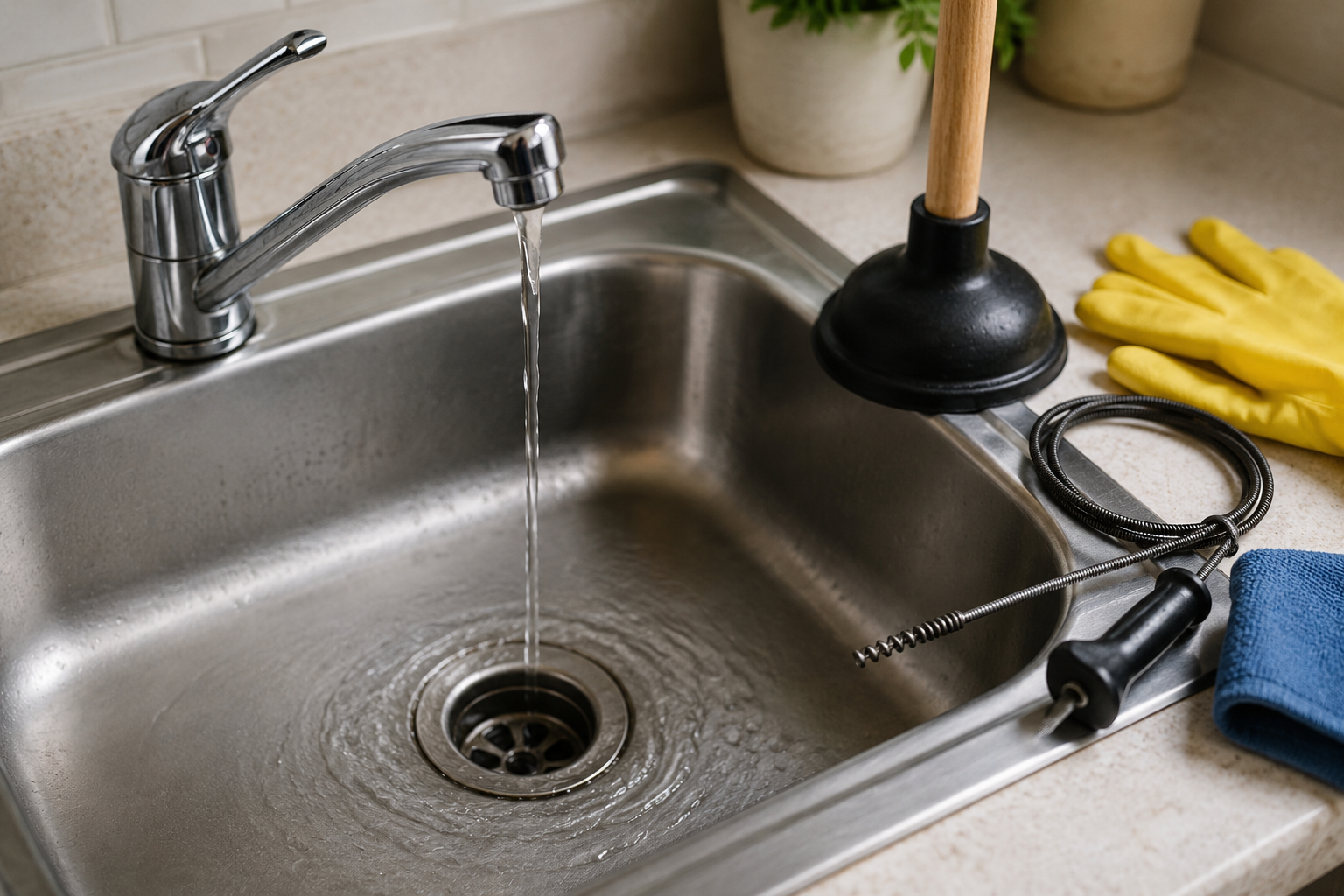
Learning how to fix a slow draining sink can help you avoid expensive plumbing repairs and restore proper drainage quickly. Whether the problem is caused by hair, grease, soap scum, or food debris, there are several DIY methods that can solve the issue.
The good news is that you can often fix a slow draining sink yourself using simple tools and household items before calling a plumber.
Quick Answer
If you are wondering how to fix a slow draining sink, start by removing visible debris and flushing the drain with boiling water. If the clog remains, use baking soda and vinegar, a plunger, or a drain snake to clear the blockage. In more severe cases, you may need to clean the P-trap or inspect the plumbing vent system.
What Causes a Slow Draining Sink?
Several issues can cause a sink to drain slowly, including:
- Hair buildup
- Soap scum accumulation
- Grease or food debris
- Mineral deposits from hard water
- Partial clogs in the drain pipe
- Blocked plumbing vents
- Improper pipe slope
Bathroom sinks often clog from hair and toothpaste, while kitchen sinks usually slow down because of grease and food waste.
If your sink is completely blocked instead of draining slowly, you may also want to read our guide on How to Unclog a Drain: 7 Easy Fixes That Actually Work Fast.
Tools and Materials You May Need
As an Amazon Associate I earn from qualifying purchases.
- Rubber gloves
- Bucket
- Boiling water
- Baking soda
- White vinegar
- Plunger
- Drain snake or zip tool
- Adjustable wrench
- Flashlight
- Old toothbrush or cleaning brush
Step 1: Remove Visible Debris From the Drain
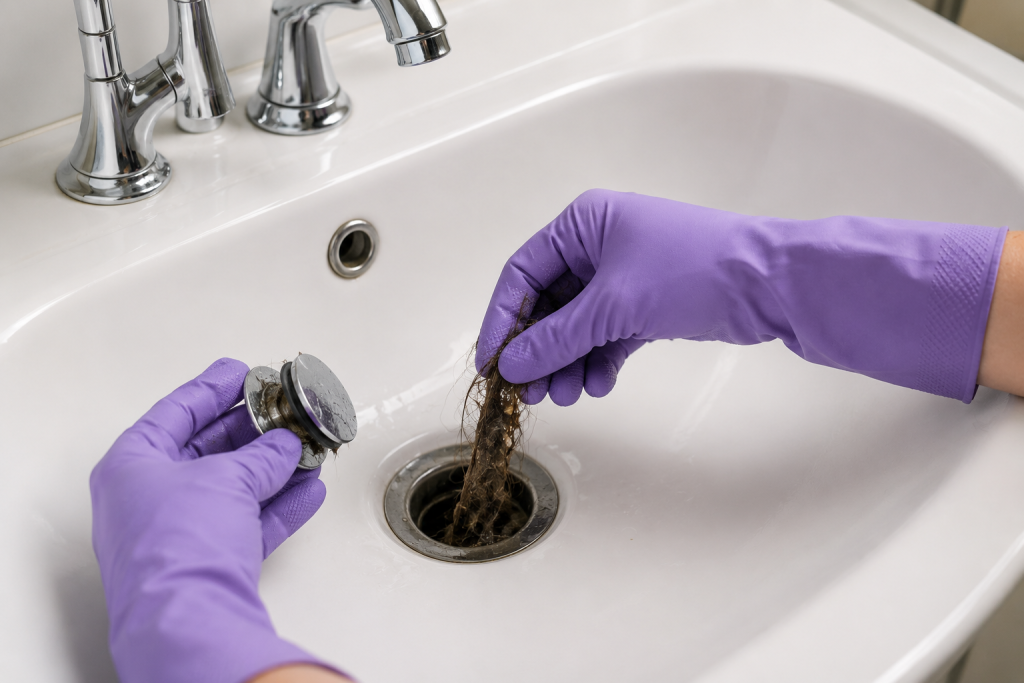
The first step is to remove any obvious debris near the drain opening.
How to Remove Debris
- Remove the sink stopper if possible
- Pull out hair, soap scum, or food particles
- Use gloves or a plastic zip tool
- Clean the stopper thoroughly before reinstalling it
Bathroom sinks commonly collect hair around the stopper assembly, which can significantly reduce drainage speed.
For hair caught near a bathroom sink stopper, a plastic barbed drain-cleaning tool can help pull out accessible buildup. Check that it fits your drain, follow the tool’s instructions, and avoid forcing it past the stopper mechanism or into resistance.
Step 2: Flush the Drain With Boiling Water
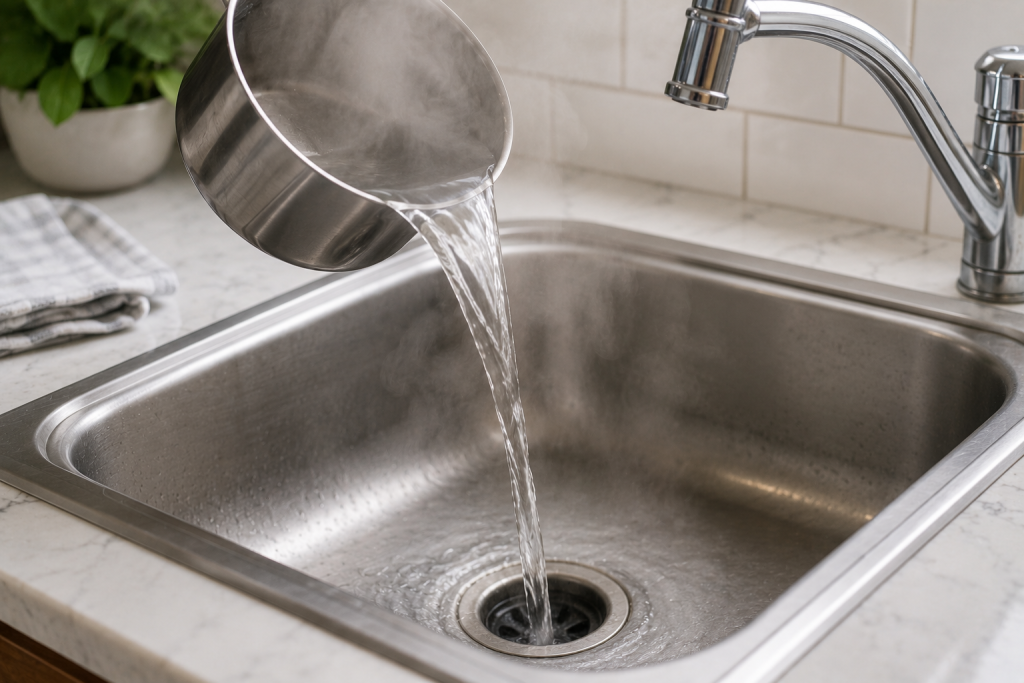
Boiling water can help dissolve grease, soap residue, and minor buildup inside the pipe.
How to Flush the Drain
- Boil a pot of water
- Slowly pour the water directly into the drain
- Wait several minutes
- Test the drain flow
Repeat this process two or three times if necessary.
Do not use boiling water on PVC pipes if you suspect weak joints or older plumbing.
Step 3: Use Baking Soda and Vinegar
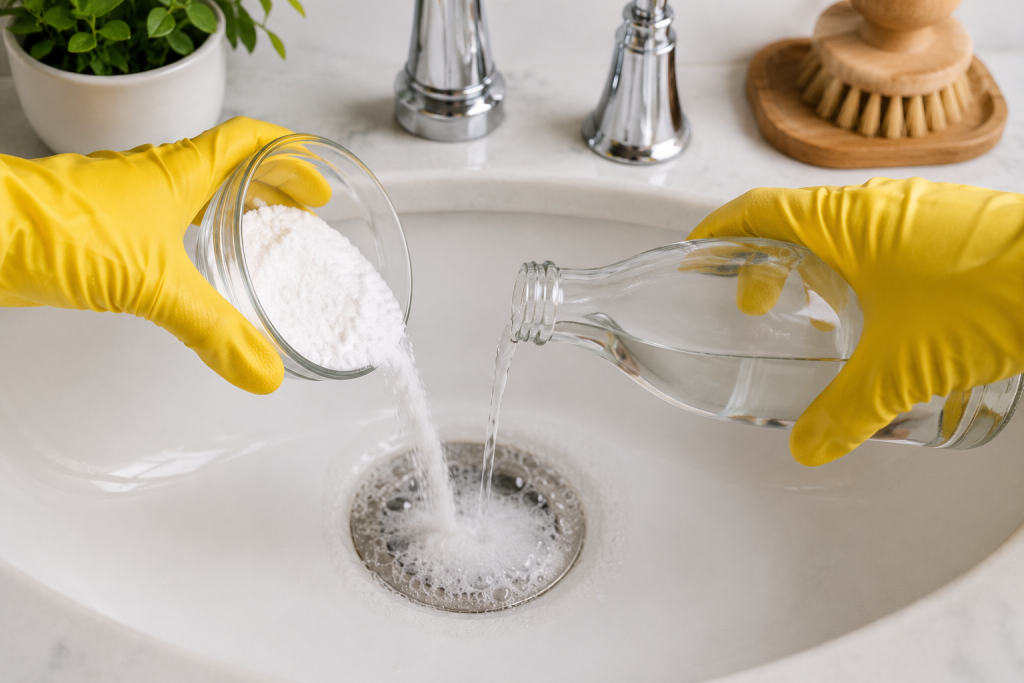
A baking soda and vinegar treatment can help break apart organic debris naturally.
How to Use Baking Soda and Vinegar
- Pour 1/2 cup of baking soda into the drain
- Add 1 cup of white vinegar
- Allow the mixture to fizz for 15 minutes
- Flush the drain with hot water
This method works especially well for soap scum and mild grease buildup.
For additional drain maintenance tips for your shower, you can also read How to Unclog a Shower Drain: 7 Powerful DIY Fixes.
Step 4: Plunge the Sink Drain
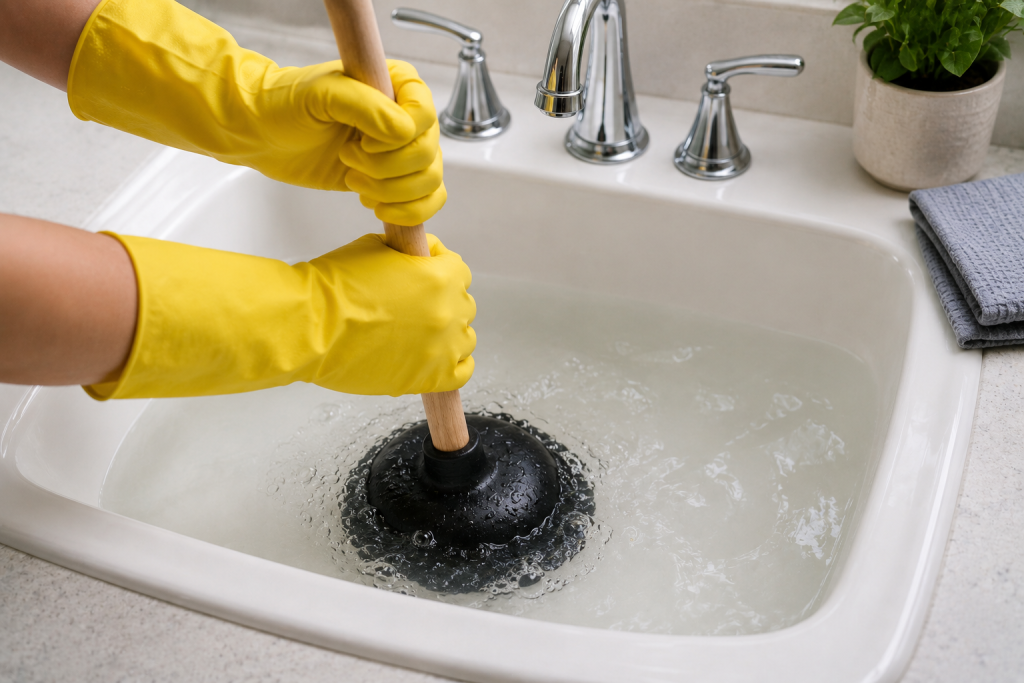
A sink plunger can help loosen stubborn partial clogs deeper in the drain line.
Use a flat-cup sink plunger that seals over the drain opening. Cover the sink’s overflow opening, and block the other drain opening on a double-basin sink to help maintain pressure. Do not plunge a drain containing chemical drain cleaner.
How to Plunge a Sink
- Add enough water to cover the plunger cup
- Cover the overflow opening with a wet cloth
- Place the plunger firmly over the drain
- Use quick up-and-down motions for 20 to 30 seconds
- Test the drain afterward
This can help dislodge buildup trapped in the P-trap or nearby pipe sections.
Step 5: Use a Drain Snake or Zip Tool
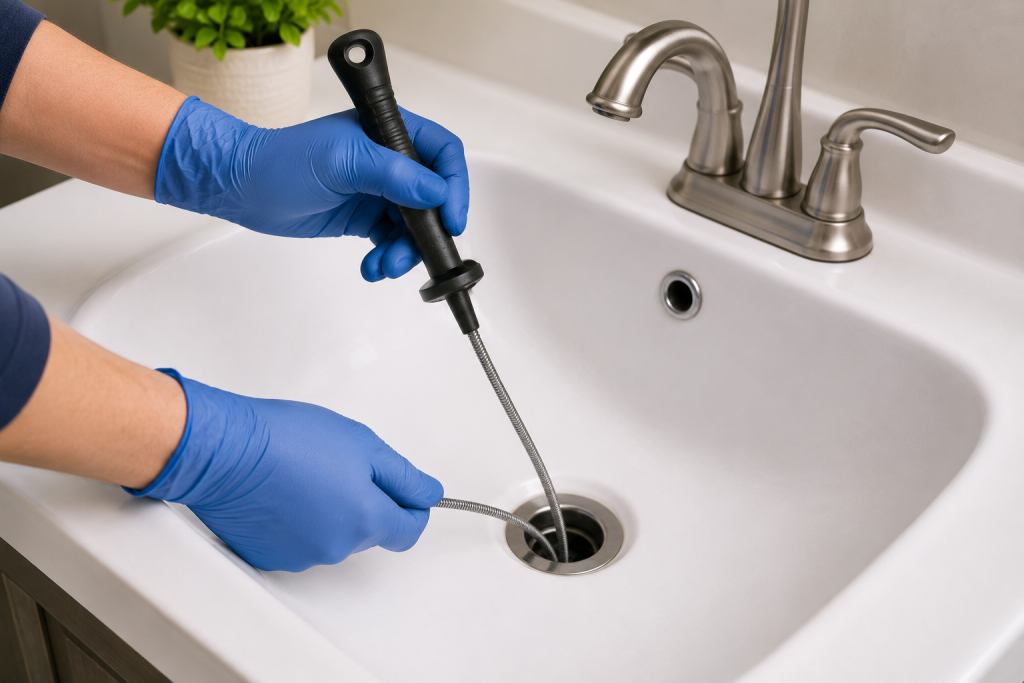
If the sink still drains slowly, a drain snake can physically remove the clog.
How to Snake the Drain
- Insert the drain snake into the drain opening
- Rotate the handle while pushing forward
- Pull the snake back out slowly
- Remove any debris attached to the cable
- Flush the drain with hot water
Hair clogs are especially common in bathroom sinks and often require mechanical removal.
Step 6: Clean the P-Trap
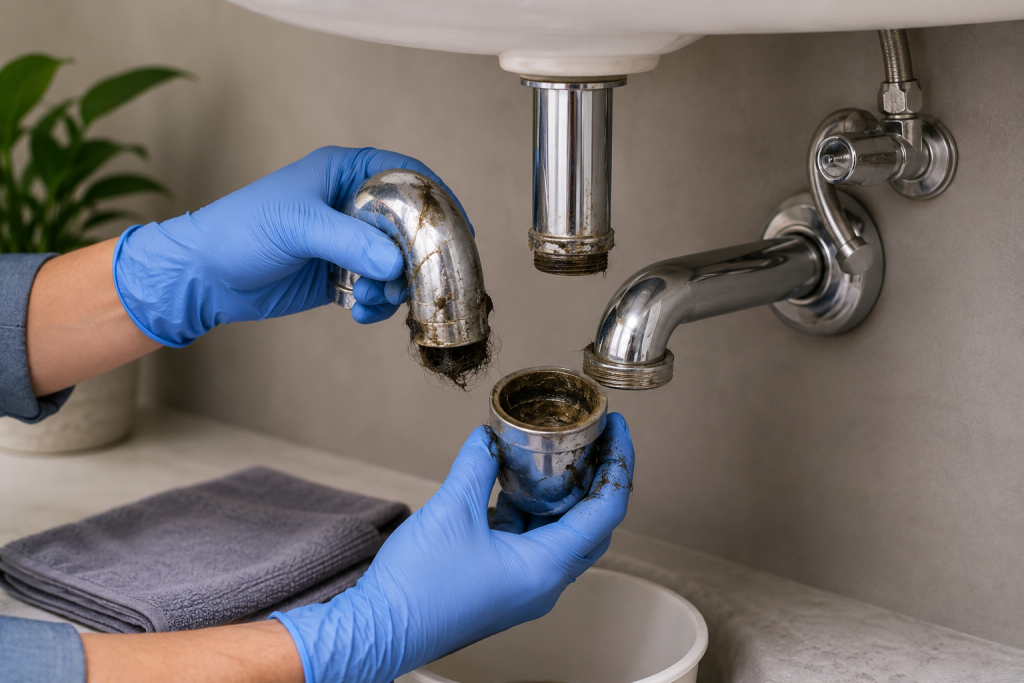
The P-trap is the curved pipe located underneath the sink. It often collects debris over time.
How to Clean the P-Trap
- Place a shallow utility bucket beneath the P-trap to catch trapped water and debris. Check the available clearance before choosing a container, and keep towels nearby for spills. Do not run the faucet while the trap is disconnected.
- Use an adjustable wrench to loosen the slip nuts
- Remove the P-trap carefully
- Clean out any sludge or debris
- Reinstall the pipe securely
Run water afterward to confirm the leak-free connection and improved drainage.
Step 7: Check for Vent or Main Drain Problems
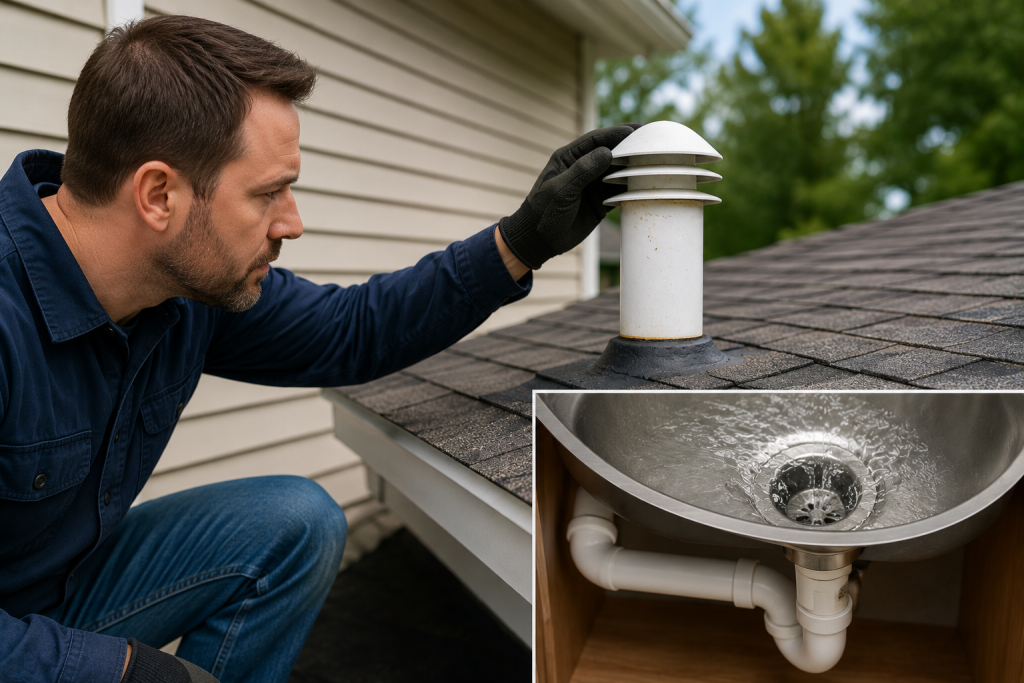
If multiple fixtures drain slowly, the problem could involve the plumbing vent or main drain line.
Signs of a Larger Plumbing Issue
- Multiple slow drains
- Gurgling noises
- Water backing up into other fixtures
- Sewer odors
- Recurring clogs
At this point, professional inspection may be necessary.
For additional information on drain and plumbing maintenance, visit This Old House.
How to Prevent a Slow Draining Sink
Preventive maintenance can help keep drains flowing properly.
Drain Maintenance Tips
- Avoid pouring grease down kitchen drains
- Use a sink drain strainer suited to your sink opening to catch debris before it enters the plumbing. Choose a hair-catching design for a bathroom sink or a food-catching basket for a kitchen sink, and empty it regularly.
- Flush drains with hot water weekly
- Clean sink stoppers regularly
- Avoid excessive soap buildup
- Run baking soda and vinegar monthly
Preventive care is much easier than dealing with a severe clog later.
When to Call a Plumber
You should contact a plumber if:
- The sink repeatedly clogs
- Water backs up into other drains
- DIY methods fail completely
- You notice leaks under the sink
- There are sewer odors in the home
Persistent drainage problems can indicate a deeper blockage in the plumbing system.
Frequently Asked Questions
Why is my sink draining slowly but not clogged?
A sink may drain slowly because of partial buildup inside the pipe. Hair, soap scum, grease, and mineral deposits can restrict water flow without fully blocking the drain.
Can boiling water damage sink pipes?
Boiling water is generally safe for metal pipes but may damage older PVC joints if used excessively.
Does baking soda and vinegar really unclog drains?
Baking soda and vinegar can help dissolve minor organic buildup and deodorize drains, but severe clogs often require mechanical removal with a snake.
How often should I clean my sink drain?
Cleaning the drain monthly can help prevent buildup and maintain proper water flow.
Is a chemical drain cleaner safe?
Chemical drain cleaners can damage pipes over time and may create safety hazards. Mechanical or natural cleaning methods are usually safer alternatives.
Looking for help with another plumbing problem? Browse our complete collection of plumbing repair and troubleshooting guides.
Final Thoughts
Knowing how to fix a slow draining sink can save money and help prevent major plumbing problems in the future. In many cases, simple methods like boiling water, plunging, or using a drain snake can restore normal drainage quickly.
Regular maintenance and prompt attention to slow drains can also help extend the life of your plumbing system and reduce the chances of major clogs later on.