
Last updated: October 16, 2026
By Home Repair Genie
Quick Answer
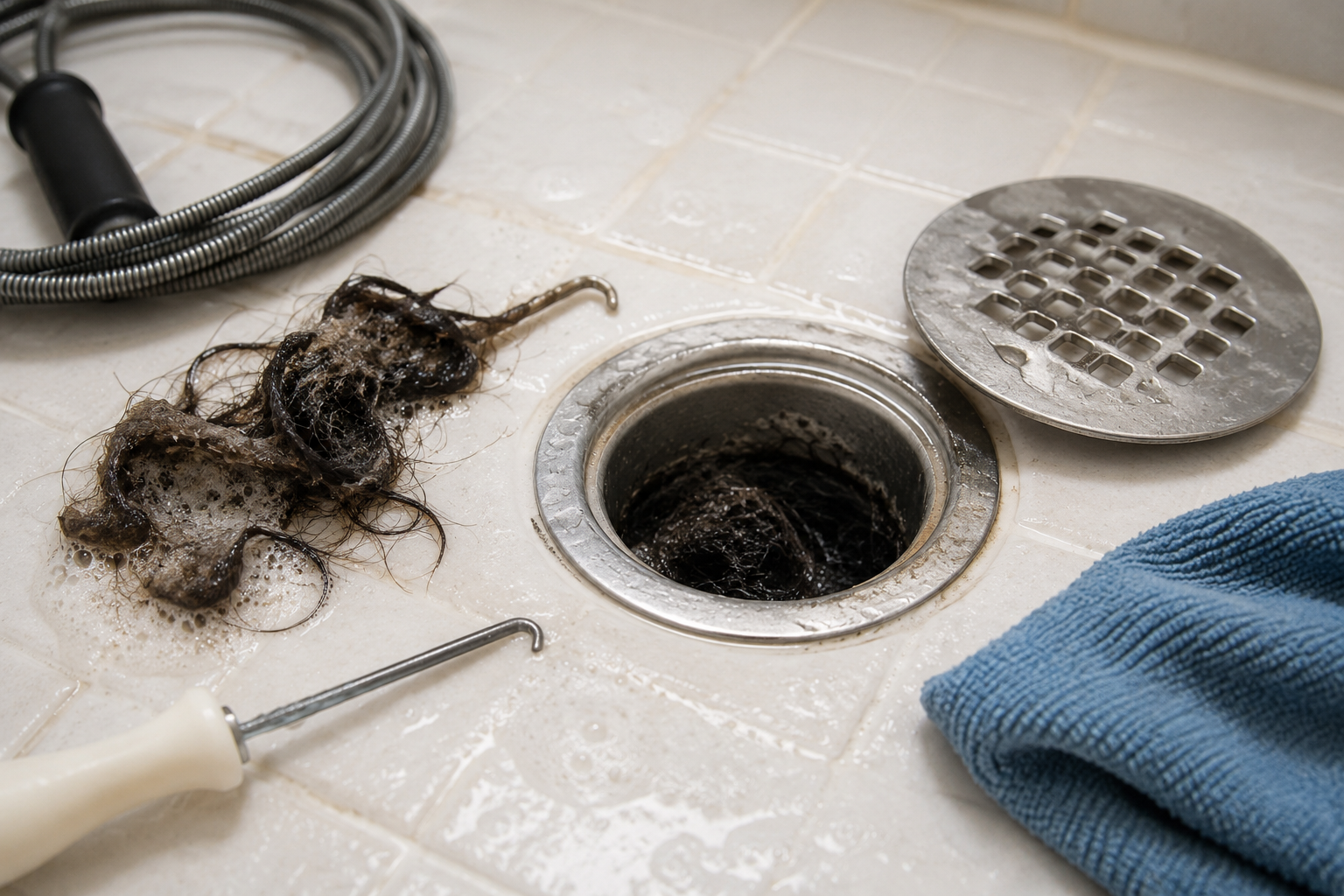
How to unclog a shower drain is a common question homeowners face when water starts pooling in the shower. Hair buildup, soap scum, and debris are the most common causes of slow drains, but most clogs can be cleared using simple DIY methods and basic tools. Avoid using harsh chemical cleaners too often because they can damage pipes over time.
A clogged shower drain can quickly turn a relaxing shower into a frustrating mess. Standing water, foul odors, and slow drainage usually mean there is a blockage somewhere in the pipe. Fortunately, most shower drain clogs can be cleared using simple DIY methods and common household tools.
This guide explains how to unclog a shower drain safely and effectively before calling a plumber.
Signs Your Shower Drain Is Clogged
Common signs of a clogged shower drain include:
- Water pooling around your feet while showering
- Slow drainage after turning off the water
- Gurgling sounds from the drain
- Unpleasant odors coming from the pipe
- Water backing up into nearby drains
Ignoring these symptoms can eventually lead to complete drain blockage or water damage.
Tools and Materials You May Need
As an Amazon Associate I earn from qualifying purchases.
- Screwdriver
- Rubber gloves
- Flashlight
- Drain snake or drain auger
- Plastic drain cleaning tool
- Plunger
- Bucket
- Baking soda
- White vinegar
- Boiling water
- Microfiber cloth
Step 1: Remove the Shower Drain Cover
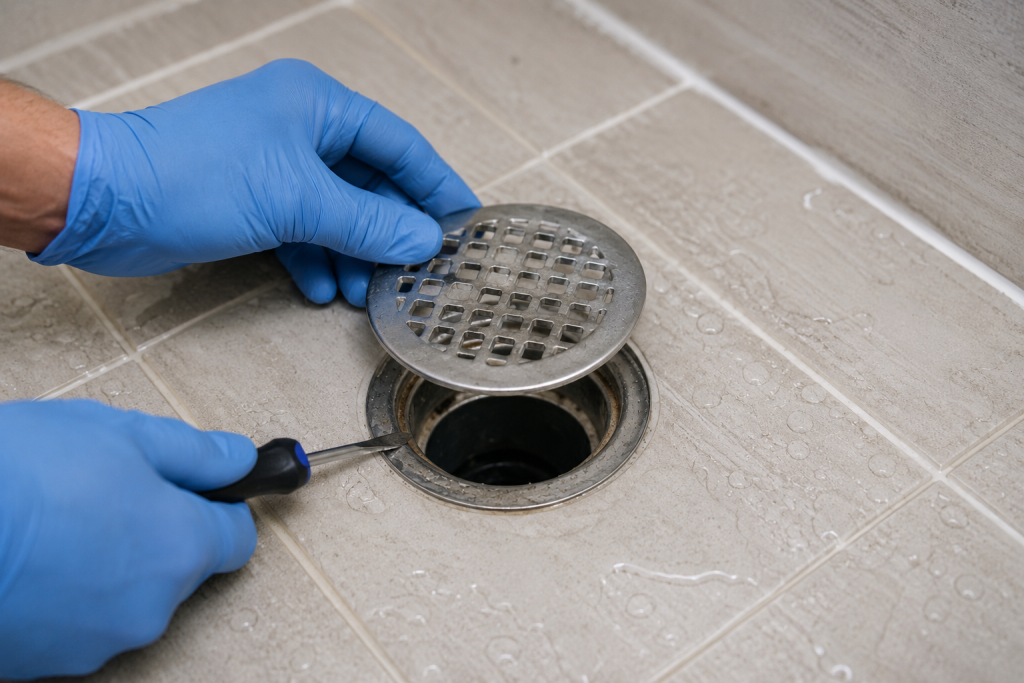
One of the first steps in learning how to unclog a shower drain is removing the drain cover to inspect the blockage.
How to Remove the Cover
- Unscrew the drain cover if it uses screws
- Carefully lift or pry off snap-in covers
- Use gloves to avoid touching sharp debris
Hair and soap buildup are often visible immediately below the drain opening.
If you are dealing with multiple slow drains in your home, you may also want to read our guide on Toilet Bubbles When Shower Runs? 7 Proven Fixes That Work.
Step 2: Pull Out Hair and Debris
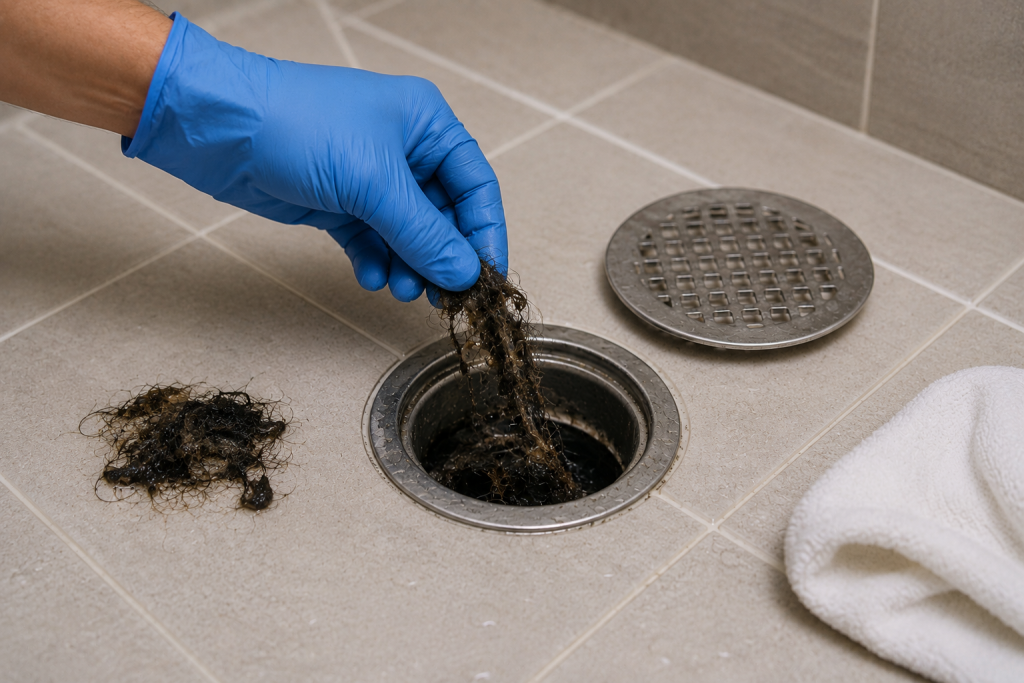
Hair clogs are the most common cause of shower drain problems.
How to Remove the Blockage
- A plastic barbed drain-cleaning tool can help pull out hair caught near the drain opening. Choose one compatible with your drain and remove buildup slowly without forcing the tool through resistance.
- Wipe the material into a trash bag
- Clean the drain opening thoroughly
Even removing a small amount of debris can dramatically improve water flow.
Step 3: Flush the Drain With Boiling Water
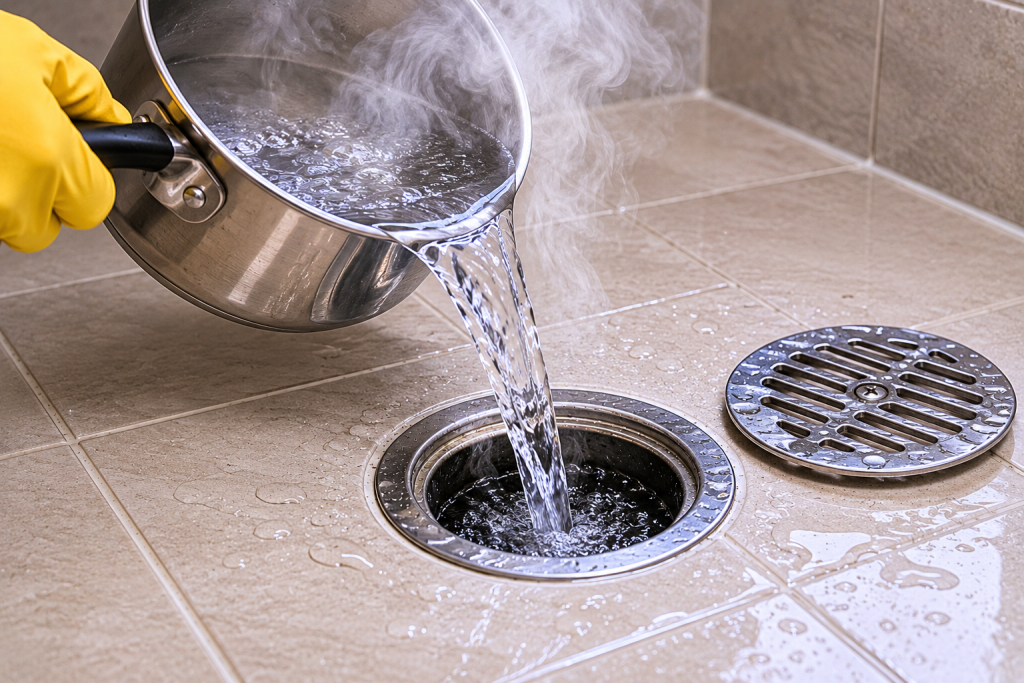
Boiling water can help dissolve soap scum and loosen grease buildup.
How to Flush the Drain
- Boil a pot of water carefully
- Slowly pour the water into the drain in stages
- Wait several minutes between pours
Avoid boiling water if you have older PVC pipes that may be sensitive to extreme heat.
Step 4: Use Baking Soda and Vinegar
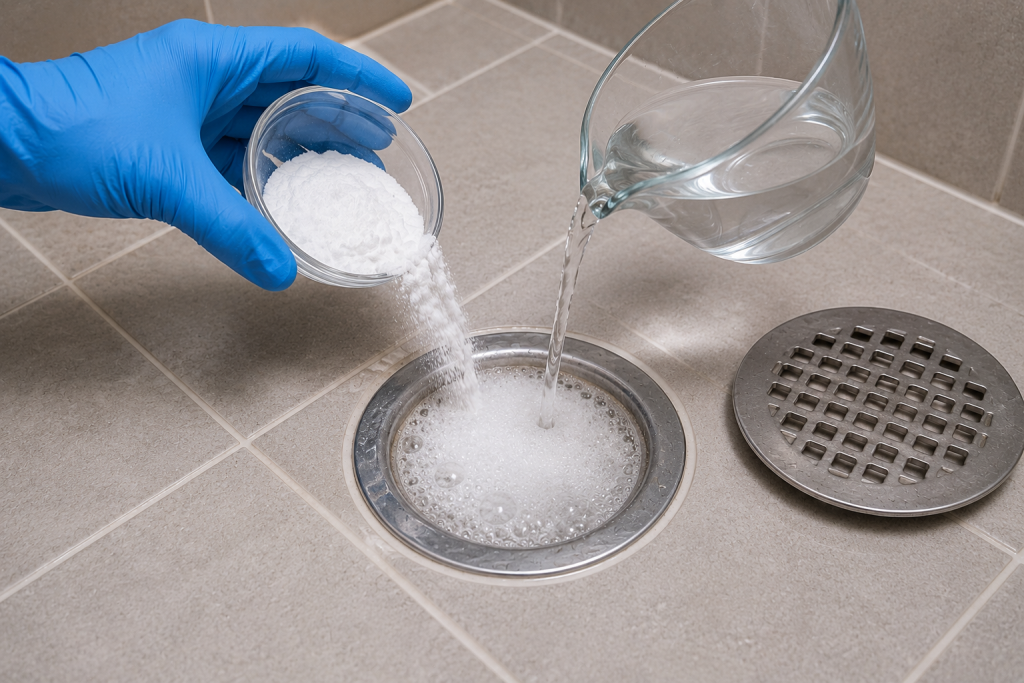
A natural cleaning solution can help break apart mild clogs and reduce odors.
How to Use the Mixture
- Pour 1/2 cup baking soda into the drain
- Add 1 cup white vinegar
- Allow the mixture to fizz for 15 minutes
- Flush the drain with hot water
This method works well for minor soap scum buildup.
For additional drain maintenance tips, see our guide on How to Fix a Slow Draining Sink: 7 Proven DIY Solutions.
Step 5: Plunge the Shower Drain
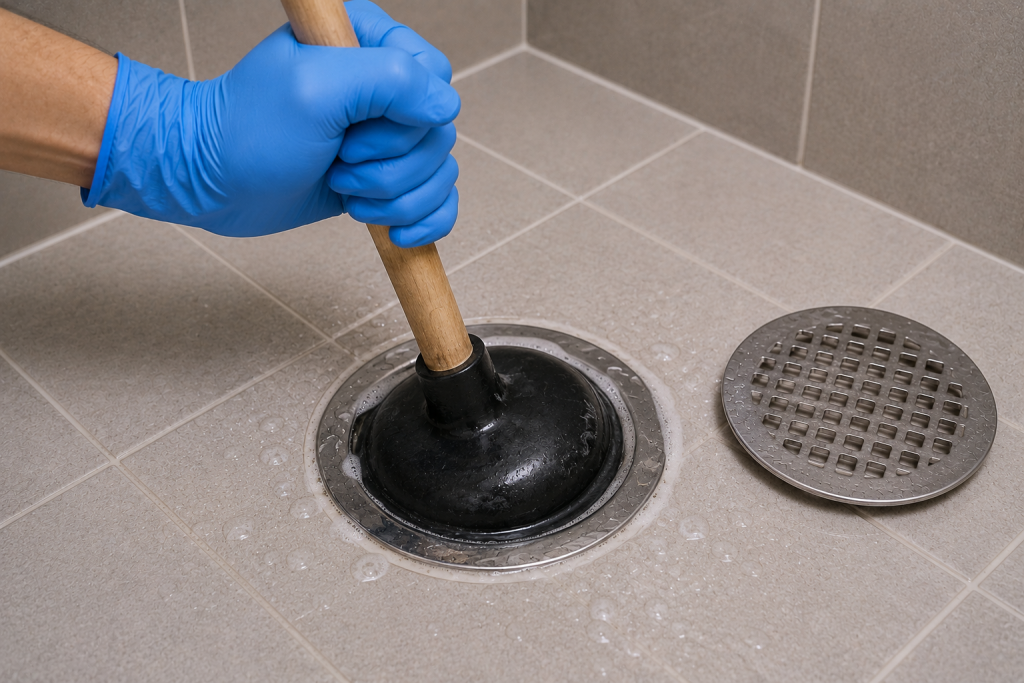
A plunger can help dislodge deeper blockages.
How to Plunge the Drain
- Use a flat-cup drain plunger that seals against the shower floor around the drain. Add enough water to cover the cup and begin gently to reduce splashing. Do not plunge a drain containing chemical drain cleaner.
- Push and pull rapidly for 20 to 30 seconds
- Test the drain afterward
A strong seal helps create enough suction to loosen the clog.
Step 6: Use a Drain Snake
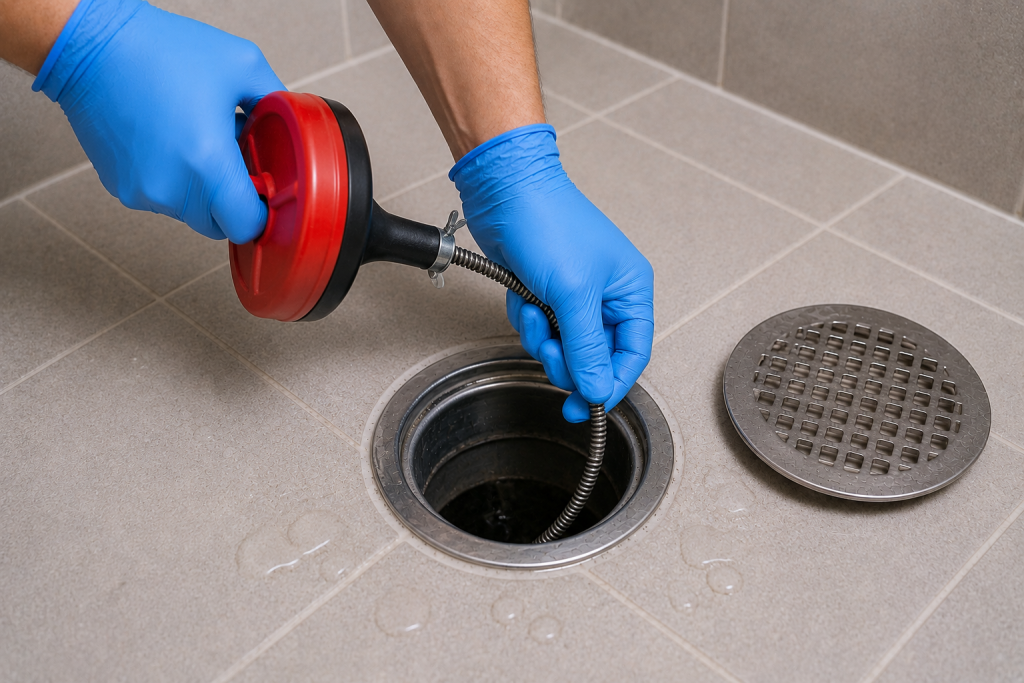
For a clog beyond the reach of a plastic hair-removal tool, a hand-operated drain auger suitable for shower drains may help. Follow its instructions for cable feeding and retrieval, and stop if the cable binds rather than forcing it farther.
How to Snake the Drain
- Insert the snake slowly into the drain
- Rotate the handle while feeding the cable
- Pull the snake out carefully
- Remove any attached debris
Drain snakes are especially effective for thick hair clogs deeper in the line.
You can learn more about proper drain maintenance from This Old House.
Step 7: Check for a More Serious Plumbing Blockage
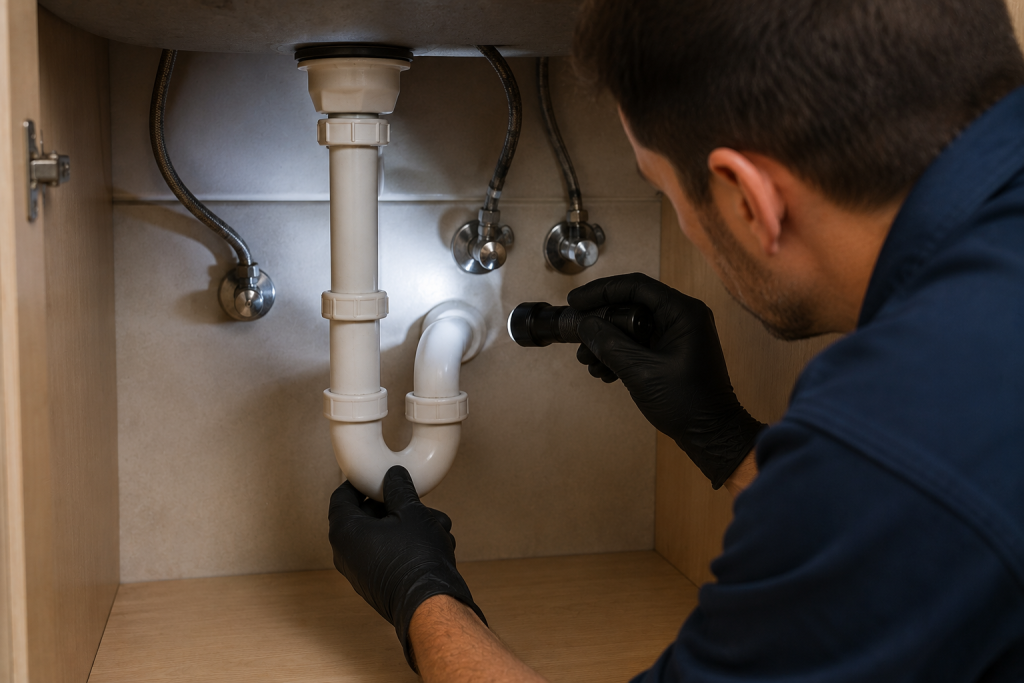
If the shower still drains slowly, the blockage may be farther down the plumbing system.
Signs of a Larger Drain Problem
- Multiple drains backing up
- Gurgling toilets
- Sewer odors
- Water appearing in other fixtures
At this point, you may need professional drain cleaning services.
You may also find it helpful to read our guide on 9 Warning Signs of a Clogged Sewer Line Every Homeowner Should Know.
How to Prevent Future Shower Drain Clogs
Preventive maintenance can help keep your shower drain flowing properly.
Prevention Tips
- Install a shower drain hair catcher that fits your drain opening and cover. Choose a design that allows water to flow freely, and remove collected hair regularly.
- Flush the drain with hot water weekly
- Clean the drain cover regularly
- Avoid rinsing thick products into the drain
- Remove visible hair buildup immediately
Routine cleaning is much easier than dealing with a severe blockage later.
Frequently Asked Questions
What is the best way to unclog a shower drain?
The best method depends on the type of clog. Hair clogs often respond well to a drain cleaning tool or drain snake, while soap scum buildup may clear with baking soda, vinegar, and hot water.
Can baking soda and vinegar unclog a shower drain?
Yes, baking soda and vinegar can help loosen mild clogs and remove odors. However, severe blockages may require a drain snake or professional cleaning.
Why does my shower drain keep clogging?
Recurring clogs are usually caused by hair buildup, soap residue, or poor drain maintenance. Older plumbing systems and partial sewer line blockages can also contribute to repeated clogs.
Is it safe to use chemical drain cleaners?
Chemical drain cleaners can sometimes damage pipes, especially with repeated use. Safer DIY options like drain snakes or baking soda and vinegar are usually recommended first.
When should I call a plumber for a clogged shower drain?
Call a plumber if multiple drains are backing up, the clog keeps returning, or water will not drain at all after trying standard DIY methods.
Looking for help with another plumbing problem? Browse our complete collection of plumbing repair and troubleshooting guides.
Final Thoughts
Most shower drain clogs can be cleared using simple DIY techniques like removing hair buildup, flushing the drain, or using a drain snake. Knowing how to unclog a shower drain can help prevent expensive plumbing repairs and keep your bathroom draining properly.
Regular cleaning and maintenance are the best ways to keep your shower drain working properly year-round.