
Last updated: October 16, 2026
By Home Repair Genie
Quick Answer
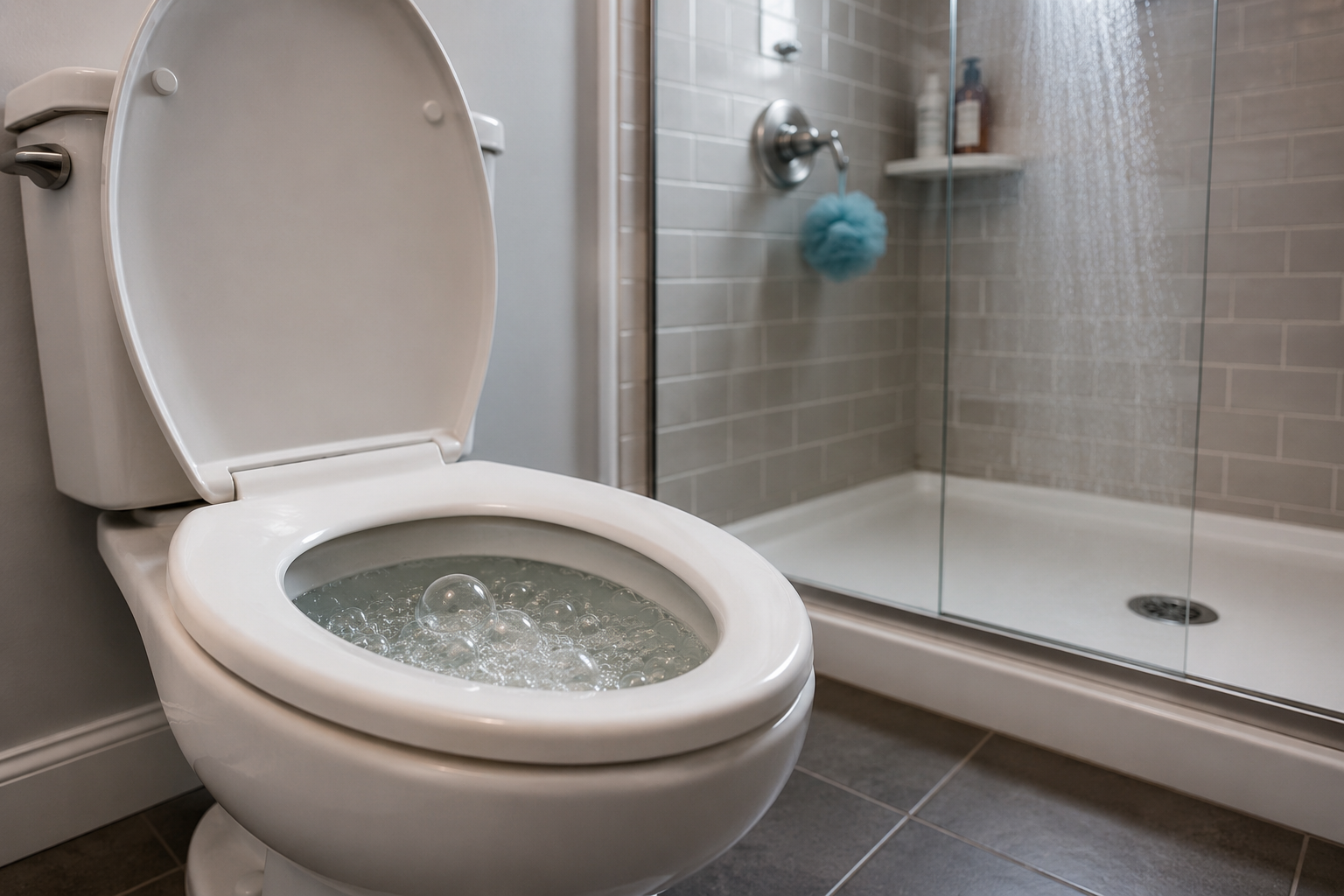
Toilet bubbles when shower runs because of a clog, blocked plumbing vent, or sewer line restriction that traps air inside your drain system. As shower water moves through the pipes, trapped air escapes through the toilet bowl and creates bubbling or gurgling sounds. In many cases, clearing a drain clog or fixing a vent blockage solves the problem.
Why Toilet Bubbles When Shower Runs
A bubbling toilet is usually a warning sign that air is trapped somewhere in your plumbing system. Your home’s drain lines and plumbing vents are designed to move wastewater and air smoothly through the pipes. When a clog or vent blockage disrupts airflow, pressure builds and pushes air into the toilet bowl.
You may notice:
- Gurgling or bubbling sounds from the toilet
- Slow shower or sink drainage
- Sewer odors near drains
- Water level changes in the toilet bowl
- Bubbling only when the shower or tub drains
If ignored, the issue can eventually lead to a major drain backup.
Step 1: Check for a Partial Drain Line Clog
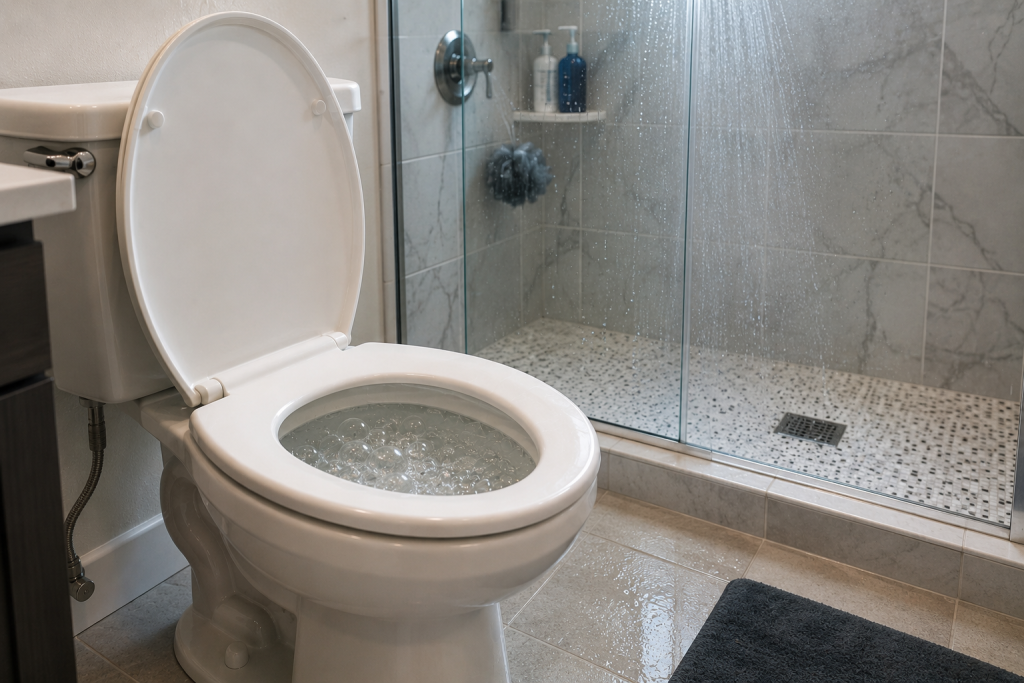
A partial clog is the most common reason a toilet bubbles when the shower runs.
Hair, soap scum, paper products, and debris can narrow the drain pipe. As shower water moves through the system, air becomes trapped and escapes through the toilet.
How to Check for a Drain Clog
- Flush the toilet and watch how quickly the water drains.
- Run the shower for several minutes.
- Look for slow draining, bubbling, or rising water in the toilet bowl.
- Check nearby sinks or tubs for drainage problems.
If multiple fixtures drain slowly, the clog may be in the main drain line.
For more plumbing troubleshooting, see our guide on How to Unclog a Drain: 7 Easy Fixes That Actually Work Fast.
Step 2: Use a Toilet Plunger
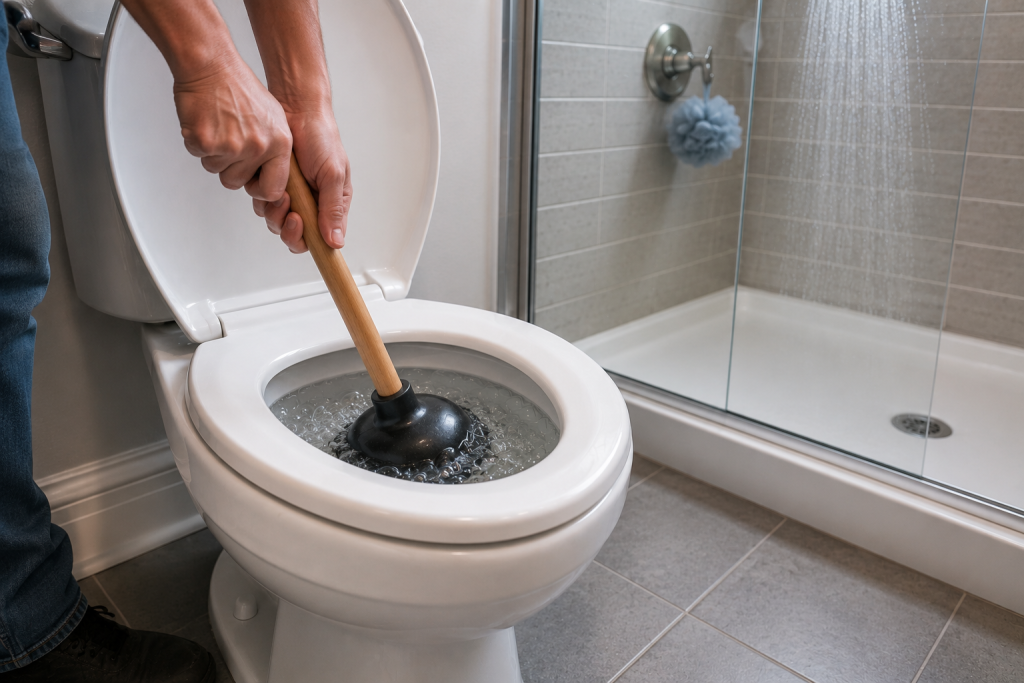
Sometimes the blockage is close enough to the toilet that plunging can remove it.
As an Amazon Associate I earn from qualifying purchases.
How to Plunge the Toilet Properly
- Use a flange-style toilet plunger that seals securely inside the toilet’s drain opening. Plunging may help a minor blockage near the toilet, but it will not repair a blocked roof vent or damaged sewer line. Stop if wastewater rises or backs up into another fixture.
- Ensure enough water covers the plunger cup.
- Push down slowly, then plunge forcefully 15–20 times.
- Flush the toilet and test the shower again.
If bubbling improves, the clog may have loosened.
Step 3: Snake the Shower Drain
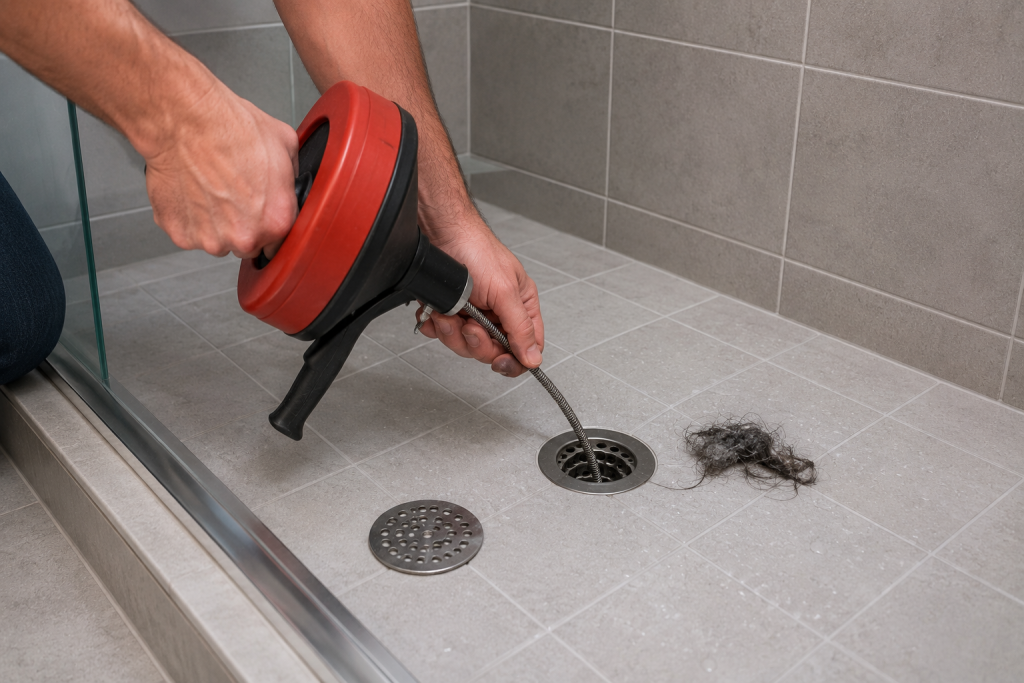
Hair clogs in the shower drain can restrict airflow and contribute to bubbling.
For accessible hair near the shower drain opening, a plastic barbed drain-cleaning tool can help pull out buildup. Choose one compatible with your drain and follow its instructions without forcing it. Removing a surface hair clog may improve shower drainage, but persistent toilet bubbling needs further investigation.
How to Clear the Shower Drain
- Remove the shower drain cover.
- Insert a plastic drain snake or drain auger.
- Pull out hair and debris buildup.
- Flush the drain with hot water.
Avoid using harsh chemical drain cleaners repeatedly because they can damage older plumbing pipes.
You can also read our related guide here: How to Unclog a Shower Drain: 7 Powerful DIY Fixes.
Step 4: Inspect the Plumbing Vent Pipe
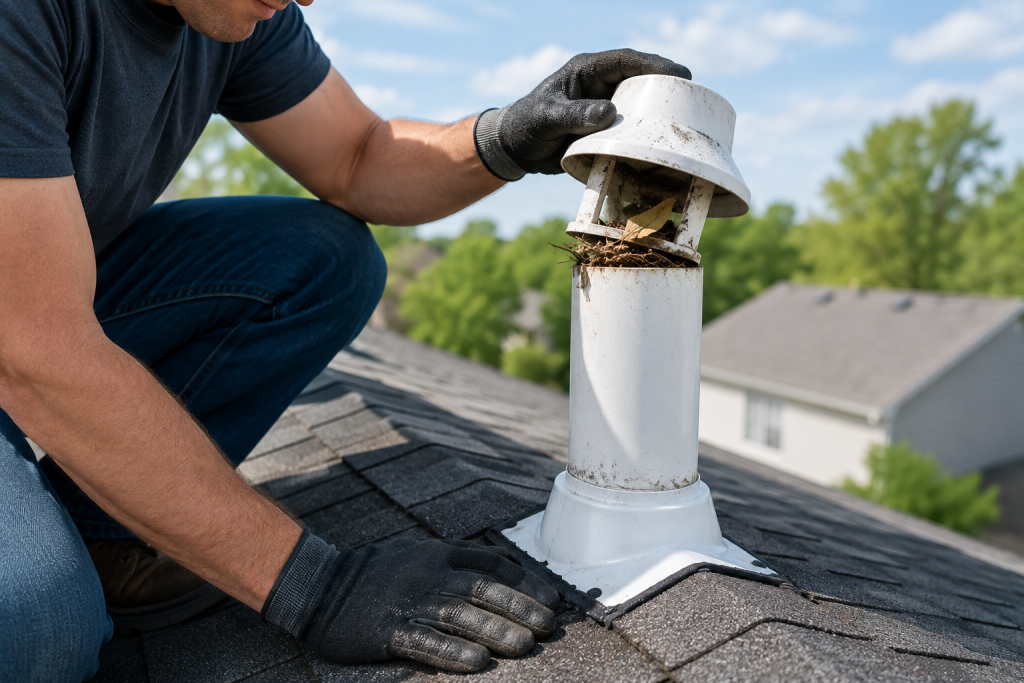
Your home’s plumbing vent system allows air into the drain pipes so water flows properly. If the vent becomes blocked by leaves, nests, or debris, pressure problems can develop.
Signs of a Blocked Plumbing Vent
- Toilet bubbles when shower runs
- Loud gurgling noises
- Sewer smells indoors
- Slow drainage throughout the house
How to Check the Vent
- Locate the plumbing vent pipe on the roof.
- Look for visible debris or bird nests.
- Use a garden hose to flush the vent carefully.
- Listen for improved drainage indoors.
If you are uncomfortable working on the roof, contact a licensed plumber.
For additional plumbing vent information, visit This Old House.
Step 5: Check for Main Sewer Line Problems
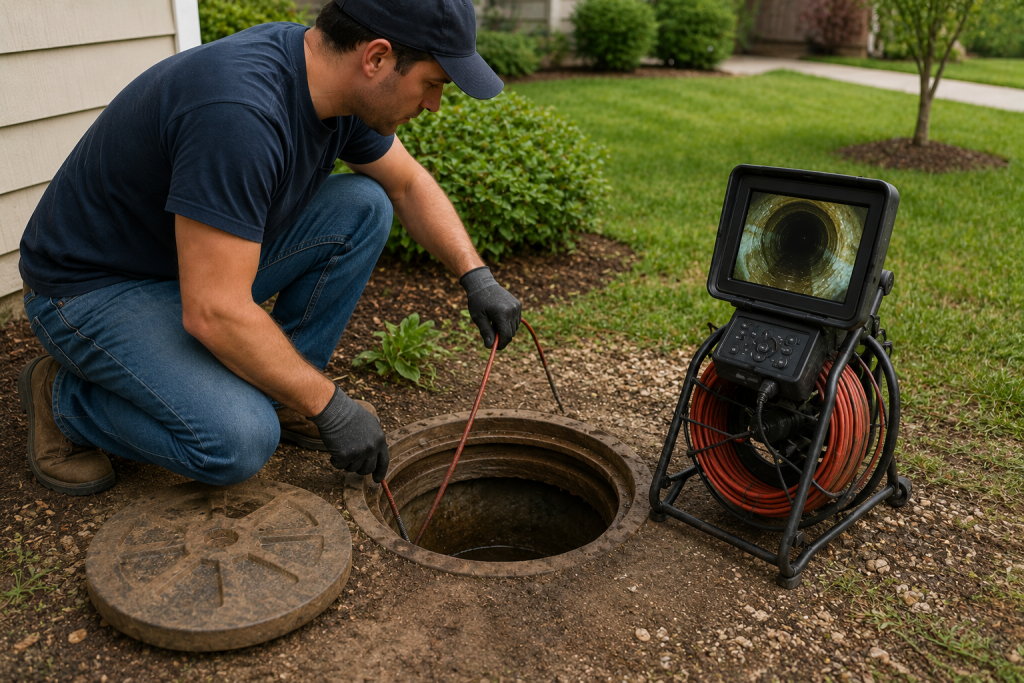
If several drains in the house are affected, the issue may involve the main sewer line.
Tree roots, collapsed pipes, grease buildup, or sewer obstructions can create pressure changes that cause toilet bubbling.
Signs of a Main Sewer Line Clog
- Multiple drains backing up
- Bubbling toilets throughout the house
- Water backing up into tubs or showers
- Sewer odors outdoors or indoors
A sewer inspection camera may be necessary to diagnose the problem.
You may also want to read: Why Does My Toilet Gurgle After Flushing? 7 Proven Fixes.
Step 6: Test the Toilet for Internal Problems
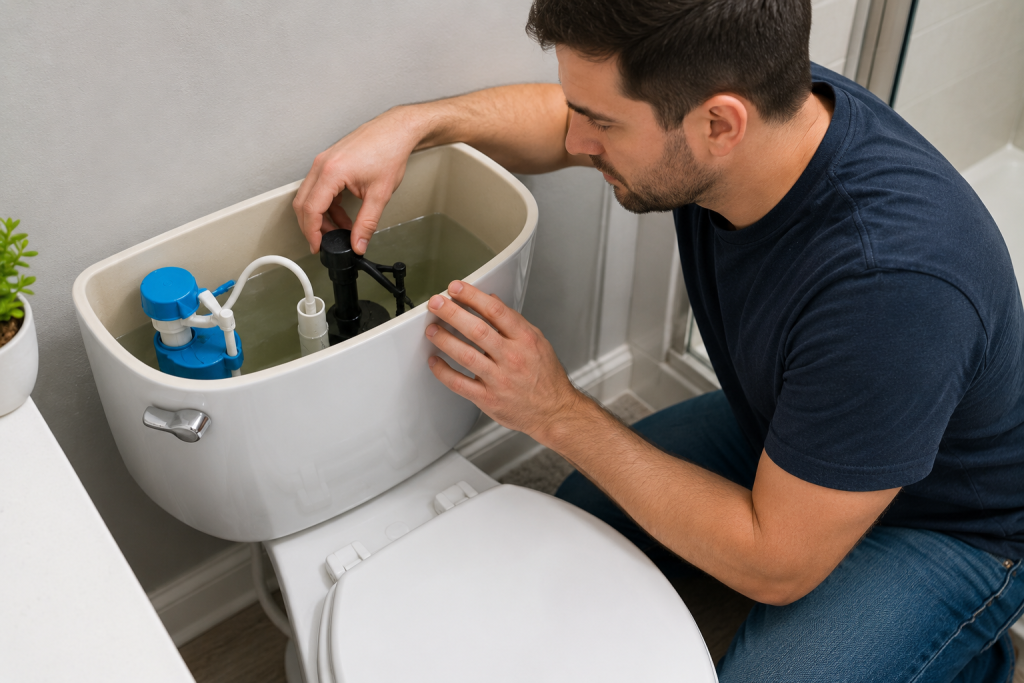
In some cases, the toilet itself may have a partial blockage or internal restriction.
How to Inspect the Toilet
- Check for weak flushing performance.
- Look for low water flow during a flush.
- If symptoms suggest a blockage inside the toilet itself, a manual toilet auger with a protective bowl guard may help clear the trap. Follow the tool’s instructions and avoid forcing the cable. A toilet auger cannot diagnose or clear every shared-drain or main-sewer restriction.
- Test flushing multiple times.
Items like wipes, paper towels, or children’s toys can partially block the toilet trap.
Step 7: Call a Plumber if Bubbling Continues
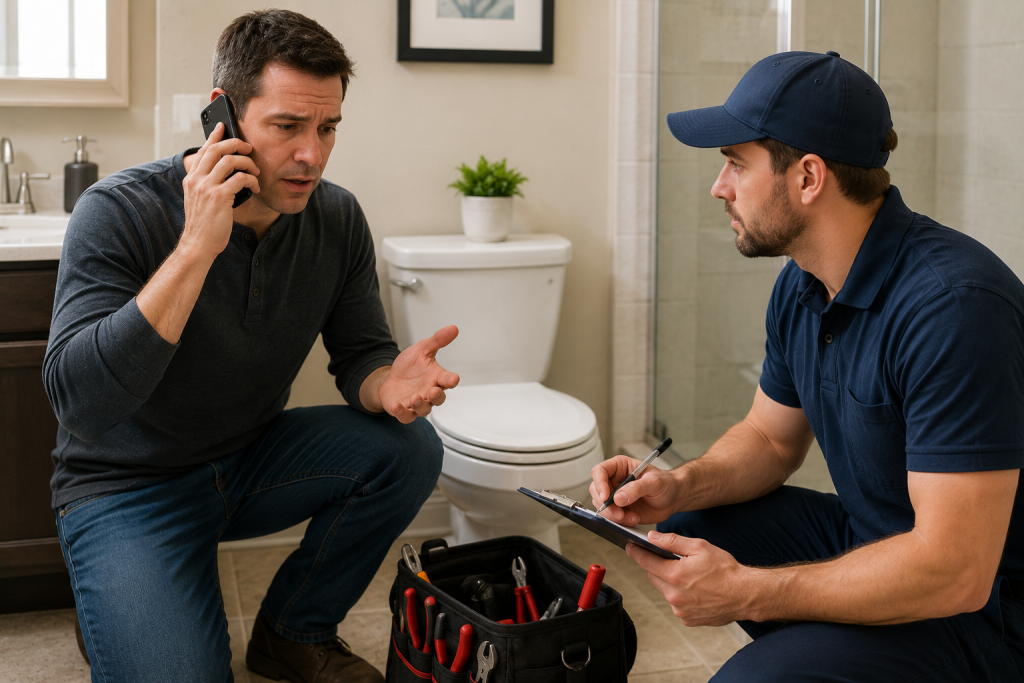
Persistent bubbling may indicate a deeper sewer or venting issue that requires professional equipment.
A plumber may use:
- Drain inspection cameras
- Motorized drain augers
- Hydro jetting equipment
- Sewer line smoke testing
Ignoring the problem can eventually lead to sewage backups and water damage.
How to Prevent Toilet Bubbling Problems
You can reduce the risk of future plumbing issues by following a few maintenance steps.
Preventive Tips
- Avoid flushing wipes or hygiene products
- Clean shower drains regularly
- A shower drain hair catcher can reduce hair entering the shower drain. Choose a design that fits your drain opening without restricting normal flow, and clean it regularly. It helps prevent local hair buildup rather than sewer or vent problems.
- Schedule periodic drain cleaning
- Keep roof plumbing vents clear
- Watch for slow drains early
Preventive maintenance is usually much less expensive than sewer repairs.
FAQ
Why does my toilet gurgle when the shower drains?
A toilet usually gurgles because air is trapped in the plumbing system due to a clog or blocked vent pipe.
Is a bubbling toilet an emergency?
Not always, but it can signal a developing sewer backup problem. If multiple drains are affected, schedule repairs quickly.
Can a clogged vent cause toilet bubbling?
Yes. A blocked plumbing vent can create negative air pressure that forces air bubbles into the toilet bowl.
Why does my toilet bubble but not clog?
A partial blockage or venting issue can affect airflow before a complete clog forms.
Can showering cause sewer gas smells?
Yes. Drain or vent issues can allow sewer gases to escape through nearby fixtures.
Should I use chemical drain cleaners?
Frequent use is not recommended because some chemical cleaners can damage pipes and plumbing seals over time.
Looking for help with another plumbing problem? Browse our complete collection of plumbing repair and troubleshooting guides.
Final Thoughts
If your toilet bubbles when shower runs consistently, it is important to fix the issue early before a major plumbing backup develops. In many homes, a partial clog or blocked vent pipe is responsible. Addressing the problem early can help prevent expensive sewer backups and plumbing repairs later.
Start with simple troubleshooting steps like plunging, clearing the shower drain, and inspecting the vent system. If the bubbling continues or multiple fixtures are affected, a professional plumbing inspection may be the safest solution.