
Last updated: September 20, 2026
By Home Repair Genie
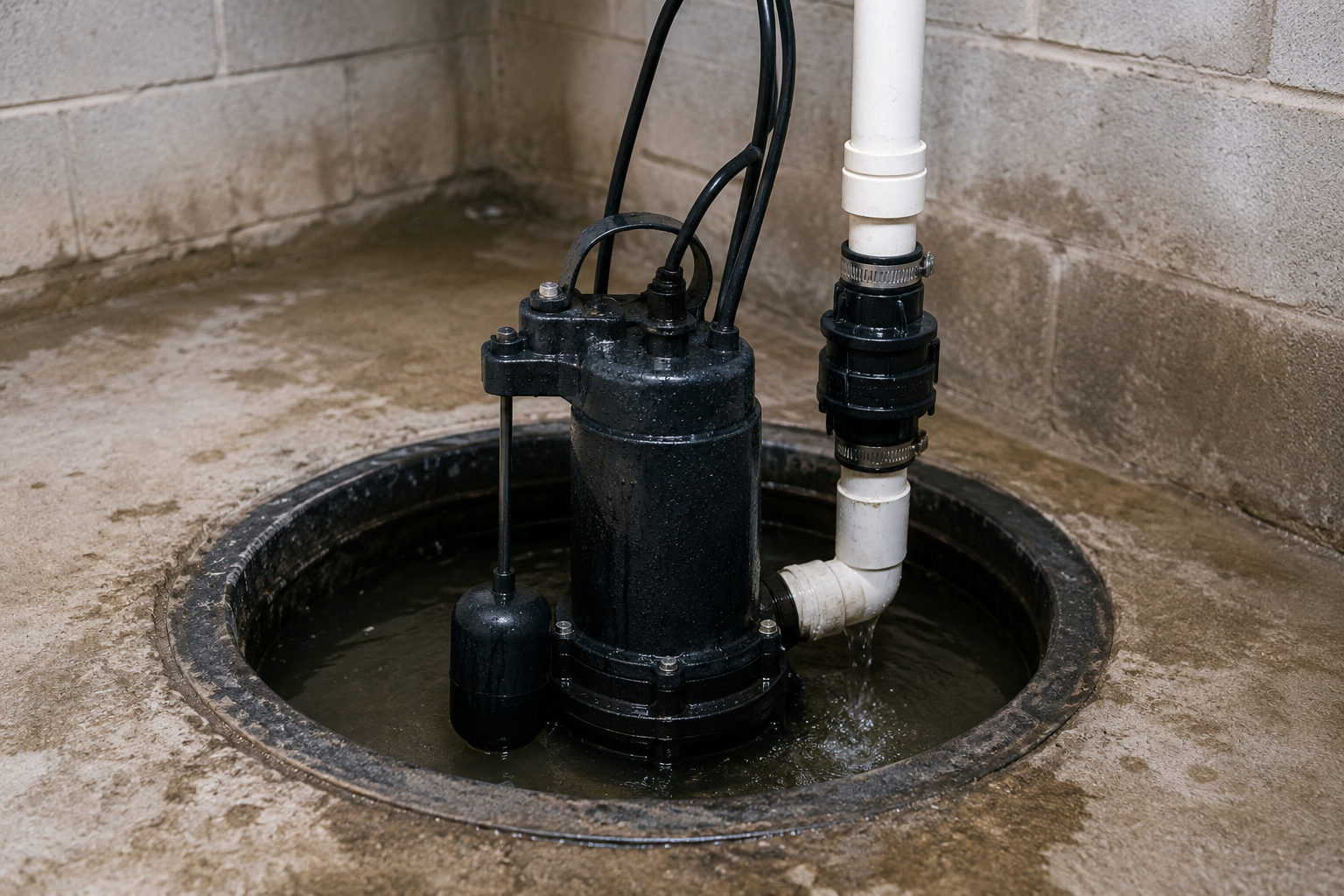
If your sump pump runs constantly, it’s usually a sign that excess groundwater, a stuck float switch, a clogged discharge pipe, or an improperly sized pump is preventing the system from cycling normally. While continuous operation may protect your basement from flooding, it also increases wear on the pump and can lead to premature failure. The good news is that many causes are easy to identify and fix.
Quick Answer
If your sump pump runs constantly, first check whether heavy rain or melting snow is causing unusually high groundwater. If weather isn’t the issue, inspect the float switch, discharge line, check valve, and sump pit for problems. A pump that never shuts off may also be undersized, improperly installed, or nearing the end of its lifespan. These steps can usually identify why your sump pump runs constantly and help restore normal operation.
For more plumbing maintenance tips, see our guide on Annual Plumbing Maintenance Checklist: 21 Proven Tasks to Prevent Costly Repairs.
1. Check for Heavy Rain or High Groundwater
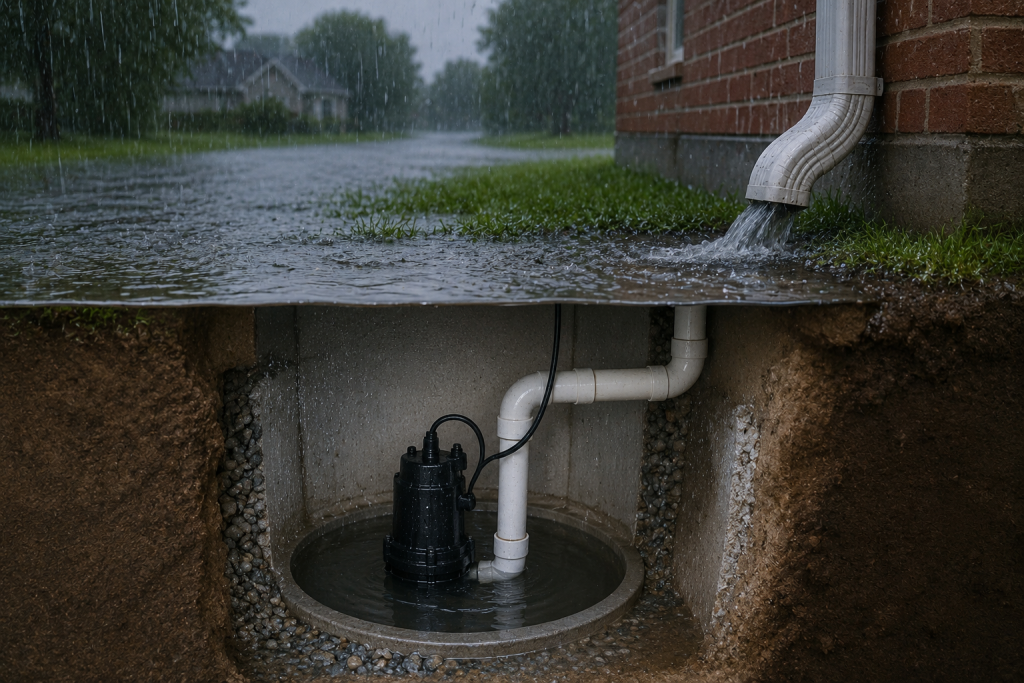
Step 1: Evaluate Recent Weather
Continuous operation during or immediately after heavy rainfall can be completely normal.
Step 2: Wait for Water Levels to Drop
Once the groundwater recedes, the pump should begin cycling normally.
Step 3: Monitor the Pump
If it continues running several days after the weather clears, investigate further.
2. Inspect the Float Switch
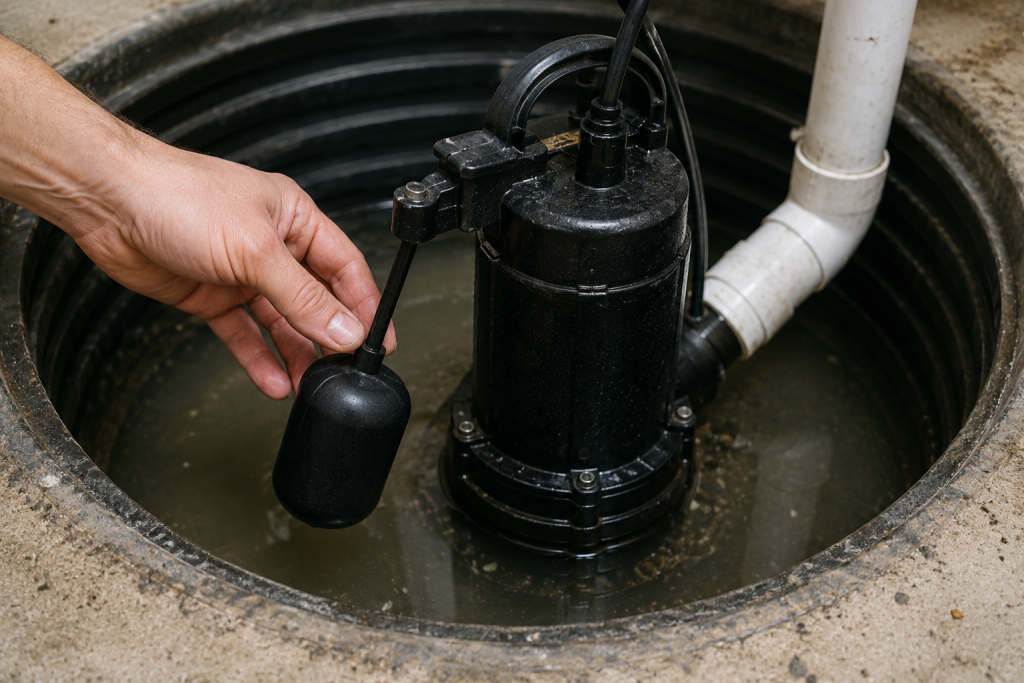
Step 1: Disconnect Power
Unplug the sump pump before working inside the pit.
Step 2: Lift and Lower the Float
The float should move freely without sticking against the pit wall or discharge pipe.
Step 3: Remove Obstructions
Clear away debris, sediment, or tangled cords that could keep the float in the “on” position.
A stuck float switch is one of the most common reasons a sump pump runs constantly.
3. Clean the Sump Pit
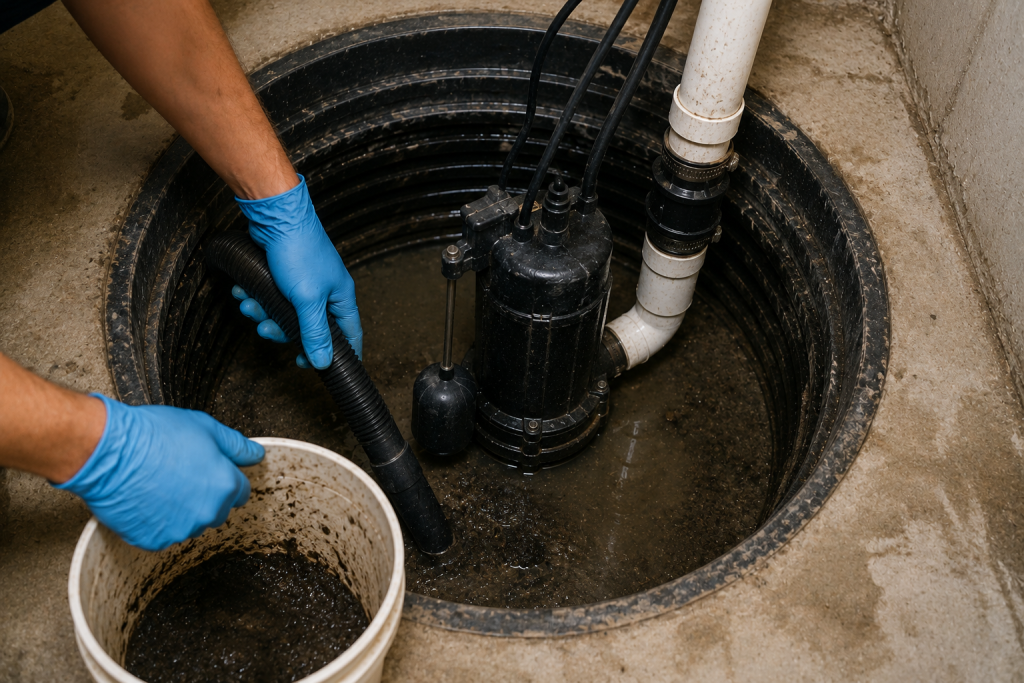
Step 1: Remove Dirt and Gravel
Debris can interfere with float movement and prevent proper shutoff.
Step 2: Vacuum the Bottom
A wet/dry vacuum works well for removing sludge and sediment.
Step 3: Test Operation
Restore power and verify that the pump shuts off when the water level drops.
4. Inspect the Discharge Pipe
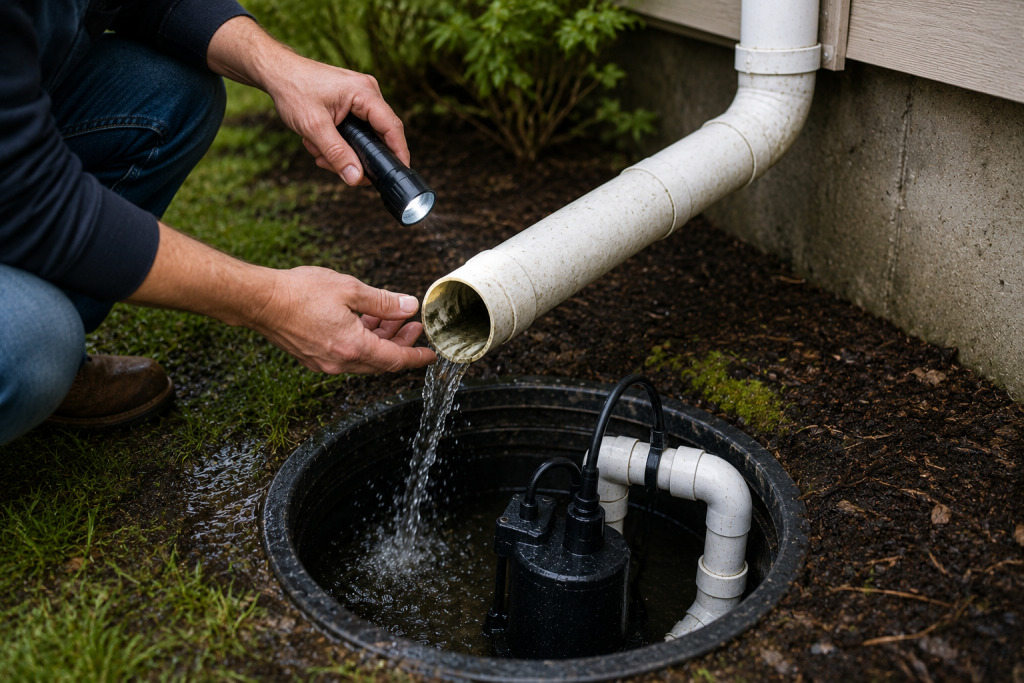
Step 1: Check Outside the Home
Ensure water is flowing freely from the discharge pipe.
Step 2: Look for Blockages
Leaves, mud, ice, or animal nests can restrict water flow.
Step 3: Clear the Pipe
Remove any obstruction so water can discharge properly.
If your pump can’t move water efficiently, it may continue running indefinitely.
5. Test the Check Valve
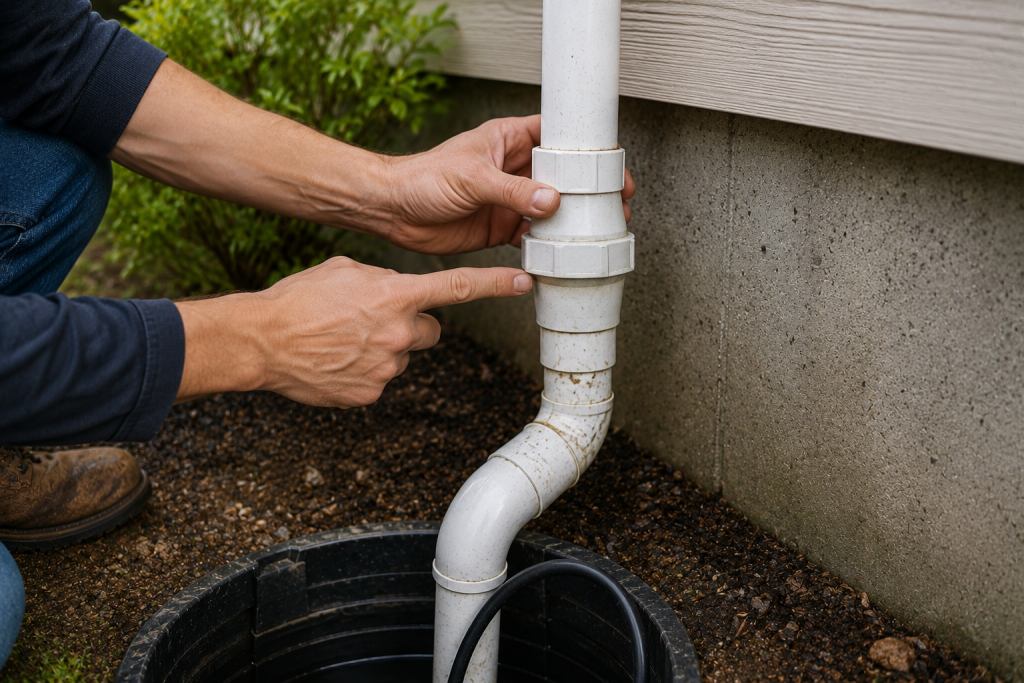
Step 1: Locate the Check Valve
It’s usually installed on the vertical discharge pipe above the pump.
Step 2: Inspect the Flow Direction
Verify the arrow points away from the sump pit.
Step 3: Replace a Faulty Valve
A failed check valve allows discharged water to flow back into the pit, forcing the pump to run repeatedly.
6. Verify the Pump Is Properly Sized
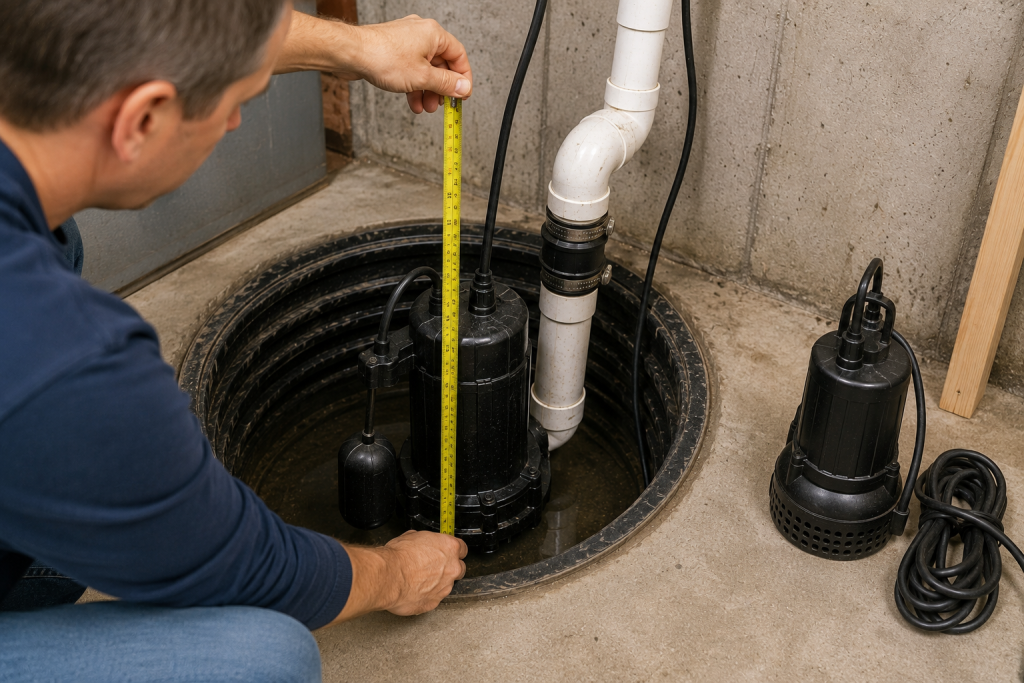
Step 1: Compare Pump Capacity
An undersized pump may never catch up with incoming groundwater.
Step 2: Review the Manufacturer’s Specifications
Compare the pump’s gallons-per-hour rating to your home’s drainage needs.
Step 3: Upgrade if Necessary
Installing the correct size pump often solves continuous operation during moderate water conditions.
If your sump pump runs constantly during normal weather, an undersized pump could be the problem.
7. Look for a Frozen or Restricted Discharge Line
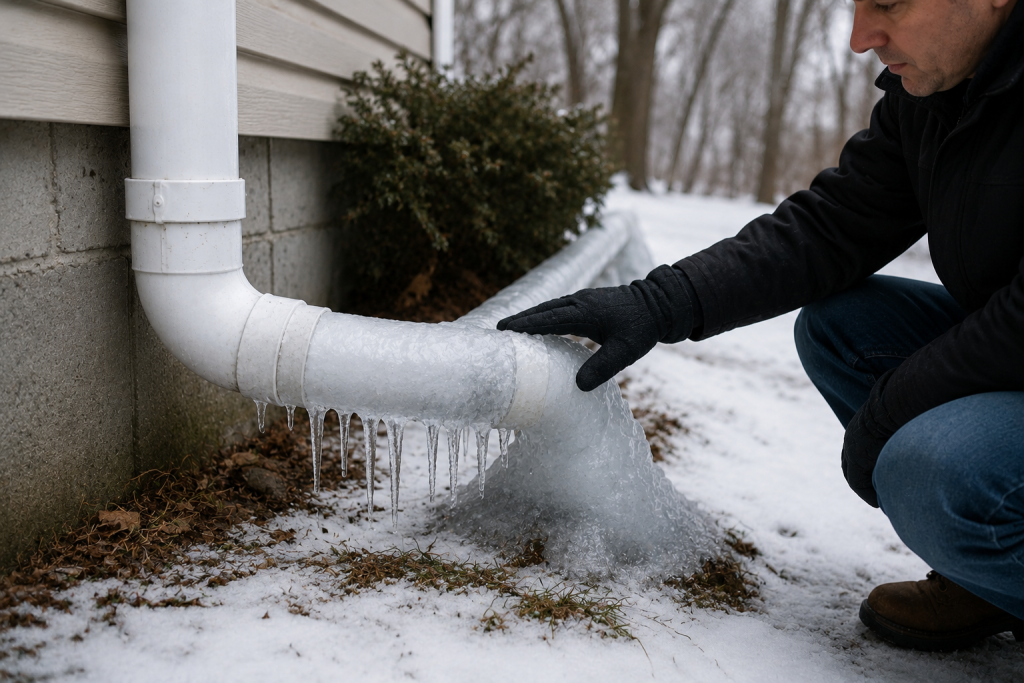
Step 1: Inspect Outdoor Piping
In winter, water inside the discharge pipe may freeze.
Step 2: Remove Ice
Safely thaw the blockage if possible.
Step 3: Prevent Future Freezing
Extend the pipe properly and ensure it drains completely after each pumping cycle.
8. Check for Pump Wear or Failure
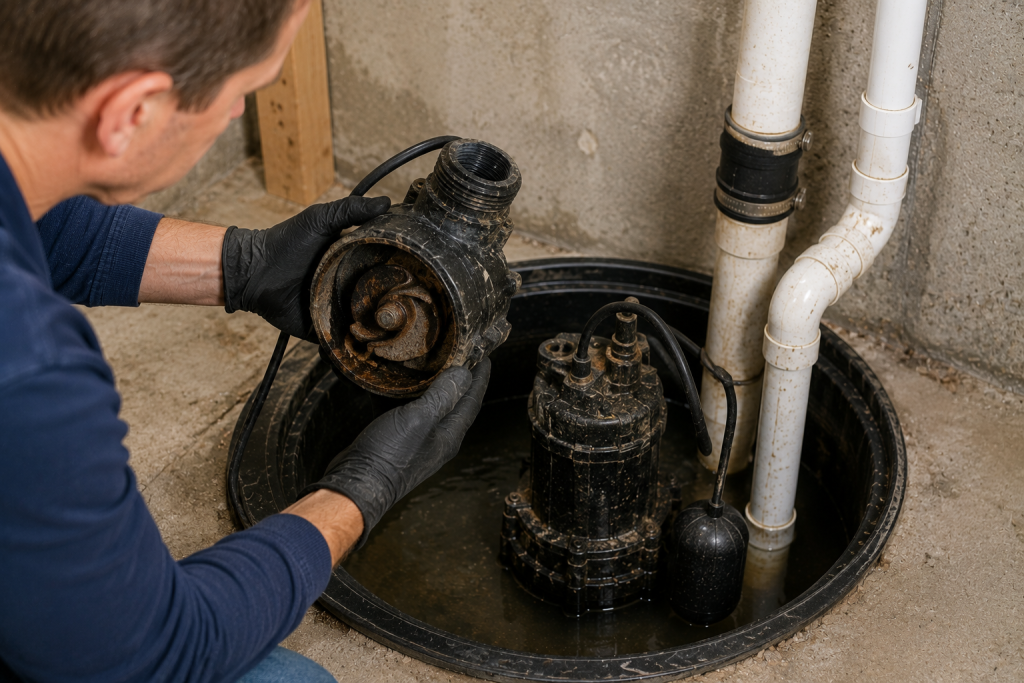
Step 1: Listen for Unusual Sounds
Grinding, rattling, or excessive vibration may indicate internal damage.
Step 2: Monitor Pump Performance
If the motor runs but water isn’t being removed efficiently, internal components may be worn.
Step 3: Replace the Pump
Most sump pumps last about 7 to 10 years under normal conditions.
An aging motor or damaged impeller may explain why your sump pump runs constantly even after basic maintenance.
For additional maintenance advice, see our guide on Sump Pump Not Working? 7 Easy Fixes Homeowners Can Try.
9. Call a Professional
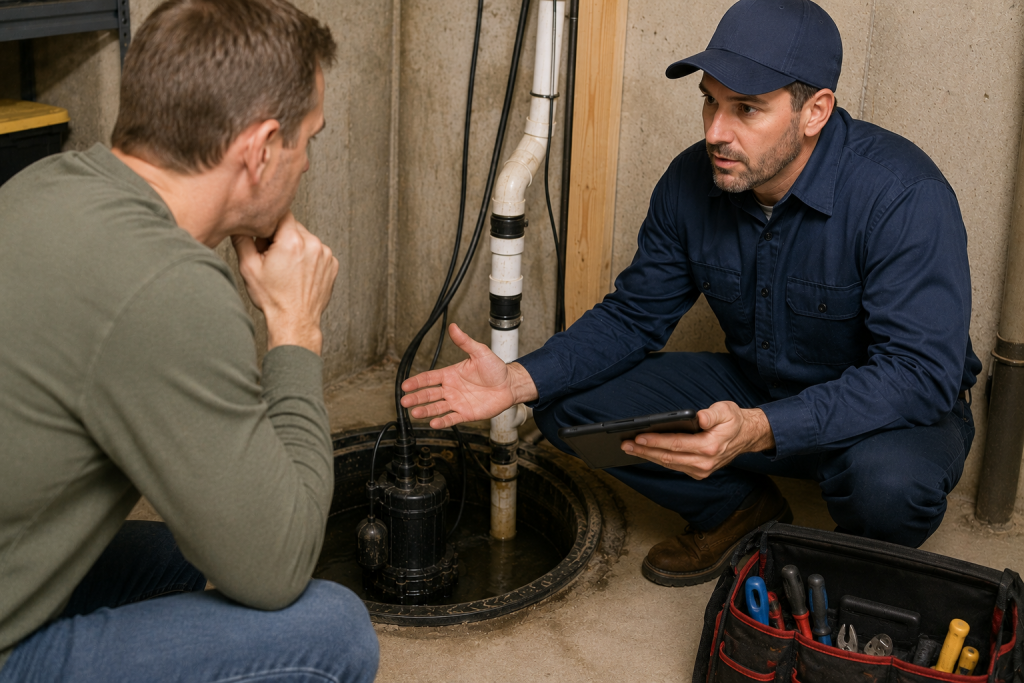
Step 1: Rule Out Simple Problems
Verify the float, discharge pipe, check valve, and pit are functioning correctly.
Step 2: Have the Drainage System Evaluated
Persistent operation may indicate foundation drainage issues or unusually high groundwater.
Step 3: Replace the Entire System if Needed
An experienced plumber or waterproofing contractor can recommend the proper pump size and installation.
When a Constantly Running Sump Pump Is Normal
Continuous operation isn’t always a sign of a problem. Your sump pump may run for extended periods during:
- Heavy rainstorms
- Rapid snowmelt
- Flooding
- High seasonal groundwater
- Homes with naturally wet soil
If the pump stops once water levels decrease, it’s likely operating normally.
Signs Your Sump Pump Needs Immediate Attention
Watch for these warning signs:
- Pump never shuts off during dry weather
- Motor runs but little water is discharged
- Frequent circuit breaker trips
- Loud grinding or rattling noises
- Burning smell from the motor
- Basement water level continues rising
- Visible rust or corrosion
- Pump is more than 10 years old
Preventing Continuous Sump Pump Operation
Routine maintenance can help prevent unnecessary wear.
- Test the pump every few months.
- Clean the sump pit annually.
- Inspect the float switch regularly.
- Check the discharge pipe for blockages.
- Verify the check valve operates correctly.
- Install a battery backup pump.
- Direct downspouts away from the foundation.
- Maintain proper grading around your home.
For additional maintenance recommendations, the U.S. Environmental Protection Agency provides guidance on reducing basement moisture and water problems.
Frequently Asked Questions
Why won’t my sump pump turn off?
The most common causes include a stuck float switch, clogged discharge pipe, failed check valve, excessive groundwater, or a worn-out pump.
Is it bad if my sump pump runs continuously?
Yes. Continuous operation shortens the pump’s lifespan, increases electricity costs, and raises the risk of failure when you need it most.
How long should a sump pump normally run?
Most pumps operate for several seconds to a few minutes before shutting off. During heavy storms, longer cycles are normal.
Can a bad float switch keep the pump running?
Yes. If the float remains stuck in the raised position, the pump will continue operating until power is disconnected.
How long do sump pumps usually last?
Most quality sump pumps last between 7 and 10 years with regular maintenance.
Should I unplug a sump pump that’s running constantly?
Only after confirming there’s no immediate flooding risk. If groundwater is still entering the pit, unplugging the pump could allow your basement to flood.
Looking for help with another plumbing problem? Browse our complete collection of plumbing repair and troubleshooting guides.
Final Thoughts
A sump pump that runs constantly often points to a simple maintenance issue, but ignoring it can lead to premature pump failure and costly water damage. Start by checking recent weather, inspecting the float switch, cleaning the sump pit, and verifying the discharge system is working properly. If the pump still won’t shut off after these checks, professional diagnosis is the safest next step. By finding the reason your sump pump runs constantly and correcting it quickly, you can protect your home, reduce wear on the pump, and avoid expensive repairs.