Last updated: September 21, 2026
By Home Repair Genie
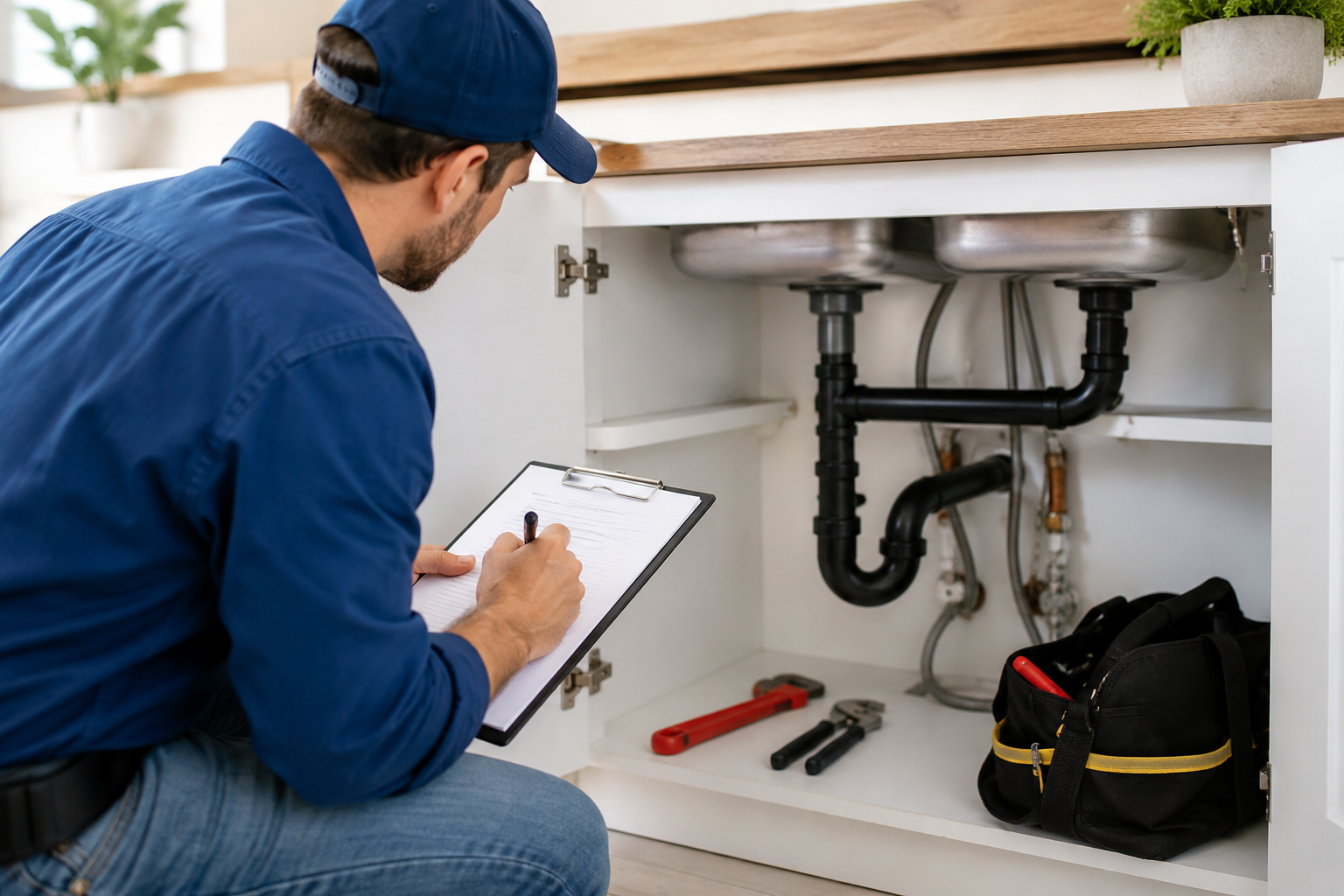
Keeping up with annual plumbing maintenance can help prevent leaks, water damage, high utility bills, and expensive emergency repairs. By inspecting your plumbing system once a year, you can catch small issues before they turn into major problems.
Quick Answer
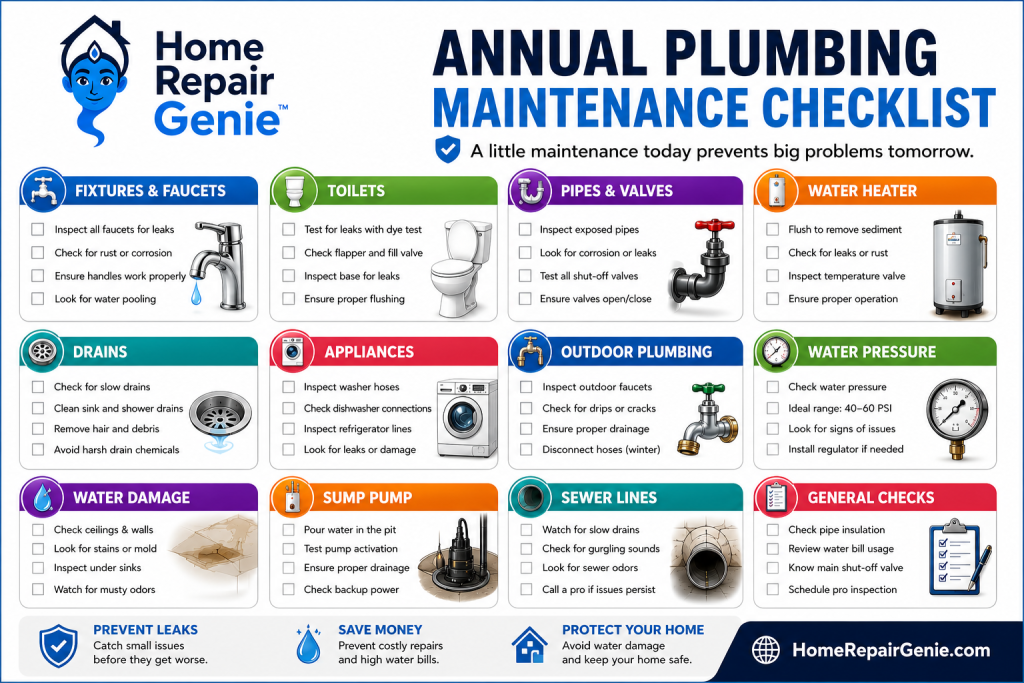
An annual plumbing maintenance checklist should include inspecting faucets, checking for leaks, testing shut-off valves, flushing the water heater, cleaning drains, inspecting toilets, checking water pressure, and looking for signs of hidden plumbing damage. Regular maintenance helps extend the life of your plumbing system and can reduce costly repairs.
Why Annual Plumbing Maintenance Checklist Matters
Your home’s plumbing system works every day behind walls, under floors, and throughout your house. Small plumbing problems often go unnoticed until they become serious.
Annual plumbing maintenance can help you:
- Prevent water damage
- Lower water bills
- Improve water pressure
- Extend the lifespan of fixtures and appliances
- Reduce the chance of emergency plumbing repairs
- Catch hidden leaks early
If you already have issues like low water pressure or clogged drains, you may also want to read:
- Low Water Pressure in Kitchen Sink? 7 Easy Fixes That Actually Work
- Low Water Pressure in Shower? 7 Easy Fixes That Actually Work
- How to Unclog a Shower Drain: 7 Powerful DIY Fixes
1. Inspect All Faucets for Leaks
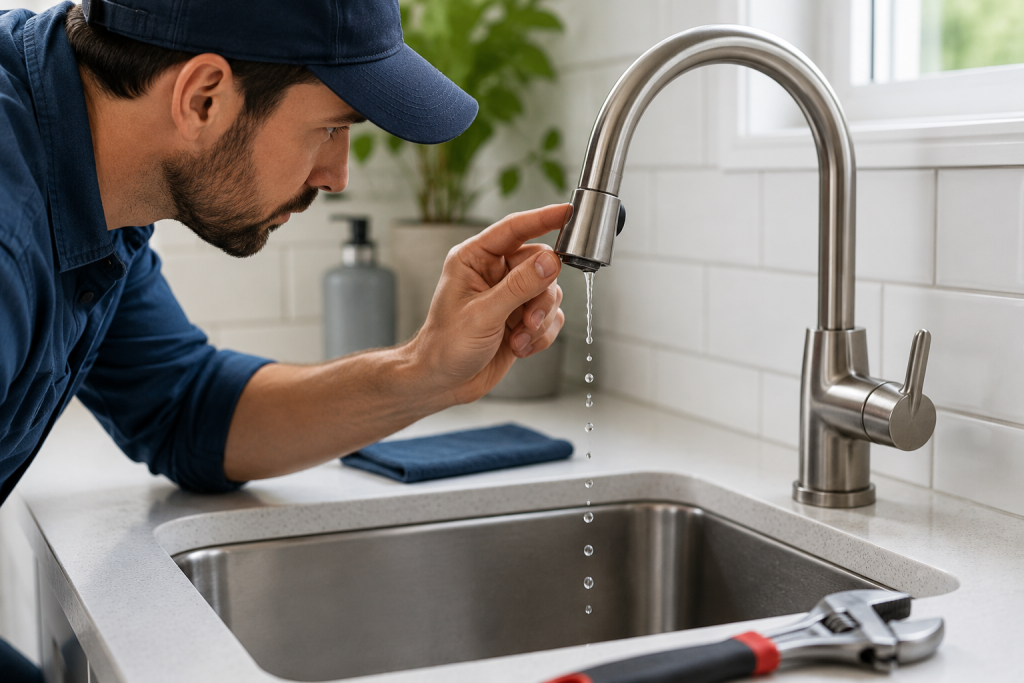
Check every faucet in your kitchen, bathrooms, laundry room, and outdoor areas.
Look for:
- Dripping water
- Rust or corrosion
- Loose handles
- Water pooling around the base
Even a slow drip can waste hundreds of gallons of water each year.
If you notice dripping water, read: How to Fix a Leaky Faucet: 7 Easy Fixes to Stop the Drip Fast
2. Test Every Toilet for Leaks
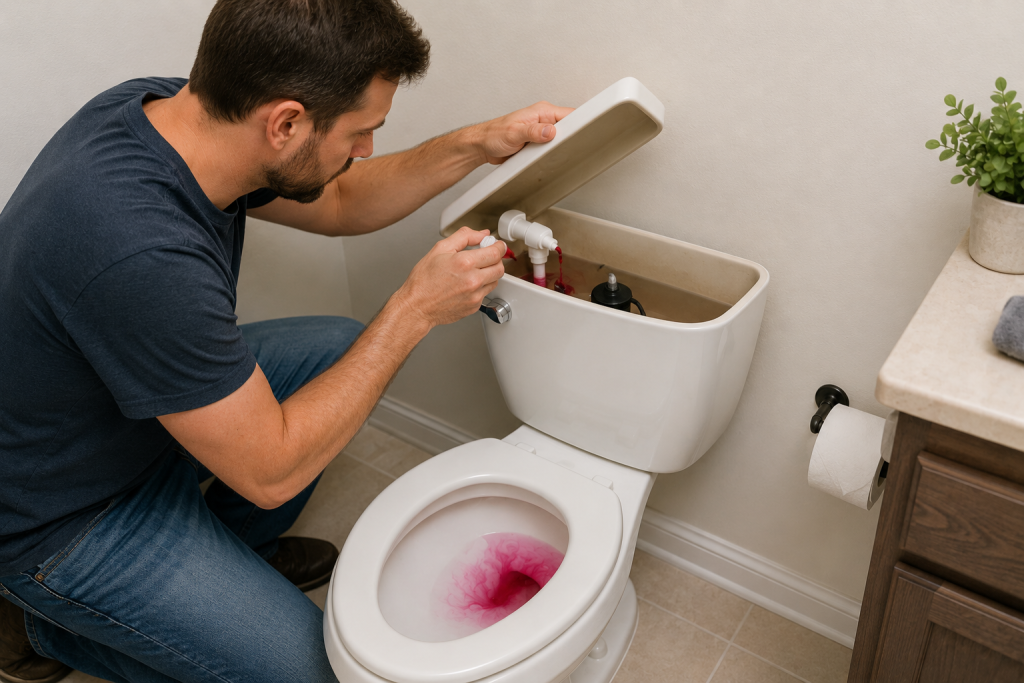
A running toilet can quietly waste a large amount of water.
To check for leaks:
- Add a few drops of food coloring to the tank
- Wait 10–15 minutes without flushing
- See if color appears in the bowl
If color appears, the flapper or fill valve may need replacement.
Read more about: How to Fix a Running Toilet: 7 Easy Fixes That Actually Work
3. Check Under Sinks for Moisture
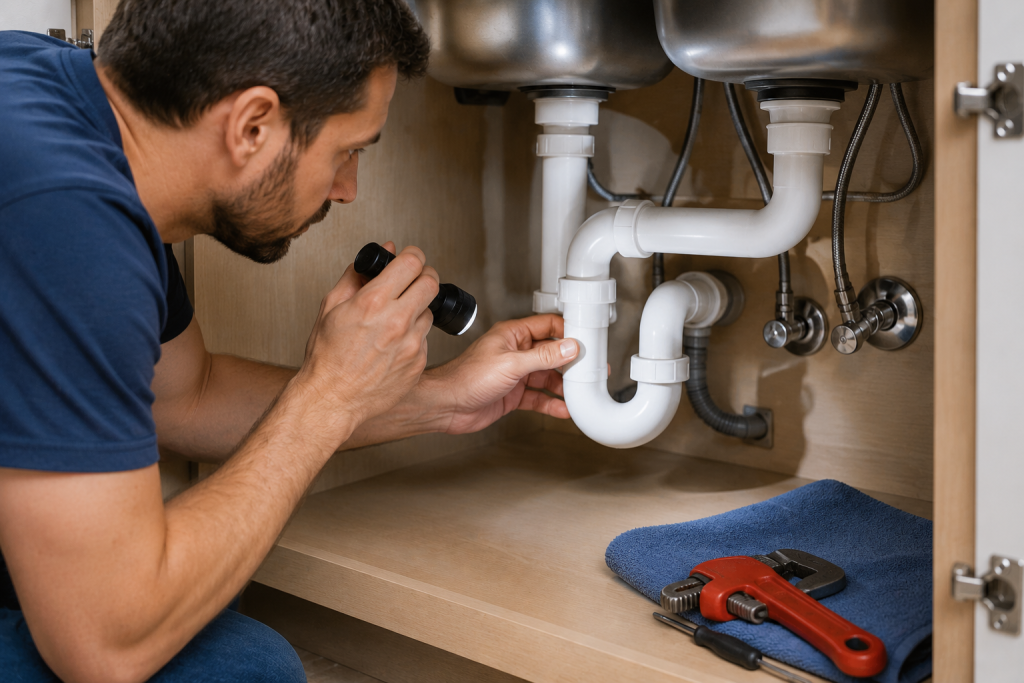
Open cabinets under sinks and inspect for:
- Damp wood
- Mold or mildew
- Water stains
- Soft cabinet flooring
- Slow leaks around drain pipes
Small leaks often develop slowly and can go unnoticed for months.
4. Inspect Exposed Pipes
Check exposed plumbing pipes in:
- Basements
- Utility rooms
- Garages
- Crawl spaces
Look for:
- Corrosion
- Mineral buildup
- Rust spots
- Drips
- Loose fittings
5. Test All Shut-Off Valves
Many shut-off valves sit untouched for years and may fail during an emergency.
Test:
- Sink shut-off valves
- Toilet shut-off valves
- Main water shut-off valve
Turn each valve slowly to ensure it opens and closes properly.
6. Flush the Water Heater
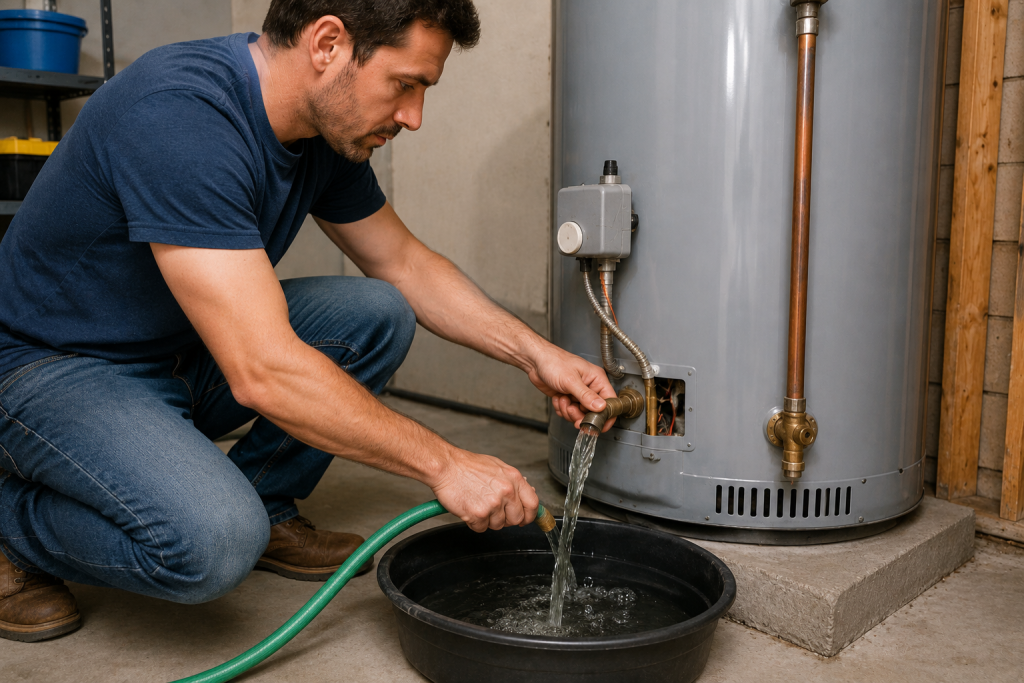
Sediment buildup inside the water heater can reduce efficiency and shorten its lifespan.
Annual flushing helps:
- Improve efficiency
- Extend heater life
- Reduce noise
- Improve hot water performance
Always follow your manufacturer’s instructions before flushing.
The experts at This Old House provide a detailed guide on flushing a water heater safely.
7. Check Water Heater for Corrosion or Leaks
Inspect around the water heater for:
- Rust
- Water pooling
- Corrosion on fittings
- Signs of slow leakage
If your water heater is over 10 years old, monitor it closely for failure signs.
8. Inspect Washing Machine Hoses
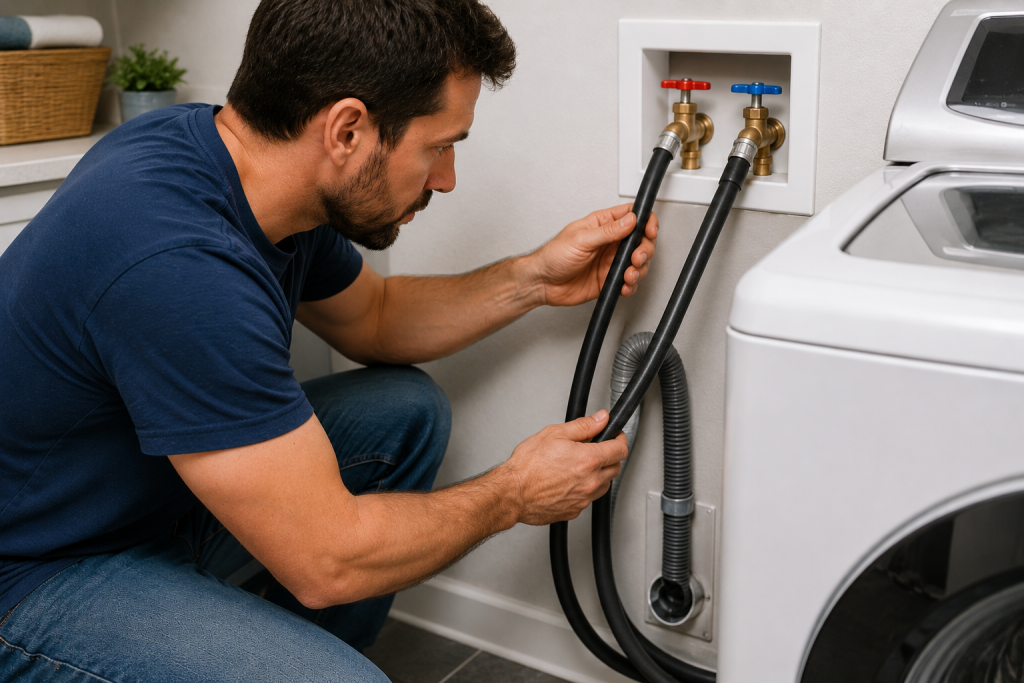
Washing machine hose failures are a common cause of home water damage.
Check hoses for:
- Cracks
- Bulges
- Rusted fittings
- Leaks
Rubber hoses should typically be replaced every few years.
9. Inspect Dishwasher Connections
Look under and behind the dishwasher for:
- Water stains
- Loose hose connections
- Mold or mildew
- Signs of slow leaks
10. Check for Slow Drains
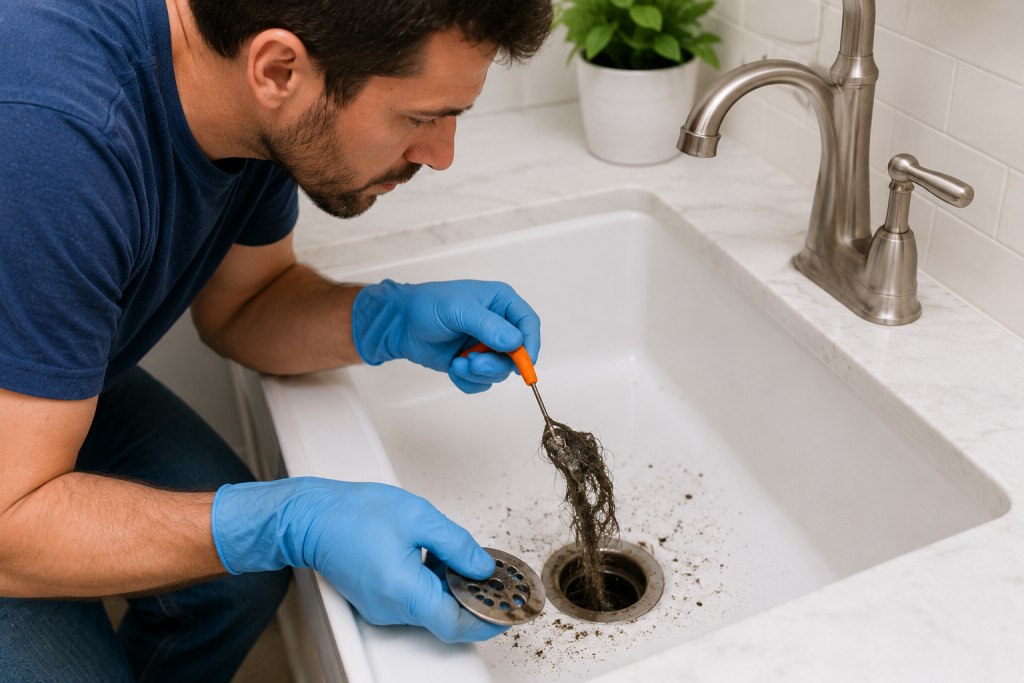
Run water through sinks, tubs, and showers.
Slow drains may indicate:
- Hair buildup
- Soap scum
- Grease buildup
- Partial clogs
Read more about: How to Unclog a Drain: 7 Easy Fixes That Actually Work Fast
11. Clean Sink and Shower Drains
Remove debris and buildup from drains throughout the house.
Helpful maintenance steps include:
- Removing visible hair
- Flushing drains with hot water
- Using a drain-safe cleaning method
Avoid harsh chemical drain cleaners whenever possible.
12. Check Water Pressure
High water pressure can damage plumbing fixtures and pipes over time.
Signs of pressure problems include:
- Banging pipes
- Dripping faucets
- Appliance leaks
- Running toilets
Most homes perform best between 40–60 PSI.
You might find this helpful: Low Water Pressure in Kitchen Sink? 7 Easy Fixes That Actually Work
13. Inspect Outdoor Faucets and Hose Bibs
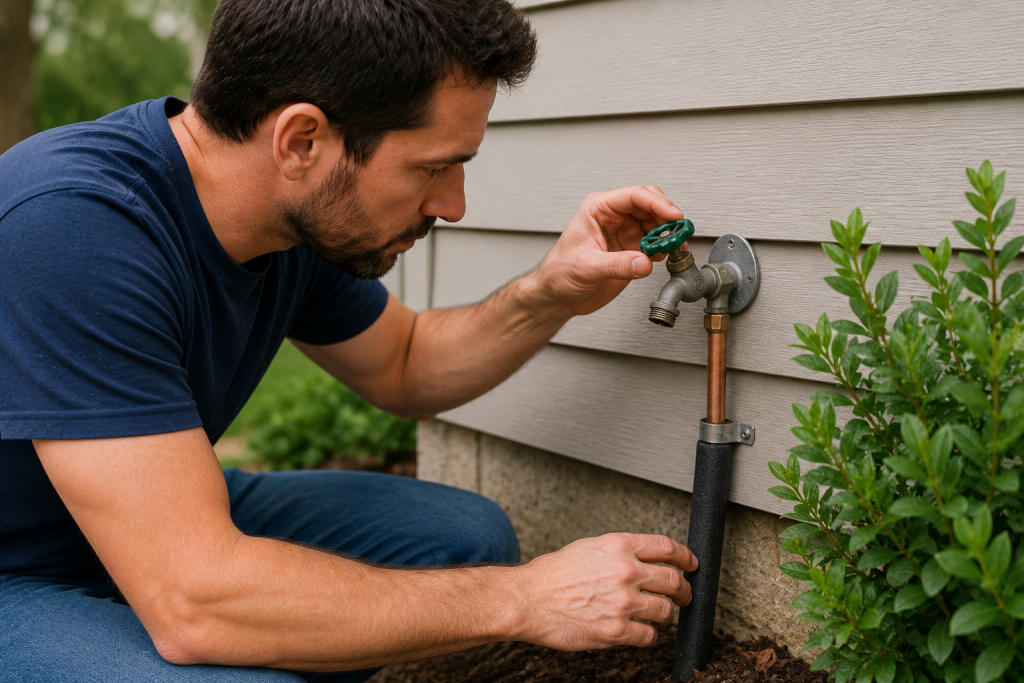
Outdoor plumbing can crack during freezing temperatures.
Check for:
- Drips
- Cracks
- Weak water flow
- Water spraying from connections
14. Inspect Caulking Around Plumbing Fixtures
Check caulking around:
- Tubs
- Showers
- Sinks
- Toilets
Damaged caulking can allow water behind walls or flooring.
15. Check for Hidden Water Damage
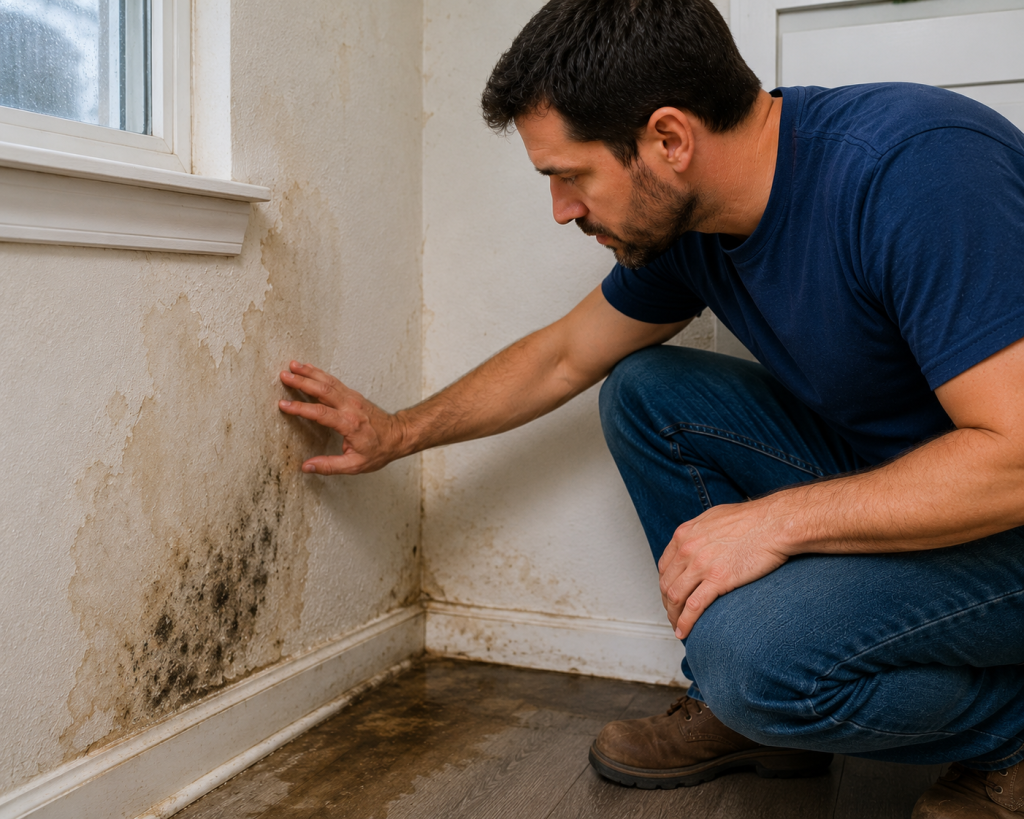
Inspect ceilings, walls, and flooring near plumbing fixtures.
Watch for:
- Water stains
- Bubbling paint
- Warped flooring
- Mold smells
These may indicate hidden plumbing leaks.
16. Test the Sump Pump
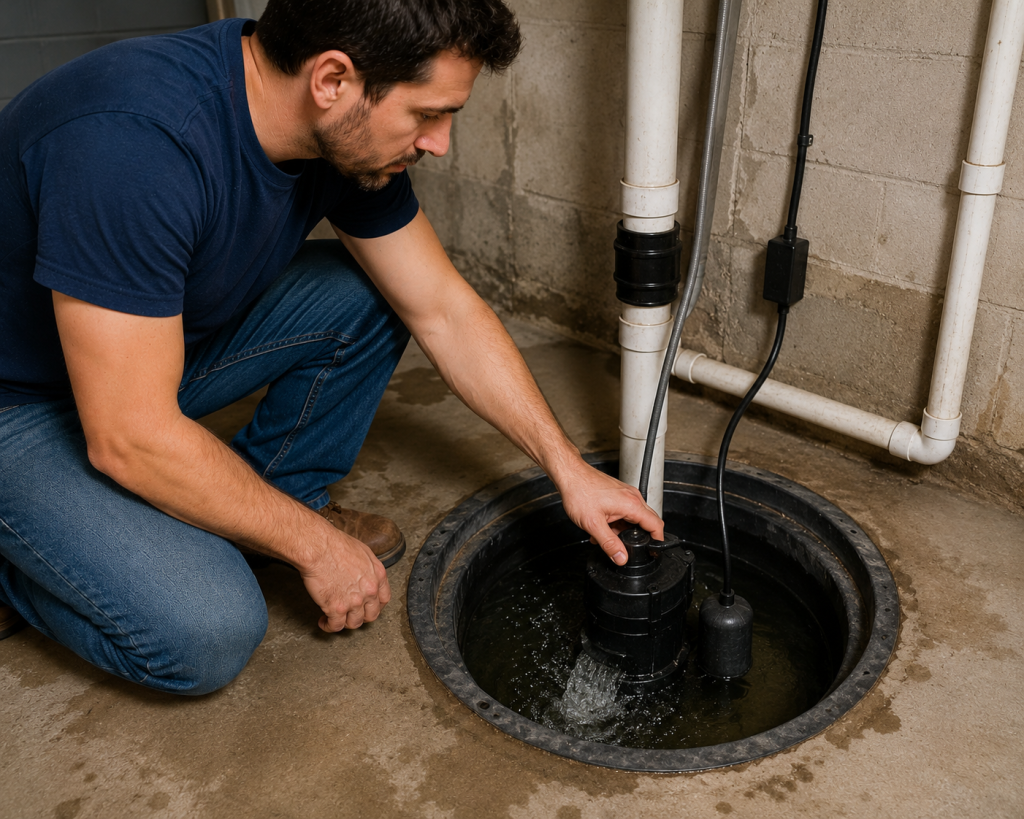
If your home has a sump pump:
- Pour water into the sump pit
- Ensure the float activates
- Verify the pump removes water properly
This is especially important before heavy rain seasons.
If you are having problems with your sump pump, read: Sump Pump Not Working? 7 Easy Fixes Homeowners Can Try.
17. Inspect Refrigerator Water Lines
Check refrigerator water supply lines for:
- Cracks
- Kinks
- Leaks
- Loose fittings
Small refrigerator leaks can damage flooring over time.
Check out our guide: Refrigerator Water Dispenser Not Working? 7 Easy Fixes That Actually Work
18. Look for Signs of Sewer Line Problems
Potential sewer line warning signs include:
- Multiple slow drains
- Gurgling toilets
- Sewer odors
- Frequent backups
Early detection can help avoid major repairs.
19. Check Pipe Insulation
Inspect exposed pipes for missing or damaged insulation.
Pipe insulation can help:
- Prevent freezing
- Reduce condensation
- Improve efficiency
20. Review Your Water Bill for Unusual Usage
Unexpected increases in water usage may indicate hidden leaks.
Compare your current water bill to previous months and investigate major increases.
21. Schedule a Professional Plumbing Inspection if Needed
A licensed plumber can inspect areas that are difficult to evaluate yourself.
Professional inspections may identify:
- Hidden leaks
- Sewer line issues
- Pressure problems
- Aging pipes
- Water heater concerns
Annual Plumbing Maintenance Checklist Tips
To keep your plumbing system in good condition year-round:
- Avoid pouring grease down drains
- Fix leaks quickly
- Use drain strainers
- Know where your main shut-off valve is located
- Avoid flushing wipes or hygiene products
- Inspect plumbing fixtures regularly
Frequently Asked Questions for Annual Plumbing Maintenance Checklist
How often should plumbing be inspected?
Most homeowners should inspect their plumbing system at least once per year. Older homes may benefit from more frequent inspections.
What is the most important plumbing maintenance task?
Checking for leaks and testing shut-off valves are among the most important maintenance tasks because they can help prevent major water damage.
Should I flush my water heater every year?
Yes. Annual flushing helps remove sediment buildup and can improve efficiency and water heater lifespan.
How do I know if I have a hidden plumbing leak?
Common signs include higher water bills, mold smells, water stains, warped flooring, or unexplained dampness.
Is preventive plumbing maintenance worth it?
Yes. Preventive maintenance is usually far less expensive than emergency plumbing repairs or water damage restoration.
Looking for another household maintenance guide? Browse our complete collection of home maintenance tips and projects
Final Thoughts
Following an annual plumbing maintenance checklist can help homeowners prevent leaks, improve plumbing performance, and avoid expensive repairs. Spending a little time each year inspecting your plumbing system can save money and reduce stress in the long run.