Last updated: September 21, 2026
By Home Repair Genie
Quick Answer
A new homeowner maintenance checklist helps first-time homeowners protect their investment by staying ahead of repairs and routine upkeep. Important maintenance tasks include locating shut-off valves, checking HVAC filters, testing smoke detectors, inspecting plumbing fixtures, cleaning gutters, sealing air leaks, and monitoring appliances. Following a maintenance checklist can help prevent costly repairs while improving safety and home efficiency.
Why New Homeowners Need a Maintenance Checklist
Buying a home is exciting, but many first-time homeowners quickly realize how much ongoing maintenance a house requires. Small maintenance tasks performed regularly can help prevent expensive problems later.
Benefits of following a new homeowner maintenance checklist include:
- Lower repair costs
- Better energy efficiency
- Improved home safety
- Longer appliance lifespan
- Fewer emergency repairs
- Better long-term property value
A proactive approach to maintenance can make homeownership far less stressful.
New Homeowner Maintenance Checklist for Every Home
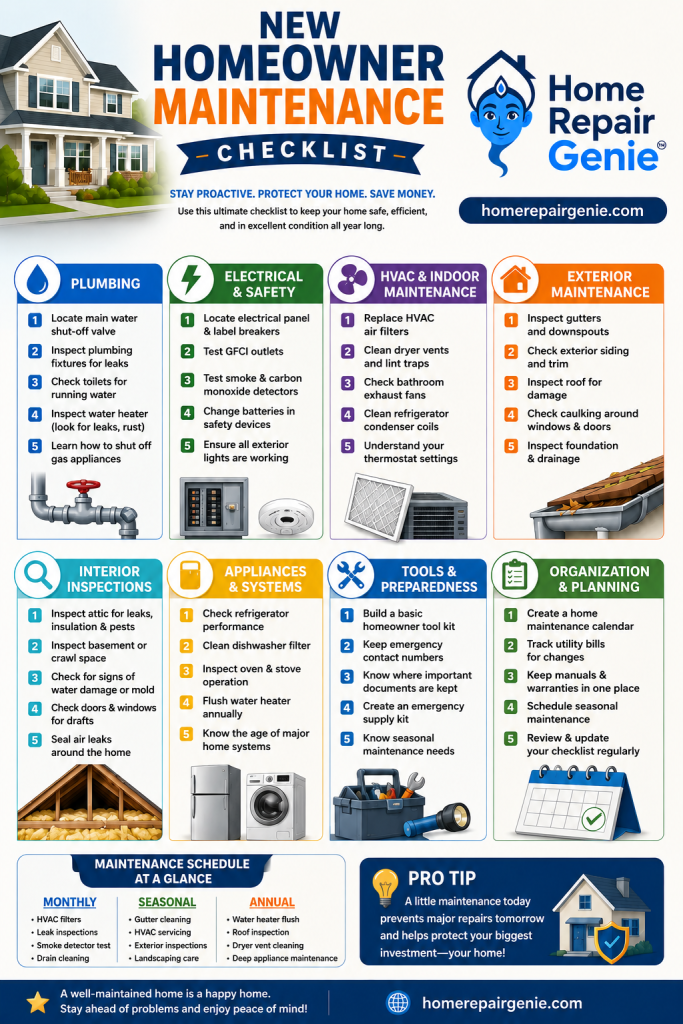
Below are the most important maintenance tasks every new homeowner should complete after moving in.
1. Locate the Main Water Shut-Off Valve
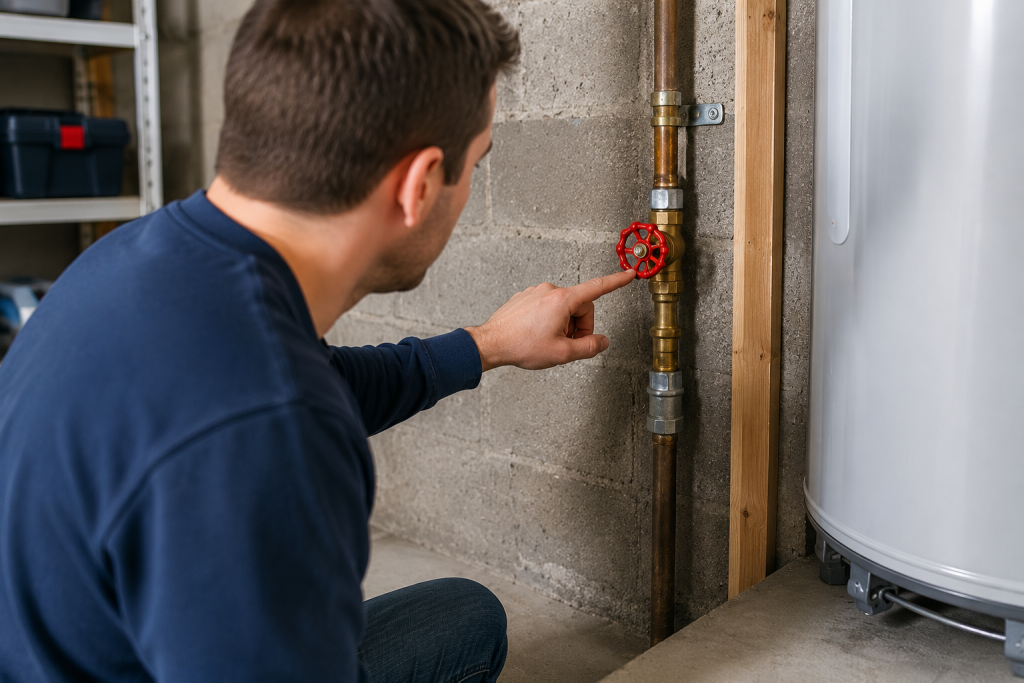
Every homeowner should know how to quickly shut off water during a plumbing emergency.
Where to Look
- Basement
- Utility room
- Garage
- Near the water meter
Why It Matters
Fast shut-off access can reduce severe water damage during pipe leaks or burst pipes.
2. Locate the Electrical Panel and Label Breakers
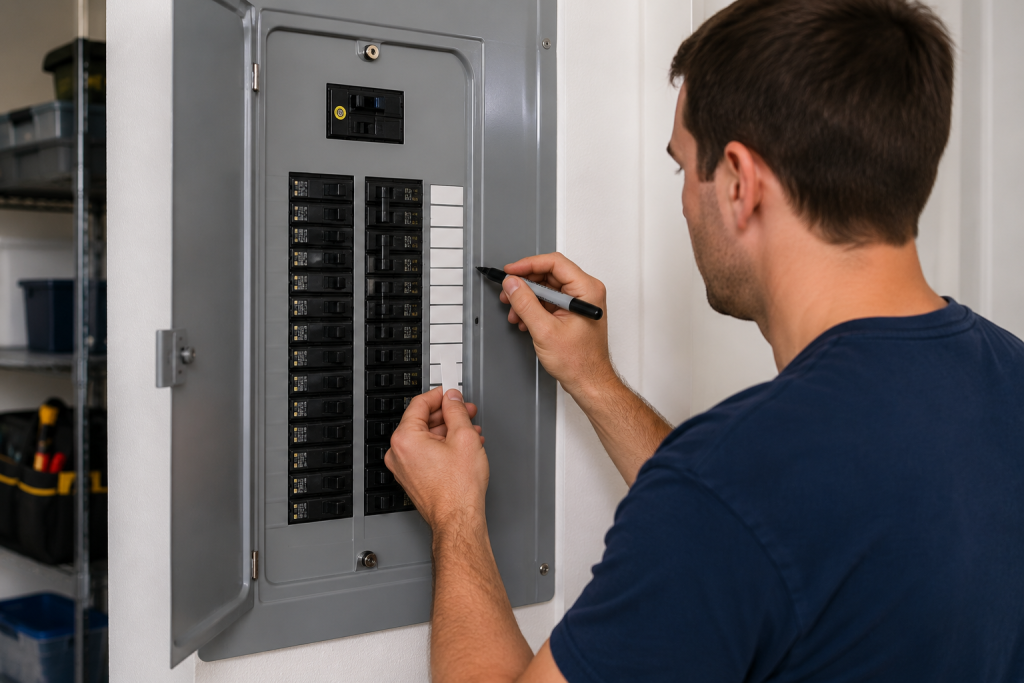
Knowing which breaker controls each area of the home is important during electrical problems.
What to Do
- Open the breaker panel
- Identify unlabeled breakers
- Create a clear panel directory
If your breaker keeps tripping, read: Breaker Keeps Tripping? 7 Easy Fixes That Actually Work (Step-by-Step Guide)
3. Replace HVAC Air Filters
Dirty HVAC filters reduce airflow and efficiency.
Maintenance Tip
Check HVAC filters monthly and replace them every 1–3 months depending on usage.
Benefits
- Better airflow
- Improved indoor air quality
- Reduced HVAC strain
If your AC is not cooling properly, read: 9 Proven Fixes for AC Not Cooling (Step-by-Step)
4. Test Smoke and Carbon Monoxide Detectors
Home safety devices should be tested immediately after moving in.
What to Check
- Battery condition
- Expiration dates
- Alarm functionality
Important
Replace smoke detectors older than 10 years.
Check out our guide on the best smoke detectors: 7 Best Smoke Detectors for Reliable Home Protection.
5. Change Exterior Door Locks
Many previous owners, contractors, or neighbors may still have spare keys.
Recommended Options
- Rekey existing locks
- Install smart locks
- Replace worn deadbolts
This is one of the first security tasks new homeowners should complete.
6. Inspect Plumbing Fixtures for Leaks
Even small leaks can cause expensive water damage over time.
Areas to Check
- Under sinks
- Toilets
- Faucets
- Water supply lines
Warning Signs
- Dripping water
- Musty odors
- Cabinet moisture
- Water stains
If you notice dripping water, read: How to Fix a Leaky Faucet: 7 Easy Fixes to Stop the Drip Fast
7. Learn the Age of Major Home Systems
Knowing the age of major systems helps homeowners plan for future repairs.
Important Systems
- HVAC system
- Water heater
- Roof
- Furnace
- Appliances
Tip
Create a maintenance folder with manuals and warranty information.
8. Clean Dryer Vents and Lint Traps
Lint buildup increases fire risk and reduces dryer efficiency.
Learn how to clean your dryer vent: How to Clean a Dryer Vent: 7 Simple Steps to Improve Dryer Performance
Maintenance Tips
- Clean lint trap after every load
- Inspect dryer vent monthly
- Remove excess lint buildup
If drying takes too long, read: Dryer Taking Too Long to Dry Clothes? 7 Easy Fixes That Actually Work
9. Inspect Gutters and Downspouts
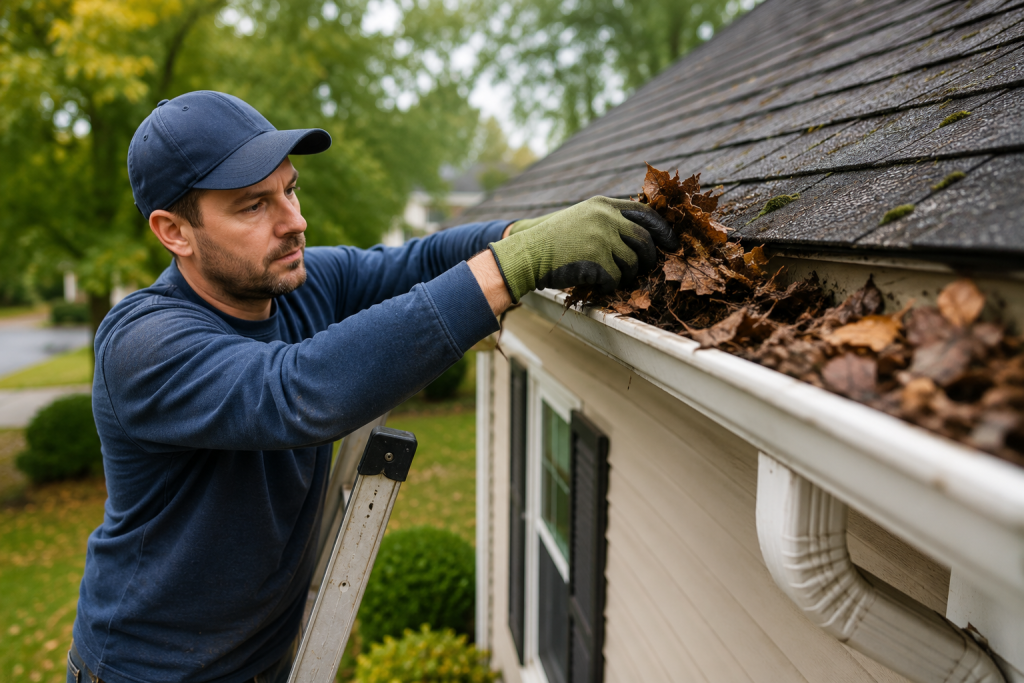
Poor drainage can damage foundations, siding, and landscaping.
What to Check
- Clogs
- Loose sections
- Water overflow
- Proper drainage away from foundation
10. Test GFCI Outlets
GFCI outlets protect against electrical shock in wet areas.
Common Locations
- Bathrooms
- Kitchens
- Garages
- Outdoor outlets
How to Test
- Press “Test”
- Verify power shuts off
- Press “Reset”
11. Check Caulking Around Windows and Doors
Worn caulking allows air and moisture infiltration.
Benefits of Resealing
- Improved energy efficiency
- Lower utility bills
- Reduced water intrusion
Areas to Inspect
- Window frames
- Exterior trim
- Door frames
12. Learn How to Shut Off Gas Appliances
Knowing how to shut off gas safely is important during emergencies.
Appliances to Identify
- Furnace
- Water heater
- Gas stove
- Fireplace
Safety Tip
If you smell gas, leave the home immediately and contact the gas company.
13. Inspect the Water Heater
Water heaters should be inspected regularly for signs of wear.
Look For
- Rust
- Corrosion
- Water leaks
- Strange noises
Tip
Flush the tank annually to help remove sediment buildup.
14. Inspect Exterior Drainage Around the Home
Poor drainage can cause basement leaks and foundation problems.
What to Watch For
- Standing water
- Soil erosion
- Downspouts dumping near foundation
Good drainage is critical for protecting the structure.
15. Clean Refrigerator Condenser Coils
Dusty condenser coils reduce refrigerator efficiency.
How to Clean
- Use a vacuum or coil brush
- Remove dust from rear or bottom coils
- Maintain clear airflow around appliance
If your refrigerator is not cooling properly, read: Refrigerator Not Cooling? 7 Easy Fixes That Actually Work
16. Check Toilets for Running Water
Running toilets waste water and increase utility costs.
Signs of Problems
- Constant running sounds
- Weak flushes
- Water movement in bowl
If your toilet keeps running, read: How to Fix a Running Toilet: 7 Easy Fixes That Actually Work
17. Inspect Attic and Basement Areas
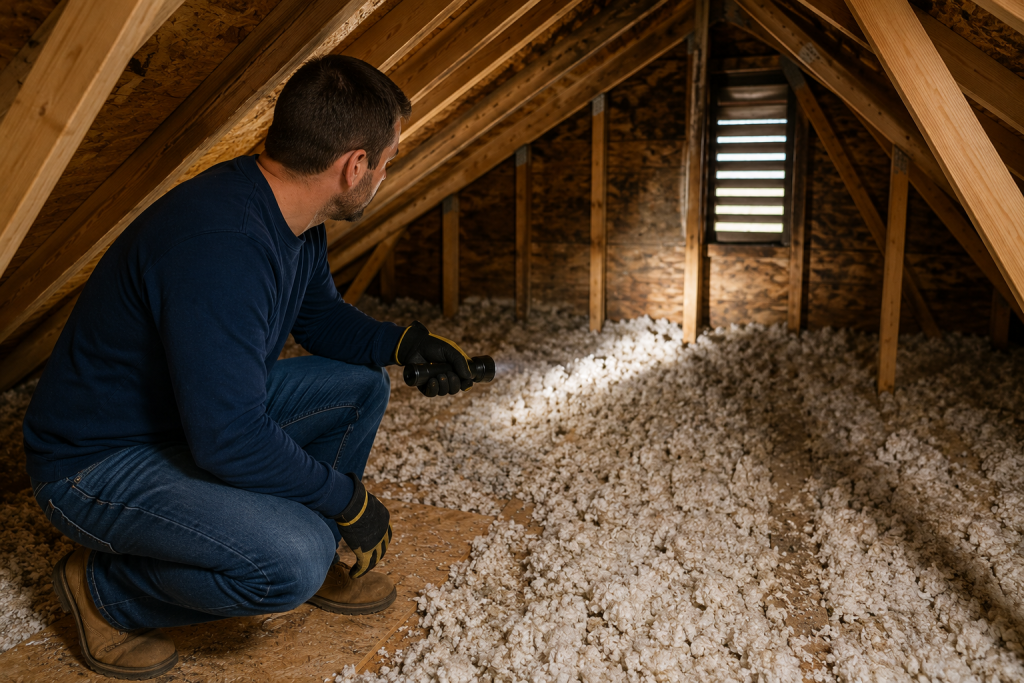
These areas often reveal hidden problems early.
Check For
- Water stains
- Mold
- Pest activity
- Poor insulation
- Roof leaks
18. Learn Seasonal Maintenance Requirements
Different seasons create different maintenance needs.
Examples
- Spring gutter cleaning
- Summer HVAC maintenance
- Fall winterization
- Winter pipe protection
A seasonal maintenance routine helps reduce surprise repairs.
19. Seal Air Leaks Around the Home
Air leaks increase heating and cooling costs.
Common Leak Areas
- Doors
- Windows
- Attic access panels
- Utility penetrations
Helpful Materials
- Weatherstripping
- Caulk
- Foam sealant
20. Create an Emergency Tool Kit
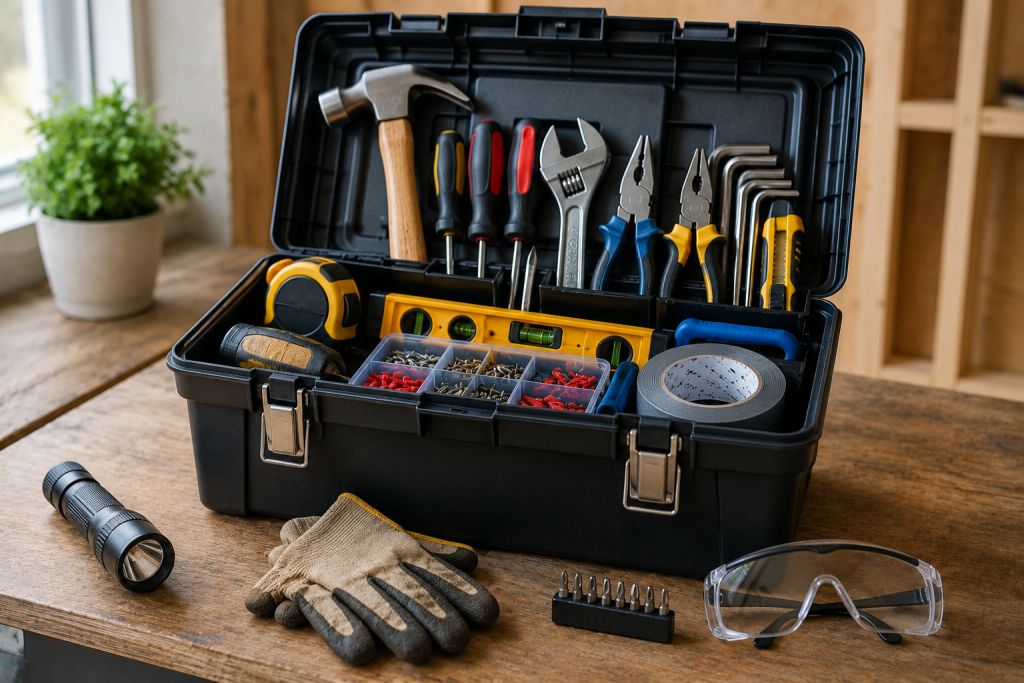
Every homeowner should keep basic repair tools available.
Helpful Tools
- Flashlight
- Adjustable wrench
- Screwdrivers
- Pliers
- Tape measure
- Utility knife
21. Check Exterior Siding and Roofing
Routine inspections can help identify damage early.
Look For
- Missing shingles
- Cracked siding
- Loose trim
- Water stains
Storm damage often becomes worse when ignored.
22. Understand Your HVAC Thermostat Settings
Improper thermostat settings can increase energy bills.
Recommended Tip
Use programmable schedules to improve comfort and efficiency.
Summer Example
Raise temperatures slightly when away from home.
23. Monitor Utility Bills for Sudden Increases
Unexpected spikes may indicate hidden maintenance issues.
Possible Causes
- Plumbing leaks
- HVAC inefficiency
- Running toilets
- Failing appliances
Tracking monthly usage can help catch problems early.
24. Check Bathroom Exhaust Fans
Bathroom fans help control humidity and prevent mold growth.
What to Inspect
- Airflow strength
- Dust buildup
- Fan noise
If your bathroom fan stops working, read: Bathroom Exhaust Fan Not Working? 7 Easy Fixes That Actually Work (Step-by-Step Guide)
25. Start a Home Maintenance Calendar
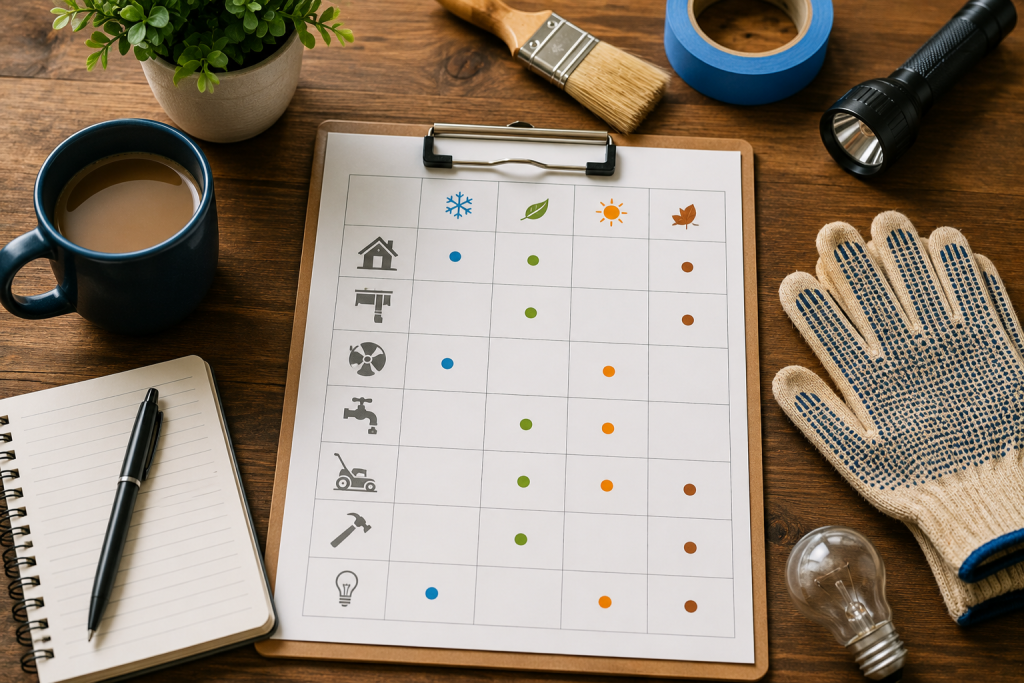
Staying organized helps homeowners avoid forgetting important maintenance tasks.
Helpful Items to Schedule
- HVAC filter changes
- Gutter cleaning
- Water heater flushing
- Smoke detector testing
- Seasonal inspections
Using a calendar or printable checklist can simplify long-term home maintenance.
Recommended Maintenance Schedule for New Homeowners
Monthly Tasks
- HVAC filter checks
- Leak inspections
- Smoke detector testing
- Drain cleaning
Seasonal Tasks
- Gutter cleaning
- HVAC servicing
- Exterior inspections
- Landscaping maintenance
Annual Tasks
- Water heater flushing
- Roof inspections
- Dryer vent cleaning
- Deep appliance maintenance
New Homeowner Maintenance Checklist FAQ
What is the first maintenance task a new homeowner should complete?
Locating water shut-off valves, testing smoke detectors, and replacing HVAC filters are among the first recommended tasks.
How often should homeowners replace HVAC filters?
Most homeowners should inspect filters monthly and replace them every 1–3 months.
Why is preventive maintenance important?
Preventive maintenance helps reduce expensive repairs and extends the lifespan of home systems and appliances.
What tools should every homeowner own?
Basic tools include screwdrivers, pliers, adjustable wrenches, flashlights, utility knives, and a tape measure.
Should new homeowners create a maintenance schedule?
Yes. A maintenance schedule helps homeowners stay organized and avoid forgetting important tasks.
Looking for another household maintenance guide? Browse our complete collection of home maintenance tips and projects
Final Thoughts
A new homeowner maintenance checklist helps first-time homeowners protect their investment and avoid unexpected repair costs. Staying proactive with routine maintenance can improve home safety, efficiency, and long-term property value while making homeownership less overwhelming.
For additional homeowner maintenance guidance, visit This Old House Home Maintenance Guide