
Last updated: October 9, 2026
By Home Repair Genie
Smoke detectors are one of the most important safety devices in any home. While they cannot prevent fires, they provide critical early warning that can save lives and reduce property damage. Choosing among the best smoke detectors can significantly improve your home’s fire safety and provide earlier warning during an emergency. Just as homeowners should routinely address electrical issues such as a Light Switch Not Working or Outlet Not Working, smoke detectors deserve regular testing and maintenance.
Quick Answer
As an Amazon Associate I earn from qualifying purchases.
The best smoke detectors for most homeowners use modern photoelectric or multi-criteria sensing technology, offer 10-year sealed batteries, and meet current UL 217 standards. Top choices include First Alert, Kidde, and Universal Security Instruments models with interconnected alarms and combination smoke/carbon monoxide protection.
Why Choosing the Right Smoke Detector Matters
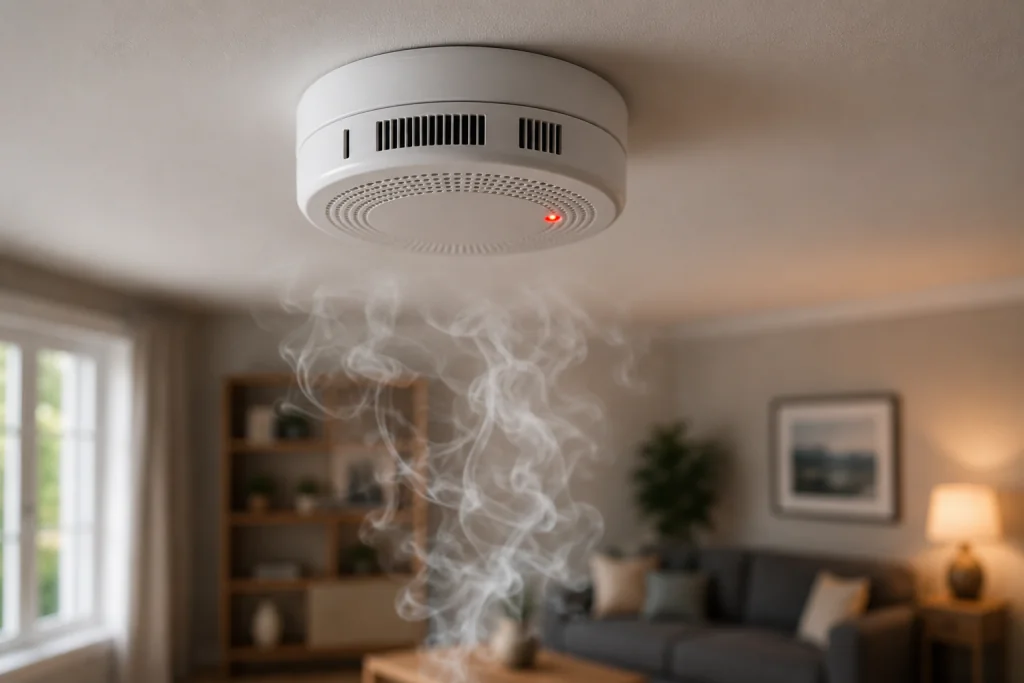
The best smoke detectors provide more accurate fire detection while reducing nuisance alarms caused by cooking or steam. Many homeowners install smoke alarms and forget about them until they begin chirping. However, newer smoke detectors provide significant improvements in detection accuracy and false alarm reduction compared to older models.
Modern smoke alarms can:
- Detect both smoldering and fast-flaming fires more effectively
- Reduce nuisance alarms from cooking
- Provide voice alerts
- Interconnect throughout the home
- Offer 10-year battery life
- Send smartphone notifications in smart-home setups
The latest UL 217 standards emphasize improved detection performance and fewer false alarms.
To help you compare options, we’ve reviewed some of the best smoke detectors available for homeowners today.
Many residential fires originate from electrical problems. If you notice issues such as a Half of Outlet Not Working or recurring breaker trips, those problems should be addressed immediately rather than ignored.
1. First Alert SMCO210 Smoke and Carbon Monoxide Alarm
The First Alert SMCO210 combines smoke and carbon monoxide detection in a slim-profile design.
Benefits include:
- 10-year sealed battery
- Combination smoke and CO protection
- Meets current detection standards
- Compact appearance
This is an excellent option for bedrooms, hallways, and living areas where both smoke and carbon monoxide protection are needed.
2. Kidde Smart Smoke and Carbon Monoxide Detector
The Kidde Smart Smoke and Carbon Monoxide Detector is ideal for homeowners who want smartphone notifications and smart-home integration.
Benefits include:
- Smartphone alerts
- Voice notifications
- Wireless interconnection
- Remote monitoring capabilities
Smart detectors can notify you even when you’re away from home, making them particularly useful for vacation properties or busy households.
3. First Alert Hardwired Smoke and CO Alarm
For homes with existing hardwired systems, this First Alert model offers dependable interconnected protection.
Benefits include:
- Hardwired operation
- Battery backup
- Smoke and carbon monoxide detection
- Whole-home alarm activation
When one alarm detects smoke, all interconnected alarms throughout the home sound simultaneously.
4. Universal Security Instruments Multi-Criteria Smoke Detector
This Universal Security Instruments model uses advanced multi-criteria sensing technology designed to detect both slow-burning and fast-moving fires.
Benefits include:
- Enhanced fire detection
- Reduced false alarms
- Hardwired interconnection
- Modern sensing technology
It is an excellent choice for homeowners replacing older ionization-only detectors.
5. Kidde Photoelectric Smoke Alarm
This battery-powered detector focuses on simplicity and reliability.
Benefits include:
- Photoelectric sensor technology
- Reduced nuisance alarms
- Easy installation
- Self-testing features
Photoelectric alarms are especially effective at detecting slow, smoldering fires that can develop unnoticed.
6. Universal Security Instruments 10-Year Mini Alarm
This compact detector provides long-term protection with minimal maintenance.
Benefits include:
- Compact design
- 10-year sealed battery
- Advanced smoke sensing
- Easy installation
Its smaller profile makes it a good option for bedrooms, hallways, and guest rooms.
7. First Alert Hardwired Smoke Alarm
This first alert model is a dependable choice for homes that already have a hardwired alarm system.
Benefits include:
- Battery backup
- Hardwired connection
- Interconnected capability
- Straightforward replacement process
Many homeowners choose this model when upgrading aging alarms throughout the house.
How to Choose the Best Smoke Detector
Detection Technology
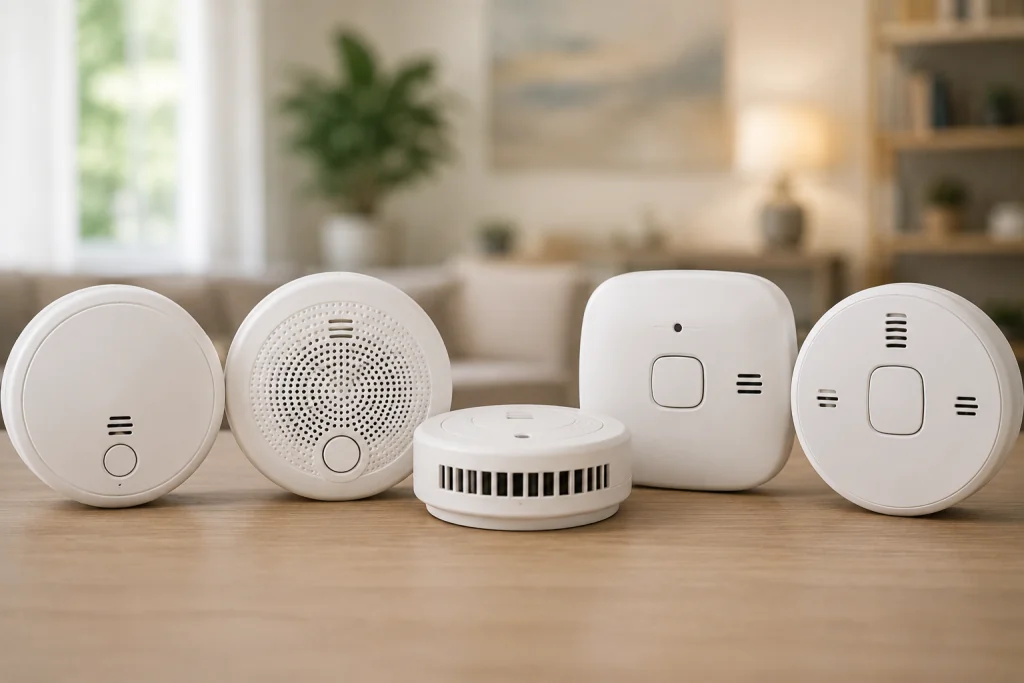
Understanding what separates the best smoke detectors from basic models can help you make a smarter purchasing decision. Look for alarms that use photoelectric or multi-criteria sensing technology.
These technologies provide more reliable detection while helping reduce nuisance alarms caused by cooking smoke or steam.
Power Source
You can choose from:
- Battery-powered
- Hardwired with battery backup
- 10-year sealed battery models
Many homeowners prefer sealed 10-year battery models because they eliminate annual battery replacement.
Interconnect Capability
Interconnected alarms improve safety by sounding throughout the home when one detector activates.
This is especially important in larger homes and multi-story properties. Similar whole-home troubleshooting principles apply when diagnosing issues like a Ceiling Fan Not Working, where the source of the problem may not be immediately obvious.
Smoke and Carbon Monoxide Combination Units
Combination units provide protection from both smoke and carbon monoxide while reducing the number of devices installed throughout the home.
For many homeowners, these models offer the best overall value.
Where Smoke Detectors Should Be Installed

Step 1: Install One on Every Level
Place at least one smoke detector on each floor of your home, including finished basements.
Step 2: Install Inside Every Bedroom
Each bedroom should have its own smoke alarm for maximum protection while occupants are sleeping.
Step 3: Install Outside Sleeping Areas
Hallways adjacent to bedrooms should have additional alarms installed.
Step 4: Add Protection Near Stairways
Stairways allow smoke to travel rapidly between floors and should be monitored with nearby detectors.
Step 5: Avoid Problem Areas
Do not install smoke detectors directly beside:
- Kitchens
- Bathrooms
- Garages
- Attics with extreme temperatures
These locations frequently cause nuisance alarms.
If excess humidity is present because of a Bathroom Exhaust Fan Not Working, address that issue before placing smoke alarms too close to the affected area.
Maintenance Tips
Step 1: Test Monthly
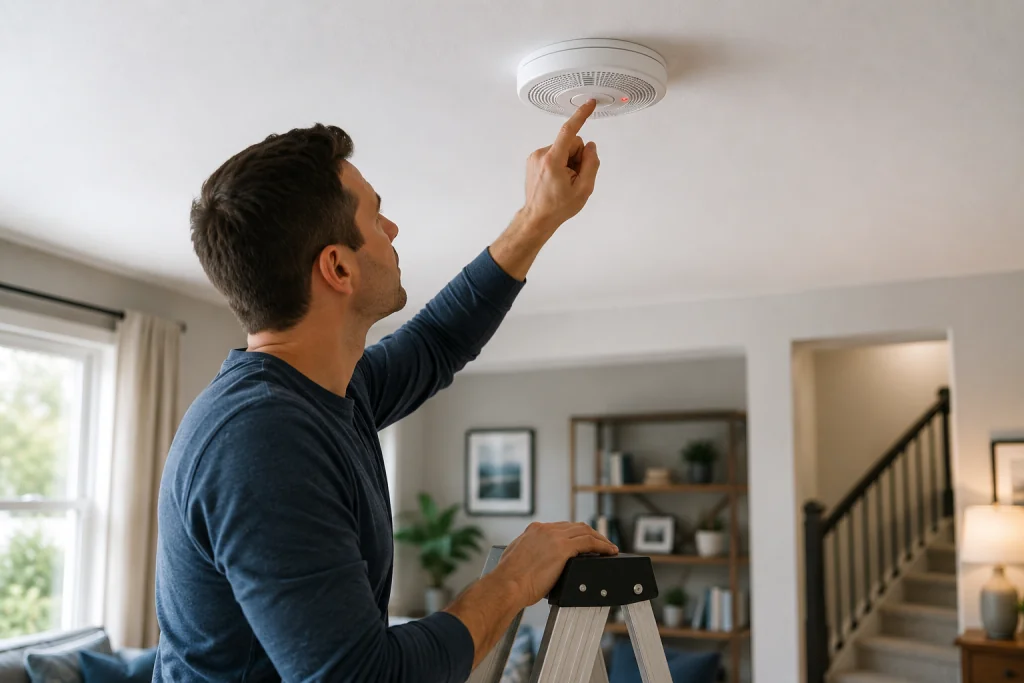
Use the test button on every smoke detector once each month.
Step 2: Clean Dust From the Detector
Vacuum around the detector several times per year to prevent dust buildup.
Step 3: Replace Older Units
Most smoke detectors should be replaced every 10 years, even if they appear to be functioning correctly.
Step 4: Check Interconnected Systems
Verify that all connected alarms activate when one detector is tested.
Proper maintenance helps the best smoke detectors continue operating reliably throughout their service life.
As part of your annual home maintenance routine, it is also wise to inspect common household systems and repair issues such as a Light Switch Not Working, Outlet Not Working, or Half of Outlet Not Working.
Additional Fire Safety Resources
For official smoke alarm recommendations, installation guidance, and fire prevention information, visit the National Fire Protection Association.
Frequently Asked Questions
Which of the best smoke detectors is right for my home?
For most homes, a photoelectric or multi-criteria smoke detector with a sealed 10-year battery provides the best combination of safety, convenience, and reliability.
Are smart smoke detectors worth it?
Smart smoke detectors can send alerts to your phone when smoke is detected, making them valuable for homeowners who travel frequently or want remote monitoring capabilities.
How often should smoke detectors be replaced?
Most manufacturers recommend replacing smoke detectors every 10 years.
Should smoke detectors be hardwired?
Hardwired detectors with battery backup are often preferred because they provide interconnected protection and continue functioning during power outages.
How many smoke detectors should a house have?
Install smoke detectors inside every bedroom, outside each sleeping area, and on every level of the home.
Can smoke detectors help prevent house fires?
Smoke detectors do not prevent fires, but they provide early warning that allows occupants to evacuate quickly and contact emergency services. Homeowners should also address electrical issues such as an Outlet Not Working or Light Switch Not Working before they create safety hazards.
Looking for another household maintenance guide? Browse our complete collection of home maintenance tips and projects.
Final Thoughts

The best smoke detectors combine reliable fire detection, long battery life, and proper installation throughout the home. Along with maintaining smoke alarms, homeowners should routinely address ventilation and electrical concerns such as a Bathroom Exhaust Fan Not Working, Ceiling Fan Not Working, or Outlet Not Working to help keep their homes safe and functional.