Last updated: September 21, 2026
By Home Repair Genie
Quick Answer
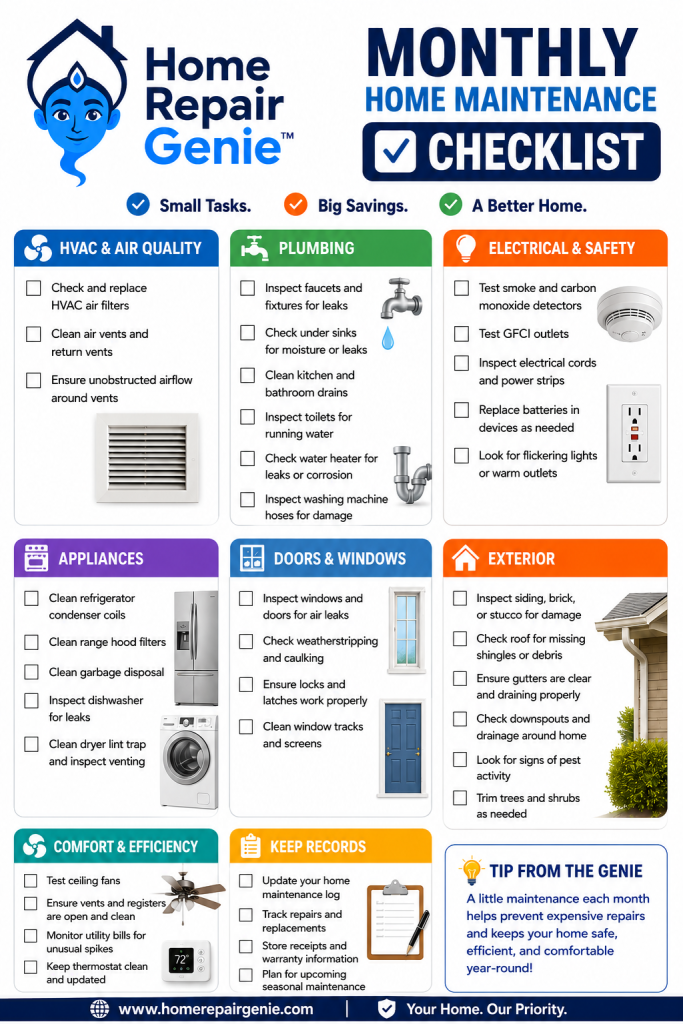
A monthly home maintenance checklist helps homeowners stay ahead of costly repairs by performing small routine tasks throughout the year. Key monthly maintenance tasks include checking HVAC filters, inspecting plumbing fixtures, testing smoke detectors, cleaning drains, inspecting exterior areas, and monitoring for leaks or damage. Completing a monthly checklist can improve home safety, efficiency, and long-term property value.
Why a Monthly Home Maintenance Checklist Matters
Many expensive home repairs begin as small issues that go unnoticed. A monthly home maintenance checklist helps homeowners catch problems early before they become major repairs.
Benefits of monthly maintenance include:
- Lower repair costs
- Improved energy efficiency
- Better indoor air quality
- Longer appliance lifespan
- Reduced risk of water damage
- Improved home safety
Even spending just 30–60 minutes per month on maintenance can help protect your home investment.
Monthly Home Maintenance Checklist for Homeowners
Below are the most important monthly home maintenance tasks homeowners should complete throughout the year.
1. Check HVAC Air Filters
Dirty HVAC filters restrict airflow and force your system to work harder.
What to Do
- Inspect HVAC filters monthly
- Replace dirty disposable filters
- Clean reusable filters if applicable
Why It Matters
Clean filters improve airflow, indoor air quality, and HVAC efficiency.
If your AC struggles to cool properly, read: 9 Proven Fixes for AC Not Cooling (Step-by-Step)
2. Test Smoke and Carbon Monoxide Detectors
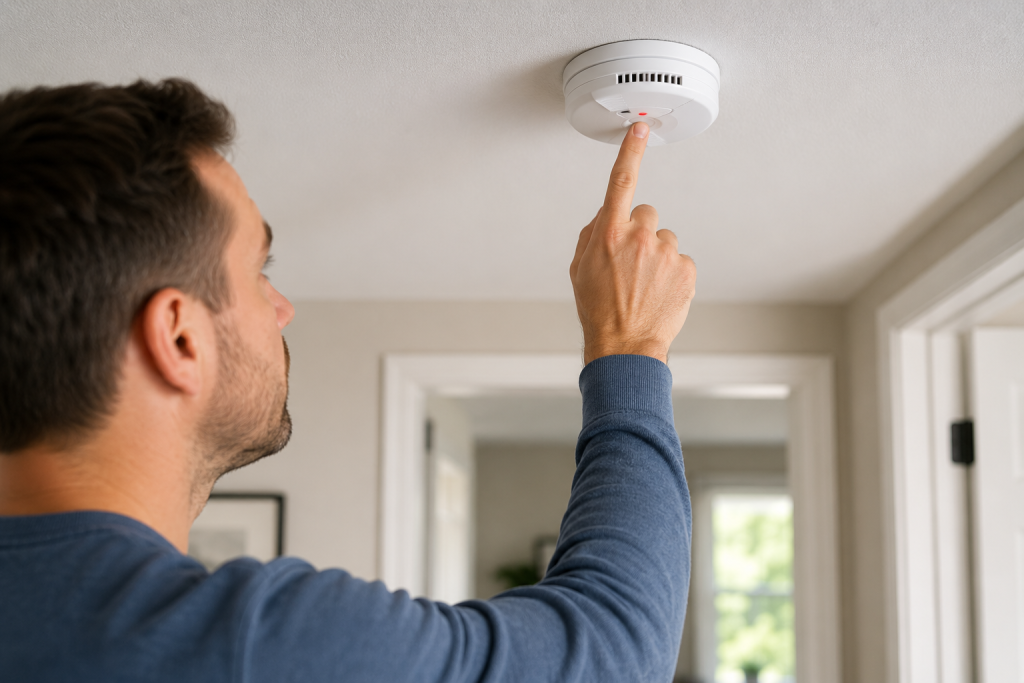
Monthly testing helps ensure these safety devices work properly during emergencies.
What to Check
- Press test buttons
- Replace weak batteries
- Clean dust from detector vents
Safety Tip
Replace smoke detectors approximately every 10 years.
Check out: 7 Best Smoke Detectors for Reliable Home Protection.
3. Inspect Faucets and Plumbing Fixtures for Leaks
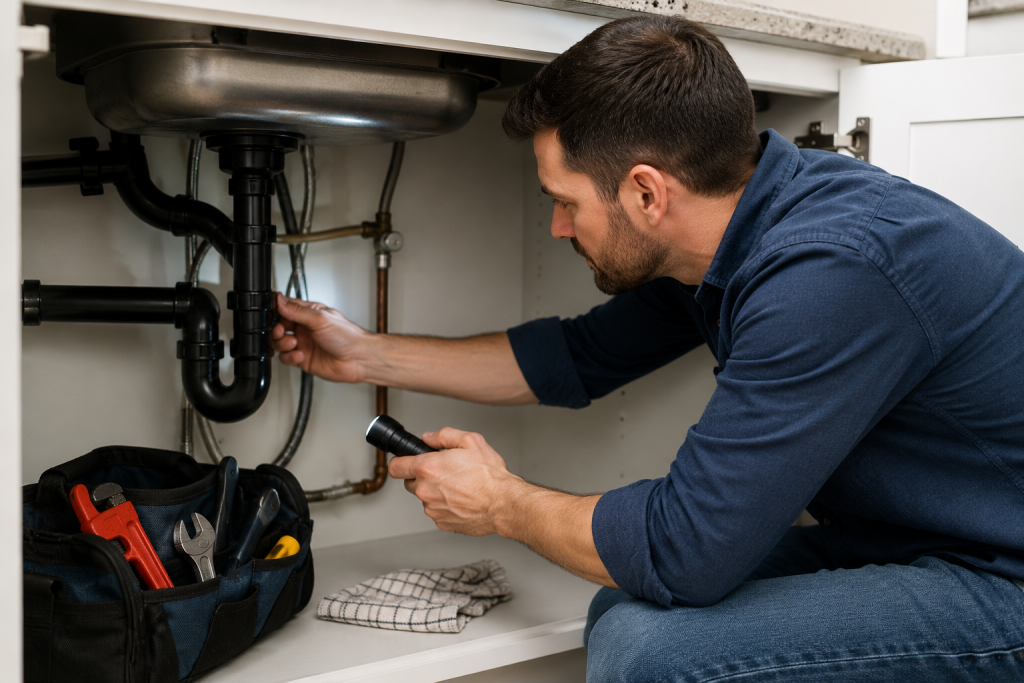
Small leaks can waste water and lead to hidden damage.
Areas to Inspect
- Kitchen faucets
- Bathroom sinks
- Toilets
- Under-sink plumbing connections
Warning Signs
- Dripping water
- Moisture under cabinets
- Water stains
- Mold odors
If you notice dripping water, read: How to Fix a Leaky Faucet: 7 Easy Fixes to Stop the Drip Fast
4. Clean Kitchen Sink and Bathroom Drains
Routine drain maintenance helps prevent clogs and odors.
Monthly Drain Maintenance Tips
- Flush drains with hot water
- Use baking soda and vinegar if needed
- Remove hair and debris buildup
Avoid
- Grease disposal
- Chemical drain cleaners
- Flushing wipes or paper towels
5. Inspect Toilets for Running Water
A running toilet can waste hundreds of gallons of water monthly.
What to Look For
- Constant running sounds
- Water movement in bowl
- Weak flushing performance
If your toilet keeps running, read: How to Fix a Running Toilet: 7 Easy Fixes That Actually Work
6. Test GFCI Outlets
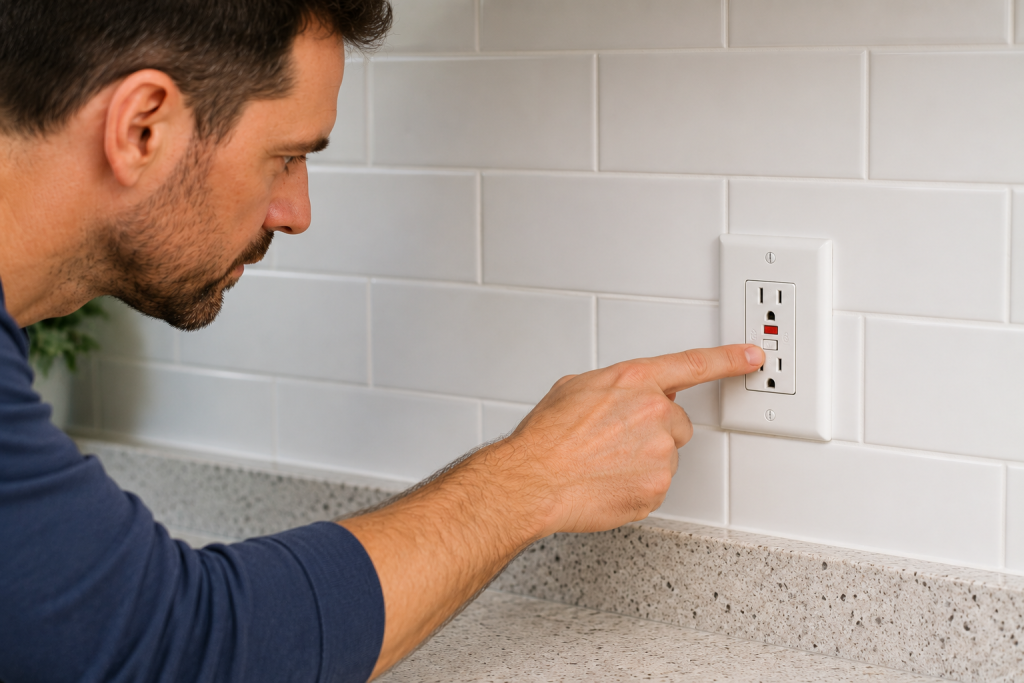
Ground fault circuit interrupter (GFCI) outlets help protect against electrical shock.
Where to Test
- Bathrooms
- Kitchens
- Garages
- Outdoor outlets
How to Test
- Press the “Test” button
- Confirm power shuts off
- Press “Reset” to restore power
7. Inspect Under Sinks for Moisture or Leaks
Cabinet leaks often go unnoticed until damage becomes severe.
Check For
- Damp cabinet floors
- Water stains
- Musty smells
- Swollen wood
Early leak detection can prevent mold and structural damage.
8. Vacuum Refrigerator Condenser Coils
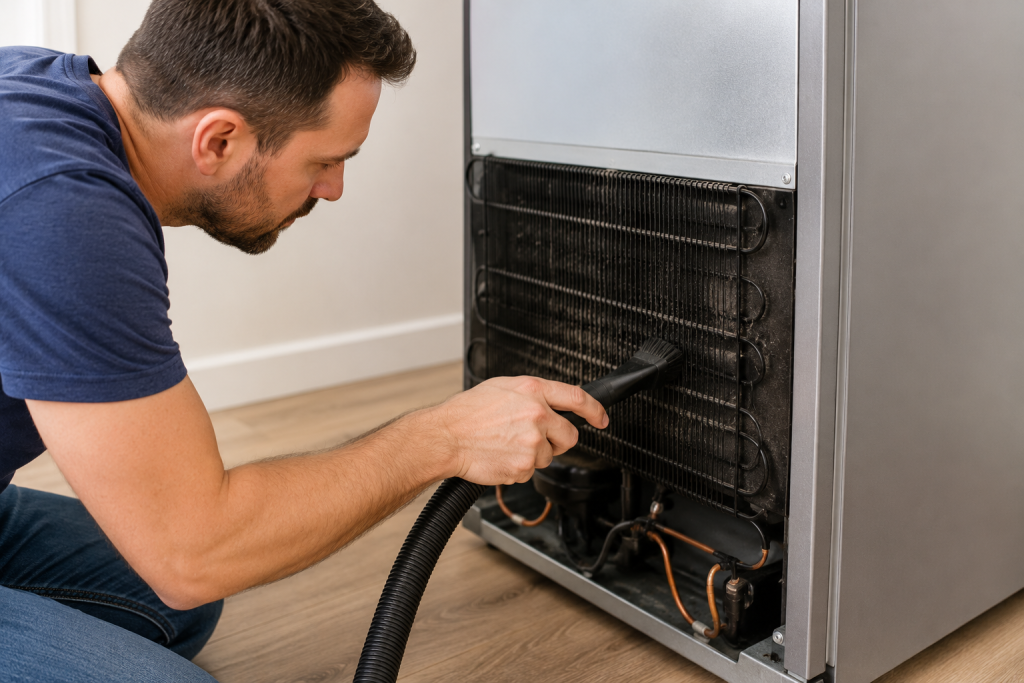
Dirty condenser coils reduce refrigerator efficiency.
Maintenance Tip
Use a vacuum or coil brush to remove dust buildup from:
- Rear coils
- Bottom coils
- Ventilation areas
If your refrigerator is not cooling properly, read: Refrigerator Not Cooling? 7 Easy Fixes That Actually Work
9. Inspect Doors and Windows for Air Leaks
Air leaks increase heating and cooling costs.
Areas to Check
- Window frames
- Door thresholds
- Weatherstripping
- Caulking
Signs of Air Leaks
- Drafts
- Increased utility bills
- Uneven room temperatures
10. Clean Range Hood Filters
Grease buildup can reduce ventilation performance and increase fire risk.
What to Do
- Remove filters
- Wash with warm soapy water
- Allow filters to dry fully before reinstalling
11. Check Water Heater for Leaks or Corrosion
Water heater problems often begin with small leaks or rust.
Inspect For
- Rust near fittings
- Water pooling
- Corrosion around valves
- Unusual noises
Important
Address water heater leaks quickly to prevent flooding.
12. Inspect Washing Machine Hoses
Damaged washing machine hoses can burst unexpectedly.
Look For
- Cracks
- Bulging
- Loose fittings
- Signs of leaks
Consider replacing older rubber hoses with braided stainless steel versions.
13. Clean Bathroom Exhaust Fans
Dust buildup can reduce airflow and increase humidity problems.
Benefits of Cleaning
- Better moisture removal
- Reduced mold risk
- Improved ventilation
If your bathroom fan stops working, read: Bathroom Exhaust Fan Not Working? 7 Easy Fixes That Actually Work (Step-by-Step Guide)
14. Inspect Exterior Areas Around the Home
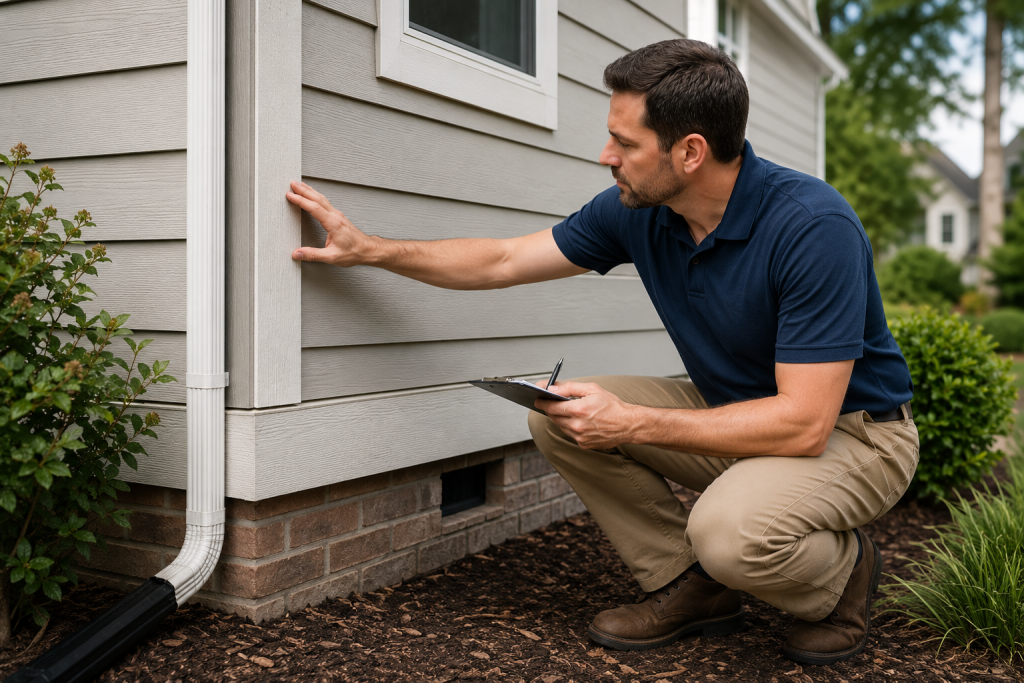
Monthly exterior inspections help catch weather-related damage early.
Walk Around and Check
- Siding damage
- Foundation cracks
- Loose gutters
- Roof debris
- Drainage issues
15. Check for Pest Activity
Routine inspections help prevent infestations.
Signs to Watch For
- Droppings
- Chewed materials
- Nesting debris
- Ant trails
- Wood damage
Early pest control is usually easier and less expensive.
16. Clean Garbage Disposal
A dirty garbage disposal can create unpleasant odors.
Cleaning Tips
- Flush with cold water
- Use ice cubes to help clean blades
- Add citrus peels for freshness
Avoid
- Grease
- Bones
- Fibrous vegetables
You may benefit from reading Garbage Disposal Humming But Not Working? 7 Easy Fixes That Actually Work Fast (Step-by-Step Guide).
17. Test Ceiling Fans
Ceiling fans improve comfort and HVAC efficiency.
Monthly Maintenance
- Check for wobbling
- Tighten loose screws
- Dust fan blades
- Confirm proper direction
Summer Tip
Fans should rotate counterclockwise during summer for cooling airflow.
If you’re having problems, read Ceiling Fan Not Working? 7 Easy Fixes That Actually Work (Step-by-Step Guide).
18. Inspect Electrical Cords and Power Strips
Damaged cords create fire hazards.
Look For
- Frayed wires
- Burn marks
- Loose plugs
- Overloaded power strips
If an outlet feels warm, read: Outlet Warm to Touch? 7 Easy Fixes That Actually Work (Step-by-Step Guide)
19. Clean Dryer Lint Trap and Inspect Venting
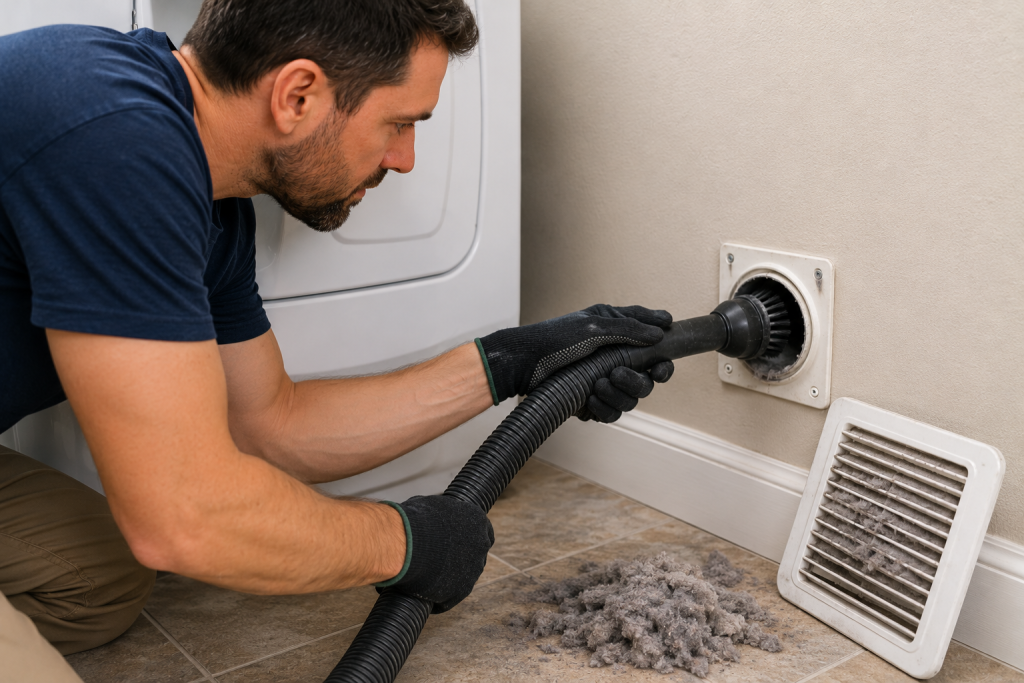
Lint buildup increases fire risk and reduces dryer efficiency.
Monthly Dryer Maintenance
- Clean lint trap after every load
- Inspect vent hose for buildup
- Check outdoor vent flap
If drying takes too long, read: Dryer Taking Too Long to Dry Clothes? 7 Easy Fixes That Actually Work
This could be helpful: How to Clean a Dryer Vent: 7 Simple Steps to Improve Dryer Performance.
20. Monitor Utility Bills for Unusual Spikes
Unexpected increases in water or energy usage can indicate hidden problems.
Possible Causes
- Plumbing leaks
- HVAC inefficiency
- Running toilets
- Failing appliances
Tracking utility usage can help identify issues early.
21. Update Your Home Maintenance Records
Keeping records helps homeowners stay organized and track repairs.
Helpful Records to Track
- HVAC filter replacements
- Appliance maintenance
- Roof inspections
- Plumbing repairs
- Warranty information
Recommended Monthly Maintenance Schedule
Indoor Maintenance
- HVAC filters
- Smoke detectors
- Plumbing inspections
- Drain cleaning
- Appliance checks
Outdoor Maintenance
- Exterior walk-around
- Drainage inspection
- Pest monitoring
- Gutter visibility checks
Safety Maintenance
- GFCI outlet testing
- Electrical inspections
- Dryer vent checks
Monthly Home Maintenance Checklist FAQ
How long does monthly home maintenance take?
Most homeowners can complete a monthly home maintenance checklist in about 30–60 minutes.
What is the most important monthly maintenance task?
Checking HVAC filters, plumbing leaks, and smoke detectors are among the most important monthly tasks.
Should homeowners keep maintenance records?
Yes. Maintenance records help track repairs, warranties, and recurring problems.
How often should HVAC filters be checked?
Most HVAC filters should be inspected monthly and replaced every 1–3 months depending on usage.
Why is monthly maintenance important?
Routine maintenance helps prevent expensive repairs, improves home efficiency, and protects property value.
Looking for another household maintenance guide? Browse our complete collection of home maintenance tips and projects
Final Thoughts
A monthly home maintenance checklist helps homeowners stay proactive instead of reacting to expensive problems later. Small monthly inspections and maintenance tasks can improve safety, reduce utility costs, and extend the life of major home systems and appliances.
For additional maintenance guidance, visit This Old House Home Maintenance Tips