
Last updated: November 22, 2026
Quick Answer
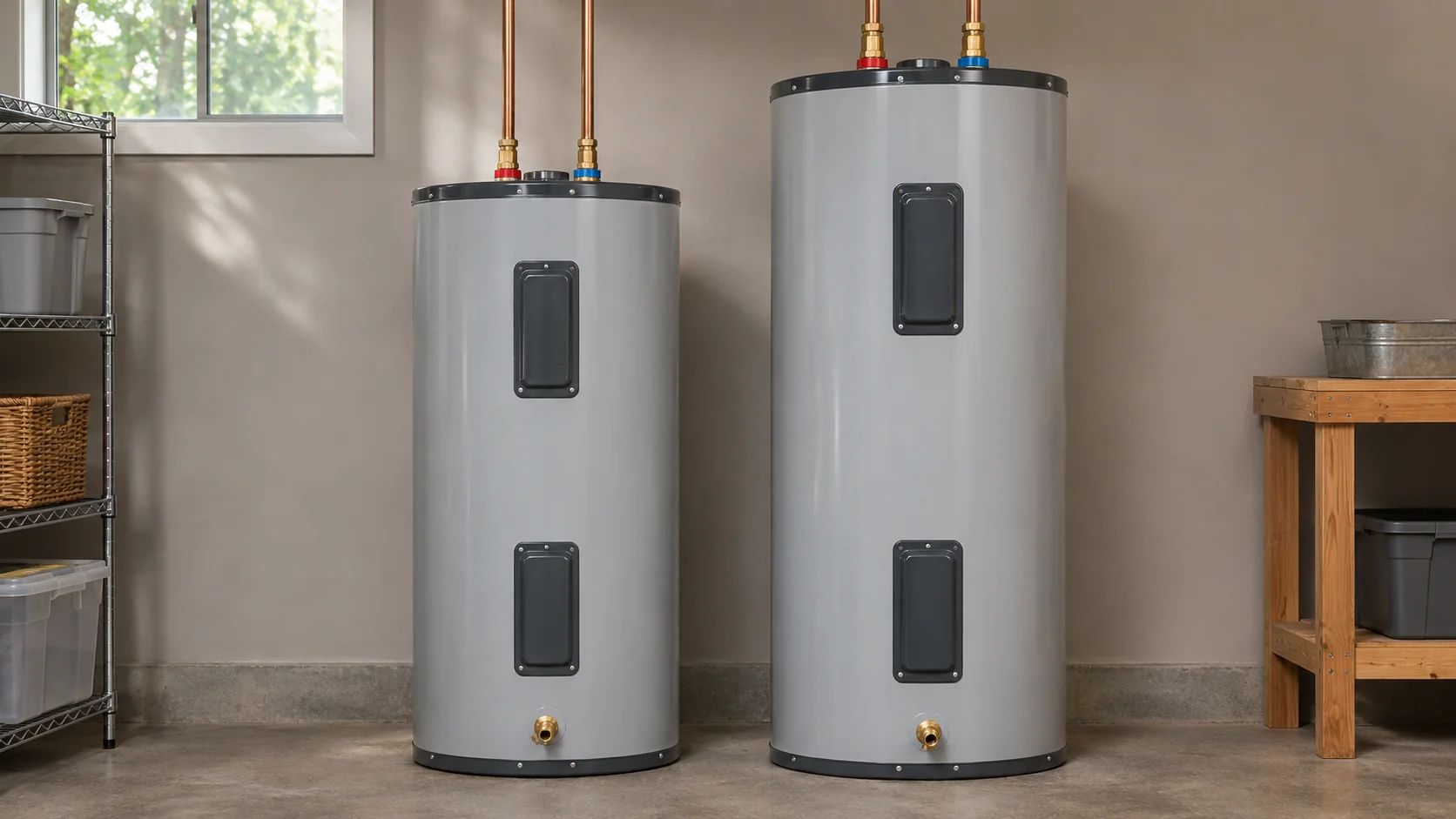
The typical water heater replacement cost for a standard 40- or 50-gallon tank is $600 to $3,100 installed in the U.S. Gas models, difficult access, and changes to venting or plumbing can push the price higher. Your best comparison is the total installed price, including labor, materials, permits if required, and disposal of the old tank.
Water Heater Replacement Cost by Tank Size and Fuel Type
Use these ranges to set a budget before getting local quotes. They include the heater and installation labor. Ask each installer which materials, fees, and upgrades their quote covers.
| Tank size and fuel | Estimated installed cost | What can move the price higher |
|---|---|---|
| 40-gallon electric | $600–$1,600 | Wiring or circuit upgrades, difficult access |
| 50-gallon electric | $1,000–$2,000 | Higher-priced model, wiring changes, limited space |
| 40-gallon gas | $900–$3,000+ | Venting changes, gas connection work, power-vent model |
| 50-gallon gas | $1,300–$2,500 | Power venting, gas or plumbing changes, difficult access |
These are overlapping planning ranges drawn from published estimates. A basic 50-gallon gas unit can cost less to install than a 40-gallon model that needs new venting. The exact model and installation scope matter more than the difference in tank size alone.
What Raises Your Water Heater Replacement Cost?
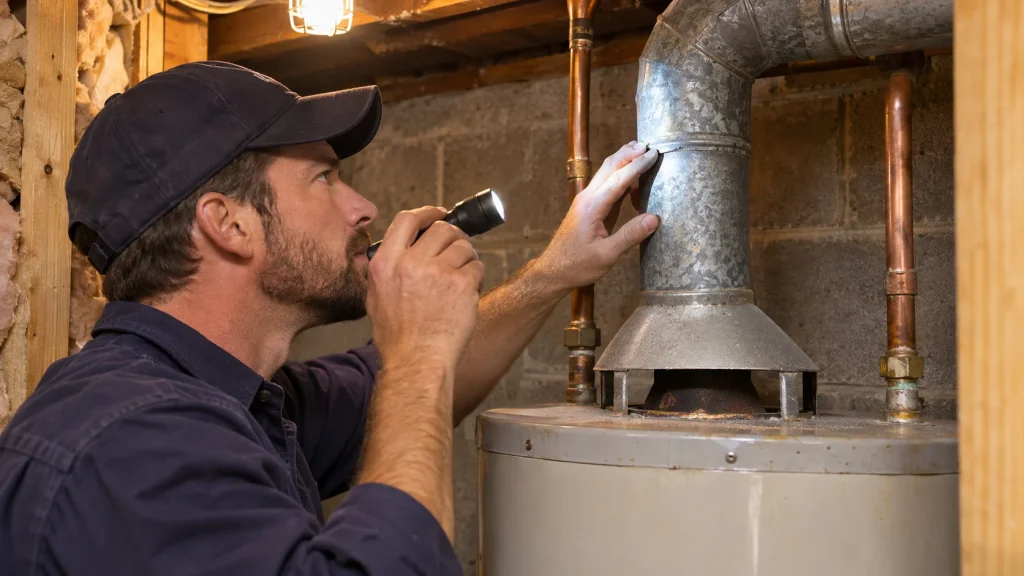
A replacement is usually simplest when the new heater uses the same fuel, fits in the same spot, and can use the existing connections. Ask the installer to itemize any work beyond that basic swap.
| Cost factor | What to ask the installer |
|---|---|
| Gas venting | Can the new heater use the existing vent? What needs to change? |
| Electrical work | Can the new electric model use the existing circuit and wiring? |
| Plumbing and accessories | Does the quote include any new shutoff valve, drain pan, or expansion tank the job requires? |
| Access | Is there an extra charge to move the tank through stairs, a narrow doorway, or an attic opening? |
| Permits and inspection | Does this job require a permit? Who handles it, and is the fee included? |
| Removal and disposal | Does the total cover draining, removing, and hauling away the old heater? |
As an Amazon Associate, I earn from qualifying purchases.
If your water heater sits in a basement or utility closet you rarely check, a battery-powered water leak alarm can alert you when water reaches the sensor. Place it where water would collect, following the manufacturer’s instructions.
If one estimate is hundreds of dollars lower, compare the scope before assuming the installer is offering the same job for less. Check the model numbers, required upgrades, and labor warranty first.
Should You Buy a 40- or 50-Gallon Water Heater?
A 40-gallon tank may be a good fit if your current one reliably covers your busiest hour of hot water use. A 50-gallon tank is worth pricing if you routinely run short during back-to-back showers or when several fixtures are in use.
Compare each model’s first-hour rating, which measures how much hot water it can deliver in an hour starting with a fully heated tank. That number accounts for both stored hot water and how quickly the heater can replenish it. Also confirm the replacement’s height and diameter. Tank capacity alone tells you little about whether a specific model will fit through the doorway or under the existing connections.
If your old heater used to keep up and only recently started running cold, check for a fault before paying to upsize. See our guide to a water heater that isn’t producing hot water.
When Is Repair Worth Considering?
Step 1. Find out where the water is coming from
A puddle under the heater can come from a valve, a connection above the tank, or the tank itself. A plumber may be able to repair a leaking fitting or valve. A leak from the tank itself generally calls for replacement. Use our guide to a water heater leaking from the bottom to understand the possible sources.
Step 2. Ask for a diagnosis if the tank is dry
An ignition problem, a failed heating component, or sediment buildup can each cause different symptoms. If the heater is making new noises but still produces hot water, see our guide to why a water heater makes popping noises before deciding whether to request a repair or replacement quote.
Step 3. Compare the repair price with the full replacement price
Ask what failed, whether the part is under warranty, and what the repair would cost with labor. A modest repair may make sense on a newer tank. Replacement is easier to justify when the tank itself is leaking or an older heater has needed repeated repairs.
How to Compare Water Heater Replacement Quotes
Step 1. Give each installer the same information
Share a photo of the model label, the current tank size and fuel type, and photos showing the heater’s location and connections. If you’re considering a larger tank, request prices for both capacities so you can see what the upgrade adds.
Step 2. Request an itemized installed price
To compare the water heater replacement cost across quotes, ask each installer to list the exact model, labor, materials, required upgrades, permit fees, and haul-away. Ask which items could change the price after work starts and how the installer will get your approval for those charges.
Step 3. Compare warranties and the final total
Check the manufacturer’s tank and parts coverage separately from the installer’s labor warranty. Then compare the total for the same scope of work. A quote that includes disposal, permits, and required upgrades can be the better deal even if its starting price is higher.
Frequently Asked Questions
How much does it cost to replace a 40-gallon water heater?
A 40-gallon electric tank typically costs $600 to $1,600 installed. A 40-gallon gas tank can cost $900 to $3,000 or more installed, depending on the model and the venting or gas work required.
How much does it cost to replace a 50-gallon water heater?
A 50-gallon electric tank replacement typically runs $1,000 to $2,000 installed. A 50-gallon gas tank typically runs $1,300 to $2,500 installed for a straightforward replacement. Conversion work or major connection changes can raise the total.
Can I replace a 40-gallon water heater with a 50-gallon model?
Often, yes. Ask the installer to verify that the new tank fits, that it can be brought into the space, and that the existing connections and venting or electrical supply suit the new model. Compare first-hour ratings to see whether the larger heater will cover your peak demand.
Why is the installed quote so much higher than the store price?
A store listing generally shows the price of the heater alone. An installed quote can also include labor, fittings, venting or wiring changes, permits, and disposal. Ask for a line-item breakdown if the total is higher than you expected.
Is switching from gas to electric cheaper than replacing the gas tank?
An electric tank can cost less upfront, but switching fuels can add the cost of a dedicated circuit or other electrical work. Get one quote for a same-fuel replacement and another for the conversion, then compare the installed totals and expected operating costs using your local utility rates.