
Last updated: October 19, 2026
By Home Repair Genie
Quick Answer
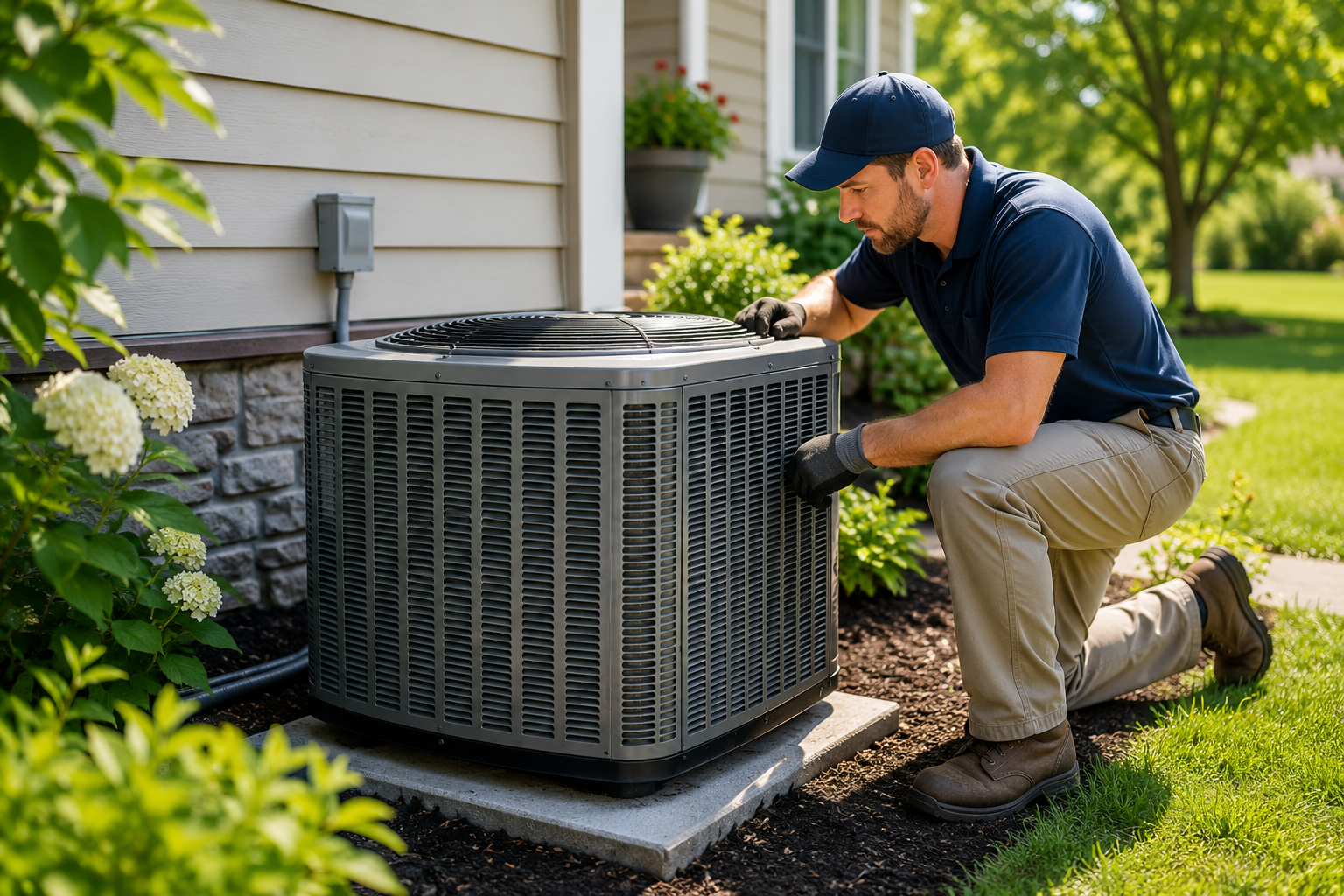
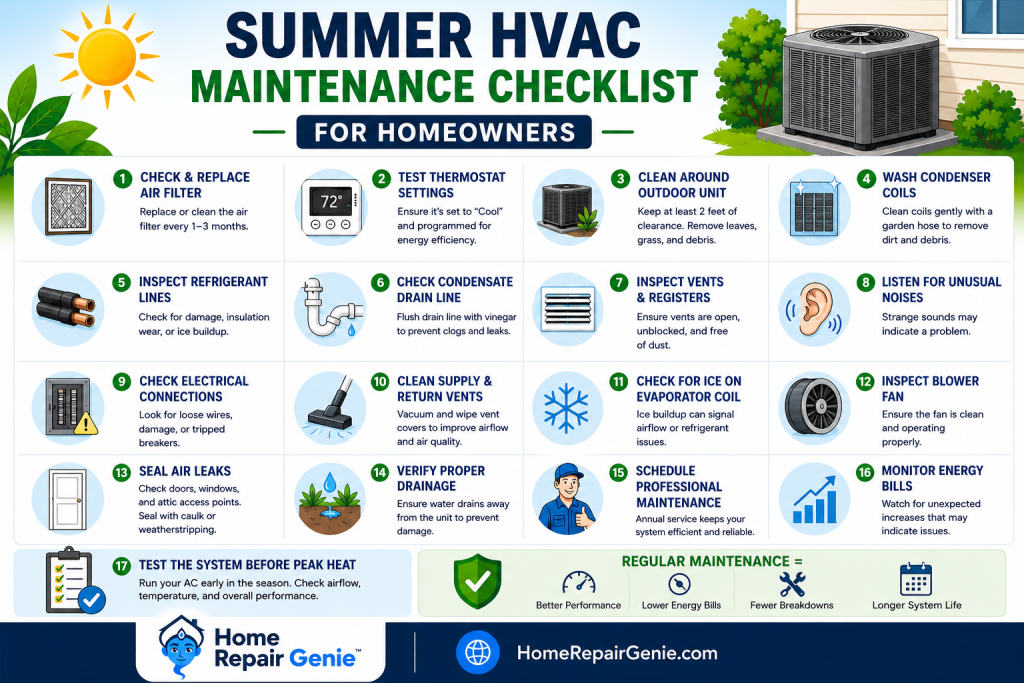
A summer HVAC maintenance checklist helps homeowners keep their air conditioning system running efficiently during hot weather. Key tasks include replacing air filters, cleaning outdoor condenser coils, checking thermostat settings, clearing debris around the unit, inspecting drain lines, and scheduling professional maintenance if needed. Performing regular HVAC maintenance can improve cooling performance, reduce energy bills, and help prevent expensive breakdowns during summer heat.
Why a Summer HVAC Maintenance Checklist Matters
Summer places heavy demand on your air conditioning system. Without regular maintenance, your HVAC system may struggle to cool your home efficiently, leading to:
- Higher electric bills
- Weak airflow
- Frozen evaporator coils
- Reduced indoor comfort
- Unexpected system failures
Completing a summer HVAC maintenance checklist before peak heat arrives can help extend the life of your system and improve overall performance.
1. Replace or Clean the HVAC Air Filter
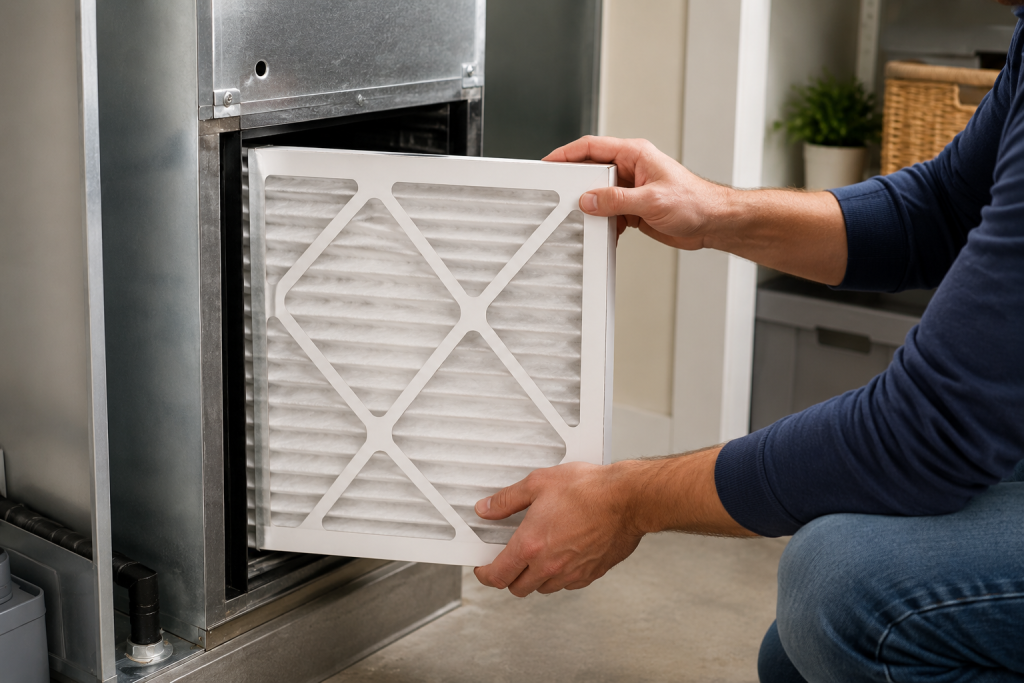
A dirty air filter restricts airflow and forces your HVAC system to work harder.
What to Do
- Check the filter monthly during summer
- Replace disposable filters every 1–3 months
- Clean reusable filters according to manufacturer instructions
As an Amazon Associate I earn from qualifying purchases.
Keep replacement HVAC air filters on hand for routine changes. Confirm the required dimensions and the filtration rating recommended for your equipment before purchasing.
Signs the Filter Needs Replacing
- Weak airflow from vents
- Dust buildup around registers
- Increased allergy symptoms
- Higher cooling bills
If airflow still feels weak, read: 9 Proven Fixes for AC Not Cooling (Step-by-Step)
2. Test the Thermostat Settings
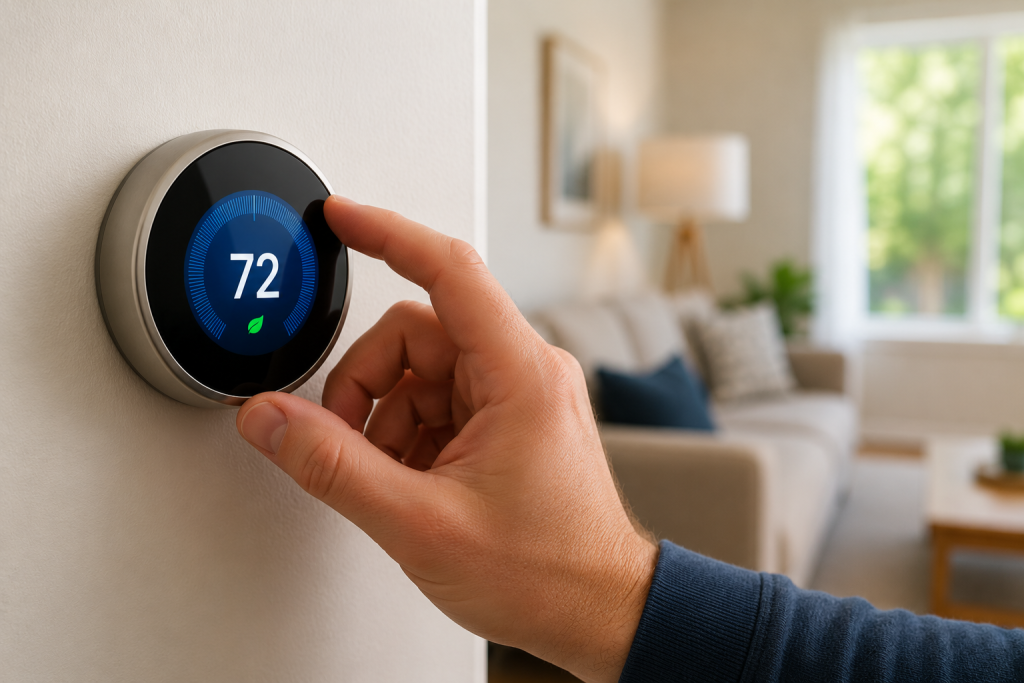
Incorrect thermostat settings can reduce efficiency and increase cooling costs.
Recommended Summer Settings
- Set cooling mode to “Cool”
- Program temperatures around 72–78°F when home
- Raise temperature slightly when away
Bonus Tip
Consider upgrading to a smart thermostat for automatic scheduling and energy savings.
You may find this helpful: Thermostat Blank Screen: 9 Proven Fixes to Restore Your Thermostat.
3. Clean Around the Outdoor Condenser Unit
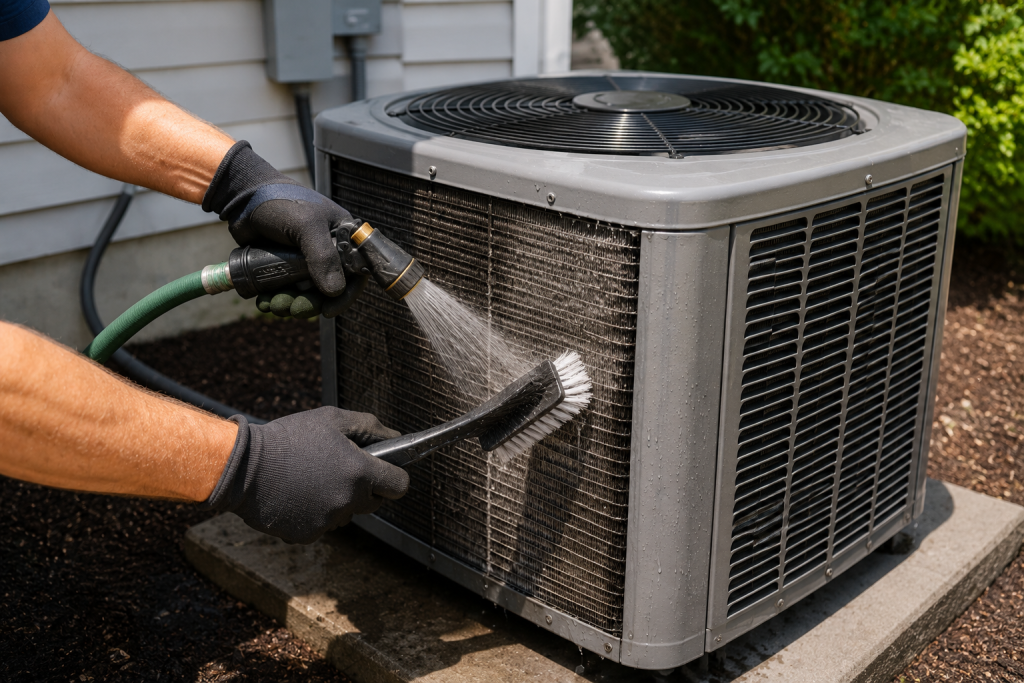
The outdoor AC unit needs proper airflow to release heat effectively.
What to Do
- Remove leaves, grass clippings, and weeds
- Keep at least 2 feet of clearance around the unit
- Trim nearby shrubs and vegetation
Why It Matters
Blocked airflow can reduce cooling efficiency and increase strain on the compressor.
4. Wash the Condenser Coils
Dirty condenser coils prevent heat from escaping properly.
How to Clean Them
- Turn off power to the unit
- Use a garden hose with gentle pressure
- Spray debris from the outside inward
- Avoid bending the aluminum fins
If your equipment’s maintenance instructions permit rinsing the condenser, use a garden hose nozzle with a gentle shower setting. Keep the pressure low and avoid directing water at electrical components.
Avoid
- Pressure washers
- Harsh chemicals
- Scrubbing with metal brushes
5. Inspect the Refrigerant Lines
Refrigerant lines carry cooled refrigerant between indoor and outdoor components.
Look For
- Missing insulation
- Cracks or damage
- Ice buildup on copper lines
If insulation on the larger refrigerant line is missing or deteriorated, choose replacement AC refrigerant line insulation sized to the pipe’s outside diameter. Select material rated for HVAC use and outdoor exposure where applicable, and follow its installation instructions without disturbing the refrigerant connections.
Important
Low refrigerant levels should be handled by a licensed HVAC technician.
If your AC runs but does not cool properly, read: 7 Proven Fixes: AC Not Turning On But Thermostat Is Working (Fast & Easy).
6. Check the Condensate Drain Line
Your HVAC system removes moisture from the air during cooling.
Signs of a Clogged Drain
- Water near the furnace or air handler
- Musty smells
- AC shutting off unexpectedly
Maintenance Tip
Flush the drain line with distilled vinegar to help prevent algae buildup.
7. Inspect Air Vents and Registers
Blocked vents can reduce airflow and create uneven cooling.
What to Check
- Furniture blocking vents
- Dust buildup
- Closed or partially closed registers
Tip
Keep most vents fully open to maintain balanced airflow throughout the home.
8. Listen for Unusual HVAC Noises
Strange sounds may indicate worn or damaged components.
Common HVAC Sounds
- Banging
- Buzzing
- Squealing
- Rattling
Possible Causes
- Loose parts
- Failing blower motor
- Debris inside the unit
- Electrical issues
9. Inspect Electrical Connections
Loose electrical connections can reduce performance and create safety hazards.
What Homeowners Can Safely Check
- Visible wire damage
- Burn marks near disconnect boxes
- Tripped breakers
Safety Reminder
Always turn off power before inspecting HVAC components.
If your breaker keeps tripping, read: Breaker Keeps Tripping? 7 Easy Fixes That Actually Work (Step-by-Step Guide)
10. Clean Supply and Return Vents
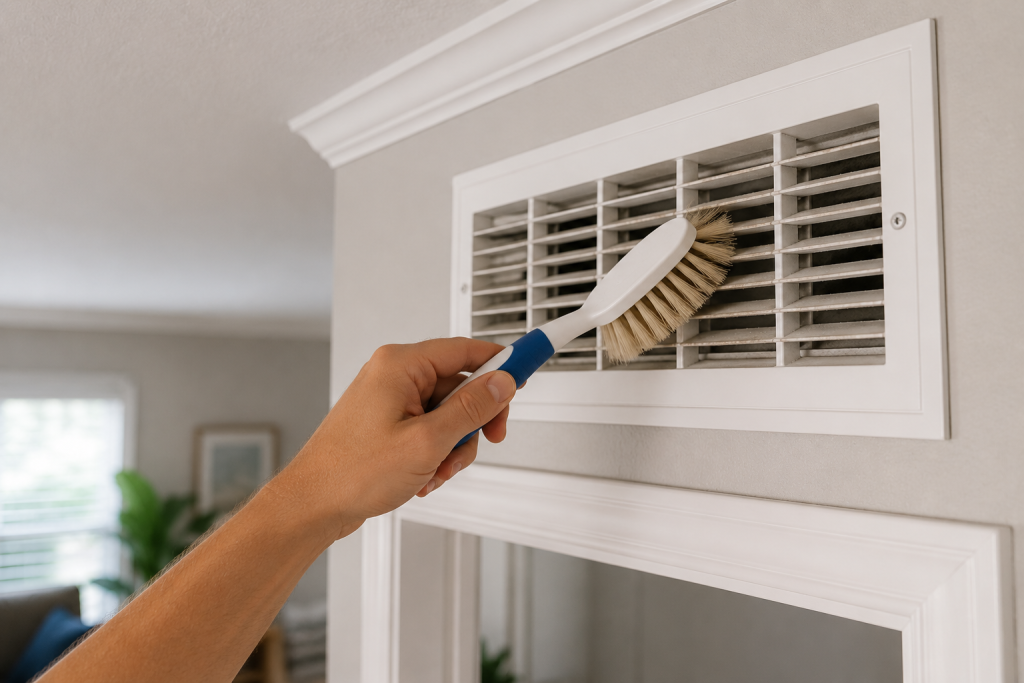
Dust buildup can restrict airflow and reduce indoor air quality.
Cleaning Tips
- Vacuum vent covers
- Wipe registers with a damp cloth
- Inspect returns for excessive dust
A soft dusting brush attachment for your vacuum can help remove surface dust from vent covers and return grilles. Check the attachment’s connection diameter against your vacuum hose before ordering.
This also helps reduce allergens circulating through the home.
Are your AC vents sweating, read our guide: Why Are My AC Vents Sweating? 7 Easy Fixes That Actually Work (Step-by-Step Guide).
11. Check for Ice on the Evaporator Coil
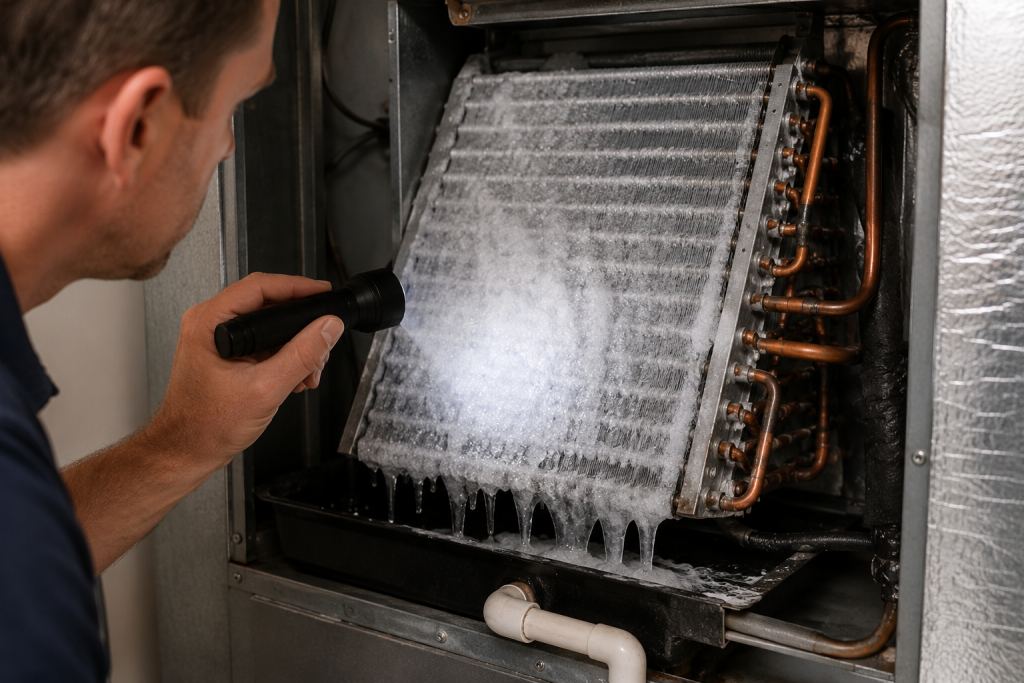
Ice buildup often signals airflow or refrigerant problems.
Common Causes
- Dirty air filters
- Blocked vents
- Refrigerant leaks
What to Do
Turn off the AC and allow the coil to thaw before restarting the system.
Is your AC freezing up? Check out: AC Freezing Up? 7 Easy Ways to Fix a Frozen Air Conditioner.
12. Inspect the Blower Fan
The blower fan circulates cooled air throughout your home.
Signs of Problems
- Weak airflow
- Grinding noises
- Inconsistent temperatures
Professional servicing may be needed if the blower motor is failing.
13. Seal Air Leaks Around Doors and Windows
Cool air escaping your home forces the HVAC system to work harder.
Areas to Check
- Window frames
- Exterior doors
- Attic access points
Helpful Fixes
- Weatherstripping
- Caulk
- Door sweeps
Replace worn seals with door and window weatherstripping that matches the existing profile and gap size. Choose a thickness that seals drafts while allowing the door or window to close and latch normally.
Read more about it here: Window Drafts in Winter? 7 Easy Fixes That Actually Work (Step-by-Step Guide).
14. Verify Proper Drainage Around the Outdoor Unit
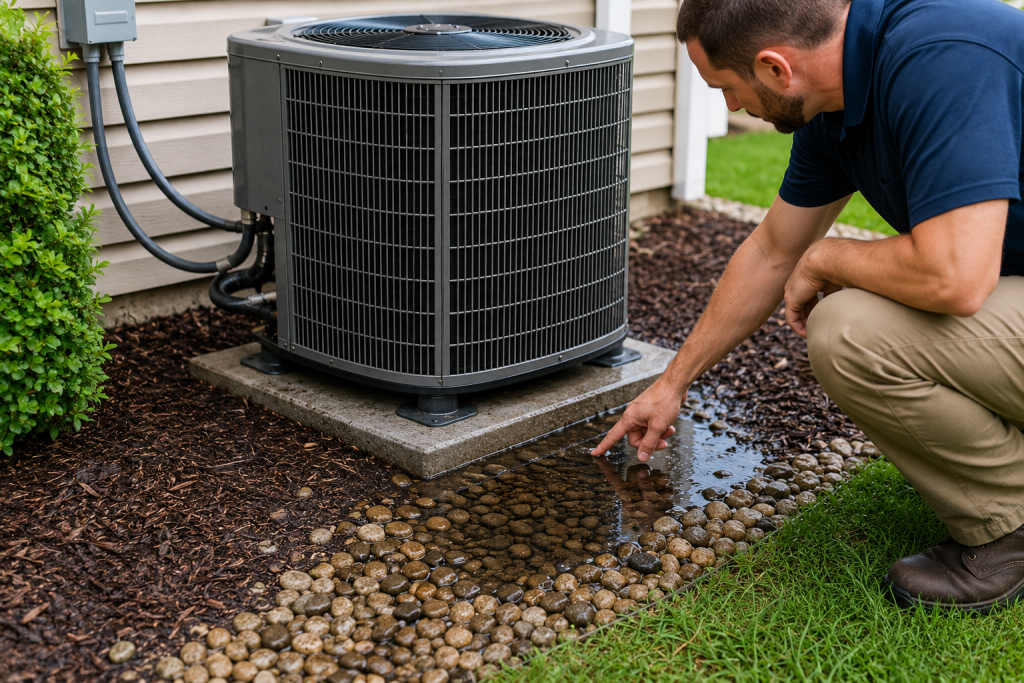
Poor drainage can damage HVAC equipment over time.
Look For
- Standing water
- Soil erosion
- Gutters draining directly onto the unit
Good drainage helps protect the condenser and electrical components.
15. Schedule Professional HVAC Maintenance
A licensed HVAC technician can inspect components homeowners typically cannot access safely.
Professional Maintenance Often Includes
- Refrigerant pressure testing
- Capacitor testing
- Electrical inspection
- Coil cleaning
- System efficiency checks
Annual maintenance may also help maintain manufacturer warranties.
16. Monitor Energy Bills for Sudden Increases
Unexpected spikes in energy usage may indicate HVAC problems.
Possible Causes
- Dirty coils
- Refrigerant leaks
- Aging components
- Thermostat problems
Tracking monthly utility costs can help identify issues early.
17. Test the System Before Peak Summer Heat
Do not wait until the hottest day of the year to discover cooling problems.
Final Summer HVAC Test
- Turn the system on early in the season
- Verify cold airflow
- Check for unusual smells or noises
- Confirm all rooms cool evenly
Common Signs Your HVAC System Needs Service
Call an HVAC professional if you notice:
- Warm air from vents
- Weak airflow
- Frozen coils
- Frequent cycling
- High humidity indoors
- Water leaks around the system
- Burning or musty odors
Summer HVAC Maintenance Checklist FAQ
How often should I replace my HVAC filter in summer?
Most homeowners should replace filters every 1–3 months, depending on pets, allergies, and filter type.
Can I spray my AC condenser with water?
Yes. Gentle water pressure from a garden hose is safe for cleaning condenser coils after shutting off power.
What temperature should I set my thermostat in summer?
Many homeowners keep temperatures between 72–78°F for comfort and efficiency.
Is professional HVAC maintenance worth it?
Yes. Professional inspections can improve efficiency, reduce breakdown risks, and identify small issues before they become expensive repairs.
Why is my AC running constantly during summer?
Possible causes include dirty filters, low refrigerant, poor insulation, dirty coils, or an undersized HVAC system.
Looking for another household maintenance guide? Browse our complete collection of home maintenance tips and projects
Final Thoughts
A summer HVAC maintenance checklist helps homeowners stay comfortable while reducing energy costs and preventing unexpected breakdowns. Regular maintenance tasks like changing filters, cleaning condenser coils, checking vents, and monitoring airflow can keep your air conditioning system operating efficiently all season long.
For additional HVAC maintenance guidance, visit This Old House HVAC Maintenance Guide