
Last updated: October 18, 2026
By Home Repair Genie
Winter weather can be hard on your home. Freezing temperatures, snow, ice, and winter storms can lead to expensive repairs if your home is not properly prepared. This Winter Home Maintenance Checklist covers the most important tasks homeowners should complete to protect plumbing, heating systems, roofing, windows, and more during the coldest months of the year.
Whether you live in an area with heavy snow or occasional freezing temperatures, these winter maintenance tips can help keep your home safe, efficient, and comfortable all season long.
Quick Answer
A winter home maintenance checklist should include inspecting your heating system, sealing drafts, protecting pipes from freezing, cleaning gutters, checking insulation, testing smoke and carbon monoxide detectors, and preparing for snow and ice. Completing these tasks can help prevent costly winter repairs and improve energy efficiency.
Many homeowners use a seasonal winter home maintenance checklist to stay ahead of common cold-weather repair issues.
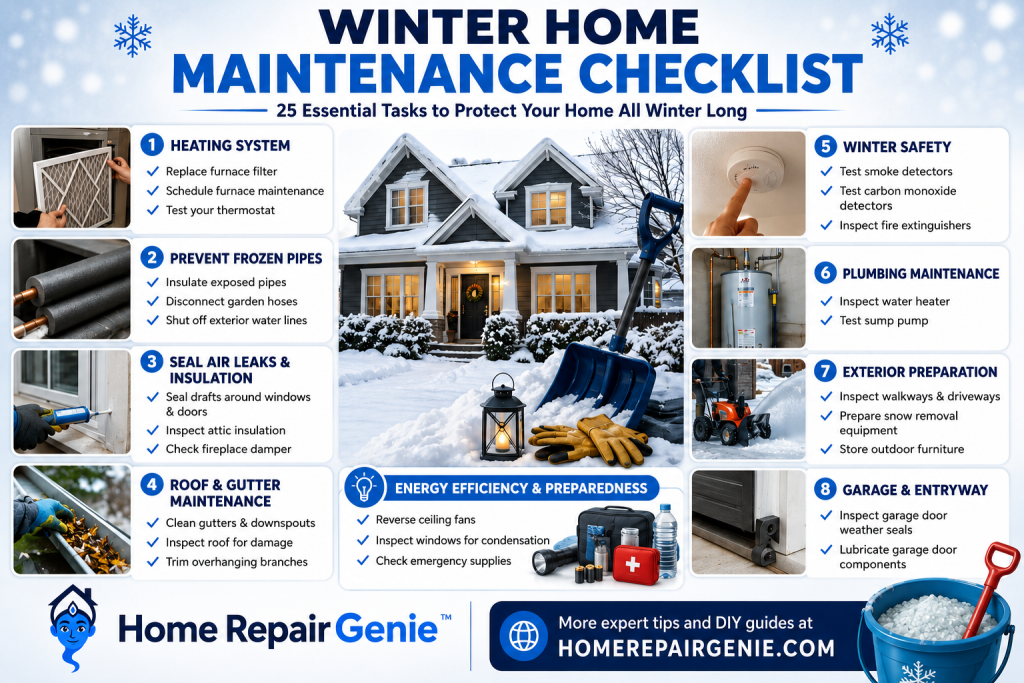
Heating System Winter Home Maintenance Checklist
1. Replace the Furnace Filter
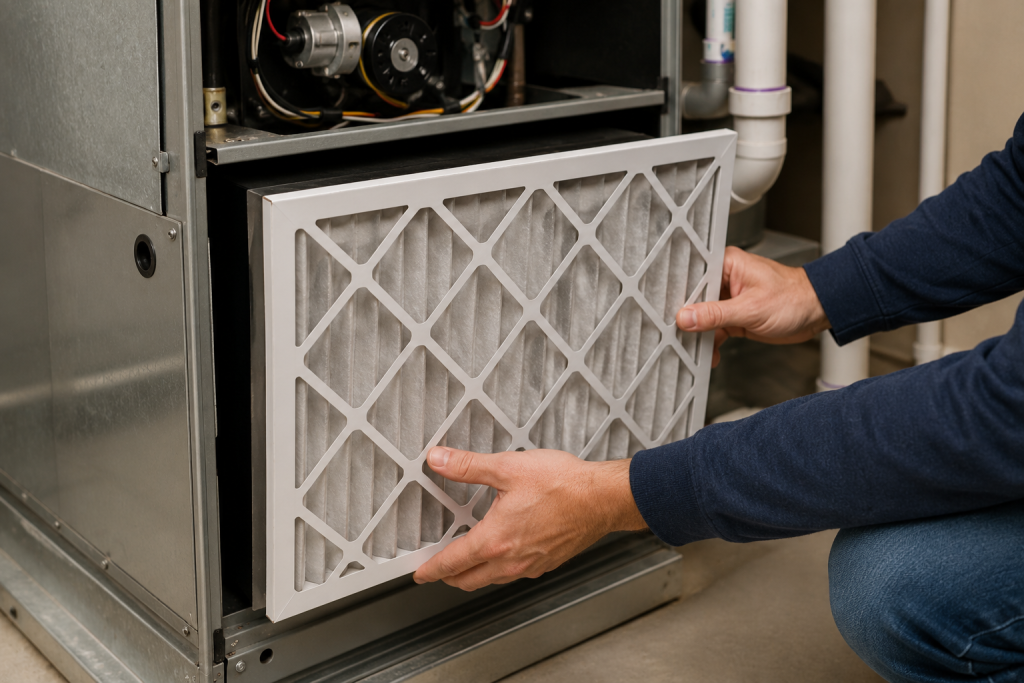
A dirty furnace filter restricts airflow and forces your heating system to work harder.
As an Amazon Associate I earn from qualifying purchases.
Choose replacement furnace filters that match your system’s required dimensions, thickness, and filtration rating. Check the existing filter and equipment instructions before ordering; a higher MERV rating is not automatically suitable for every system.
Steps:
- Turn off the HVAC system.
- Remove the old filter.
- Install a new filter with the airflow arrow facing the correct direction.
- Turn the system back on.
Changing the filter every 1–3 months during winter helps improve efficiency and indoor air quality.
If your HVAC system is struggling to maintain temperature, you may also want to read our guide on Furnace Blowing Cold Air? 7 Easy Fixes That Actually Work (Step-by-Step Guide) for additional airflow and system troubleshooting tips.
2. Schedule Furnace Maintenance
Professional furnace maintenance can help identify worn components before they fail during extreme cold.
A technician can:
- Inspect burners and heat exchangers
- Check gas connections
- Test airflow
- Verify safe operation
Regular maintenance may also help extend the life of your heating system.
3. Test Your Thermostat
Make sure your thermostat is working properly before temperatures drop significantly.
If you use a programmable thermostat:
- Verify schedules are correct
- Replace batteries if needed
- Adjust settings for energy savings
Smart thermostats can also help reduce heating costs during winter.
Prevent Frozen Pipes
4. Insulate Exposed Pipes
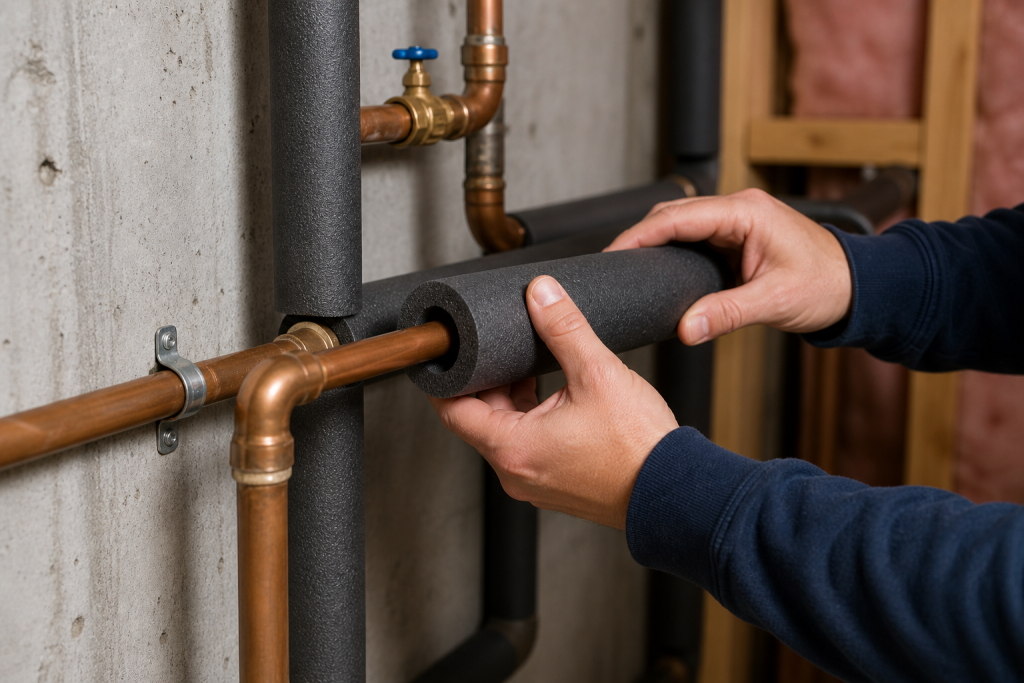
Pipes located in basements, garages, crawl spaces, or exterior walls are more likely to freeze.
Steps:
- Identify exposed plumbing lines.
- Install foam pipe insulation.
- Secure insulation with tape if necessary.
This simple project can help prevent burst pipes and water damage.
Use foam pipe insulation sleeves sized for the outside diameter of your exposed water pipes. Follow the product instructions around joints and bends. Insulation slows heat loss but does not guarantee protection during prolonged freezing conditions.
For additional plumbing maintenance tips, check out our Annual Plumbing Maintenance Checklist.
5. Disconnect Garden Hoses
Leaving hoses attached during freezing temperatures can damage outdoor faucets and plumbing.
Steps:
- Disconnect all hoses.
- Drain any remaining water.
- Store hoses indoors if possible.
6. Shut Off Exterior Water Lines
If your home has shut-off valves for outdoor faucets, close them before freezing weather arrives.
Then:
- Open outdoor spigots.
- Allow excess water to drain.
This reduces the risk of frozen pipes.
If you notice drainage problems during winter, our guide on How to Unclog a Drain Fast may also help.
Seal Air Leaks and Improve Insulation
7. Seal Drafts Around Windows and Doors
Cold drafts increase heating costs and make rooms uncomfortable.
Common draft areas:
- Window frames
- Door frames
- Attic access points
- Basement doors
Replace worn seals with door and window weatherstripping suited to the frame and gap size. Choose a thickness that seals the opening while allowing the door or window to close and latch normally.
Check out our helpful guide: Window Drafts in Winter? 7 Easy Fixes That Actually Work (Step-by-Step Guide).
8. Inspect Attic Insulation
Poor attic insulation can allow heat to escape and increase ice dam risks.
Signs of insufficient insulation may include:
- Uneven indoor temperatures
- High heating bills
- Icicles forming along roof edges
9. Check the Fireplace Damper
If you have a fireplace, make sure the damper closes properly when not in use.
An open damper allows warm air to escape through the chimney and increases heating costs.
Roof and Gutter Maintenance for Winter Home Maintenance Checklist
10. Clean Gutters and Downspouts
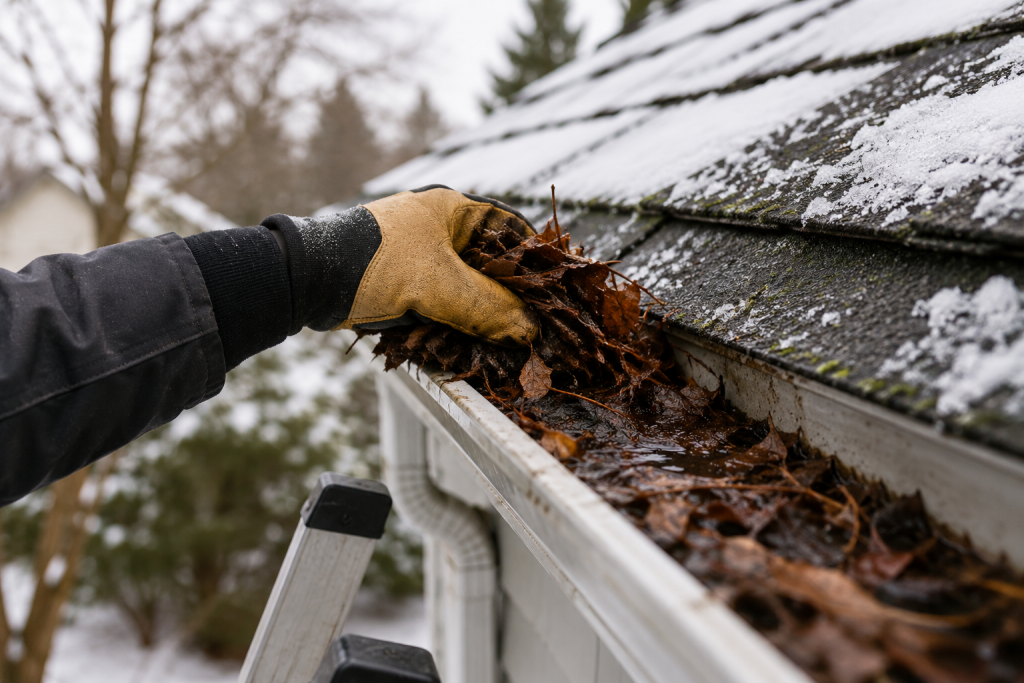
Clogged gutters can lead to ice dams and water damage during winter.
Steps:
- Remove leaves and debris.
- Flush gutters with water.
- Verify downspouts drain away from the foundation.
You can also install gutter guards to reduce debris buildup.
Many homeowners complete this task as part of their Fall Home Maintenance Checklist before winter weather arrives.
11. Inspect the Roof for Damage
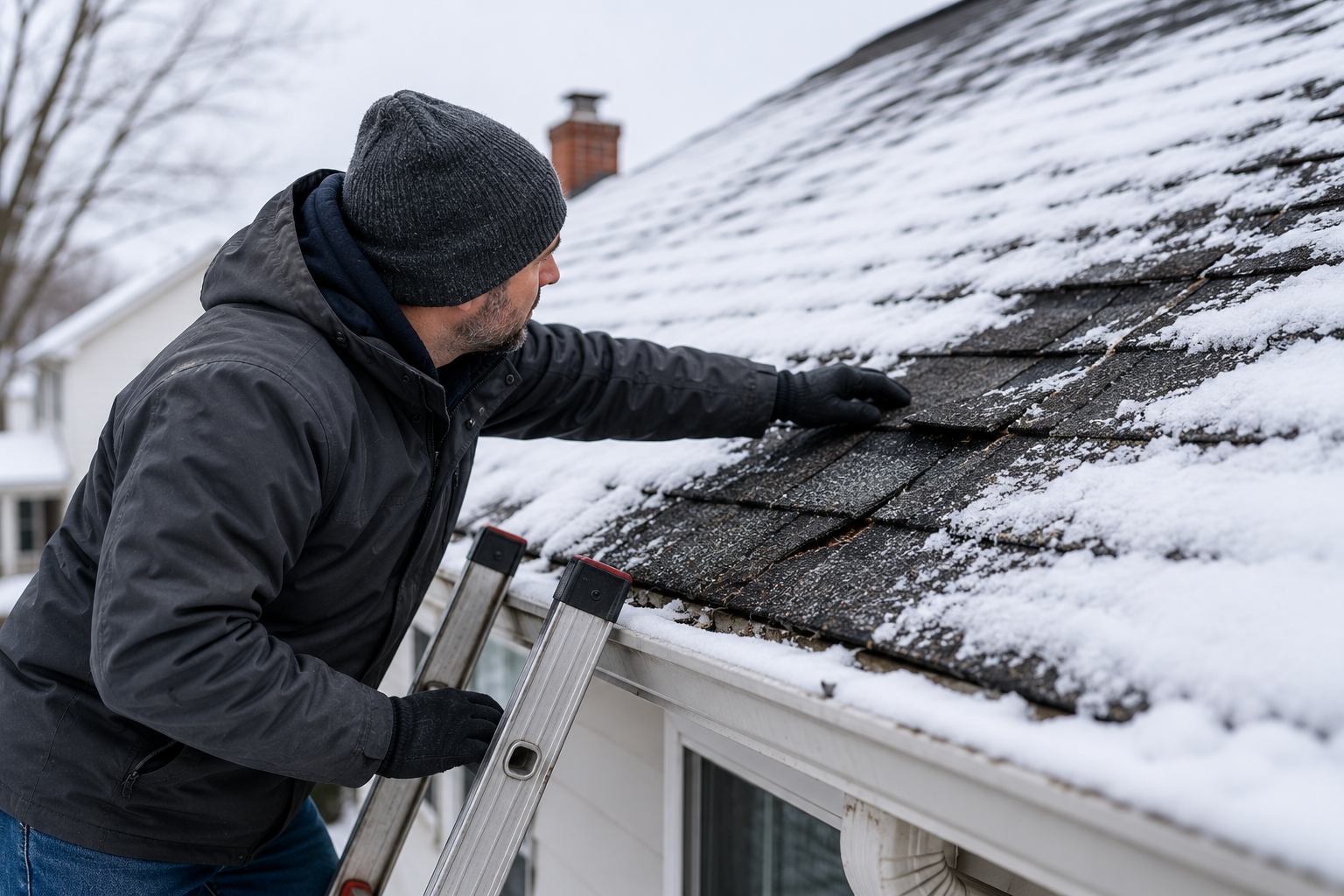
Look for:
- Missing shingles
- Cracked flashing
- Sagging areas
- Loose roof vents
Addressing roof problems before winter storms arrive can help prevent leaks and costly repairs.
12. Trim Overhanging Tree Branches
Heavy snow and ice can cause weak branches to break and damage your roof or siding.
Trim branches located near:
- Rooflines
- Windows
- Driveways
- Power lines
Safety Tasks for Winter Home Maintenance Checklist
13. Test Smoke Detectors
Winter is one of the busiest times for home heating fires.
Steps:
- Test all smoke alarms.
- Replace batteries if needed.
- Replace outdated detectors.
Check out our guide on the best smoke detectors: 7 Best Smoke Detectors for Reliable Home Protection.
14. Test Carbon Monoxide Detectors
Heating systems and fireplaces can produce carbon monoxide if ventilation problems occur.
Make sure detectors are installed:
- Near bedrooms
- On each floor of the home
Replace expired or nonworking units with carbon monoxide alarms with battery power or battery backup that meet the UL 2034 standard. Follow the manufacturer’s placement instructions and replacement schedule.
15. Inspect Fire Extinguishers
Check that fire extinguishers:
- Are fully charged
- Are easy to access
- Have no visible damage
Plumbing Winter Home Maintenance Checklist
16. Inspect the Water Heater
Cold weather often increases hot water demand.
Check for:
- Leaks
- Rust
- Strange noises
- Inconsistent water temperatures
Flushing the tank annually may improve performance.
This guide could be helpful for your water heater: Water Heater Not Producing Hot Water? 7 Easy Fixes That Actually Work (Step-by-Step Guide).
For additional information read this: This Old House Water Heater Maintenance Guide
If your home has experienced plumbing issues recently, you may also find our article on How to Fix a Running Toilet: 7 Easy Fixes That Actually Work helpful.
17. Test the Sump Pump
Winter snowmelt and frozen ground can create drainage problems.
Steps:
- Pour water into the sump pit.
- Verify the pump activates properly.
- Confirm water drains away from the home.
Take a look at Sump Pump Not Working? 7 Easy Fixes Homeowners Can Try.
Exterior Winter Preparation for Winter Home Maintenance Checklist
18. Inspect Walkways and Driveways
Cracks in concrete can worsen during freeze-thaw cycles.
Repairing cracks before winter may help prevent additional damage.
19. Prepare Snow Removal Equipment
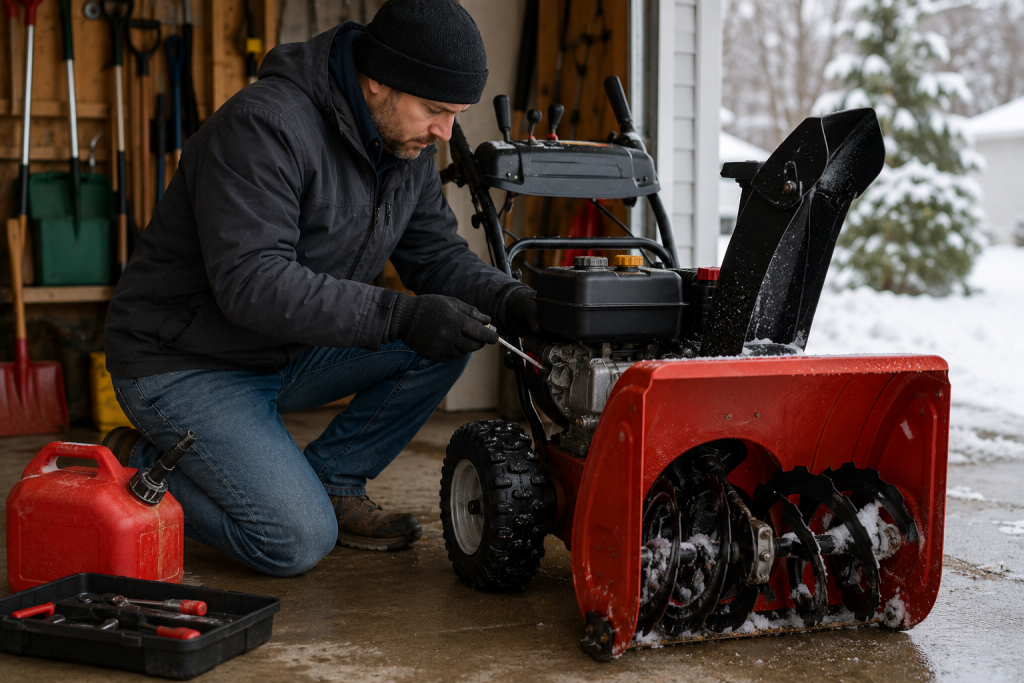
Inspect:
- Snow blowers
- Shovels
- Ice melt supplies
Check your shovel for a cracked blade or loose handle before the first snowfall. If replacement is needed, compare snow shovels and pushers based on your walkway surfaces, storage space, and whether you primarily push snow or lift it.
If using a snow blower:
- Check fuel levels.
- Replace spark plugs if needed.
- Test operation before the first snowfall.
20. Store Outdoor Furniture
Snow and ice can damage patio furniture and outdoor décor.
Store items indoors or use weatherproof covers during winter.
Garage and Entryway Winter Home Maintenance Checklist
21. Inspect Garage Door Weather Seals
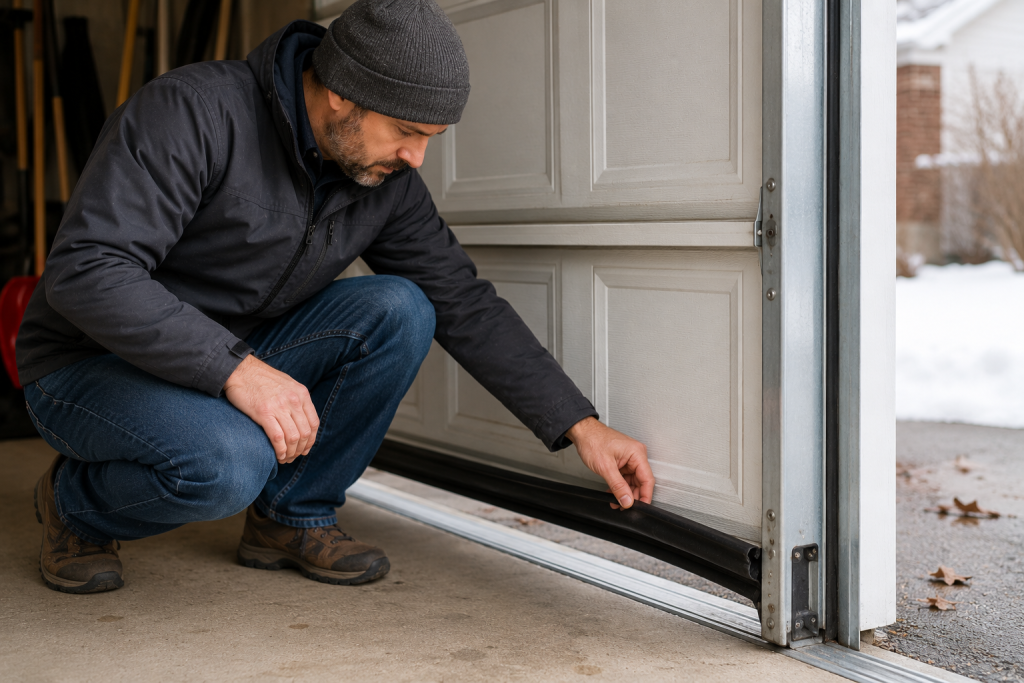
Cold air and moisture can enter through worn garage door seals.
Replace damaged seals around:
- Bottom edges
- Side rails
- Top trim
22. Lubricate Garage Door Components
Lubricate:
- Hinges
- Rollers
- Springs
- Tracks
This may help prevent noisy operation during cold weather.
Energy Efficiency Tips for Winter Home Maintenance Checklist
23. Reverse Ceiling Fans
Most ceiling fans have a winter setting.
Running fans clockwise at low speed can help circulate warm air downward and improve comfort.
24. Inspect Windows for Condensation
Excess condensation may indicate:
- Poor insulation
- High humidity
- Air leaks
Addressing moisture issues can help prevent mold growth.
25. Check Emergency Supplies
Winter storms can cause power outages.
Consider keeping:
- Flashlights
- Batteries
- Bottled water
- Blankets
- Portable phone chargers
available during winter weather events.
Keep battery-powered LED lanterns or flashlights where they are easy to find during an outage. Test them before winter and store the correct spare batteries nearby.
Completing a winter home maintenance checklist each year can help homeowners reduce emergency repairs, improve energy efficiency, and protect their homes from severe winter weather.
You may also want to review your Spring Home Maintenance Checklist once winter ends to identify any seasonal damage caused by snow and freezing temperatures.
Frequently Asked Questions for Winter Home Maintenance Checklist
When should I complete winter home maintenance?
Most winter home maintenance tasks should be completed during fall before freezing temperatures arrive.
What is the most important winter home maintenance checklist task?
Heating system maintenance and frozen pipe prevention are among the most important winter home maintenance tasks because they help prevent costly damage and unsafe conditions.
How often should furnace filters be replaced in winter?
Most furnace filters should be replaced every 1–3 months depending on filter type, pets, and household dust levels.
Why are frozen pipes dangerous?
Frozen pipes can burst and cause major water damage inside walls, ceilings, and floors.
Does sealing drafts really reduce heating costs?
Yes. Sealing drafts around windows and doors can improve comfort and help lower winter heating bills.
Looking for another household maintenance guide? Browse our complete collection of home maintenance tips and projects
Final Thoughts for Winter Home Maintenance Checklist
Completing a winter home maintenance checklist can help protect your home from freezing temperatures, snow, and winter storms. Small preventive tasks completed now may help you avoid expensive repairs later.
By inspecting your heating system, sealing drafts, protecting plumbing, and preparing your home for winter weather, you can improve comfort, safety, and energy efficiency throughout the season.