
Last updated: October 10, 2026
By Home Repair Genie
As an Amazon Associate I earn from qualifying purchases.
Quick Answer
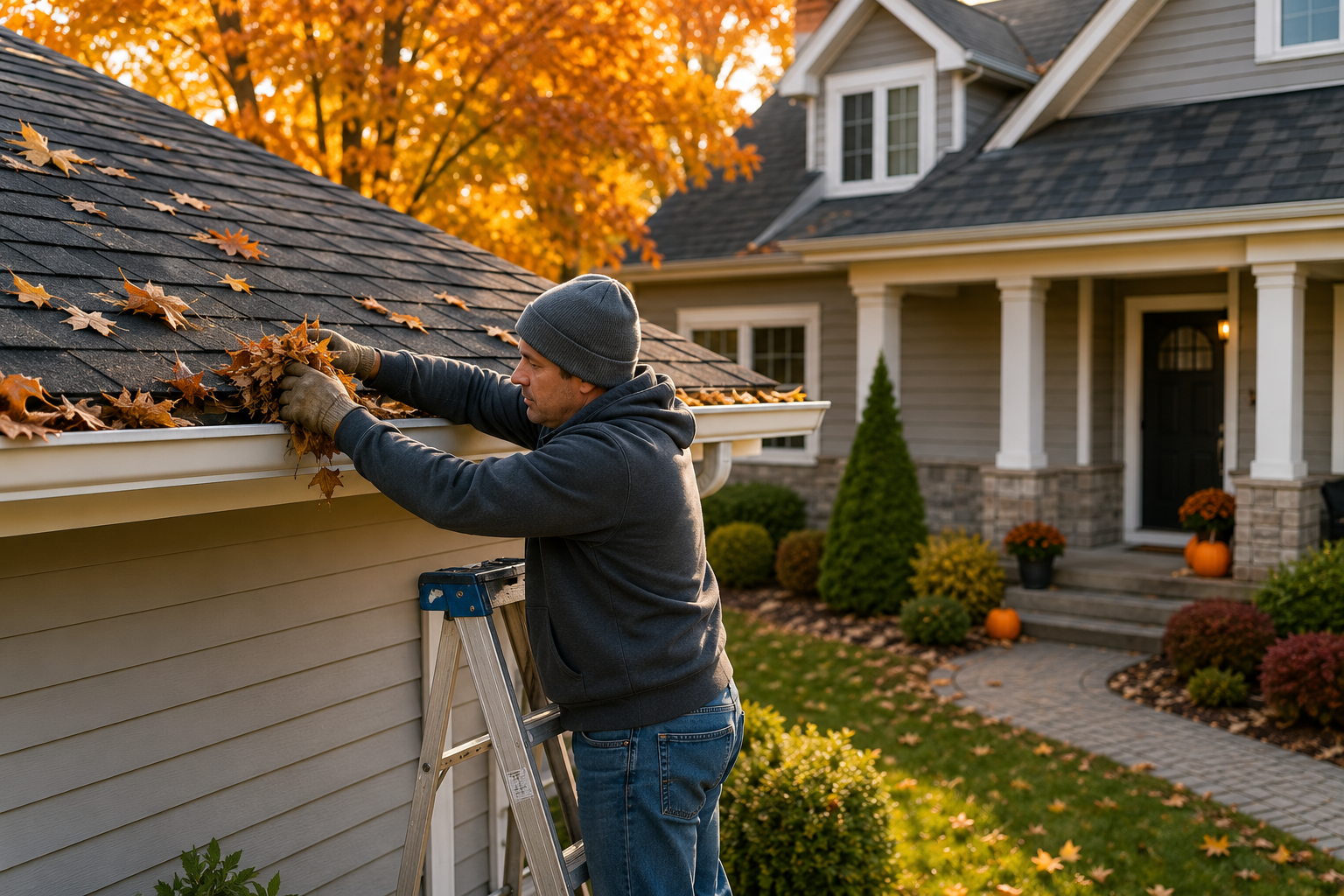
A fall home maintenance checklist helps homeowners prepare their property for colder weather, prevent winter damage, improve energy efficiency, and avoid costly repairs. Important fall maintenance tasks include cleaning gutters, sealing drafts, servicing the furnace, checking the roof, winterizing outdoor plumbing, and inspecting insulation before temperatures drop.
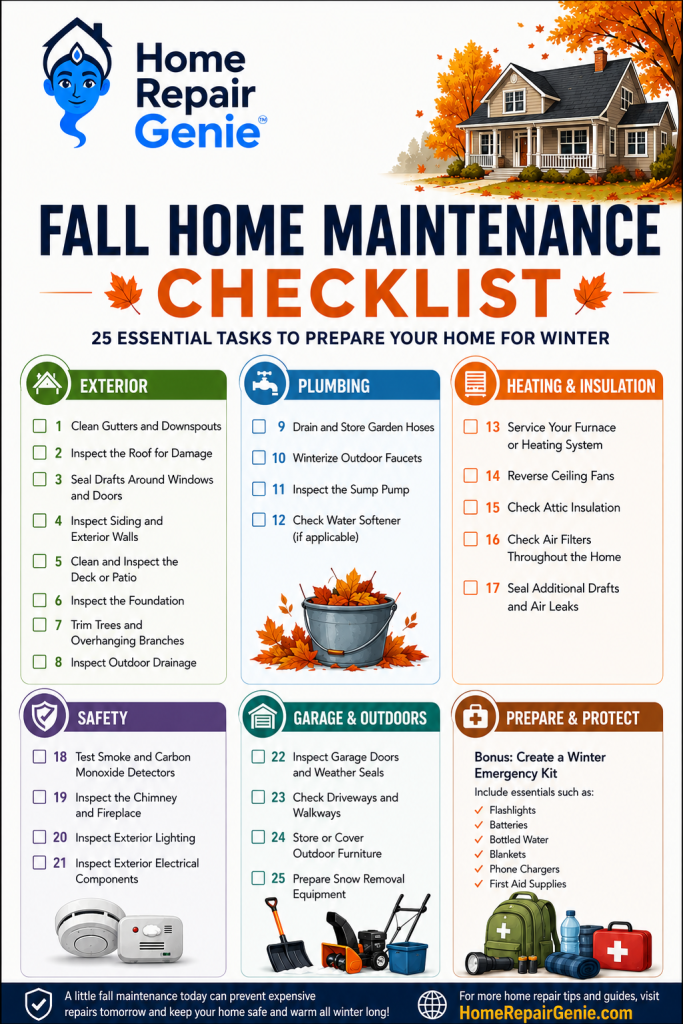
Free Printable Fall Home Maintenance Checklist
Download this free one-page checklist and check off all 25 essential home maintenance tasks as you prepare your house for winter.
Download the Free Checklist (PDF)One page • 25 essential tasks • Printer-friendly
Why a Fall Home Maintenance Checklist Matters
Fall is one of the most important seasons for home maintenance because it gives homeowners time to prepare for freezing temperatures, snow, ice, and winter storms.
Completing a fall home maintenance checklist can help you:
- Prevent frozen pipes
- Reduce heating costs
- Protect roofing and gutters
- Improve home safety
- Extend HVAC system life
- Avoid expensive winter repairs
Taking care of small maintenance tasks on a fall home maintenance checklist can save significant money and stress during winter.
1. Clean Gutters and Downspouts
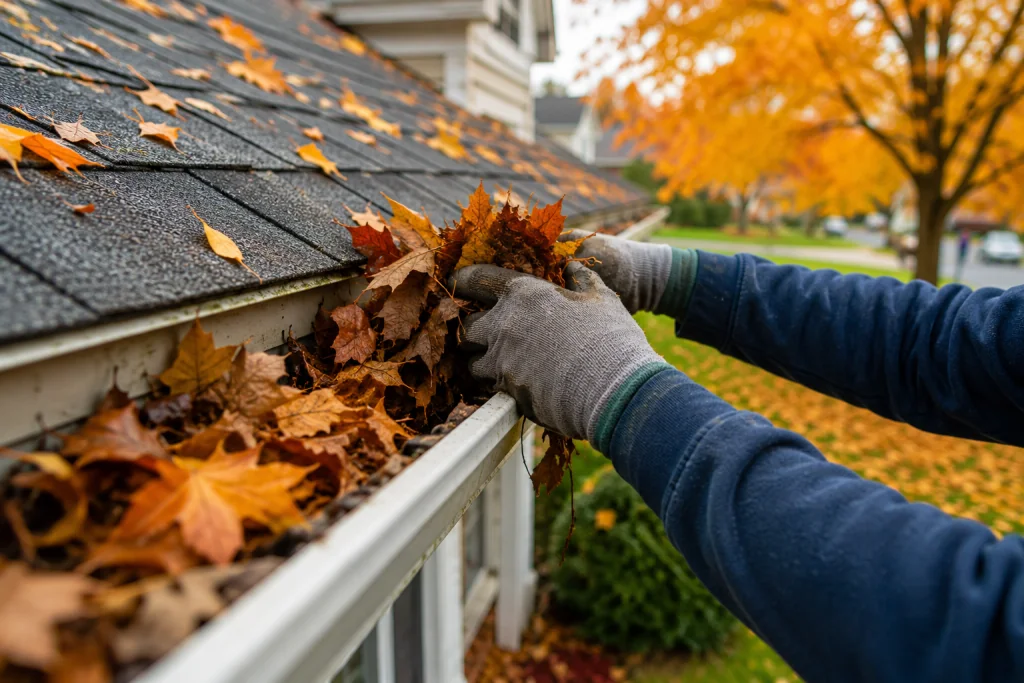
Prevent Ice Dams and Water Damage
Falling leaves can quickly clog gutters and downspouts.
Make sure to:
- Remove leaves and debris
- Flush gutters with water
- Check for loose gutter sections
- Ensure downspouts direct water away from the home
Clogged gutters are one of the leading causes of winter water damage.
A gutter scoop can help with the task.
2. Inspect the Roof for Damage
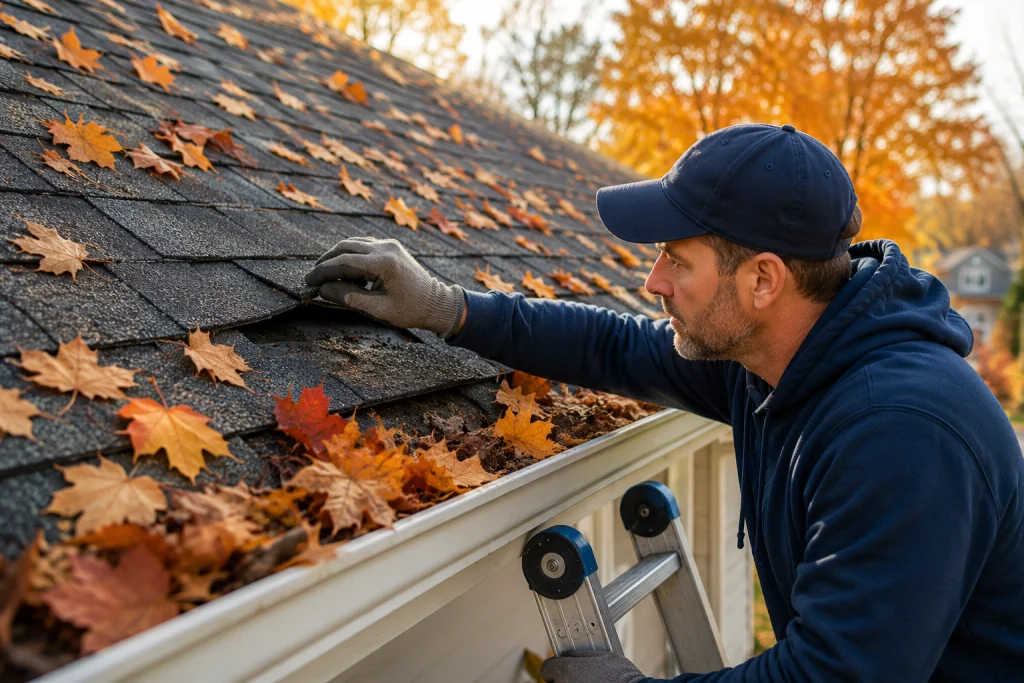
Check Shingles Before Winter Weather Arrives
Inspect your roof for:
- Missing shingles
- Cracked shingles
- Loose flashing
- Sagging areas
- Signs of leaks
Addressing roof issues before snow and ice arrive can prevent major interior water damage.
3. Seal Drafts Around Windows and Doors
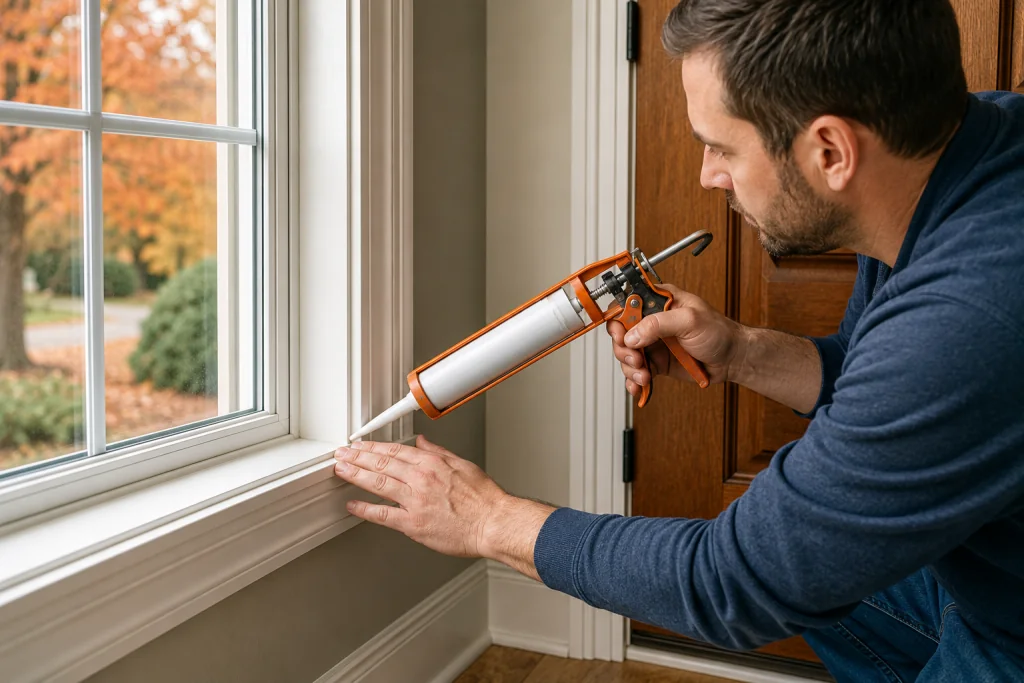
Improve Energy Efficiency
Cold air leaks can significantly increase heating costs.
Inspect and seal:
- Window frames
- Door frames
- Exterior utility openings
- Garage door edges
Use weatherstripping or caulk where necessary.
Learn more about it in this guide: Window Drafts in Winter? 7 Easy Fixes That Actually Work (Step-by-Step Guide).
4. Service Your Furnace or Heating System
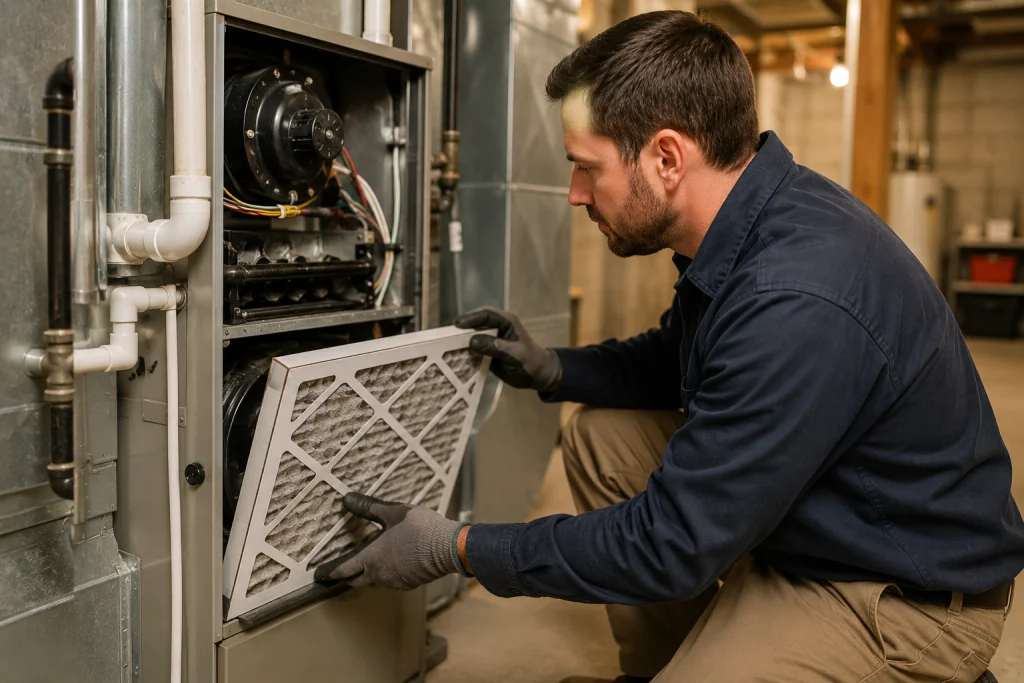
Prepare Your HVAC System for Winter
Schedule a professional HVAC inspection or perform basic maintenance such as:
- Replacing air filters
- Cleaning vents
- Testing thermostat operation
- Checking furnace airflow
You may also find our guide on Best Furnace Filters (MERV 8 vs. MERV 11 vs. MERV 13): Which Should You Buy? helpful.
5. Test Smoke and Carbon Monoxide Detectors
Improve Home Safety During Heating Season
Replace batteries and test all detectors throughout the home.
Carbon monoxide risks increase during winter because heating systems run more frequently.
Need to replace your smoke detectors? We can help: 7 Best Smoke Detectors for Reliable Home Protection.
6. Drain and Store Garden Hoses
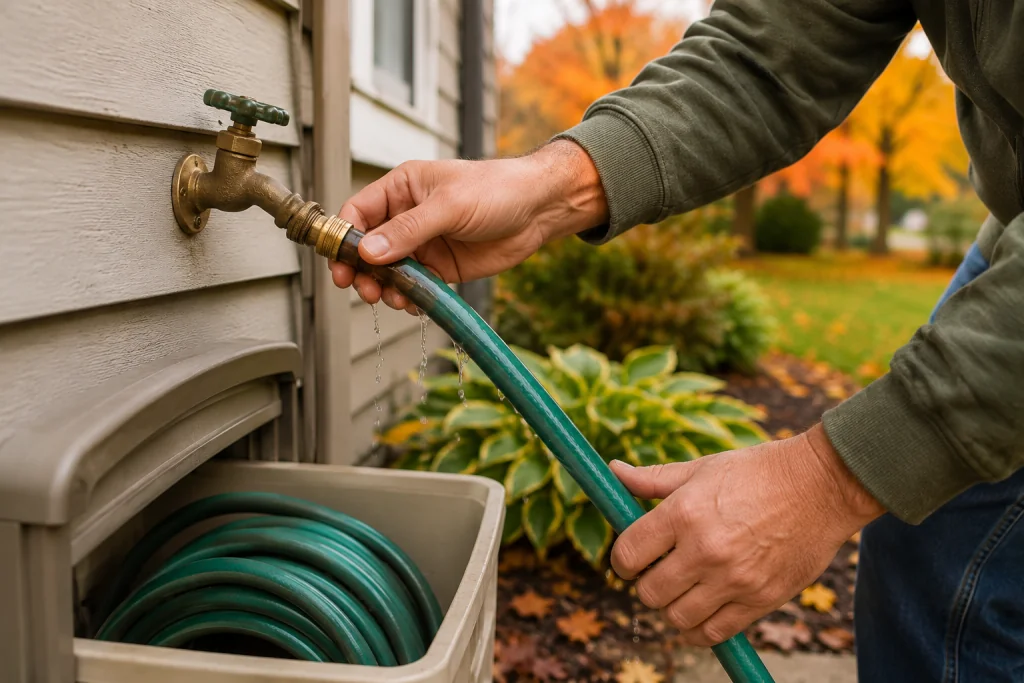
Prevent Frozen Outdoor Plumbing
Disconnect hoses from outdoor faucets and drain remaining water.
Store hoses indoors to prevent cracking and freezing damage.
7. Winterize Outdoor Faucets
Protect Pipes From Freezing
Inspect outdoor hose bibs and shut off water to exterior faucets if possible.
Install insulated faucet covers in colder climates.
8. Inspect the Chimney and Fireplace
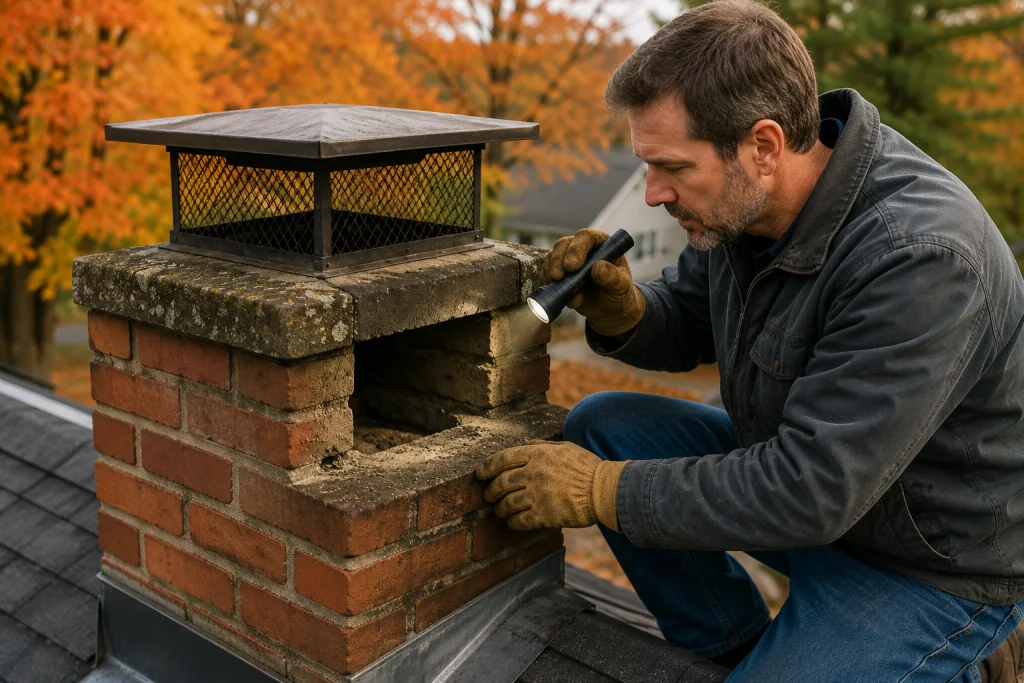
Prepare for Fireplace Use
Check for:
- Creosote buildup
- Cracked masonry
- Damaged chimney caps
- Obstructions or nests
Have the chimney professionally cleaned if needed.
9. Trim Trees and Overhanging Branches
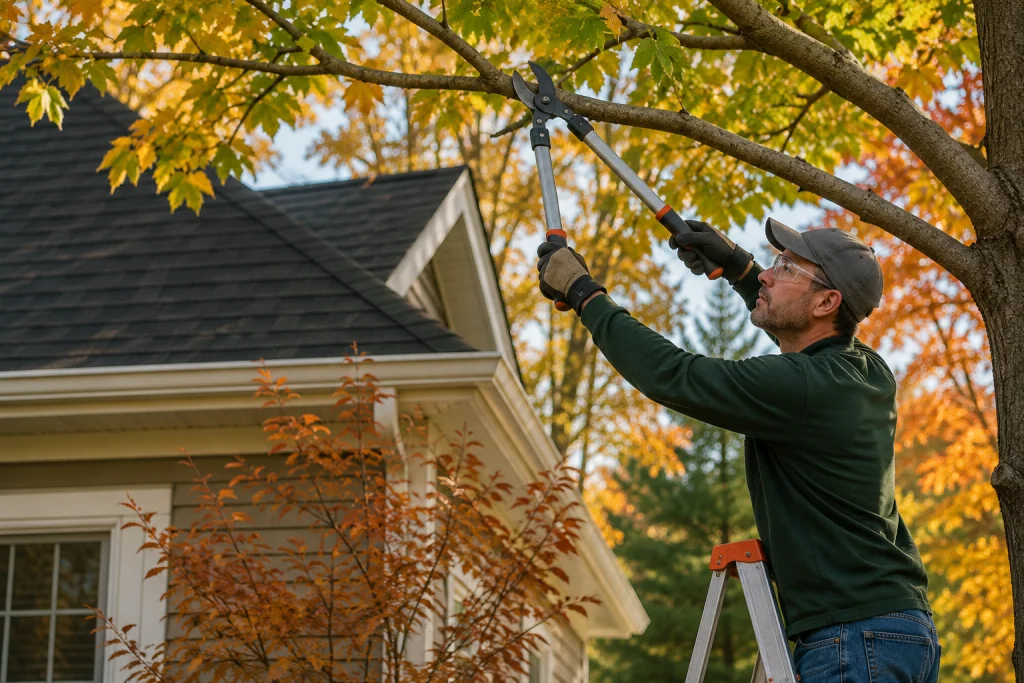
Reduce Storm Damage Risk
Trim weak or overgrown branches that could:
- Break during ice storms
- Damage the roof
- Fall onto vehicles
- Interfere with power lines
10. Check Attic Insulation
Prevent Heat Loss
Inspect attic insulation for:
- Thin coverage
- Moisture issues
- Air leaks
- Pest activity
Proper insulation improves comfort and reduces heating costs.
11. Inspect Siding and Exterior Walls
Seal Exterior Damage Before Winter
Check siding for:
- Cracks
- Rot
- Loose panels
- Water damage
Repair small issues before freezing temperatures worsen them.
Check out this helpful guide: Exterior Home Maintenance Checklist: 25 Essential Tasks to Prevent Costly Repairs.
12. Clean and Inspect the Deck or Patio
Prepare Outdoor Spaces for Winter
Remove debris and inspect for:
- Loose boards
- Rot
- Cracked concrete
- Wobbly railings
Seal wood surfaces if necessary.
13. Inspect the Foundation
Watch for Cracks and Drainage Issues
Walk around the home and inspect for:
- Foundation cracks
- Water pooling
- Soil erosion
- Drainage problems
Winter freeze-thaw cycles can worsen existing foundation issues.
14. Test the Sump Pump
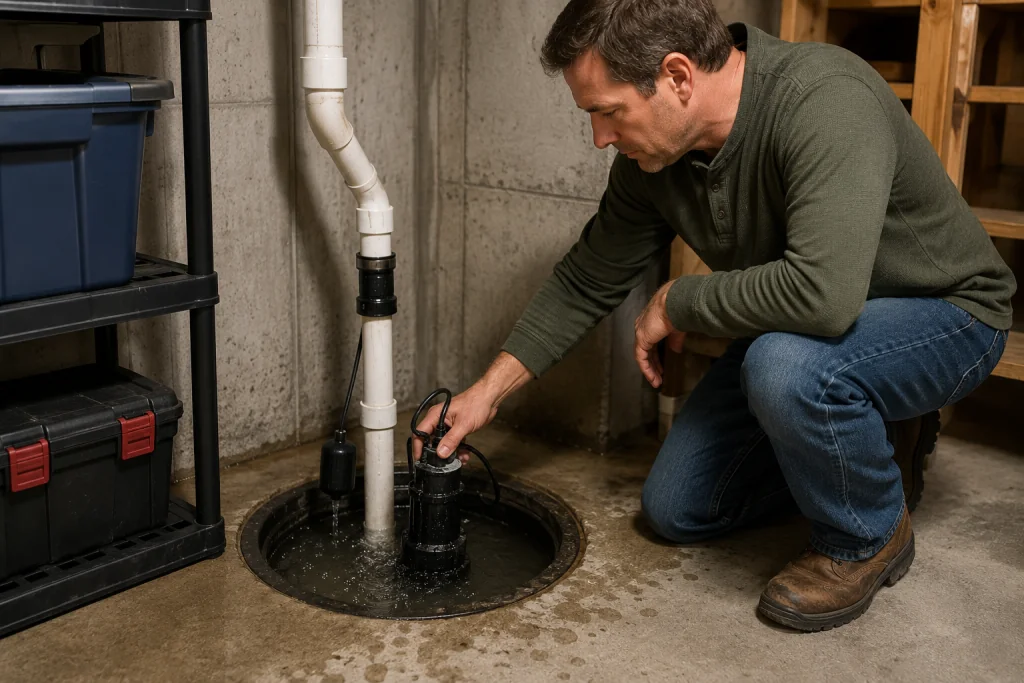
Prepare for Snow Melt and Heavy Rain
Pour water into the sump pit to verify proper operation.
Inspect discharge lines for blockages or freezing risks.
Continuing your fall home maintenance checklist before colder weather arrives can help prevent expensive winter emergencies.
If you have problems with your sump pump, check out: Sump Pump Not Working? 7 Easy Fixes Homeowners Can Try.
15. Reverse Ceiling Fans
Improve Heating Efficiency
Most ceiling fans have a reverse switch that helps circulate warm air during winter.
Run fans clockwise at low speed.
Ceiling fan not working? Check out: Ceiling Fan Not Working? 7 Easy Fixes That Actually Work (Step-by-Step Guide).
16. Inspect Exterior Lighting
Improve Visibility During Longer Nights
Check:
- Motion lights
- Garage lighting
- Walkway lights
- Burned-out bulbs
Proper lighting improves both safety and security.
17. Pressure Wash Exterior Surfaces
Remove Mold, Dirt, and Debris
Pressure washing before winter helps protect:
- Siding
- Decks
- Driveways
- Patios
Removing debris now can reduce staining and moisture problems later.
18. Check Driveways and Walkways
Repair Cracks Before Freezing Temperatures
Seal cracks in:
- Concrete
- Asphalt
- Walkways
- Steps
Water entering cracks can freeze and expand during winter.
19. Inspect Garage Doors and Weather Seals
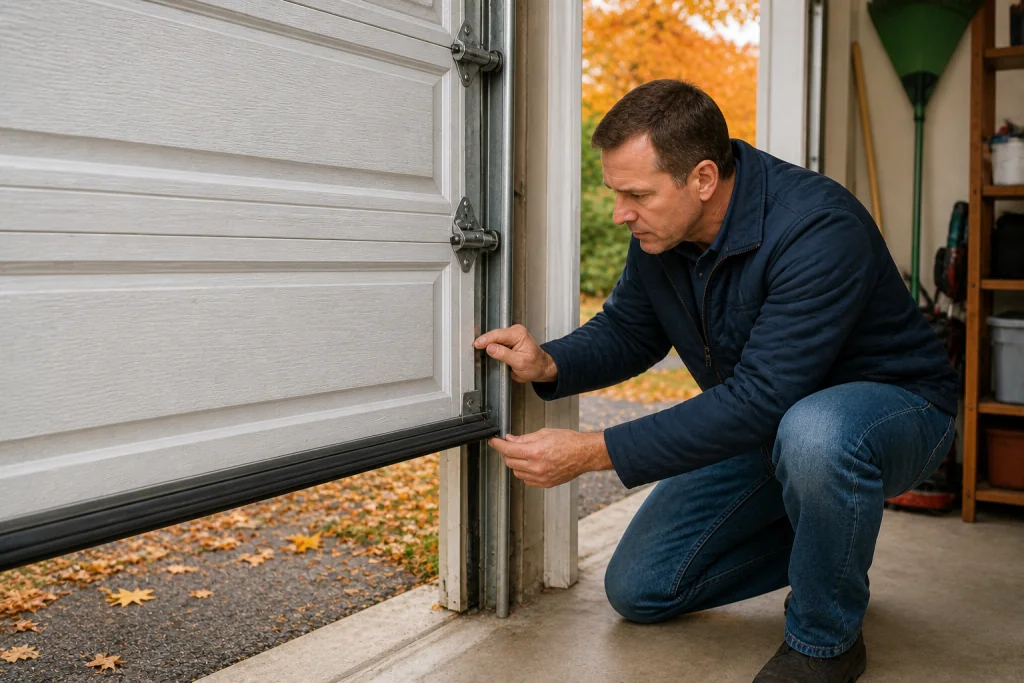
Keep Cold Air Out
Check garage doors for:
- Worn seals
- Drafts
- Broken rollers
- Improper closing
If your garage door has issues, read Garage Door Won’t Close? 7 Easy Fixes That Actually Work.
20. Store or Cover Outdoor Furniture
Protect Patio Furniture From Winter Damage
Clean and store outdoor furniture or use weatherproof covers.
This helps extend the life of cushions, wood, and metal surfaces.
21. Inspect Outdoor Drainage
Prevent Water Problems Around the Foundation
Make sure water drains away from the home properly.
Inspect for:
- Standing water
- Blocked drains
- Poor grading
- Downspout overflow
22. Check Air Filters Throughout the Home
Improve Indoor Air Quality
Replace HVAC air filters before heavy furnace use begins.
Clean filters help:
- Improve airflow
- Reduce dust
- Improve furnace efficiency
23. Inspect Exterior Electrical Components
Check Outdoor Outlets and Fixtures
Inspect:
- GFCI outlets
- Exterior extension cords
- Outdoor light fixtures
- Electrical covers
You may also want to read How to Fix an Outlet That’s Not Working (Step-by-Step Guide).
24. Prepare Snow Removal Equipment
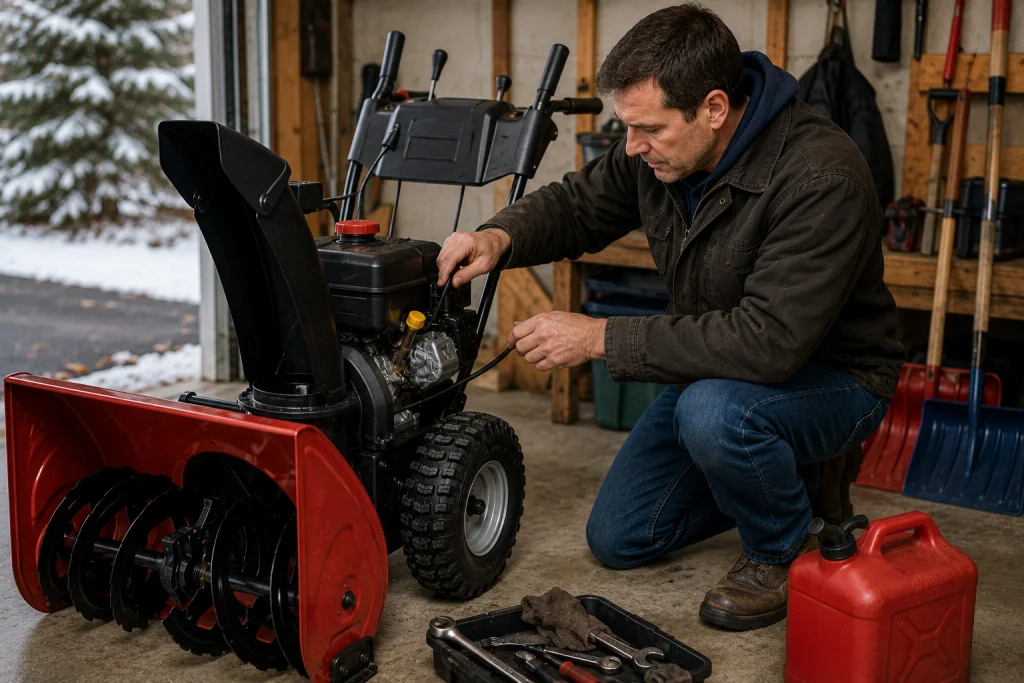
Get Ready Before the First Snowfall
Inspect and prepare:
Early preparation helps avoid scrambling during the first storm.
25. Create a Winter Emergency Kit
Prepare for Winter Storms and Power Outages
Include essentials such as:
- Flashlights
- Batteries
- Bottled water
- Blankets
- Phone chargers
- First aid supplies
Being prepared can make winter storms much less stressful.
Fall Home Maintenance Checklist Schedule
| Task | Recommended Timing |
|---|---|
| Gutter cleaning | Early to mid fall |
| Furnace service | Before cold weather |
| Roof inspection | Early fall |
| Chimney inspection | Before fireplace use |
| Outdoor faucet winterizing | Before first freeze |
| Attic insulation check | Mid fall |
| Driveway crack sealing | Before freezing temps |
When to Call a Professional for your Fall Home Maintenance Checklist
Signs You May Need Expert Help
Contact a professional if you notice:
- Major roof damage
- Furnace problems
- Chimney deterioration
- Foundation cracks
- Electrical hazards
- Drainage flooding issues
FAQ for your Fall Home Maintenance Checklist
What is included in a fall home maintenance checklist?
A fall home maintenance checklist typically includes gutter cleaning, roof inspections, furnace servicing, weatherproofing, outdoor plumbing winterization, and safety inspections.
When should a fall home maintenance checklist be completed?
Most fall maintenance tasks should be completed before the first hard freeze or major winter storm.
Why is gutter cleaning important in the fall?
Clogged gutters can lead to water overflow, ice dams, roof leaks, and foundation problems during winter.
How can I lower heating bills during winter?
Sealing drafts, improving insulation, replacing filters, and servicing your heating system can all improve energy efficiency.
Looking for another household maintenance guide? Browse our complete collection of home maintenance tips and projects
Final Thoughts
Following a complete fall home maintenance checklist helps homeowners protect their property, improve energy efficiency, and reduce the risk of expensive winter repairs. Taking time to prepare your home before freezing weather arrives can save money and prevent major seasonal problems.
For additional seasonal maintenance ideas, the experts at This Old House provide another helpful homeowner maintenance resource.