
Last updated: October 17, 2026
By Home Repair Genie
Quick Answer
Why does my house smell musty after rain? This problem is usually caused by excess moisture, hidden mold growth, poor ventilation, or water intrusion somewhere inside the home.Common causes include damp basements, crawl spaces, roof leaks, clogged gutters, poor ventilation, wet insulation, or hidden mold and mildew growth. Finding and eliminating the moisture source is the key to removing the smell permanently.
Why Does My House Smell Musty After Rain?
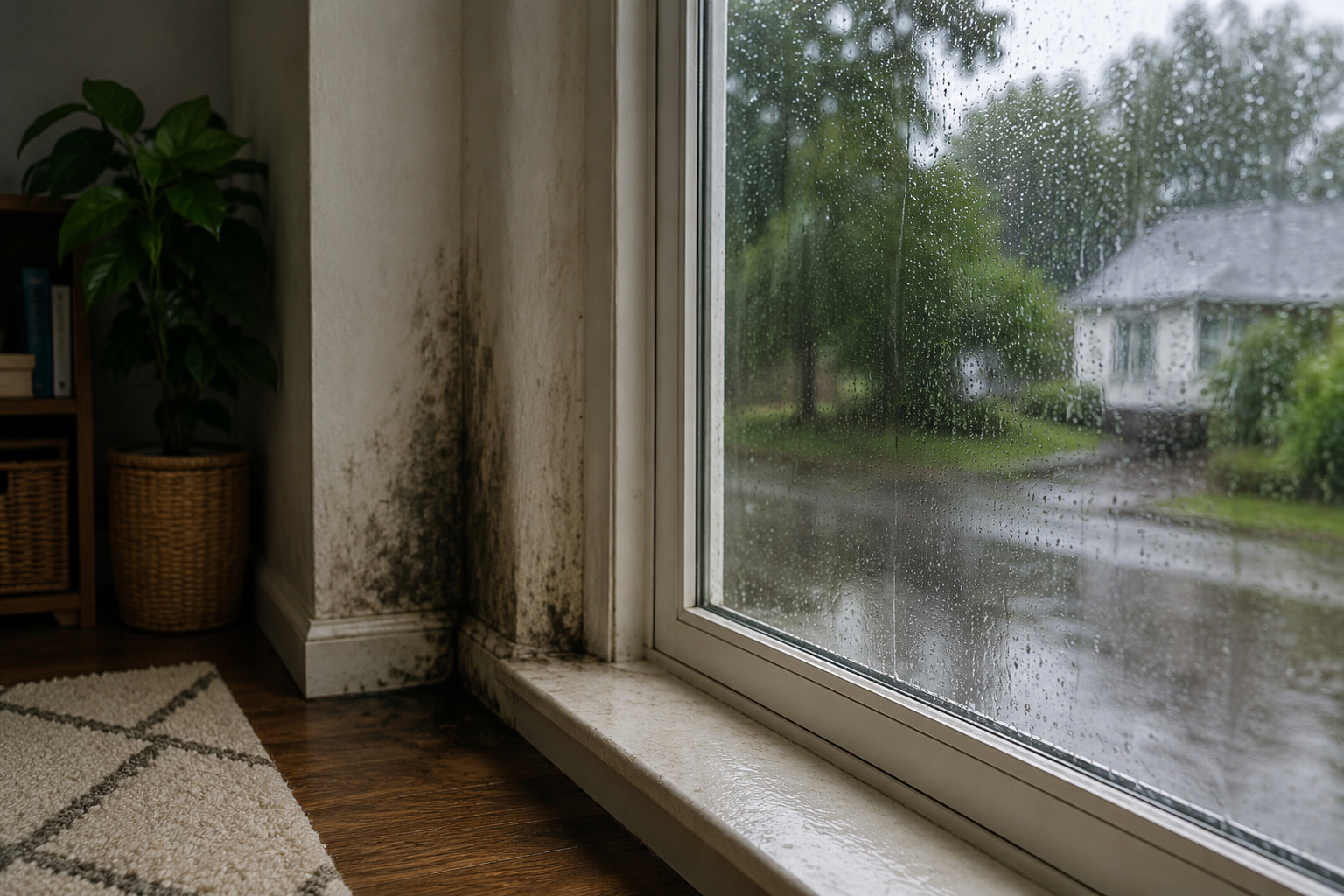
A musty smell usually develops when excess moisture combines with poor airflow. Rain increases humidity levels and can expose hidden water intrusion problems that may not be noticeable during dry weather.
Common causes include:
- Damp basements or crawl spaces
- Roof or attic leaks
- Mold or mildew growth
- Wet carpeting or drywall
- Poor ventilation
- Clogged gutters or drainage problems
- HVAC moisture buildup
- Water entering around windows or doors
The smell is often strongest shortly after heavy rain because moisture activates mold spores and trapped odors.
Step 1: Check the Basement or Crawl Space
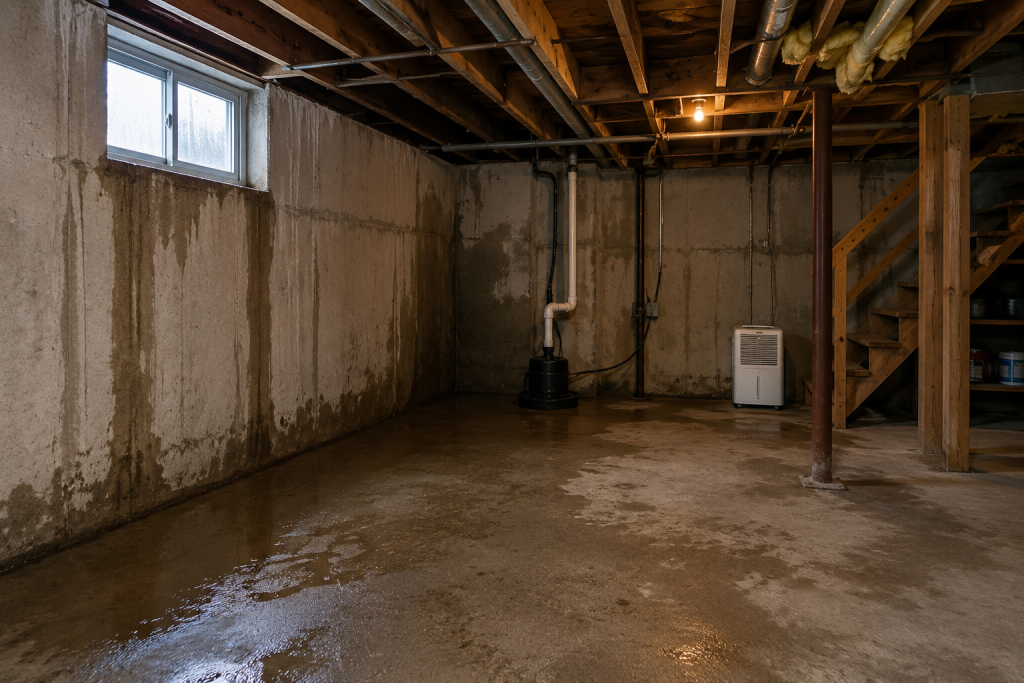
Inspect for Dampness and Standing Water
Basements and crawl spaces are one of the most common sources of musty odors after rain.
Look for:
- Damp concrete walls
- Water stains
- Standing water
- Wet insulation
- Condensation on pipes
- Mold growth near corners or floor joists
Even minor moisture problems can create strong odors.
Step 2: Inspect the Attic for Roof Leaks
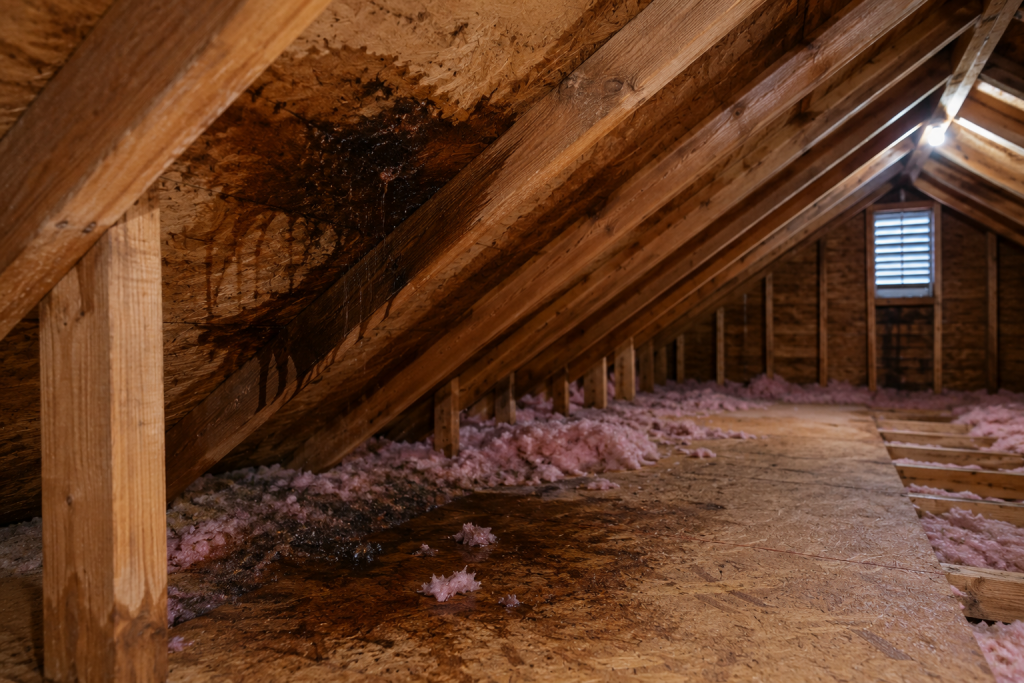
Look for Wet Wood or Insulation
Small roof leaks may only become noticeable during rainstorms.
Check the attic for:
- Dark water stains on wood
- Damp insulation
- Mold growth on rafters
- Wet spots around vents or chimneys
- Signs of dripping water
A small leak can create persistent odors long before major water damage appears.
Step 3: Check Windows and Doors for Water Intrusion
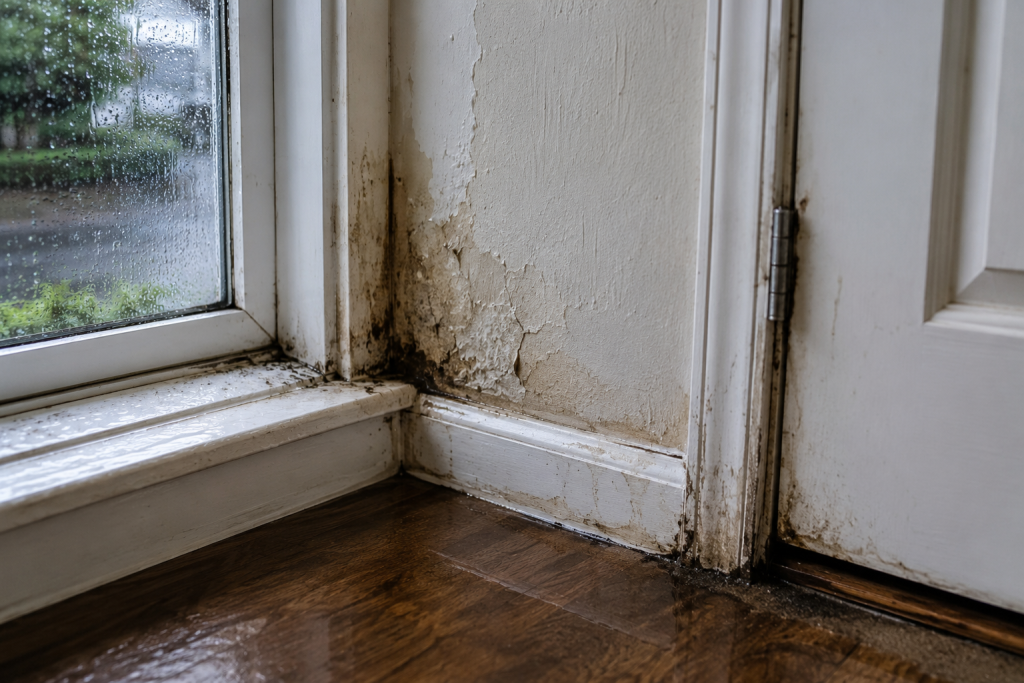
Inspect Seals and Caulking
Rainwater can seep around poorly sealed windows and doors.
Inspect for:
- Soft drywall
- Bubbling paint
- Damp trim
- Cracked caulk
- Water stains below windows
As an Amazon Associate I earn from qualifying purchases.
A moisture meter suitable for wood and drywall can help compare a suspicious area with a nearby dry area of the same material. Follow the meter’s material settings and instructions. Readings can guide further inspection, but they do not identify mold or prove where a leak originates.
Moisture trapped inside walls often produces a musty smell that becomes stronger during humid weather.
You can also read our article on how to seal drafty windows to help reduce moisture intrusion.
Step 4: Inspect the HVAC System
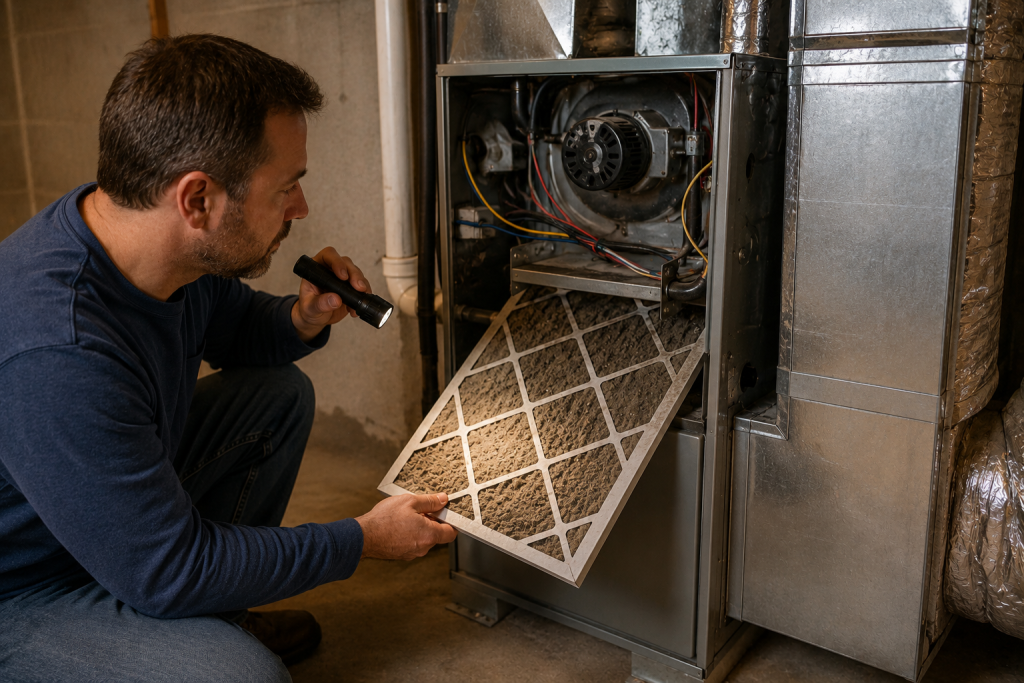
Check for Moisture Around the Air Handler
If you are asking, “Why does my house smell musty after rain?” your HVAC system could be circulating moisture and mildew odors throughout the home.
Inspect:
- The condensate drain line
- Air filter condition
- Evaporator coil area
- Drain pan for standing water
- Ductwork near damp areas
Dirty HVAC systems often amplify mildew odors after rainstorms.
If you need more information about how to maintain your HVAC system, read our Easy Summer HVAC Maintenance Checklist: 17 Essential Tasks to Keep Your Home Cool.
Step 5: Examine Gutters and Exterior Drainage
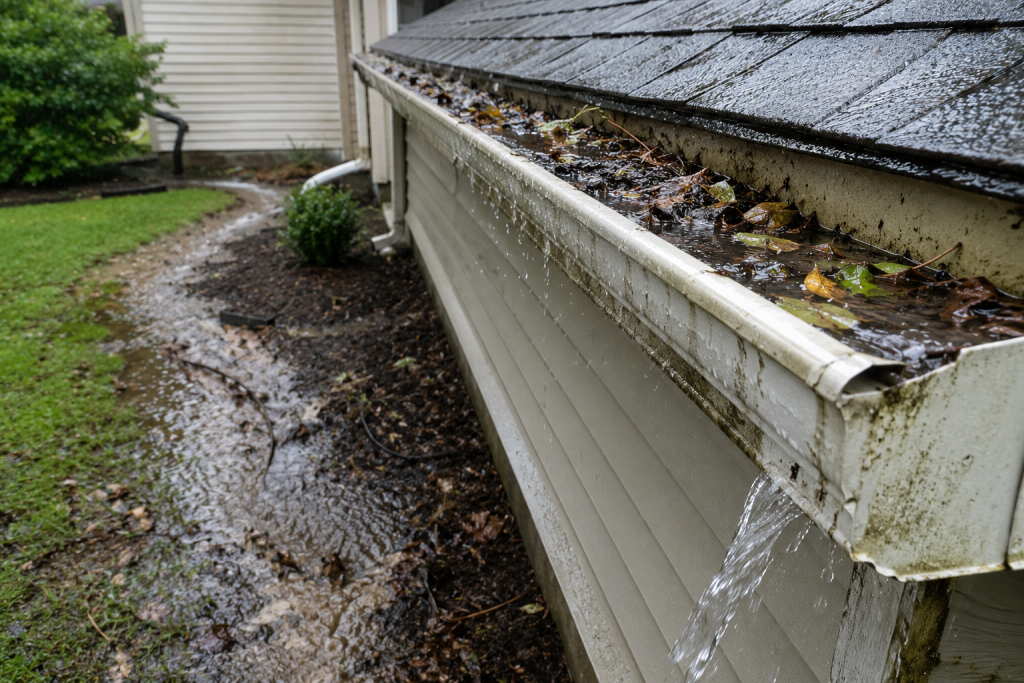
Make Sure Rainwater Flows Away From the House
Poor drainage can allow water to collect near the foundation.
Check for:
- Overflowing gutters
- Downspouts draining too close to the house
- Soil sloping toward the home
- Pooling water near exterior walls
Foundation moisture problems frequently cause indoor odors after rainfall.
If a downspout empties beside the foundation, a downspout extension may help direct roof runoff toward a suitable drainage area. Match your downspout size and choose a route that slopes away from the house without creating a trip hazard or sending water toward neighboring property.
For more information about gutter maintenance, visit This Old House Gutter Maintenance Guide
Step 6: Look for Mold or Mildew Growth
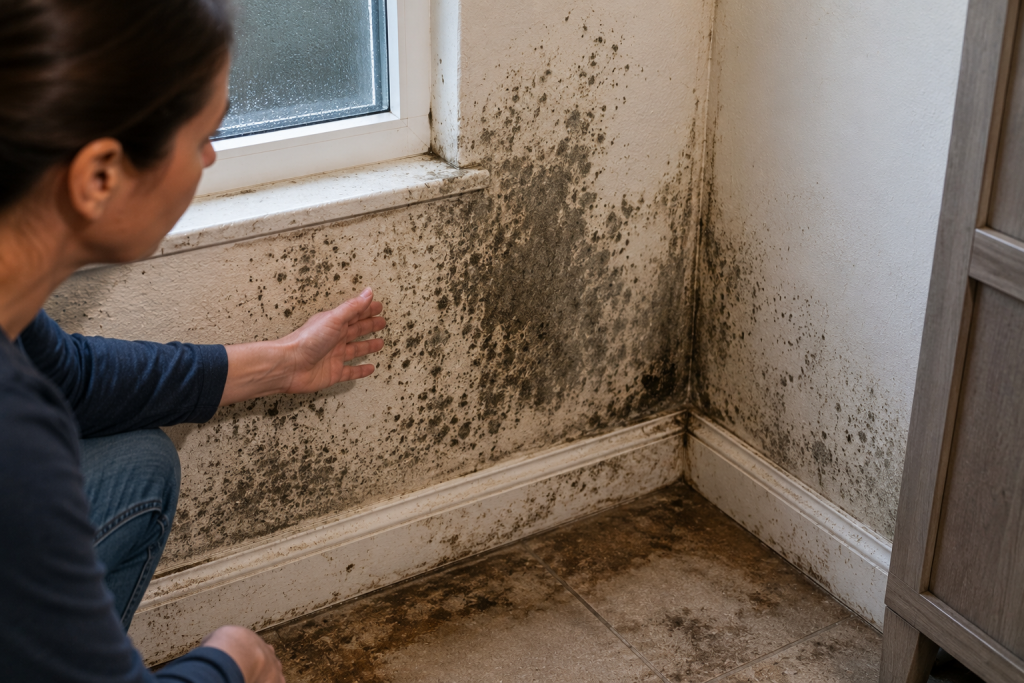
Identify Hidden Moisture Damage
Homeowners searching for answers to “Why does my house smell musty after rain?” often discover hidden mold or mildew growth behind walls or under flooring. Mold and mildew thrive in damp environments and are a major source of musty smells.
Common problem areas include:
- Behind furniture
- Under carpeting
- Around bathrooms
- Inside closets
- Behind drywall
- Near plumbing leaks
Visible mold may appear black, green, white, or gray.
If you suspect extensive mold growth, professional inspection may be necessary.
Step 7: Reduce Indoor Humidity
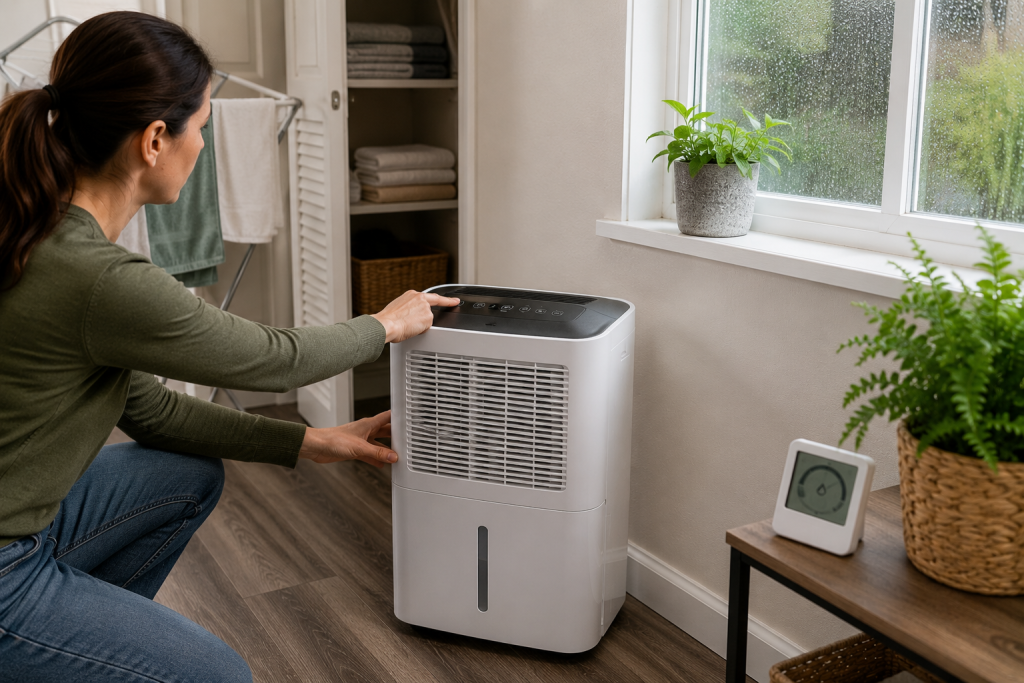
Improve Airflow and Moisture Control
High indoor humidity allows odors to linger longer after rain.
Use a digital indoor humidity meter to compare humidity before and after rain, especially in the basement and rooms where the odor is strongest. Keep it away from direct drafts and wet surfaces, and follow its placement instructions.
To reduce humidity:
- Run bathroom exhaust fans
- If measurements show persistent high humidity, a dehumidifier sized for your space can help control excess moisture. Consider room size, dampness, operating temperature, and drainage options. Repair leaks and water-entry problems as well; a dehumidifier does not remove existing mold or fix water intrusion.
- Keep HVAC filters clean
- Increase air circulation
- Open windows during dry weather
- Avoid overwatering indoor plants
Keeping indoor humidity below 50% can help prevent mold and mildew growth.
Need a dehumidifier, check out this guide: 7 Proven Tips to Choose the Best Dehumidifier for Basement Humidity.
Why the Smell Gets Worse After Rain
Rain increases both outdoor and indoor humidity. Moisture trapped inside walls, flooring, insulation, or HVAC systems becomes more noticeable as humidity rises.
Even if active leaks are not visible, hidden moisture may still exist behind surfaces.
This is why the odor may disappear temporarily during dry weather but return after storms.
Signs the Problem May Be Serious
You may need professional help if you notice:
- Persistent mold odors
- Visible mold spreading
- Soft or warped drywall
- Repeated water intrusion
- Respiratory irritation
- Strong odors coming from HVAC vents
Long-term moisture issues can eventually damage structural materials and indoor air quality.
FAQ
Why does my house smell earthy after rain?
An earthy smell is often caused by moisture activating mold, mildew, damp wood, or organic material trapped in crawl spaces or basements.
Can rain cause mold smell in a house?
Yes. Rain increases humidity and may introduce moisture into hidden areas where mold and mildew can grow.
Why does my basement smell musty after it rains?
Basements commonly develop odors due to foundation seepage, poor drainage, or excess humidity.
Will a dehumidifier remove musty smells?
A dehumidifier can help reduce odors by lowering humidity, but the underlying moisture source still needs to be fixed.
Is a musty smell always mold?
Not always. Wet materials, stagnant air, damp insulation, or dirty HVAC systems can also create musty odors.
Looking for another household maintenance guide? Browse our complete collection of home maintenance tips and projects
Final Thoughts
If your house smells musty after rain, moisture is entering or accumulating somewhere inside the home. The most common causes include damp basements, roof leaks, poor drainage, high humidity, or hidden mold growth.
Addressing the moisture source early can help prevent larger repair issues and improve indoor air quality.
In many cases, homeowners asking “Why does my house smell musty after rain?” discover that excess moisture or hidden leaks are the root cause.