
Last updated: October 14, 2026
By Home Repair Genie
Quick Answer
If your shower drain smells like sewer, the most common causes are a dry P-trap, biofilm buildup inside the drain, clogged vent pipes, or a blockage in the drain line. Start by cleaning the drain thoroughly, flushing it with hot water, and checking for signs of a plumbing vent issue. Persistent sewer odors may require professional inspection to identify hidden drain or sewer line problems.
Why Your Shower Drain Smells Like Sewer
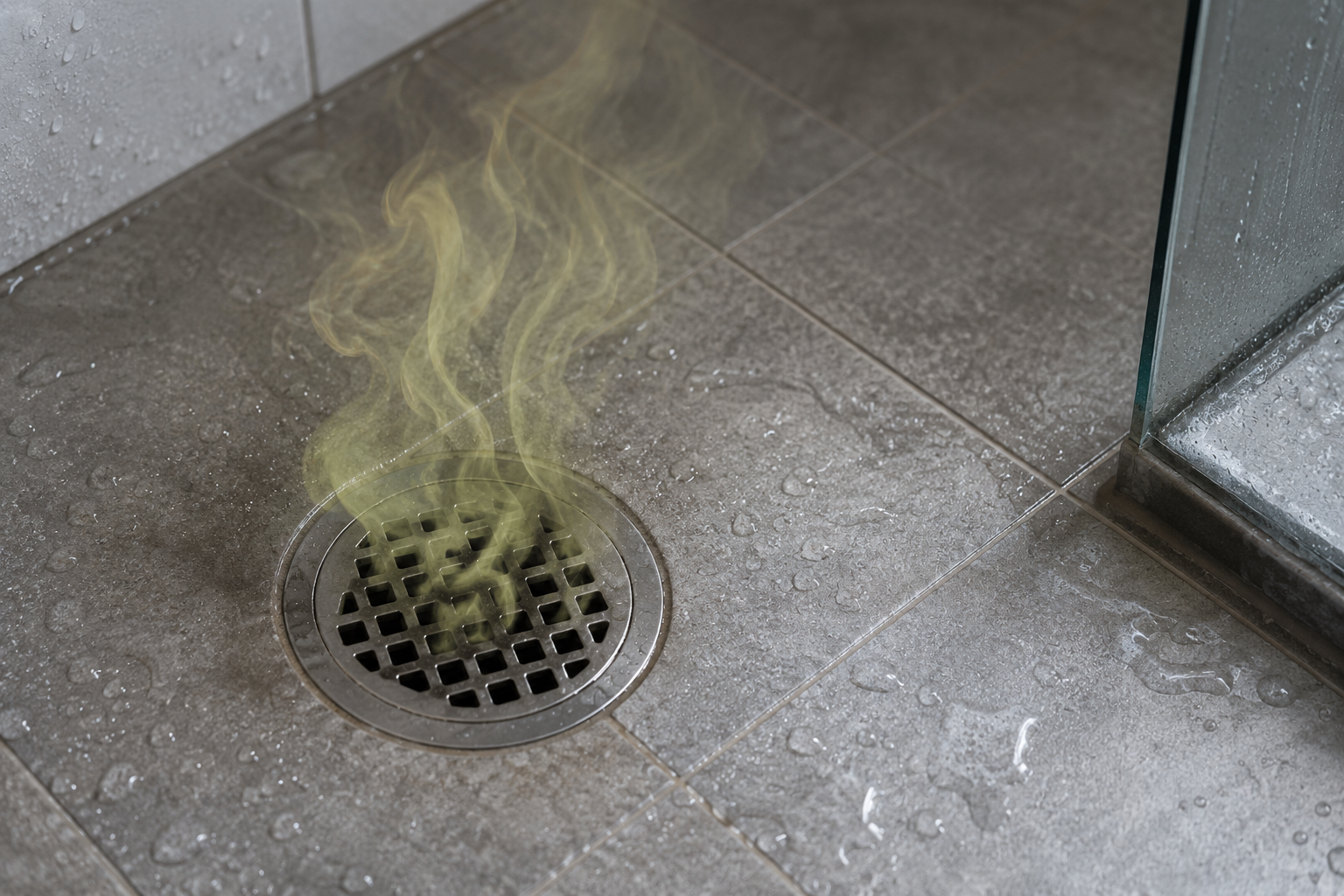
If your shower drain smells like sewer, the problem is usually related to a dry P-trap, drain buildup, or a plumbing vent issue. The odor can range from mild and musty to a strong rotten-egg smell.
Fortunately, most causes are relatively easy to diagnose and fix.
Check for a Dry P-Trap
Step 1: Understand What the P-Trap Does
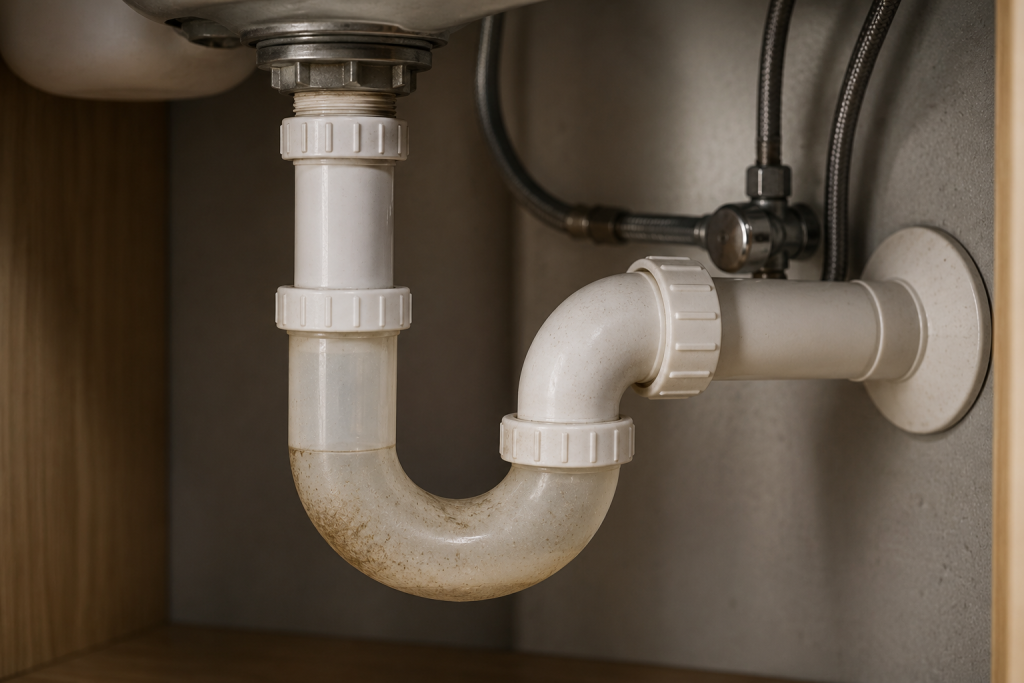
The P-trap is the curved section of pipe located beneath your shower drain. It holds water that creates a seal between your home and the sewer system. A dry P-trap is one of the most common reasons a shower drain smells like sewer in rarely used bathrooms.
If the water evaporates, sewer gases can enter the bathroom.
Step 2: Run Water Into the Drain
Turn on the shower and allow water to run for several minutes. This refills the P-trap and restores the water barrier.
Step 3: Monitor the Odor
If the smell disappears after running water, a dry P-trap was likely the cause.
This issue commonly affects guest bathrooms, vacation homes, or showers that are rarely used.
Remove Biofilm and Organic Buildup
Step 1: Remove the Drain Cover
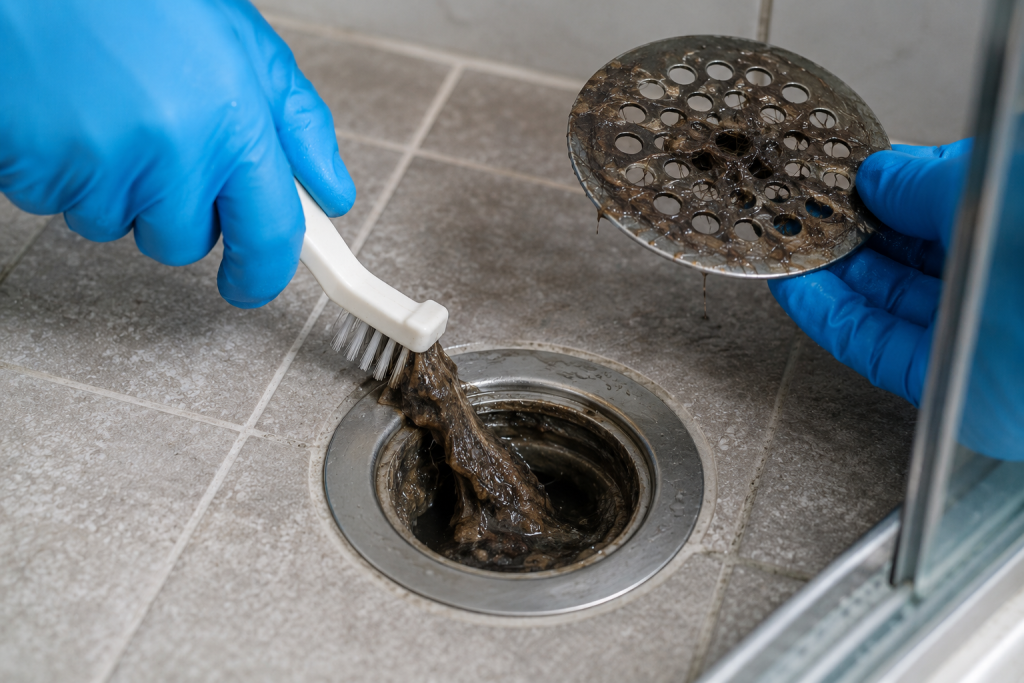
Take off the shower drain cover and inspect the opening.
In many cases, a shower drain smells like sewer because bacteria and organic matter have accumulated inside the drain pipe. Hair, soap scum, body oils, and bacteria often accumulate just below the surface.
Step 2: Scrub the Drain Walls
As an Amazon Associate I earn from qualifying purchases.
A flexible nylon drain-cleaning brush can help scrub accessible slime and soap buildup from the drain opening. Choose a brush that fits without forcing it, remove loosened debris, and rinse the brush thoroughly after use.
Step 3: Flush With Hot Water
After cleaning, flush the drain with hot water to wash away loosened debris.
Many shower drain odors are caused by biofilm rather than actual sewer gas.
For more drain-cleaning tips, see our guide on How to Fix a Slow Draining Sink: 7 Proven DIY Solutions.
Inspect the Drain for Clogs
Step 1: Look for Slow Drainage
A shower that drains slowly often has a developing clog.
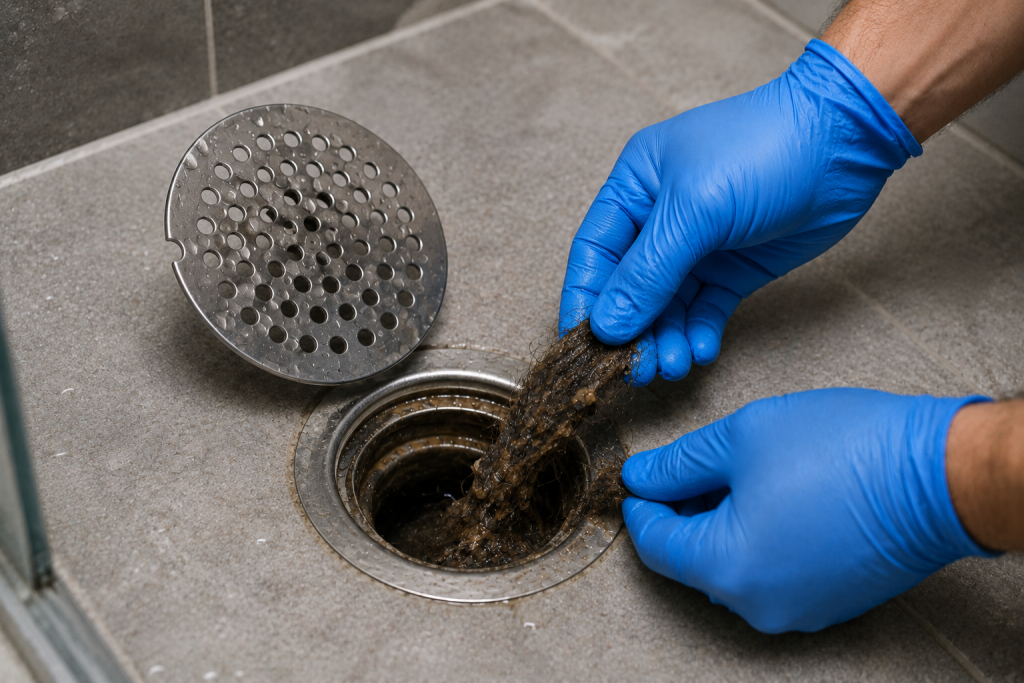
Hair and soap buildup can trap organic material that produces unpleasant odors.
Step 2: Remove Hair and Debris
For hair caught near the drain opening, a plastic drain hair-removal tool may help pull out the blockage. Check that it fits your drain design, wear gloves, and insert it gently without forcing it past resistance. Avoid using mechanical tools in a drain containing chemical drain cleaner.
Step 3: Test Drain Performance
Run water and verify that it flows freely through the drain.
If water still backs up, a deeper blockage may exist.
Check the Plumbing Vent System
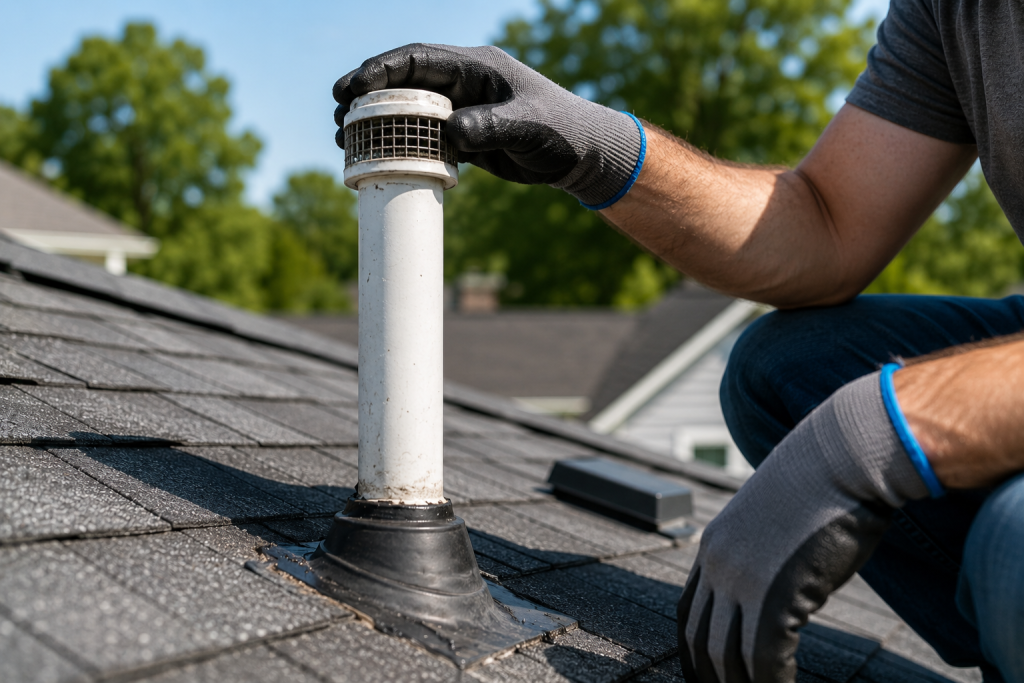
Step 1: Understand the Purpose of Vent Pipes
Plumbing vents allow sewer gases to escape through the roof while maintaining proper air pressure inside the drainage system. If your shower drain smells like sewer and you also hear gurgling sounds, a blocked plumbing vent may be responsible.
Step 2: Look for Signs of Vent Problems
Common symptoms include:
- Gurgling drains
- Sewer smells from multiple fixtures
- Slow drainage throughout the house
- Bubbling toilets
Step 3: Inspect the Roof Vent
If it is safe to do so, check for leaves, nests, or other obstructions in the vent opening.
A blocked vent can force sewer gases back into the home.
Inspect the Shower Drain Seal
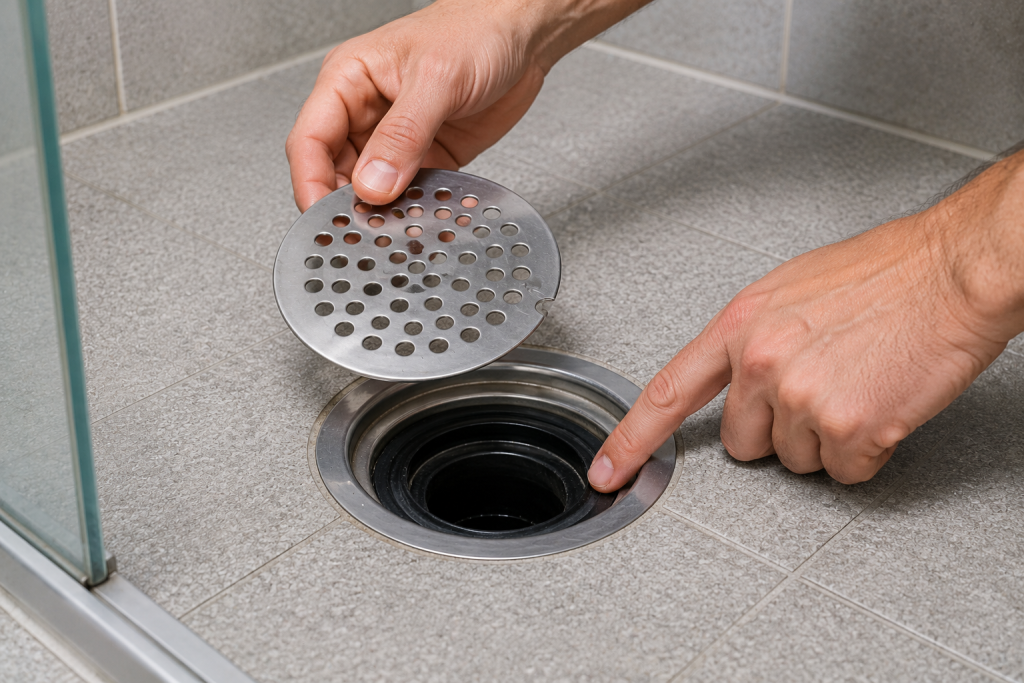
Step 1: Check Around the Drain Assembly
Some shower installations include seals or gaskets around the drain body.
If these seals deteriorate, sewer gases may bypass the trap.
Step 2: Look for Gaps or Damage
Inspect the area around the drain for visible cracks or gaps.
Step 3: Replace Damaged Components
Worn seals should be replaced to restore an airtight connection.
Examine the Sewer Line for Larger Problems
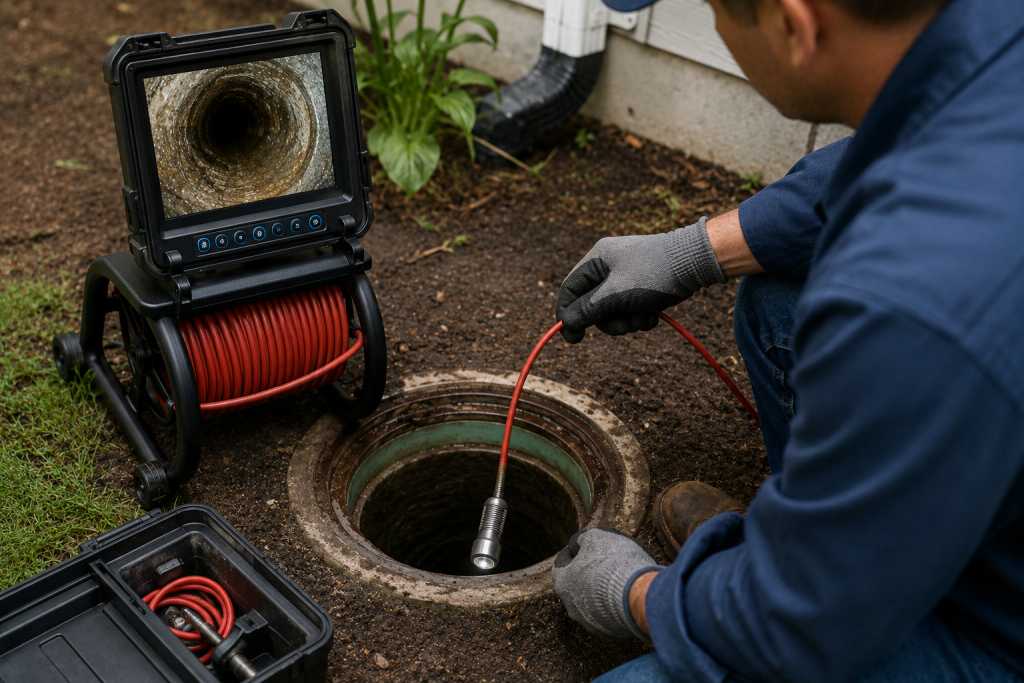
Step 1: Consider Recent Plumbing Issues
Frequent drain backups, multiple smelly drains, or recurring clogs can indicate a sewer line issue.
Step 2: Watch for Additional Warning Signs
Potential sewer line symptoms include:
- Multiple slow drains
- Gurgling toilets
- Sewage backups
- Wet spots in the yard
Step 3: Schedule a Professional Inspection
A plumber can use a sewer camera to identify cracks, blockages, or root intrusion.
The experts at This Old House provide additional information about common sewer odor causes and plumbing vent systems.
Prevent Future Shower Drain Odors
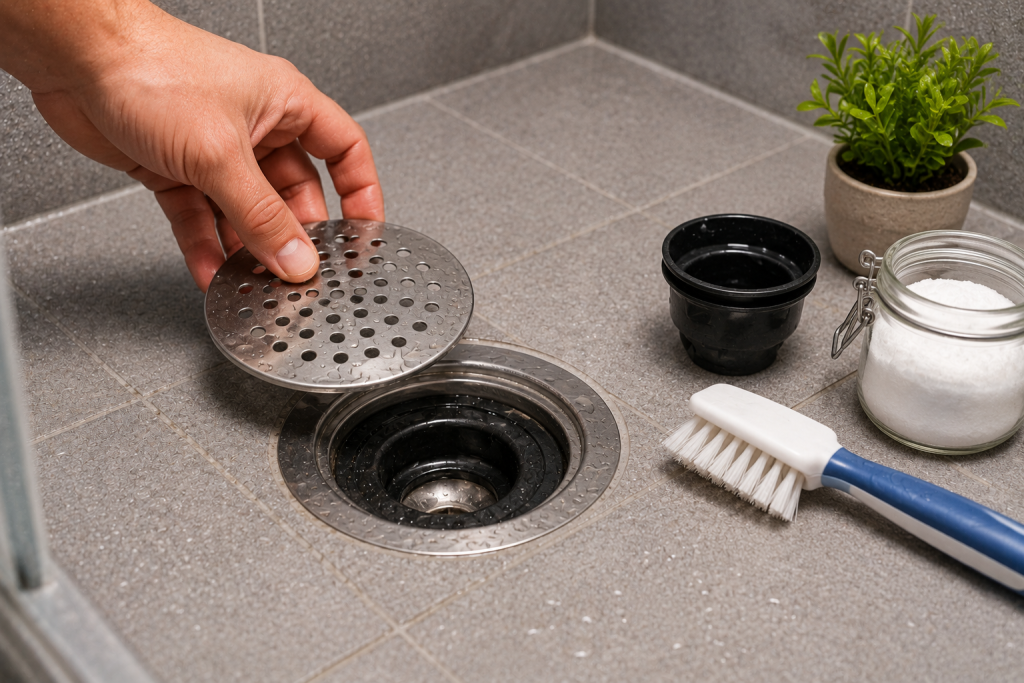
Step 1: Run Water Regularly
Use infrequently used showers at least once every few weeks to keep the P-trap full.
Step 2: Clean the Drain Monthly
Regular cleaning prevents biofilm, hair, and soap scum accumulation.
Step 3: Install a Hair Catcher
A shower drain hair catcher can help keep hair from entering the drain and accumulating with soap residue. Check your drain’s dimensions and cover style before buying, and clean the catcher regularly so it does not restrict water flow. It helps prevent buildup but will not fix a dry P-trap or plumbing vent problem.
Step 4: Address Slow Drains Early
Minor drainage issues are much easier to fix before they become major blockages.
You may also find these guides helpful:
- Dishwasher Not Draining? 7 Easy Fixes That Actually Work
- How to Fix a Running Toilet: 7 Easy Fixes That Actually Work
- Water Heater Not Producing Hot Water? 7 Easy Fixes That Actually Work (Step-by-Step Guide)
- Garbage Disposal Humming But Not Working
Frequently Asked Questions
Why does my shower drain smell like rotten eggs?
A rotten egg smell is often caused by sewer gas entering the bathroom due to a dry P-trap, clogged vent pipe, or drain system problem.
Can a clogged shower drain cause sewer smells?
Yes. Hair, soap scum, and organic debris can trap bacteria that create unpleasant odors and mimic sewer gas smells.
Is sewer gas dangerous?
Brief exposure is usually not harmful, but persistent sewer gas should be addressed because it can indicate plumbing defects and may contain harmful gases.
Why does the smell come and go?
Intermittent odors are often caused by changes in air pressure, partial vent blockages, or a P-trap that occasionally dries out.
When should I call a plumber?
Contact a plumber if the smell persists after cleaning the drain, if multiple drains smell, or if you notice slow drainage, gurgling fixtures, or sewage backups.
Looking for help with another plumbing problem? Browse our complete collection of plumbing repair and troubleshooting guides.
Final Thoughts
If your shower drain smells like sewer, the cause is usually a dry P-trap, bacterial buildup, venting issue, or drain blockage. Start with simple cleaning and inspection steps before moving on to more advanced plumbing diagnostics. In many cases, addressing the issue early can eliminate odors and prevent more expensive plumbing repairs later.