
Last updated: September 21, 2026
By Home Repair Genie
Quick Answer
If your furnace is not igniting, the most common causes are a dirty flame sensor, clogged air filter, thermostat issues, a tripped breaker, or a faulty igniter. Start by checking the thermostat settings, replacing the air filter, and resetting power to the furnace before moving to more advanced troubleshooting.
Furnace Not Igniting? Here’s What to Check First
A furnace that refuses to ignite can leave your home cold fast, especially during winter. The good news is that many furnace ignition problems are caused by simple issues homeowners can fix themselves.
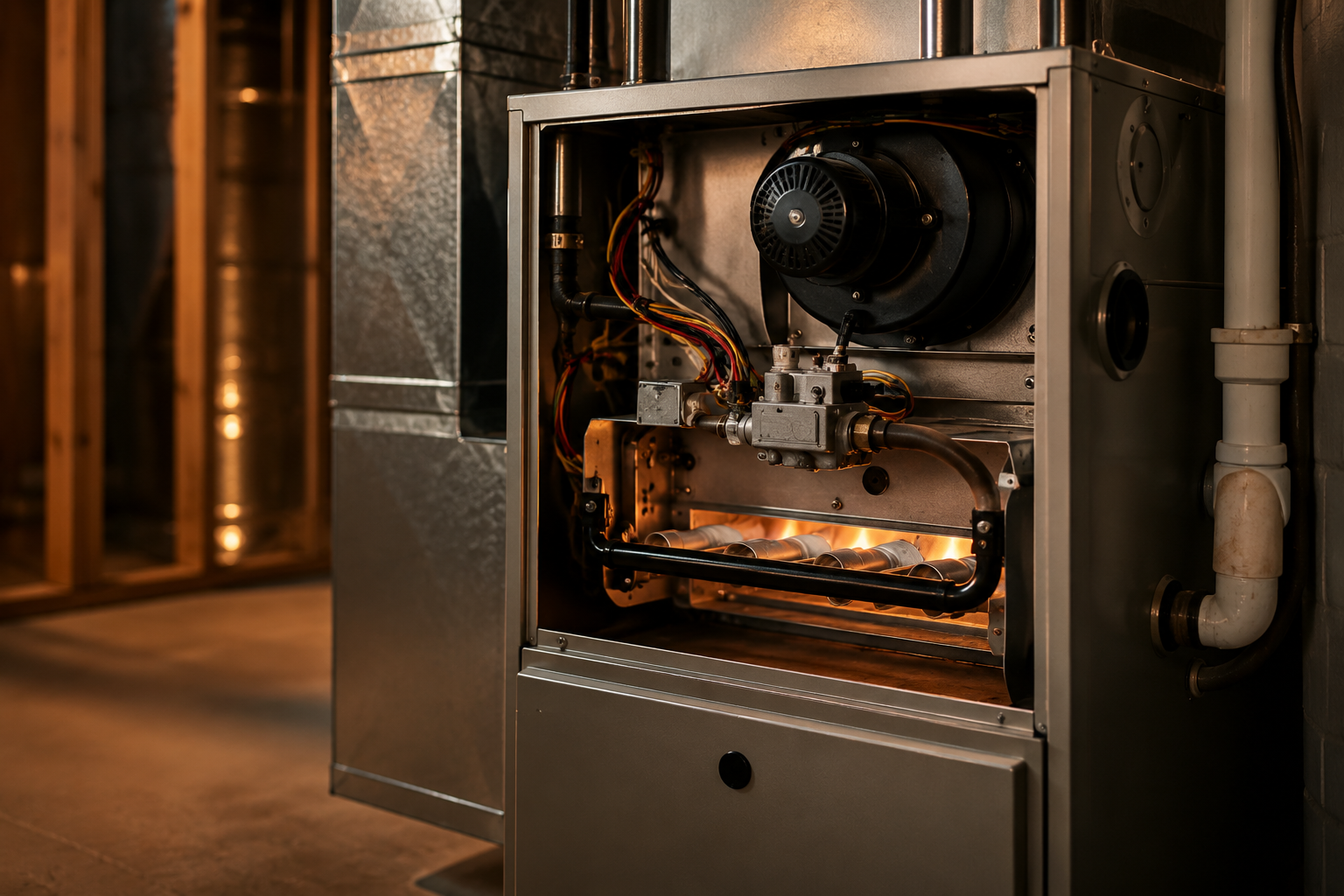
Modern gas furnaces rely on several components working together correctly, including the thermostat, igniter, gas supply, flame sensor, and control board. If just one of these parts fails, your furnace may stop producing heat.
Before calling an HVAC technician, work through these step-by-step troubleshooting tips.
Safety First
Before working on your furnace:
- Turn off power to the furnace
- Shut off the gas supply if you smell gas
- Allow hot components to cool
- Never force furnace panels open
- Contact a professional immediately if you smell strong gas odors
Step 1: Check the Thermostat Settings
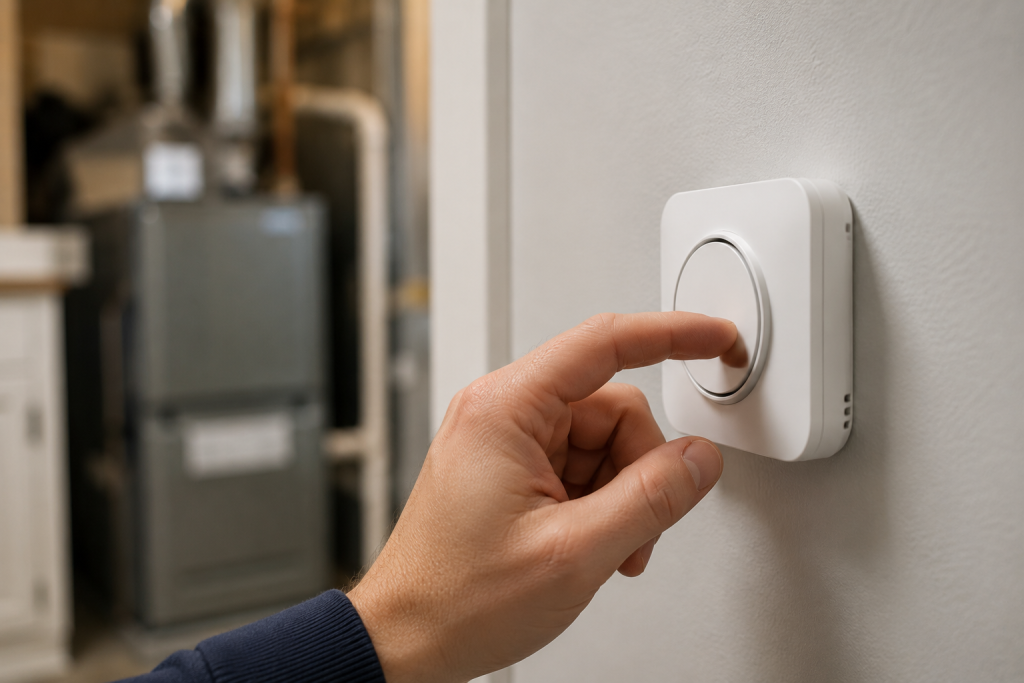
Incorrect thermostat settings are one of the most common reasons a furnace is not igniting.
Make sure:
- The thermostat is set to “Heat”
- The temperature is higher than the current room temperature
- The fan setting is on “Auto” instead of “On”
- The thermostat batteries are fresh if applicable
Sometimes the thermostat loses communication with the furnace after a power outage.
If your HVAC system runs constantly, read: Furnace Blower Runs Constantly? 7 Easy Fixes That Actually Work (Step-by-Step Guide).
Step 2: Replace a Dirty Air Filter for Your Furnace Not Igniting Problem
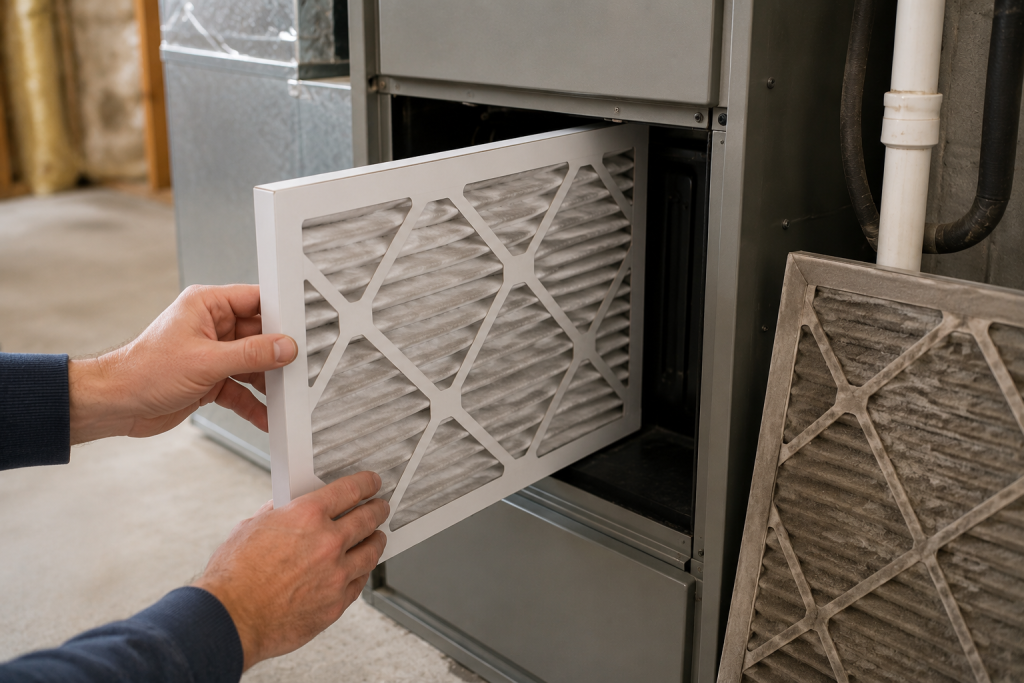
A severely clogged air filter can restrict airflow enough to trigger furnace safety shutoffs.
Signs of a dirty filter include:
- Weak airflow from vents
- Excess furnace cycling
- Higher energy bills
- Dust buildup around vents
Replace the filter if it looks dirty or hasn’t been changed in the last 1–3 months.
A clean filter improves airflow and may allow the furnace to ignite properly again.
Step 3: Make Sure the Furnace Power Switch Is On
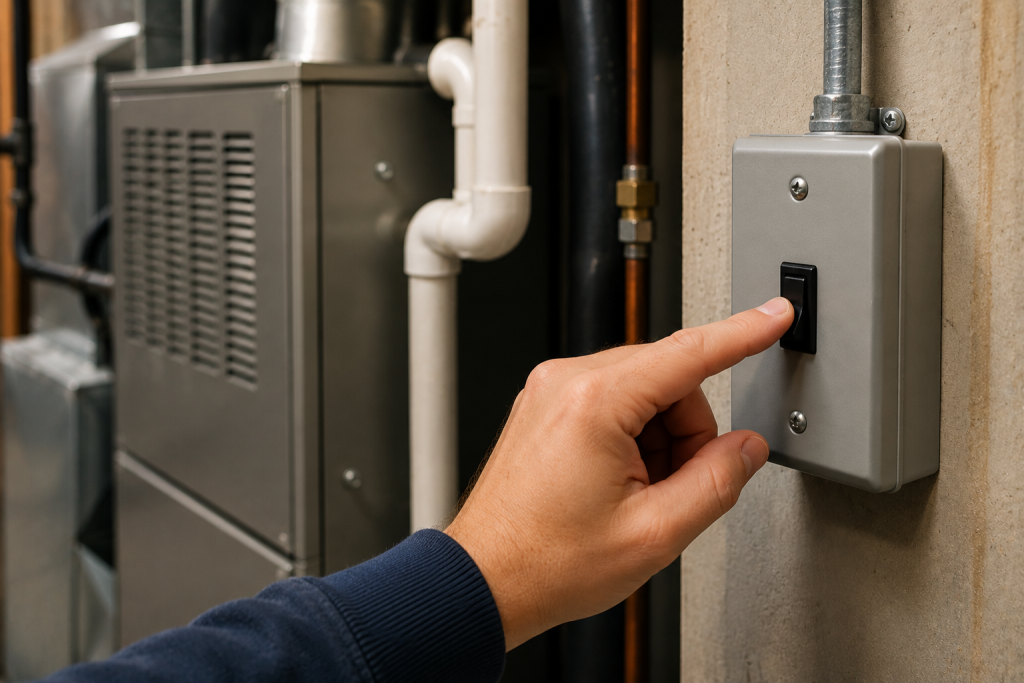
Many homeowners accidentally switch off the furnace power switch without realizing it.
The switch often looks similar to a standard wall light switch and is usually mounted near the furnace.
Also check:
- The circuit breaker panel
- Furnace disconnect switch
- GFCI outlets near the furnace
If the breaker has tripped repeatedly, do not continue resetting it.
If breakers keep tripping, read: Breaker Keeps Tripping? 7 Easy Fixes That Actually Work (Step-by-Step Guide).
Step 4: Clean the Flame Sensor for Your Furnace Not Igniting Issue
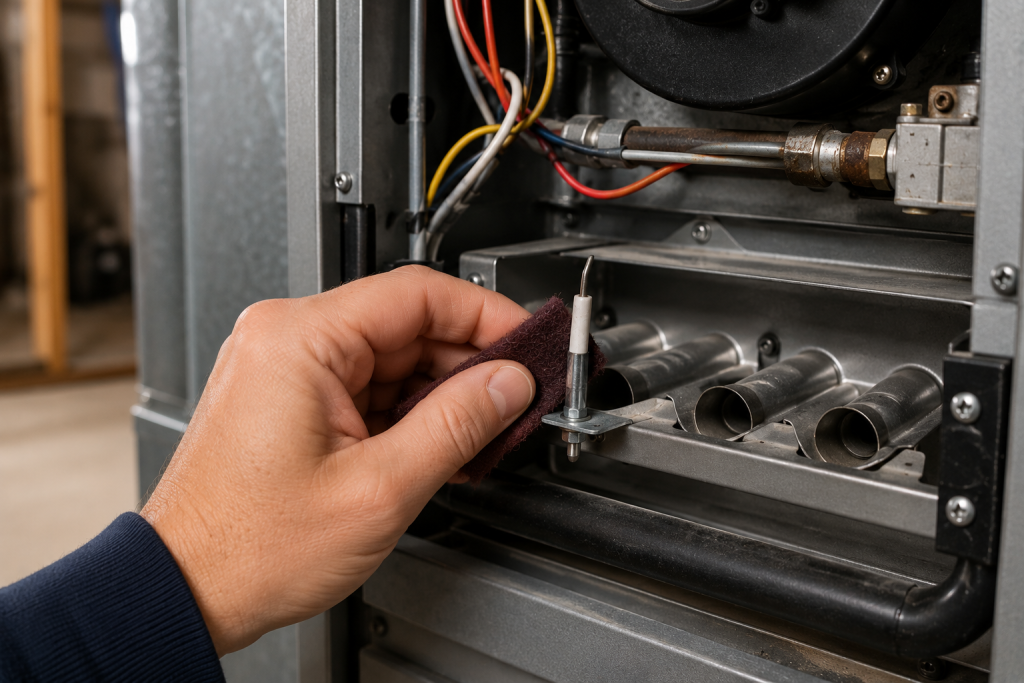
A dirty flame sensor is one of the most common causes of a furnace not igniting.
The flame sensor verifies that the burners successfully lit. If it becomes coated with carbon buildup, the furnace may shut down seconds after ignition.
To clean the flame sensor:
- Turn off furnace power
- Remove the furnace access panel
- Locate the thin metal flame sensor rod
- Remove it carefully with a screwdriver
- Gently clean it using fine steel wool or emery cloth
- Reinstall the sensor
After cleaning, restore power and test the furnace again.
Step 5: Inspect the Furnace Igniter
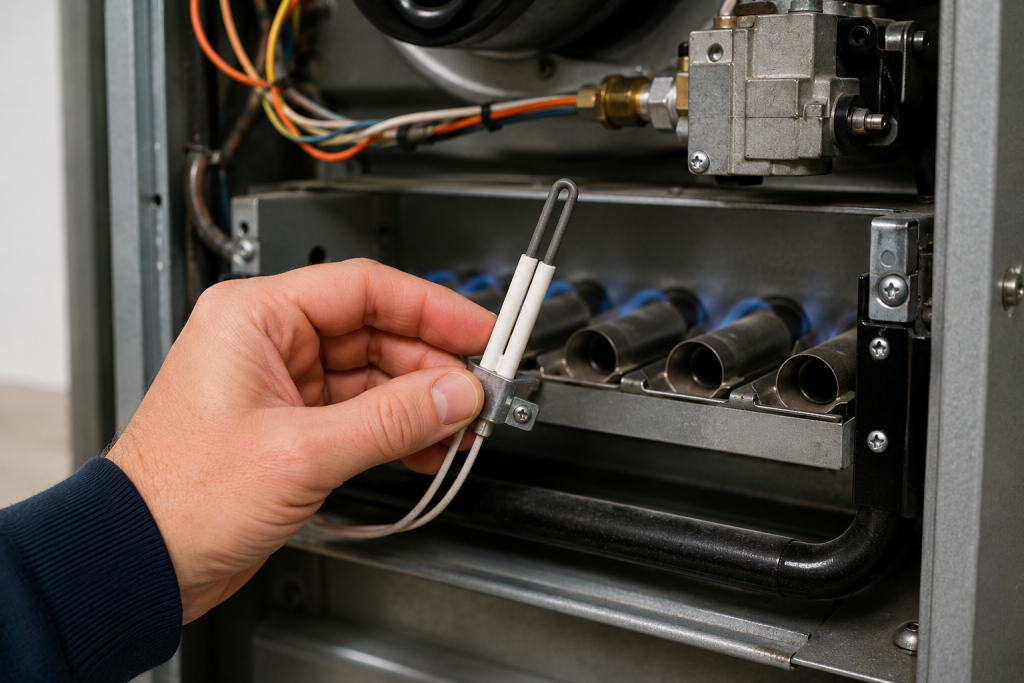
Modern furnaces use either a hot surface igniter or spark igniter to light the burners.
If the igniter is cracked or damaged, the furnace may fail to ignite entirely.
Common signs of a bad igniter include:
- Clicking without ignition
- Furnace starts but no flame appears
- No glow from the igniter
- Furnace repeatedly attempts startup
Avoid touching a hot surface igniter directly with your fingers because oils from skin can damage it.
If your furnace is blowing cold air, read: Furnace Blowing Cold Air? 7 Easy Fixes That Actually Work (Step-by-Step Guide).
Step 6: Check the Gas Supply Valve
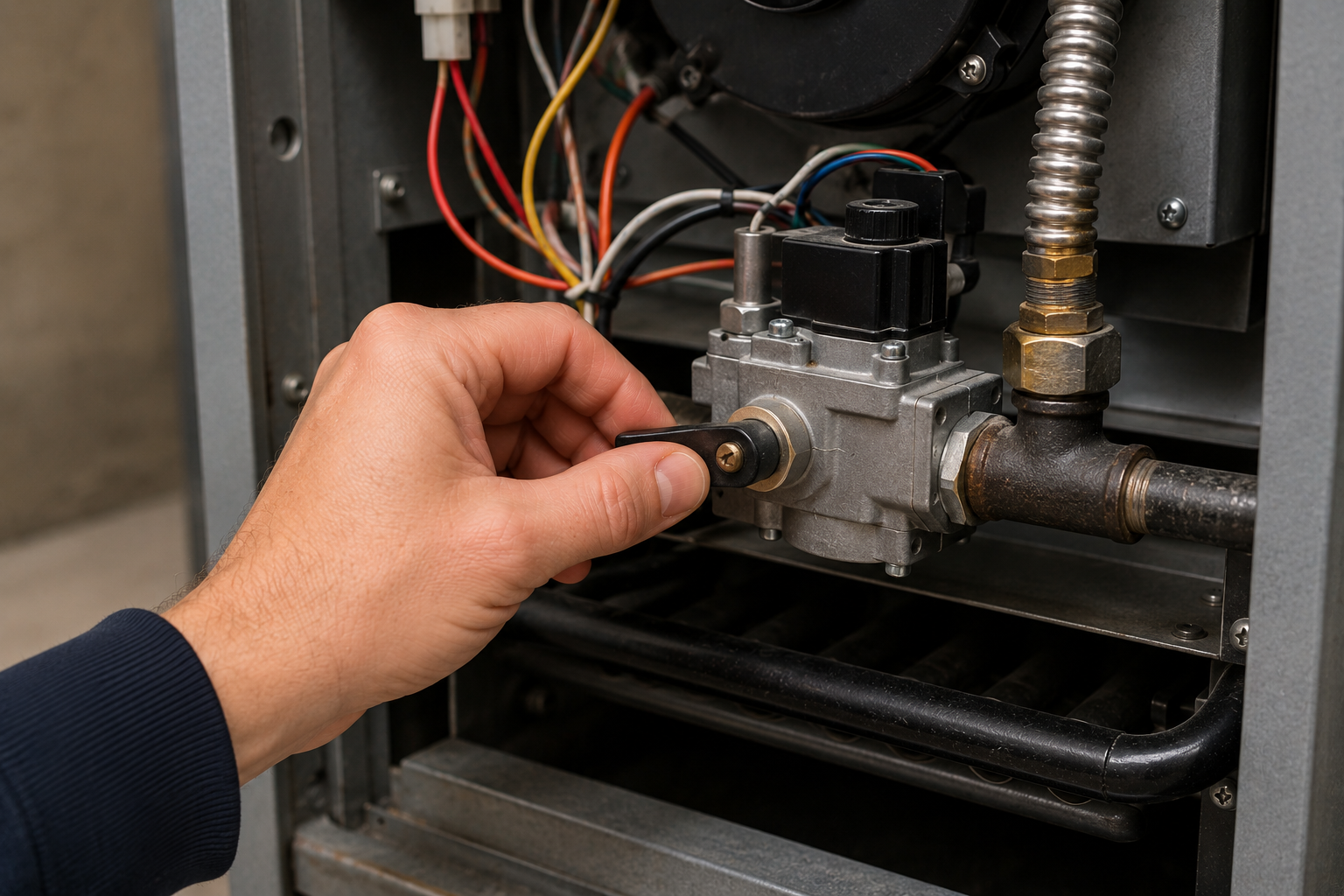
Your furnace cannot ignite if the gas supply is turned off.
Inspect the gas shutoff valve near the furnace. The handle should usually be parallel with the gas pipe when fully open.
Also:
- Confirm other gas appliances work
- Check if the gas company issued a service interruption
- Listen for unusual hissing sounds
If you smell gas:
- Leave the area immediately
- Do not use electrical switches
- Contact your gas utility company
Step 7: Call an HVAC Professional for Control Board or Gas Valve Problems
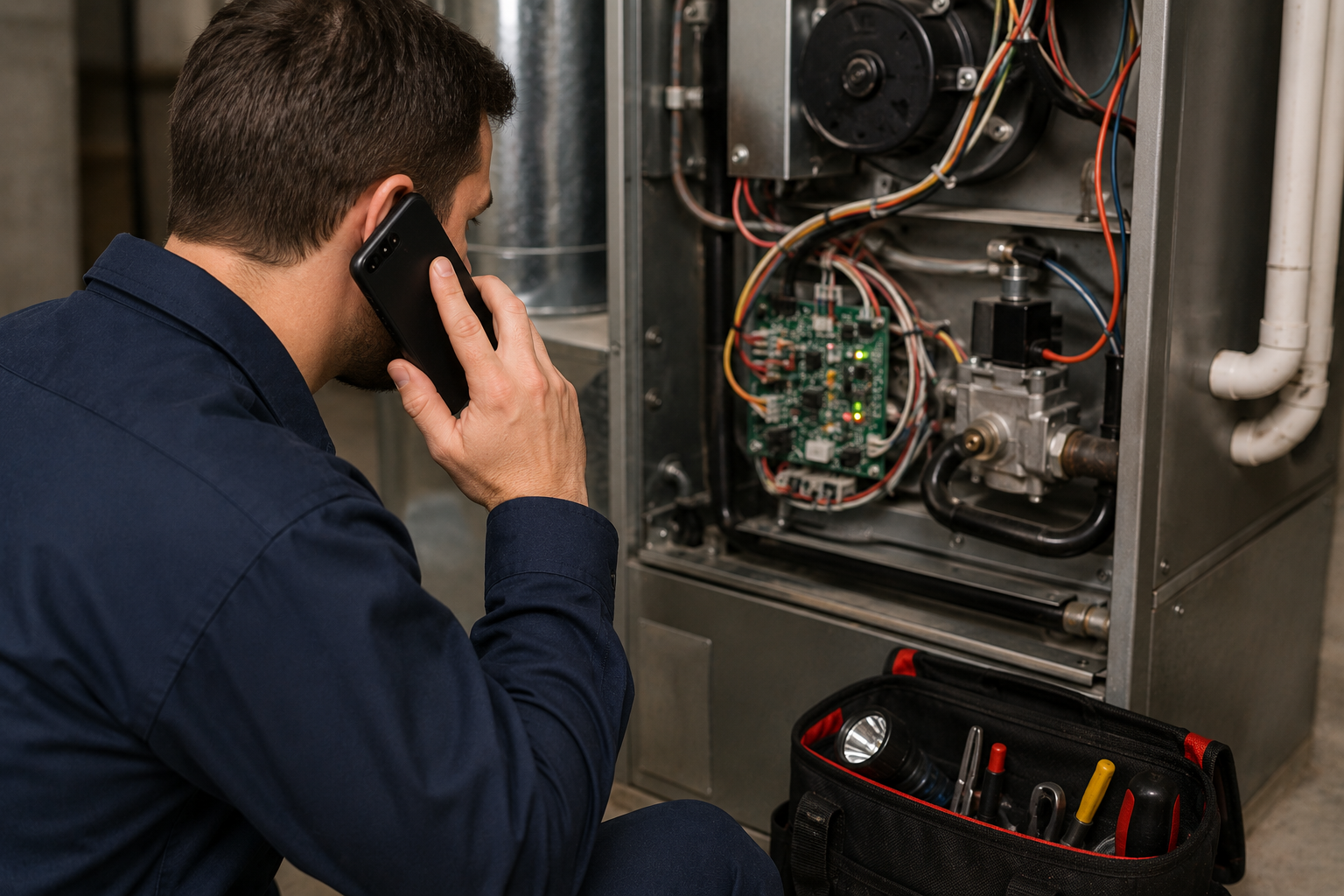
If the furnace still is not igniting after these steps, the issue could involve:
- Faulty control board
- Failed gas valve
- Pressure switch problems
- Damaged wiring
- Venting issues
- Failed inducer motor
These repairs usually require specialized HVAC diagnostic equipment.
A professional can safely test voltage, gas flow, and ignition sequences.
Preventing Future Furnace Ignition Problems
Routine maintenance helps prevent many furnace ignition issues.
Helpful maintenance tips include:
- Replace air filters regularly
- Schedule yearly furnace tune-ups
- Keep vents unobstructed
- Vacuum dust near the furnace
- Inspect exhaust vents seasonally
- Test the thermostat before winter
Preventive maintenance can extend furnace lifespan and improve heating efficiency.
When to Replace Your Furnace
If your furnace frequently fails to ignite and is over 15–20 years old, replacement may be more cost-effective than repeated repairs.
Signs replacement may be needed include:
- Frequent repair costs
- Rising utility bills
- Uneven heating
- Loud furnace noises
- Cracked heat exchanger
- Short cycling issues
A newer furnace can improve comfort while lowering energy costs.
For additional furnace troubleshooting and maintenance guidance, visit the HVAC experts at This Old House.
Frequently Asked Questions
Why is my furnace clicking but not igniting?
This usually points to a failed igniter, dirty flame sensor, gas supply issue, or faulty control board.
Can a dirty filter stop a furnace from igniting?
Yes. Restricted airflow can trigger furnace safety switches that prevent ignition.
How much does it cost to replace a furnace igniter?
Most furnace igniter replacements typically cost between $150 and $400 depending on furnace type and labor rates.
Is it safe to reset my furnace repeatedly?
No. Repeated resets may worsen electrical or gas-related problems. If the furnace repeatedly shuts down, further diagnosis is needed.
How often should a furnace be serviced?
Most HVAC professionals recommend annual furnace maintenance before winter begins.
Looking for help with another heating or cooling problem? Browse our complete collection of HVAC repair and troubleshooting guides.
Final Thoughts
A furnace not igniting does not always mean a major repair is needed. In many cases, simple fixes like replacing the air filter, cleaning the flame sensor, or checking the thermostat can restore heat quickly.
Working through these troubleshooting steps methodically can save time, reduce repair costs, and help keep your home comfortable during cold weather.